
You fill it. It reappears. You patch it again, and a few months later, that same stretch of driveway or parking lot looks like it was never touched. If this cycle sounds familiar, you’re not imagining things—and you’re certainly not alone.
A recurring pothole isn’t bad luck. It’s a sign that something beneath the surface is still broken, even if the top layer looks fine for a while. Surface patches can mask a problem temporarily, but they rarely solve it. For Indianapolis property owners, this issue is especially common given Indiana’s unpredictable winters and the repeated freezing and thawing that our pavement endures each year.
This post breaks down why potholes keep returning to the same spots, the most common repair mistakes that make the problem worse, and what it actually takes to fix the issue for good.
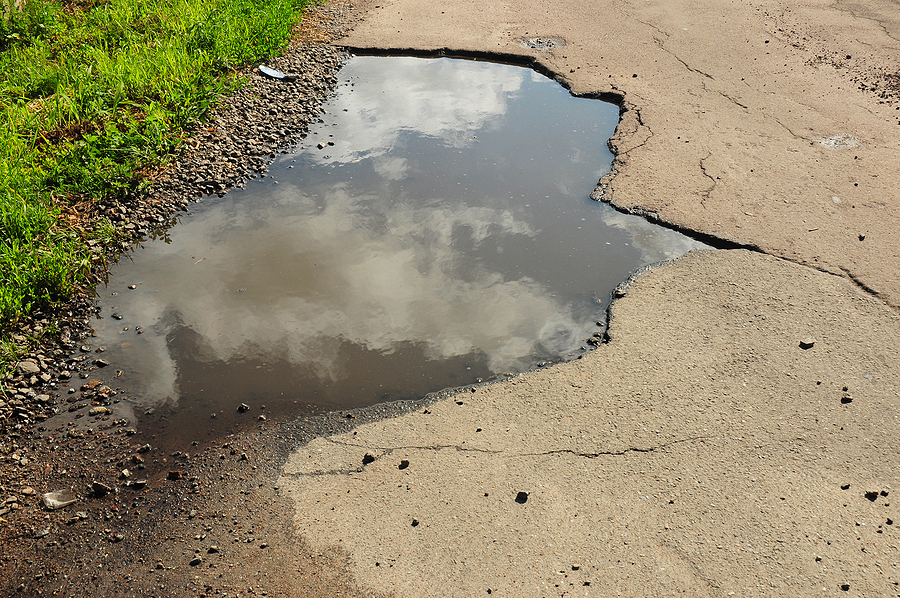
Why Potholes Form in Specific Locations
Potholes rarely appear at random. They tend to form in the same predictable spots because of consistent, underlying conditions that never get resolved.
Poor Drainage Concentrates Water in the Same Areas
Water is the primary culprit behind pavement failure. When drainage is poor, grading is off, or runoff has nowhere to go, water pools in low points and seeps into cracks. Over time, that moisture works its way into the layers beneath the asphalt, weakening the structure from the inside out. If the drainage issue isn’t corrected, water will keep finding its way back to that exact location.
Weak Subbase or Foundation Issues
Asphalt is only as strong as what’s underneath it. If the subbase or subgrade wasn’t properly compacted during installation—or has since been compromised by water damage—it won’t support the weight placed on it. A weak foundation leads to settling, cracking, and eventually collapse, no matter how many times the surface gets patched.
Heavy Traffic Wears Specific Sections Faster
Driveways, parking lots, and roads all have predictable traffic patterns. Entry points, turning areas, and spots where heavy vehicles regularly stop or pivot absorb far more stress than the rest of the surface. That repeated pressure accelerates wear in these exact locations, making them more prone to pothole formation.
Temperature Fluctuations Create Expansion and Contraction
Indianapolis winters put pavement through a demanding cycle. Water seeps into small cracks, freezes, and expands. As temperatures rise, the ice melts and the pavement contracts again. Repeated over a season, this freeze-thaw cycle widens cracks and weakens asphalt from within, setting the stage for a pothole to form in that same spot year after year.
The Cycle of Pothole Recurrence
Understanding how a pothole develops helps explain why it keeps coming back if the repair isn’t done correctly.
It typically starts small: a hairline crack lets water into the pavement structure. Combined with freeze-thaw cycles and traffic stress, that crack expands and the surrounding asphalt weakens. Eventually, the surface gives way, and a pothole forms.
If the pothole is filled without addressing what caused it, the patch becomes the weakest point in the pavement. It often bonds poorly with the surrounding asphalt, allowing water to seep in around the edges. That moisture reaches the same compromised base layer as before, and the cycle starts again—often producing a pothole in the exact same location, sometimes within a matter of months.
Common Pothole Repair Mistakes
Many property owners find themselves repairing the same pothole repeatedly because of how it was patched the first time. A few common mistakes lie at the root of this problem.
Patching Without Fixing Drainage
Filling a pothole without resolving the drainage issue that caused it is a short-term fix at best. Water will continue to pool in the same area and erode the new patch from underneath.
Relying on Cold Patch as a Permanent Solution
Cold-patch asphalt has its place—it’s a fast, convenient option for emergency repairs during cold weather when hot mix isn’t available. But it isn’t designed to last. Cold patch is softer and less durable, meaning it tends to break down well before a proper hot-mix repair would.
Failing to Repair the Damaged Base Layer
If the subbase has been compromised by water, simply resurfacing the top layer won’t hold. A repair that only addresses the visible pothole while ignoring the weakened foundation beneath it is almost guaranteed to fail again.
Skipping a Thorough Site Inspection
Every pothole has a cause, and that cause isn’t always obvious from the surface. Repairs done without a proper pavement inspection often treat the symptom rather than the source, leaving the underlying issue free to cause more damage down the road.
How Professional Repair Prevents Recurrence
A lasting repair requires more than filling a hole—it requires fixing what caused the hole to form in the first place.
Full-Depth Repair Addresses the Base and Subbase
Rather than patching the surface, full-depth pothole repair removes the damaged asphalt and the compromised material beneath it. The area is then rebuilt from the subbase up, giving the new asphalt a solid, stable foundation that can withstand Indiana’s seasonal shifts.
Proper Drainage Redirects Water Away From the Problem Area
If water is pooling in a specific location, correcting the grading or drainage path is essential. Without this step, even the best repair will eventually face the same moisture exposure that caused the original damage.
Quality Materials Suited to Indianapolis Weather
Hot mix asphalt, applied at the right temperature and properly compacted, creates a far stronger bond than cold patch. It’s built to handle the freeze-thaw cycles and temperature swings that define an Indiana winter, making it a far more reliable long-term solution.
A Thorough Inspection Before Repair Work Begins
Identifying the root cause—whether it’s drainage, a weak subbase, traffic stress, or a combination of factors—allows for a pavement repair strategy that actually resolves the problem instead of masking it for a few months.
Frequently Asked Questions
What causes potholes to return in the same spot?
Potholes typically return to the same location because the underlying cause—poor drainage, a weak subbase, or repeated traffic stress—was never resolved. A surface patch may look fine temporarily, but it won’t hold up if the structural issue beneath it remains.
How long should a pothole repair last?
A properly executed repair using hot mix asphalt and full-depth techniques can last for years. Temporary fixes like cold patch are only meant to hold until a permanent repair can be made, often lasting just weeks or months.
Can I prevent potholes on my property?
Regular pavement inspections, prompt crack sealing, and proper drainage maintenance go a long way toward preventing potholes. Addressing small issues early—before water has a chance to infiltrate the pavement structure—is one of the most effective ways to protect your driveway or parking lot.
Stop the Cycle for Good
A pothole that keeps coming back is telling you something: the real problem is beneath the surface. Addressing drainage, foundation strength, and material quality is the only way to break the cycle for good.
If you’re tired of patching the same spot year after year, the team at ACI Asphalt & Concrete can assess what’s really going on beneath your pavement and provide a lasting repair built for Indianapolis weather. Contact us today to schedule your inspection and put an end to recurring pothole repairs.
Related Posts:
Lasting Solutions for Recurring Potholes
Pothole Reporting in Indianapolis: What You Need to Know
Understanding the Pothole Repair Process for Asphalt and Concrete