
A fresh, blacktop driveway does more than just give you a place to park—it instantly boosts your home’s curb appeal and property value. But if you’ve been staring at cracks, potholes, or crumbling edges, your biggest question likely isn’t about aesthetics; it’s about the budget. How much will a new asphalt driveway actually cost you?
While asphalt is generally more affordable than concrete or pavers, the price tag isn’t one-size-fits-all. It depends heavily on where you live, the current price of oil, and the specific condition of your land. This guide breaks down the real-world costs of installing an asphalt driveway in 2025, helping you plan your project without the sticker shock.
TL;DR and Key Takeaways:
For those looking for the bottom line upfront, here is a quick snapshot of what to expect:
- Average Cost: Most homeowners spend between $4,000 and $8,000 for a standard two-car asphalt driveway.
- Cost Per Square Foot: Expect to pay between $7 and $15 per square foot for installation, which includes materials and labor.
- Key Factors: Size, depth of the asphalt, and the amount of site preparation required (like removing an old driveway) are the biggest cost drivers.
- Maintenance: Sealing your driveway every 2–5 years is crucial to protecting your investment and extending its lifespan.
Table of Contents:
- What is the Average Cost of an Asphalt Driveway?
- What Factors Influence the Cost of an Asphalt Driveway?
- How Can You Save Money on an Asphalt Driveway?
- Are There Additional Costs to Consider?
- How to Choose the Right Asphalt Contractor?
- FAQ Section
- Quick Recap
- Conclusion
- Next Steps
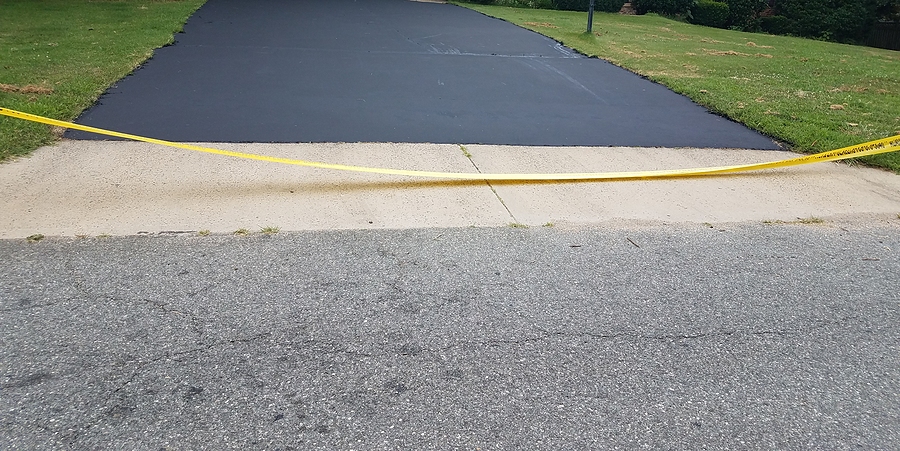
What is the Average Cost of an Asphalt Driveway?
When you look at the national average, installing a new asphalt driveway typically costs between $7 and $15 per square foot. For a standard driveway ranging from 400 to 600 square feet, this translates to a total project cost of roughly $2,800 to $9,000.
If you are just resurfacing an existing driveway—adding a new layer of asphalt over the old one—the cost drops significantly, usually landing between $3 and $7 per square foot.
Breaking Down the Costs
Where does that money actually go? Here is a general breakdown of how your budget might get allocated:
- Materials (50%): The asphalt mixture itself, along with the gravel base.
- Labor (40%): The skilled crew needed to grade, pour, and compact the surface.
- Equipment & Overhead (10%): The heavy machinery (rollers, pavers) and transportation costs.
What Factors Influence the Cost of an Asphalt Driveway?
While the averages give you a ballpark figure, your specific quote will depend on several variables. Understanding these can help you have a more productive conversation with your contractor.
Size and Dimensions
It’s simple math: the more square footage you have, the more materials and labor are required. A single-car driveway (roughly 200–300 sq. ft.) will cost significantly less than a sprawling, winding driveway leading up to a large estate. However, some contractors may offer a slightly lower price per square foot for larger projects due to economies of scale.
Thickness and Quality of Asphalt
A standard residential driveway typically consists of 2 to 3 inches of asphalt over a 6 to 8-inch gravel base. If you own heavy vehicles—like an RV, boat trailer, or large work truck—you may need a thicker layer (4 inches or more) to prevent cracking and sinking. Increasing the thickness adds durability but also increases the material cost.
Site Preparation
This is often the hidden variable that surprises homeowners. If your land is sloped, heavily wooded, or has poor drainage, the crew will need to spend extra time clearing and grading the land before they can pour a single drop of asphalt. Proper grading is non-negotiable; without it, water will pool on your driveway and destroy it within a few years.
Labor Costs
Labor rates vary by region. In areas with a higher cost of living, expect to pay more for the crew. Additionally, if your driveway is difficult to access—for instance, if the truck cannot get close to the pour site and materials must be moved manually—labor hours will increase.
Location and Oil Prices
Asphalt is a petroleum product. When crude oil prices rise, asphalt prices follow. Furthermore, your distance from the asphalt plant matters. Hot mix asphalt needs to remain hot to be workable. If you live far from the supplier, you might pay a premium for transport to ensure the material arrives at the correct temperature.
How Can You Save Money on an Asphalt Driveway?
Investing in a new driveway is a significant expense, but there are strategic ways to keep costs manageable without cutting corners on quality.
Get Multiple Quotes
Never settle for the first estimate you receive. Contact at least three reputable asphalt driveway contractors. This not only gives you a better sense of the fair market rate in your area but also lets you compare warranties and proposed timelines.
Consider DIY for Prep Work
While pouring and rolling asphalt is definitely a job for professionals with heavy machinery, you might be able to handle some of the prep work. Removing simple obstacles, clearing brush, or taking down an old fence yourself can reduce the labor hours the contractor needs to bill for. Always ask your contractor beforehand if this will actually save you money.
Choose the Right Time of Year
Asphalt is best installed in warm, dry weather. Contractors are busiest in the summer, which can drive up prices. If you can schedule your asphalt installation for the “shoulder seasons”—late spring or early fall—you might be able to negotiate a better rate. However, avoid winter; asphalt cannot be properly installed when the ground is frozen.
Are There Additional Costs to Consider?
When budgeting, leave a little wiggle room for these often-overlooked expenses.
Permits and Inspections
Most municipalities require a permit for driveway installation to ensure it meets code requirements for drainage and right-of-way access. In cities like Indianapolis, residential driveway projects typically require a permit. Fees vary but generally range from $50 to $200. Your contractor often handles the paperwork, but the fee is passed on to you.
Removal of Old Driveway
If you aren’t starting from scratch, your old driveway needs to go. Breaking up and hauling away old concrete or asphalt costs between $1 and $3 per square foot. This is labor-intensive work and usually involves disposal fees at the local landfill.
Drainage Systems
If your property is prone to flooding or pooling water, you may need to install additional pavement drainage solutions, such as trench drains, catch basins, or culverts. Ignoring drainage issues now will cost you far more in repairs later.
How to Choose the Right Asphalt Contractor?
The longevity of your driveway depends almost entirely on the quality of the installation.
- Check Reviews and References: Look for contractors with a strong local reputation. Ask for addresses of driveways they installed 3–5 years ago so you can see how their work holds up over time.
- Verify Licenses and Insurance: Ensure the company is licensed to operate in your area and carries liability insurance. This protects you if a worker is injured or your property is damaged during the project.
- Get a Detailed Contract: Your contract should specify the thickness of the base and asphalt (compacted thickness, not loose), the type of asphalt used, warranty details, and a clear payment schedule.
FAQ Section
How long does an asphalt driveway last?
With proper installation and regular maintenance, an asphalt driveway can last 15 to 30 years. Factors like harsh freeze-thaw cycles and heavy vehicle traffic can impact this lifespan.
Is asphalt cheaper than concrete?
Yes, asphalt is generally 30–40% cheaper to install than concrete. However, asphalt requires more maintenance (like sealcoating) over its life, while concrete is largely “set it and forget it.”
How soon can I drive on my new driveway?
You should wait at least 3 to 5 days before driving on new asphalt, although you can usually walk on it after 24 hours. In very hot weather, you may need to wait longer for it to fully cure and harden.
Why is my new driveway scuffing?
It is normal for new asphalt to be slightly soft, especially on hot days. Steering your car while it is stopped (dry steering) can cause scuff marks. These usually fade over time as the asphalt cures and hardens.
Quick Recap:
- Cost: Average $7–$15 per sq. ft. for new installation.
- Lifespan: 15–30 years with maintenance.
- Maintenance: Sealcoat every 2–5 years.
- Savings: Get multiple quotes and consider off-peak installation.
- Hiring: Always verify insurance and check past work references.
Conclusion
A new asphalt driveway is a significant investment in your home’s functionality and value. While the upfront cost might seem high, the durability and ease of repair make asphalt a smart choice for many homeowners, particularly in colder climates where its flexibility helps resist cracking.
By understanding the cost factors—from the price of crude oil to the slope of your yard—you can budget effectively and avoid surprises. Remember, the cheapest quote isn’t always the best deal. A quality installation with a proper gravel base will save you thousands in repairs down the road.
If you are located in Central Indiana and need a trusted partner for your paving project, look no further. Whether you need a brand-new installation or repairs to an existing surface, professional help is just a call away. Contact us today for expert asphalt driveway paving and repair in Indianapolis, Indiana.
Related Post: Paving the Way to Longevity: Mastering Asphalt Driveway Care