
Most pavement problems start small. A crack here, a soft spot there. But when the damage runs deeper than the surface—down into the base and subgrade—patching and resurfacing stop being solutions. Full-depth asphalt replacement becomes the only path forward.
This guide walks through everything commercial property owners need to know before undertaking a full-depth replacement project: from recognizing the warning signs, to understanding the process, to protecting your investment long after the crew packs up.
What Is Full-Depth Asphalt Replacement?
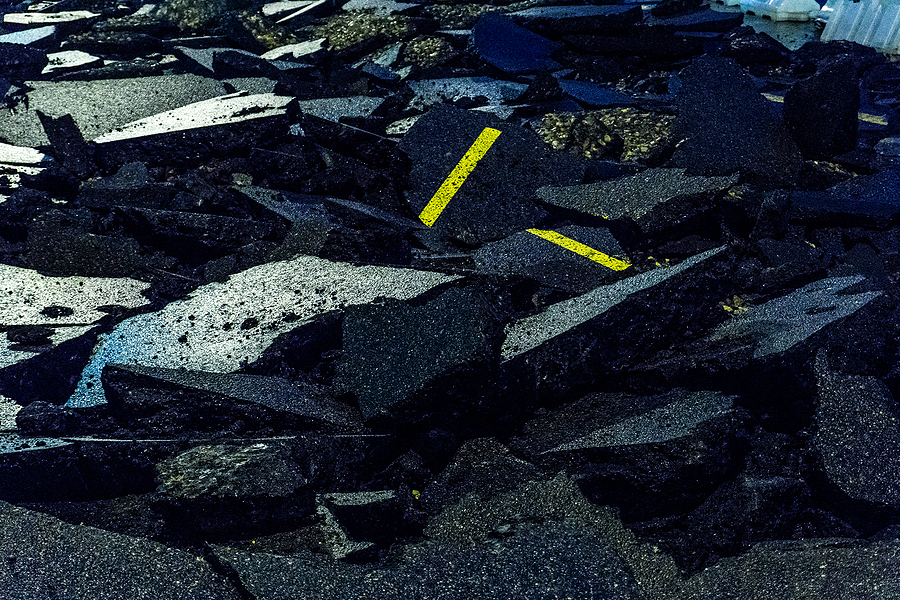
Full-depth asphalt replacement means removing the entire pavement structure—not just the top layer—and rebuilding it from the ground up. Unlike an overlay or mill-and-fill, which address surface-level deterioration, full-depth replacement excavates down to the subgrade. The base material is repaired or replaced, drainage issues are corrected, and fresh asphalt is compacted in structured lifts. The result is a structurally sound pavement built to handle real traffic loads and real weather.
Signs Your Pavement Needs a Total Overhaul
Surface repairs won’t fix a structural problem—and applying them anyway is an expensive way to delay the inevitable. The following signs point to failure that runs deeper than the asphalt itself:
- Alligator (fatigue) cracking with distortion or pumping: Interconnected cracks forming a scaly pattern—particularly when accompanied by surface movement or wet material pushing up through cracks—indicate base or subgrade saturation.
- Deep rutting or channeling: Depressions greater than one inch in high-traffic areas often signal subgrade settlement or base failure, not just surface wear.
- Upheaval and frost boils: When freezing moisture expands in the lower pavement layers or subgrade, sections of pavement lift and buckle. This is especially relevant in Central Indiana, where freeze-thaw cycles put significant stress on pavements that weren’t built—or maintained—with drainage in mind.
- Widespread potholes: Potholes form when water penetrates the surface, saturates the base, and destabilizes the structure beneath. When they’re clustered across a large area rather than isolated, base failure is almost certainly the cause.
- Repeated failures after repairs: If the same sections keep breaking down despite patching, the problem lives below the surface.
The Full-Depth Replacement Process
A properly executed full-depth replacement follows a defined sequence. Cutting corners at any stage—especially drainage and compaction—shortens the pavement’s lifespan significantly.
1. Assessment and planning: A qualified commercial paving contractor evaluates existing distresses, takes core samples, and examines base and subgrade conditions. Drainage deficiencies, utility covers, and grade considerations are identified before work begins.
2. Excavation: All existing asphalt and compromised base material is removed. If subgrade instability is found, the subgrade is reworked or stabilized before any new material is placed.
3. Drainage correction: Poor drainage is one of the leading causes of premature pavement failure. If subsurface water issues are present, underdrains or other drainage solutions are installed at this stage—not after.
4. Base preparation and compaction: Clean, well-graded aggregate base is placed and compacted to provide a stable foundation. This step directly determines how well the finished pavement performs under load.
5. Asphalt placement in lifts: Hot mix asphalt is placed in multiple compacted layers (lifts), not poured all at once. Proper lift thickness and thorough compaction are critical to achieving the structural strength and density the finished pavement needs.
6. Finish rolling and curing: Final rolling smooths and seals the surface. The pavement needs adequate time to cure before it’s opened to heavy traffic.
Key Benefits of Complete Replacement
When a pavement has failed structurally, full-depth replacement isn’t just the better option—it’s the only one that actually solves the problem.
- Structural integrity from the ground up: By repairing the base and subgrade rather than paving over them, the new pavement is built on a foundation that can actually support it.
- Corrected drainage: Replacement gives contractors the opportunity to fix the underlying water management issues that caused the original failure.
- Predictable lifespan: A properly built full-depth pavement, maintained consistently, performs reliably for years—without the repeated repair cycles that patch-over-patch approaches create.
- Improved safety and curb appeal: Smooth, stable pavement reduces liability exposure from trip hazards, uneven surfaces, and standing water, while projecting a well-maintained property to visitors and tenants.
Cost Factors and Budgeting
Full-depth replacement is a larger upfront investment than an overlay. Understanding what drives cost helps you evaluate quotes accurately and avoid surprises.
Key cost factors include:
- Pavement thickness: Parking lots, access roads, and loading dock areas have different structural requirements. Thicker sections require more material and compaction effort.
- Subgrade and base conditions: Saturated or unstable subgrade requires more extensive repair before paving can begin—adding time and material costs.
- Drainage work: Installing or rerouting underdrains adds cost, but skipping this step on a site with known water problems guarantees premature failure.
- Site access and traffic control: Phasing work around active tenants, customers, or traffic requires additional planning and sequencing.
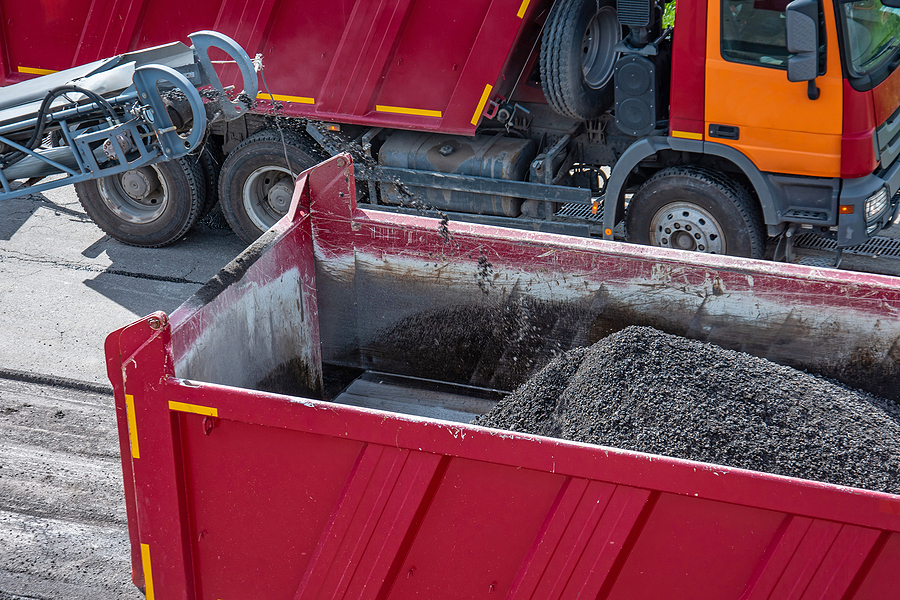
- Haul-off and disposal: Removing excavated material involves trucking and disposal fees that vary by project size and local rates.
The most reliable way to budget is to get a site-specific assessment. Two parking lots with the same square footage can have very different costs depending on what’s underneath them.
Ready to get a clear picture of what your Central Indiana property needs? Contact our Indianapolis office to schedule an asphalt pavement assessment.
Maintaining Your New Asphalt
A new pavement is a significant investment. Protecting it starts immediately after installation.
- Sealcoat on schedule: Sealcoating protects the asphalt binder from oxidation, UV exposure, and chemical penetration. Most contractors recommend the first application within the first one to two years, then on a regular cycle thereafter.
- Fill cracks early: Crack sealing is the most cost-effective maintenance task available. Water that enters through an unsealed crack will reach the base—and the cycle begins again.
- Maintain drainage: Keep catch basins clear and ensure water drains away from the pavement surface, not across or beneath it.
- Manage loads: If your site sees heavy truck traffic, designate routes and loading areas to distribute stress and minimize concentrated rutting.
- Inspect regularly: Walk your pavement at least twice a year and after harsh winters. Early identification of new cracks or soft spots allows for inexpensive repairs before they escalate.
Frequently Asked Questions
How long does full-depth asphalt replacement last?
A properly built and maintained asphalt pavement can deliver many years of reliable service. Lifespan varies based on traffic volume, pavement thickness, drainage quality, and maintenance consistency. Skipping routine sealcoating and crack sealing significantly reduces longevity.
How do I know if I need full-depth replacement or just an overlay?
The key distinction is whether the damage is structural. Surface cracking, minor raveling, and isolated potholes may be addressed with an overlay or patching. Alligator cracking with pumping, widespread rutting, and repeated failures after repair point to structural damage that an overlay cannot fix. A core sample and professional assessment will give you a definitive answer.
What causes asphalt to fail prematurely?
Poor drainage is one of the most common culprits. Water that infiltrates the pavement structure softens the base and subgrade, removing the support the asphalt needs to carry traffic loads. Insufficient base thickness, inadequate compaction during construction, and deferred maintenance all contribute as well.
Can full-depth replacement be done in phases?
Yes. Large commercial properties are frequently phased to keep portions of the lot or access road operational during construction. A good contractor will develop a sequencing plan that balances construction efficiency with minimal disruption to your operations.
What temperatures are required for asphalt paving?
Ambient air temperature requirements vary depending on materials and methods used. FHWA guidelines specify a minimum of 45°F and rising for bituminous products, with no freezing temperatures forecast within seven days of placement. Paving in cold or wet conditions significantly compromises compaction and adhesion.
Quick Recap:
- Resurfacing only works when the base is sound. Structural failures require full-depth solutions.
- Key failure signs include alligator cracking with pumping, deep rutting, frost boils, widespread potholes, and repeated failed repairs.
- The replacement process runs from subgrade assessment and drainage correction through base repair, asphalt placement in lifts, and final compaction.
- Drainage correction is non-negotiable. Water is the primary driver of premature pavement failure.
- Cost is driven by depth, base conditions, drainage needs, traffic control, and disposal—get a site-specific assessment before budgeting.
- Maintenance matters. Sealcoating, crack sealing, and regular inspections protect the investment and extend pavement life.
- Temperature and curing conditions directly affect pavement quality—don’t cut corners on timing.
Make the Right Call for Your Property
Full-depth asphalt replacement done right is a durable, long-term solution. Done without addressing drainage, base conditions, or subgrade stability, it’s a expensive problem deferred—not solved.
If your Central Indiana commercial property is showing the signs of structural pavement failure, don’t wait for conditions to worsen. Contact our Indianapolis office today to schedule a professional assessment and get expert guidance on the right solution for your site.
Related Post: Key Considerations When Opting for Commercial Asphalt Paving