
Driving on an open road feels incredibly freeing, but hitting a deep crater can leave you with a painful reminder of winter’s harsh toll. A pothole isn’t just an unsightly blemish on the pavement; it is a serious hazard that can cause expensive, long-term damage to your vehicle.
Understanding how these road imperfections form and knowing the exact steps to report them is crucial for maintaining safe streets. Every year, central Indiana drivers face the frustrating reality of deteriorating roads. Fortunately, city departments rely heavily on citizen reports to locate and repair these hazards quickly.
By taking a few minutes to submit a request, you actively protect your own vehicle and help keep your community safe. This guide outlines exactly how to report potholes in Indianapolis, Carmel, Fishers, Zionsville, Westfield, and Noblesville, while exploring the repair process and your options for vehicle damage reimbursement.
The Pothole Problem in Indianapolis and Beyond
Central Indiana experiences wild temperature swings, making it prime territory for pavement degradation. Recognizing why this happens helps us understand the immense scale of the problem local public works departments face each spring.
Why Potholes Form: A Look Beneath the Surface
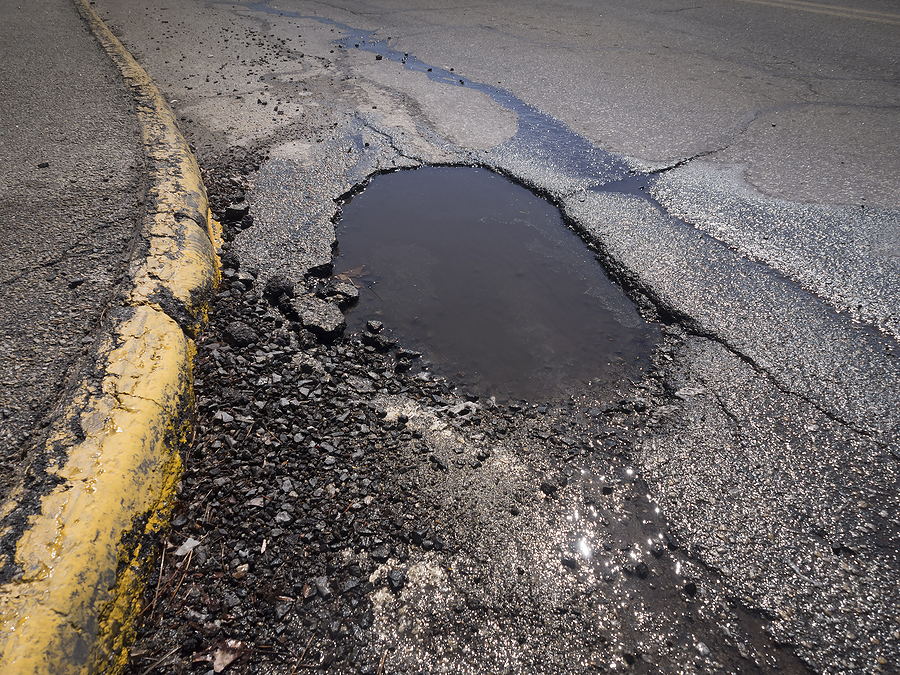
Potholes are born from a relentless freeze-thaw cycle. Moisture from rain or snow seeps into small cracks in the pavement. When temperatures drop below freezing, that trapped water expands into ice, pushing the asphalt upward. As the weather warms and the ice melts, a hollow space is left beneath the road’s surface. Finally, the weight of passing cars collapses the unsupported asphalt, creating a jagged hole.
Impact on Vehicles and Drivers
The sudden jolt of hitting a pothole can cause immediate and severe automotive damage. Common issues include blown tires, bent wheel rims, and broken suspension components. Beyond the immediate shock, the long-term wear and tear can throw off your car’s alignment, leading to uneven tire wear and compromised steering control.
Economic Consequences for Communities
Potholes drain millions of dollars from local economies each year. Drivers bear the brunt of unexpected repair bills, while municipalities must allocate massive budgets for ongoing street maintenance. Delaying these repairs only leads to more extensive deterioration, eventually requiring complete road repaving instead of simple patching.
Your Role: How to Report Potholes Effectively
City crews cannot fix what they do not know about. Local street departments depend on residents to act as their eyes on the road. Here is exactly how to report road hazards across the greater Indianapolis area.
Reporting Potholes in Indianapolis
Indianapolis handles thousands of road repair requests every season. The city has streamlined this process to make citizen reporting as straightforward as possible.
- Citizen’s Request Center
- The primary method for reporting road damage in Marion County is through the Mayor’s Action Center. Residents can use the online RequestIndy portal or call 317-327-4622 during regular business hours. When submitting a request, provide the exact location, including the nearest intersection and the specific lane where the hazard is located.
- Indy Pothole Viewer
- Indianapolis has historically utilized mapping tools to track road repair progress. While specific public-facing tracking maps occasionally undergo updates or go offline, residents can still track the status of their submitted tickets directly through the RequestIndy system. This transparency helps assure drivers that their complaints are officially logged and awaiting maintenance crews.
Reporting Potholes in Surrounding Towns
Neighboring communities have their own dedicated systems for handling street maintenance. If you commute outside of Marion County, keep these resources in mind.
- Carmel:
- Carmel residents can easily report street issues using the MyCarmel app. This dedicated mobile application features a “Citizen Request Tracker” that allows you to upload photos of the damage and drop a precise GPS pin. Alternatively, residents can submit reports directly through the city’s website.
- Fishers:
- Fishers utilizes the Fishers Connect app and an online portal for municipal service requests. If you spot a road defect on a city-maintained street, you can log it through Fishers Connect. For county roads located within Hamilton County borders, reports should be directed to the county highway department.
- Zionsville:
- The Zionsville Department of Public Works evaluates road conditions regularly, but they still rely on driver feedback. Residents can submit concerns through the Town of Zionsville website. The street division categorizes these requests and dispatches crews based on the severity and location of the hazard.
- Westfield:
- Westfield offers a streamlined online portal for service requests. Drivers can visit the city’s website and fill out a specific “Pothole Service” form. You will need to provide the nearest address, the subdivision name if applicable, and contact information so the public works team can follow up if necessary.
- Noblesville:
- Noblesville handles street maintenance reports through an easy-to-use form on their city website. The Street Department asks for specific details, such as whether the crater is near the center line, by the curb, or in the middle of a lane. This precision helps repair crews locate and patch the hole faster.
The Lifecycle of a Pothole Repair
Once you hit submit on your report, a well-orchestrated maintenance process begins.
From Report to Repair: The Process
After a municipality receives a report, an inspector typically visits the site to assess the severity. Hazardous craters on high-traffic roads are prioritized. During the colder months, crews use cold mix asphalt as a temporary fix. Once asphalt plants open in the spring and temperatures rise, workers return to apply a durable hot mix patch that properly seals the roadway.
Challenges in Pothole Management
Public works departments face significant hurdles during peak pothole season. Heavy rain or freezing temperatures prevent hot asphalt from adhering properly to the road. Additionally, the sheer volume of reports following a severe winter storm can create a backlog, requiring crews to work overtime to ensure major thoroughfares remain passable.
Preventing Potholes: Long-Term Solutions
Filling holes is a reactive measure. To truly improve our infrastructure, cities are increasingly looking toward proactive solutions.
Proactive Maintenance Strategies
Routine maintenance extends the lifespan of a roadway significantly. Practices like crack sealing prevent water from penetrating the surface in the first place. Municipalities also grade their roads regularly, allowing them to schedule resurfacing projects before the pavement completely fails.
Innovative Paving Technologies
Engineers are continuously developing better materials to combat the freeze-thaw cycle. Modern asphalt mixes incorporate flexible polymers that expand and contract with temperature changes, reducing the likelihood of cracking. Improved drainage designs also ensure water flows off the street quickly, removing the primary catalyst for road degradation.
Frequently Asked Questions about Potholes
How long does it take for a reported pothole to be repaired?
Repair times vary greatly depending on the weather and the severity of the problem. High-priority hazards on major arteries are often addressed within 48 hours. However, during peak winter months, temporary patching on residential streets may take several days or weeks depending on the backlog of requests.
Can I be reimbursed for vehicle damage caused by a pothole?
Yes, but the process requires thorough documentation. If the damage occurred on a state highway or interstate, you must file a tort claim with the Indiana Department of Transportation (INDOT) within 180 days. For city or county roads, you must file a tort claim directly with that specific municipality. You will need to prove that the government entity knew about the hazard and failed to repair it within a reasonable timeframe.
What’s the difference between a pothole and other road damage?
A pothole is a specific type of failure caused by water expanding under the pavement, resulting in a deep, bowl-shaped hole. Other damage, like rutting or alligator cracking, is typically caused by heavy vehicle traffic fatiguing the asphalt over time.
Are there apps for reporting potholes?
Many municipalities offer dedicated mobile apps. For example, Carmel utilizes the MyCarmel app, and Fishers uses Fishers Connect. Indianapolis residents can use the RequestIndy app or website portal.
A Smoother Ride Ahead
Protecting our vehicles and maintaining safe streets requires a collaborative effort between drivers and city planners. By understanding how the freeze-thaw cycle destroys pavement and taking the time to report hazards to the proper local authorities, you play a vital role in local infrastructure management. Keep your local reporting tools bookmarked, stay vigilant on the road, and help your community pave the way for a safer commute.
If you are a property manager, business owner, or homeowner dealing with extensive pavement damage, professional help is just a click away. Contact our professional team today for expert pothole repair and paving in Indianapolis, Indiana. Request more information today.
Related Post: Parking Lot Pothole Law: Who Pays for Car Damage?