
TL;DR: Pavement milling removes damaged asphalt layers (typically 1–4 inches deep) to prepare for resurfacing, while overlays apply fresh asphalt over existing pavement. Milling corrects drainage issues and eliminates surface defects; overlays offer a faster, budget-friendly fix for minor wear. Choosing the right method depends on your pavement’s condition, budget, and long-term goals.
Key Takeaways:
- Milling removes 1–4 inches of damaged asphalt without disturbing the subbase.
- Overlays add 1.5–3 inches of new asphalt over sound existing pavement.
- Milling before overlay is essential when drainage problems, severe cracking, or elevation mismatches exist.
- Overlay alone works best for surfaces with minor cracks and a stable base.
- Both methods recycle old asphalt, making them environmentally responsible choices.
Table of Contents:
- What Is Asphalt Milling?
- The Asphalt Overlay Process
- Key Differences and Benefits
- When to Choose Milling vs. Overlay
- Frequently Asked Questions
- Quick Recap
- Get a Paving Quote in Indianapolis
What Is Asphalt Milling?
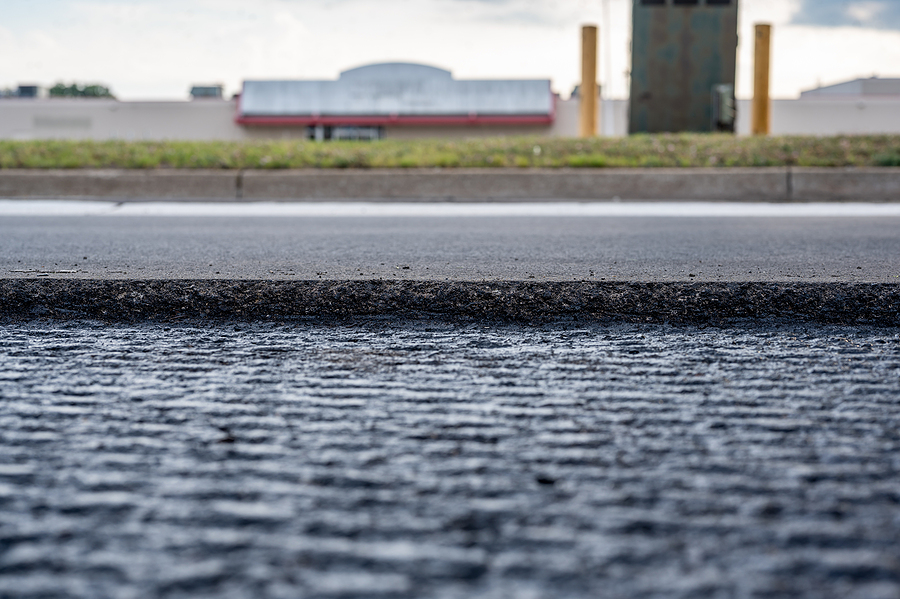
Asphalt milling—also called cold planning or profiling—is the process of removing the top layer of deteriorated asphalt pavement using specialized equipment with rotating cutting drums.
Milling removes only the damaged surface, typically 1 to 4 inches deep, leaving the underlying subbase intact. This selective removal allows contractors to eliminate potholes, alligator cracking, and uneven surfaces without the cost and disruption of full-depth reconstruction. After milling, crews clean the surface and prepare it for a fresh overlay, creating a smooth, properly graded foundation.
One major advantage of milling is its environmental benefit. The removed asphalt—called millings—is hauled to recycling facilities and reused as aggregate in new hot-mix asphalt, making asphalt America’s most recycled product.
The Asphalt Overlay Process
An asphalt overlay, or resurfacing, applies a new layer of asphalt over existing pavement that remains structurally sound.
- Contractors begin by cleaning the surface and filling severe cracks or holes.
- They then apply a tack coat—a sticky bonding agent—to ensure the new layer adheres properly.
- Finally, they pave a fresh asphalt layer, typically 1.5 to 2 inches thick for standard parking lots, though depths up to 3 inches may be used when drainage concerns or weak spots exist.
- After compaction and striping, the lot is ready for traffic within hours.
Overlays are faster and less expensive than milling and overlaying. When the existing pavement and subbase are stable, an overlay alone can extend the life of a parking lot by several years.
Key Differences and Benefits
Understanding the distinctions between milling and overlay helps property managers make informed decisions about pavement maintenance.
Cost and Timeline
Overlays cost less upfront and can be completed in days. Milling and overlay involves more labor and equipment but remains more affordable than full-depth replacement. The added investment often pays off through improved longevity and performance.
Structural Integrity
Milling addresses underlying issues like poor drainage, rutting, and elevation mismatches at curbs or building entrances. Removing damaged layers prevents those defects from telegraphing through the new surface. Overlays, by contrast, work best when the base remains sound—but if structural problems exist beneath, they’ll eventually reappear.
Lifespan and Maintenance
With proper seal coating every two years, a milled and overlaid parking lot can last 10 to 20 years. An overlay alone may provide a shorter lifespan, especially if the underlying pavement continues to deteriorate. Regular maintenance extends both methods’ effectiveness.
Environmental Impact
Both approaches recycle old asphalt. Milling generates millings for reuse in new projects, while full-depth reclamation (a more comprehensive option) pulverizes and stabilizes the entire pavement structure on-site, eliminating hauling costs and landfill waste.
When to Choose Milling vs. Overlay
Selecting the right method depends on your pavement’s current condition and your long-term objectives.
Choose Overlay Alone When:
- The existing asphalt shows only minor linear or alligator cracks
- The subbase remains stable with no drainage issues
- Pavement elevation aligns properly with curbs, sidewalks, and building entrances
- Budget constraints favor a faster, lower-cost solution
Choose Milling and Overlay When:
- Severe cracking, potholes, or rutting compromise surface quality
- Multiple overlay layers have raised pavement elevation, creating trip hazards or drainage problems
- Standing water or poor slope threatens the pavement’s longevity
- You want to correct structural defects and maximize the new surface’s lifespan
Consider Full-Depth Reclamation or Replacement When:
- The subbase has failed, causing widespread instability
- Alligator cracking and potholes indicate deep structural damage
- The pavement has reached the end of its useful life (typically 15+ years with minimal maintenance)
Consulting an experienced paving contractor ensures you receive an accurate assessment and tailored recommendation.
Frequently Asked Questions
How long does the milling and overlay process take?
Project duration depends on the area’s size and damage extent. Modern milling machines work efficiently, and most parking lots can be milled, paved, and ready for traffic within a few days. Larger commercial lots or those requiring extensive repairs may take longer.
What causes asphalt pavement to deteriorate?
Pavement damage stems from temperature extremes, poor drainage, standing water, improper compaction during installation, and heavy traffic loads. Over time, these factors cause cracking, rutting, and surface deterioration.
How much does milling and overlay cost?
Costs vary based on square footage, damage severity, and site-specific conditions. Requesting a free consultation and quote from a qualified paving contractor provides the most accurate estimate for your project.
Can I drive on freshly overlaid asphalt immediately?
Fresh asphalt is typically ready for light traffic within hours after compaction. However, contractors may recommend waiting 24 hours before allowing heavy vehicles or applying striping to ensure optimal curing.
How often should I seal coat my parking lot?
Seal coating every two years protects asphalt from oxidation, water infiltration, and surface wear. Regular seal coating extends pavement life and maintains a professional appearance.
Is milling environmentally friendly?
Yes. Asphalt milling recycles old pavement as aggregate in new hot-mix asphalt, reducing landfill waste and the need for virgin materials. This makes milling a sustainable choice for pavement maintenance.
Quick Recap:
- Milling removes 1–4 inches of damaged asphalt, preparing a smooth foundation for resurfacing.
- Overlays apply 1.5–3 inches of new asphalt over structurally sound pavement.
- Milling before overlay corrects drainage, elevation, and structural issues for long-term performance.
- Overlay alone provides a cost-effective fix when the base remains stable and cracks are minor.
- Both methods recycle asphalt, supporting environmental sustainability.
- Proper maintenance, including seal coating every two years, extends pavement lifespan to 10–20 years.
- Professional assessment ensures you choose the right method for your budget and goals.
Protect Your Investment with Expert Commercial Paving
Your parking lot is often the first impression clients and customers have of your business. Cracks, potholes, and drainage problems don’t just look unprofessional—they threaten safety and property value.
Whether your Indianapolis commercial property needs milling and overlay, resurfacing, or full-depth repair, working with an experienced paving contractor ensures quality results that last. A thorough assessment of your pavement’s condition, combined with the right repair strategy, protects your investment and keeps your exterior welcoming for years to come.
Contact our trusted Indianapolis commercial paving contractors today to schedule a free consultation and quote.
Related Post: The Benefits of Asphalt Milling and Overlays for Road Maintenance