
Leftover concrete might seem harmless sitting in your yard or garage, but getting rid of it the wrong way can lead to real consequences—environmental damage, code violations, and unexpected costs. Whether you’re a homeowner wrapping up a DIY project or a contractor managing demolition debris, knowing how to handle concrete waste properly is essential.
This guide covers everything you need to know: how to dispose of old broken concrete, what to do with unused concrete mix, when to call a professional, and which disposal method makes the most sense for your situation.
Why Proper Concrete Disposal Matters
Concrete is one of the most common construction materials in the world, and it’s also one of the bulkiest waste products to deal with. When it ends up in the wrong place, the problems compound quickly.
Environmental Impact
Improperly dumped concrete can leach harmful chemicals into surrounding soil and nearby water sources, damaging local ecosystems. Beyond the chemical risk, concrete takes up enormous space in landfills—space that could be spared through responsible recycling practices.
Legal and Financial Risks
Illegal dumping of construction waste is a violation in most municipalities, including Indianapolis. Fines can be steep, and the cost of remediation often exceeds what proper disposal would have run in the first place. Checking local regulations before you start is always worth the extra few minutes.
How to Dispose of Old Concrete
Old concrete—whether it’s a broken driveway slab, a demolished patio, or chunks from a foundation—has several disposal pathways depending on its condition and quantity.
Recycle It
Recycling is the most environmentally responsible option. Concrete recycling facilities crush old material into what’s called recycled concrete aggregate (RCA), which gets repurposed for a wide range of construction applications. The material stays useful and less ends up in a landfill.
RCA is used for:
- Road base and subbase layers for driveways and parking lots
- Aggregate in new concrete mixes for sidewalks and curbs
- Erosion control along riverbanks and shorelines
- French drains and stormwater management systems
- Retaining walls, garden pathways, and hardscaping
Contact local recycling centers or waste management facilities in Indianapolis to confirm they accept concrete and whether any fees apply. Some facilities accept it free of charge because they resell the processed material.
Reuse It on Your Property
If the concrete pieces are structurally sound and uncontaminated, you don’t necessarily need to haul them away. Broken chunks can serve as a base layer beneath a new patio or driveway, fill for erosion-prone areas, or edging material in garden beds. It’s a practical way to reduce waste without any hauling costs.
Hire a Professional Removal Contractor
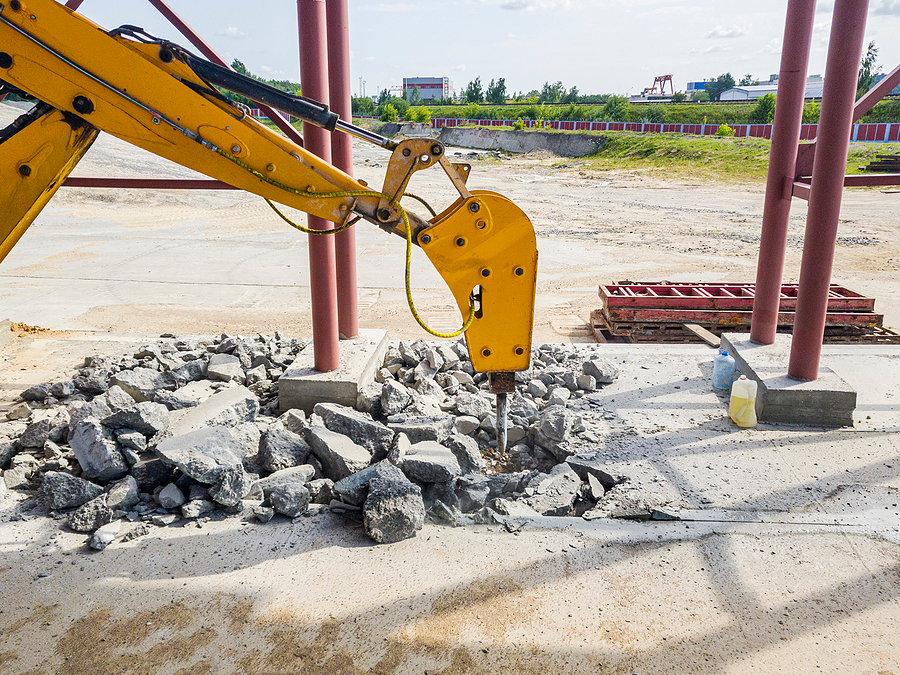
For large volumes, heavy slabs, or concrete with embedded rebar, professional concrete removal is often the safest and most efficient route. Rubble removal contractors bring the equipment needed to break up, load, and transport the material. Many will take it directly to a recycling facility rather than a landfill, which is better for the environment and sometimes less expensive than you’d expect.
Landfill Drop-Off
As a last resort, concrete can be dropped off at a licensed construction and demolition (C&D) landfill. Fees typically range from $35 to $100 or more per ton, depending on the facility and your location. This option is generally less sustainable than concrete recycling, but it’s a legitimate path when other options aren’t available.
How to Dispose of Unused Concrete Mix
Unused concrete mix—either dry bags that have hardened in storage or freshly mixed concrete left over after a pour—requires a different approach.
Let It Harden Before Disposing
Never pour unused liquid concrete down a drain or into a storm sewer. Wet concrete is highly alkaline and can damage pipes, contaminate groundwater, and create serious environmental problems. Instead, allow the remaining mix to harden completely in a contained area, such as a cardboard box, a plastic bucket, or a simple form made from scrap wood.
Once fully cured—typically 24 to 48 hours for small quantities—hardened concrete can be handled the same way as any other concrete debris: recycled, reused, or taken to a disposal facility.
Pour Small Amounts Into Useful Shapes
If you have a small amount of mixed concrete left over, consider pouring it into a useful form. Stepping stones, garden edging blocks, or simple filler pieces can be made from leftover mix. It takes minimal effort and eliminates the disposal problem entirely.
Store Dry Mix Properly for Future Use
Unopened or partially used bags of dry concrete mix can be stored for future projects—provided they haven’t been exposed to moisture. Keep bags sealed in a dry, covered area. Once a bag has absorbed moisture and begun to harden, it’s no longer workable and will need to be disposed of as hardened concrete.
Call a Professional for Large Quantities
If you’re dealing with a large volume of unused mix from a commercial pour or a ready-mix truck, don’t try to manage it on your own. Concrete suppliers and removal professionals have systems in place for handling excess material responsibly. Contact them promptly—wet concrete has a limited working window before it sets permanently.
DIY Disposal vs. Hiring a Professional
Smaller concrete jobs—a single bag of unused mix, a few broken stepping stones—are typically manageable as a DIY disposal project. Load the hardened pieces into a truck or trailer and take them to a local recycling center or C&D facility. The cost is usually just the drop-off fee.
Larger projects tell a different story. Breaking up and loading heavy concrete slabs without the right equipment is physically demanding and potentially dangerous. Renting a jackhammer and a dumpster adds up fast, and if you’re not familiar with local disposal requirements, you could end up paying twice for a redo.
For most homeowners and contractors dealing with significant concrete waste, hiring a professional is the more cost-effective and time-efficient choice when all factors are considered.
Frequently Asked Questions
What can recycled concrete be used for?
Recycled concrete aggregate is used in road construction, drainage systems, landscaping, erosion control, and as a base material for new driveways and foundations. It’s a durable, cost-effective alternative to virgin aggregate materials.
Are there fees for concrete disposal?
Yes, in most cases. Landfill drop-offs for construction debris typically cost between $35 and $100 or more per ton. Some recycling facilities accept concrete for free or at a reduced rate because they process and resell the material. Always call ahead to confirm pricing and policies.
How long does concrete take to harden before it can be disposed of?
Small amounts of mixed concrete typically harden enough to handle within 24 to 48 hours. Larger pours may take longer to fully cure. Once the concrete is solid throughout, it can be broken up and disposed of through standard concrete disposal channels.
Can I donate leftover concrete or concrete materials?
In some cases, yes. Habitat for Humanity ReStore locations and local community groups occasionally accept usable construction materials. Hardened concrete chunks with a clear reuse application—like garden stones or fill material—can sometimes be offered through community platforms like Craigslist or Facebook Marketplace.
The Right Disposal Choice Protects Your Property and the Environment
Old concrete and unused mix don’t have to become a headache. With the right approach—recycling when possible, hardening mix before disposal, and calling in professionals for larger jobs—you can clear your site cleanly and responsibly.
If you’re working on a concrete or asphalt project in Indianapolis and need expert help from start to finish, ACI Asphalt & Concrete has you covered. From pavement repair to full installations, our team handles every step of the job with the experience and equipment it takes to do it right. Request a bid today.
Related Posts:
Sidewalk Replacement Cost: Your Average Price Guide
Should You Replace Moldy Concrete Pavement?
Top 10 Mistakes to Avoid with Ready-Mix Concrete