
Hot mix asphalt is the backbone of pavement construction across Indiana—and for good reason. From the interstates cutting through Indianapolis to the driveways lining suburban neighborhoods in Carmel and Fishers, this material keeps Hoosier infrastructure moving. But not all pavement projects are created equal, and knowing where and when to use hot mix asphalt can make the difference between a surface that lasts two decades and one that fails in two years.
This guide breaks down the best applications for hot mix asphalt in Indiana, why it holds up so well against Midwest conditions, and what to look for when hiring a paving contractor.
What Is Hot Mix Asphalt?
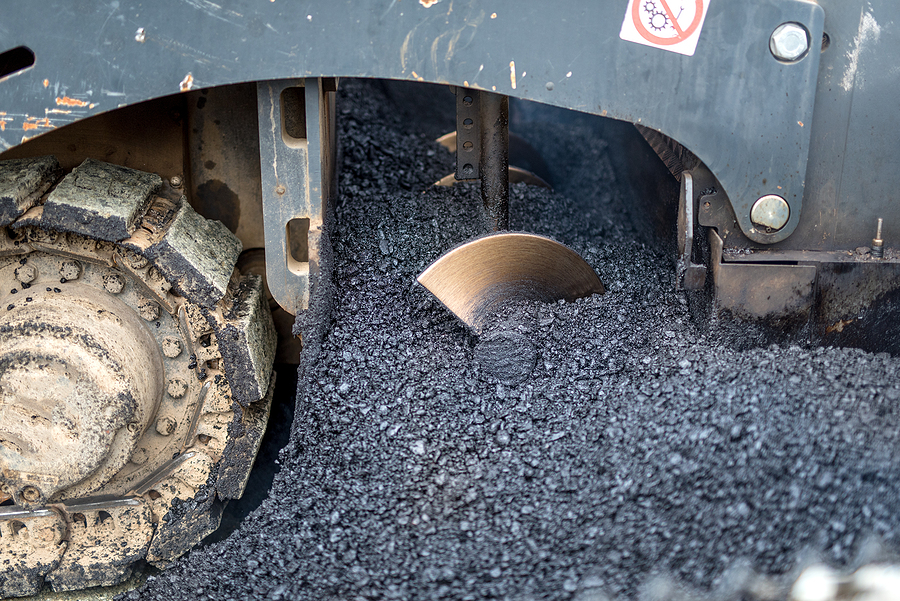
Hot mix asphalt (HMA) is a paving material composed of aggregates—crushed stone, sand, and gravel—bound together with asphalt cement. The components are mixed at temperatures between 300 and 350 degrees Fahrenheit, then transported, laid, and compacted while still hot. Once cooled, the result is a dense, durable surface capable of handling heavy loads and harsh weather conditions.
HMA is the most widely used paving material in the United States—and it’s the standard for most road, parking lot, and driveway applications across Indiana.
Why Hot Mix Asphalt Works Well in Indiana
Durability Against Freeze-Thaw Cycles
Indiana winters are punishing. Temperatures regularly drop below freezing, and the repeated cycle of thawing and refreezing puts enormous stress on pavement. HMA handles this better than rigid materials like concrete because its flexible composition allows it to expand and contract without cracking as readily. Rigid surfaces are more vulnerable to surface scaling and structural damage from freeze-thaw exposure, particularly when combined with de-icing salts—a common sight on Indiana roads each winter.
Long Lifespan
A properly installed asphalt driveway typically lasts 15 to 30 years, with most surfaces averaging around 20 years. Roads and parking lots installed with quality HMA mixes and maintained with sealcoating and crack filling can perform for decades. That kind of longevity makes HMA a sound long-term investment for both property owners and municipalities.
Cost-Effectiveness
Hot mix asphalt generally costs less to install than concrete. It also costs less to maintain—repairs like crack filling, patching, and milling overlays are straightforward and far more affordable than tearing out and replacing a concrete slab. For high-traffic commercial properties, that maintenance flexibility alone can save tens of thousands of dollars over the life of the pavement.
Recyclability
Asphalt is one of America’s most recycled materials. Existing pavement can be reclaimed and reused to produce new roads, with both the aggregate and the asphalt cement binder reactivated and incorporated into fresh HMA mixes. This sustainability factor makes hot mix asphalt an environmentally responsible choice for Indiana paving projects.
Top Applications for Hot Mix Asphalt in Indiana
Road Construction and Repair
HMA is the dominant material for road construction and repair in Indiana, from state highways to local access roads. It’s used for full-depth new construction, resurfacing overlays, and targeted repairs. When a road surface is worn but structurally sound, a milling and overlay approach—removing the damaged upper layer and installing fresh asphalt—restores performance without a full reconstruction.
Indiana’s high-traffic corridors benefit from HMA’s ability to withstand heavy vehicle loads while maintaining a smooth, quiet ride surface. Specialty HMA formulations like stone matrix asphalt, which increases contact between large aggregate particles for better rut resistance, are particularly useful for high-stress roadway applications.
Parking Lots and Commercial Paving
Commercial parking lots take a beating. Daily vehicle traffic, heavy delivery trucks, standing water, and harsh winters all contribute to surface deterioration. Hot mix asphalt handles these demands reliably, making it the material of choice for retail centers, office parks, industrial facilities, restaurants, and apartment communities across Central Indiana.
A well-constructed asphalt parking lot—with proper base preparation, adequate thickness, and drainage grading—can serve a commercial property for years before needing significant maintenance. Combining HMA installation with sealcoating and periodic crack filling extends that lifespan considerably.
Driveways and Residential Paving
For residential property owners, hot mix asphalt offers a cost-effective, durable driveway surface that handles Indiana’s climate well. Asphalt driveways are faster to install than concrete, open to traffic sooner after placement, and easier to repair if damage occurs. They also respond better to freeze-thaw cycles, reducing the likelihood of the deep cracking that plagues concrete driveways during harsh Indiana winters.
With sealcoating applied every few years and minor cracks addressed early, an asphalt driveway can maintain its appearance and structural integrity for 20 years or more.
Sports Courts and Specialty Paving
Hot mix asphalt provides a stable, durable base for outdoor sports courts across Indiana. Basketball courts, pickleball courts, tennis courts, and multi-sport surfaces are commonly built on asphalt bases, with sport-specific surfacing systems applied over the top. Asphalt’s smooth, compactable finish creates an ideal foundation for court surfacing materials, and its durability means the base holds up to years of use with minimal maintenance.
Specialty HMA products expand its range even further. Pervious asphalt, for example, allows water to pass through the surface rather than run off, reducing drainage demands on parking lots and other paved areas. Thin asphalt overlays offer a cost-effective way to renew both asphalt and concrete surfaces in need of resurfacing.
Hot Mix Asphalt vs. Other Paving Materials
HMA vs. Concrete in Indiana’s Climate
Both asphalt and concrete have their place in pavement construction, but Indiana’s climate gives HMA a distinct advantage in many applications. Concrete is rigid—it doesn’t flex with temperature changes. That stiffness makes it more susceptible to cracking under freeze-thaw stress, especially when de-icing salts are involved. Asphalt’s flexibility makes it more forgiving in seasonal conditions.
Concrete does outperform asphalt in very high-load situations, such as heavy industrial areas where forklifts or heavy freight vehicles operate constantly. For most Indiana commercial and residential applications, however, HMA delivers strong performance at a lower cost.
HMA vs. Cold Mix Asphalt
Cold mix asphalt can be applied at lower temperatures, which makes it useful for emergency pothole repairs during winter months when hot mix plants are not operating. But cold mix is not a long-term solution. It is less durable, more prone to cracking and potholes, and unsuitable for high-traffic areas. Hot mix asphalt sets quickly, bonds strongly, and lasts far longer—making it the right choice for any permanent paving project.
Choosing a Hot Mix Asphalt Contractor in Indiana
Experience and Local Knowledge
Indiana’s climate creates real paving challenges. An experienced local contractor understands how freeze-thaw cycles, summer heat, and heavy rainfall affect pavement performance—and they design projects accordingly. Base preparation, drainage grading, and mix selection all need to account for regional conditions.
Quality Materials and Equipment
The quality of the HMA mix and the equipment used to place and compact it both influence long-term performance. Contractors who use quality aggregate sources and modern paving equipment consistently produce better results than those cutting corners on materials or relying on outdated tools.
Clear Communication and Transparency
A trustworthy paving contractor provides a detailed written estimate before work begins, explains your options clearly, and keeps you informed throughout the project. Free estimates, on-site assessments, and a clear scope of work are signs of a contractor who takes the job seriously.
FAQ About Hot Mix Asphalt in Indiana
How long does hot mix asphalt last in Indiana?
With proper installation and maintenance, hot mix asphalt driveways and parking lots typically last 15 to 30 years. Regular sealcoating and crack filling extend the lifespan significantly.
Can hot mix asphalt be installed in cold weather?
HMA requires warm temperatures for proper installation. Cold weather shortens workability time and can affect compaction quality. Cold mix asphalt is used for temporary winter repairs until conditions allow for permanent hot mix work.
Is asphalt or concrete better for Indiana driveways?
Asphalt generally performs better in Indiana’s freeze-thaw climate. It costs less, repairs more easily, and flexes with temperature changes rather than cracking under them. Concrete may be appropriate for certain high-load applications, but most residential and commercial driveways benefit from HMA.
How often should asphalt be sealcoated in Indiana?
Most paving professionals recommend sealcoating every two to three years, depending on traffic levels and surface condition. Sealcoating protects asphalt from water intrusion, UV damage, and chemical spills.
The Right Surface Starts with the Right Contractor
Hot mix asphalt is a proven, versatile, and durable paving material—but its performance depends heavily on proper installation. Choosing a contractor with real experience in Indiana’s conditions, quality materials, and a track record of reliable work is just as important as choosing the right material.
ACI Asphalt & Concrete has served Indianapolis and Central Indiana since 1981, providing commercial and residential paving services that stand up to real-world demands. From new parking lot construction to driveway repairs, sealcoating, crack filling, and more, we bring decades of hands-on Indiana experience to every project. Request an estimate today.
Related Posts:
A Quick Comparison of Warm Mix Asphalt and Hot Mix Asphalt
Top Considerations for New Asphalt Construction and Expansion
Commercial Asphalt Sealing Service: Protect and Prolong Your Asphalt Investment