
If you manage a commercial property, you’ve likely heard the terms “cold planing” and “asphalt milling” used almost interchangeably. That’s because they describe closely related processes—both use heavy machinery to grind away worn asphalt and prepare a surface for repair. But the way each method is applied can make a real difference in your project’s cost, timeline, and results.
Knowing the distinction helps you ask the right questions and choose the right approach for your pavement. In this guide, we’ll break down what cold planing and asphalt milling actually involve, how they compare, and how to decide which one fits your needs.
What Is Asphalt Cold Planing?
Asphalt cold planing is the controlled removal of the top layer of an asphalt surface using a rotating drum fitted with carbide-tipped cutting teeth. The word “cold” refers to the process itself: the asphalt is ground away mechanically, without any heating involved. This preserves the integrity of the layers below and keeps energy use low.
The Equipment and Process
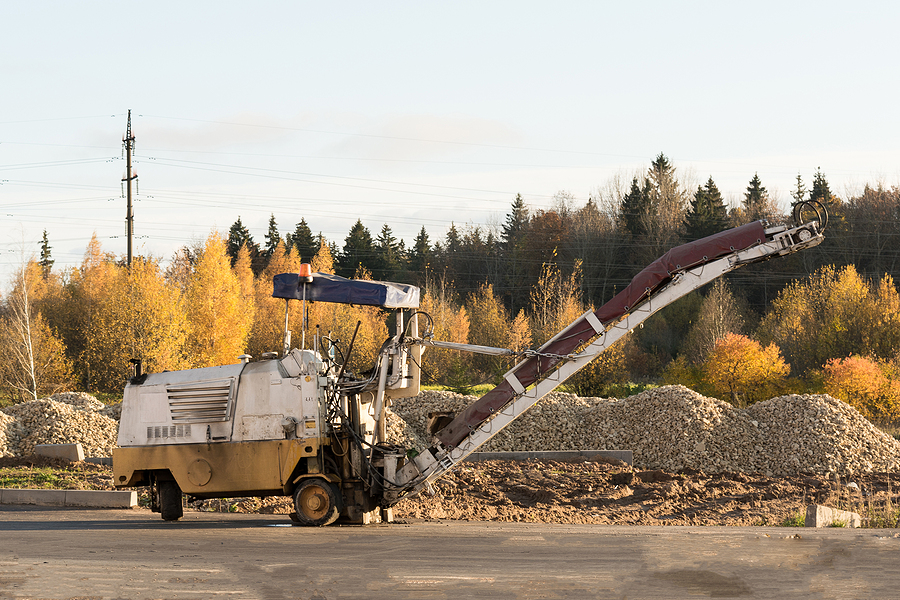
Cold planers use a large rotary drum studded with thousands of cutting teeth. The drum’s depth and speed can be finely adjusted, and modern machines rely on GPS or laser guidance to achieve millimeter-level accuracy. Water is applied to the drum during operation to control heat and dust.
Common Applications
Cold planing shines when precision matters. Typical uses include:
- Preparing a surface for a fresh asphalt overlay
- Correcting surface distresses like rutting, raveling, and shoving
- Adjusting grade to improve drainage
- Maintaining proper curb heights and clearances
Benefits of Cold Planing
Because it removes only a controlled depth—often one to four inches—cold planing is ideal for surface restoration. It creates a textured, clean surface that bonds well with new asphalt, all while leaving the underlying structure intact.
What Is Asphalt Milling?
Asphalt milling uses the same core technology as cold planing: a rotating drum with cutting teeth that grinds up existing pavement. In practice, though, the term “milling” is often applied to deeper or more extensive removal, especially when the goal is to recycle asphalt or address structural problems.
The Equipment and Process
Milling machines range from compact skid-steer attachments to large, self-propelled units with 350 to 400 horsepower engines. Larger machines feed the ground-up asphalt onto a conveyor belt that loads it directly into a dump truck. Depths can reach 12 inches or more for full-depth removal.
Common Applications
Milling is frequently the go-to when material recycling and deeper repair are priorities. Common applications include:
- Full-depth removal down to the base or subgrade
- Recycling old pavement into reclaimed asphalt pavement (RAP)
- Removing severe, deep-set distresses
- Large-scale road and parking lot reconstruction
Benefits of Milling
The ground-up material—RAP—can be combined with new aggregate and binder to create fresh asphalt, which cuts waste and reduces environmental impact. Milling and overlay can also deliver many of the benefits of a full replacement at roughly half the cost, as long as the base is sound.
Key Differences Between Cold Planing and Milling
While the two overlap, a few practical differences stand out.
Equipment and Precision
Cold planing typically leans on precise, laser- or GPS-guided machines for shallow, exact removal. Milling covers a broader range of equipment and depths, from small attachments to heavy-duty machines built for deep cuts.
Cost
Milling costs are usually priced by the square yard or lane mile. According to Michigan Paving & Materials (2025), typical rates run:
- Basic milling (1–2 inches deep): $2.50 to $5.00 per square yard
- Medium-depth milling (2–4 inches): $5.00 to $8.00 per square yard
- Deep milling (4+ inches): $8.00 to $12.00 per square yard
Depth, project size, traffic control, and disposal fees all influence the final price.
Environmental Impact
Both methods avoid heating asphalt, which lowers emissions. Milling stands out for its recycling potential, turning old pavement into reusable RAP.
When to Choose Each
Choose cold planing for surface-level restoration and overlay prep. Choose milling when you need deeper removal, structural correction, or material recycling on a larger scale.
Cold Planing vs. Milling: Quick Comparison
| Feature | Cold Planing | Asphalt Milling |
|---|---|---|
| Typical depth | 1–4 inches | Up to 12+ inches |
| Primary goal | Surface restoration & overlay prep | Recycling & structural repair |
| Precision | Very high (laser/GPS guided) | Varies by machine |
| Best for | Resurfacing projects | Full-depth reclamation |
| Material reuse | Possible | Common (RAP) |
Which Method Is Right for Your Project?
The right choice comes down to the condition of your pavement and your goals. If your surface is structurally sound but worn or uneven, cold planing and an overlay may be all you need. If the damage runs deeper—reaching the base or requiring full reconstruction—milling is likely the better fit.
Factors like project size, budget, timeline, and drainage needs all play a role. Because the terms overlap so much in everyday use, the best step is to have an experienced asphalt cold planning contractor evaluate your site and recommend the right approach.
Frequently Asked Questions
Can cold planing and milling be used together?
Yes. Many projects use milling to remove a damaged layer, then finish with a fresh overlay. The two processes often work hand in hand within a single job.
How much does asphalt milling cost?
Costs typically range from $2.50 to $12.00 per square yard, depending on depth. Deeper cuts, smaller project sizes, and added traffic control tend to raise the price.
Is the material from milling reusable?
Absolutely. Milled asphalt becomes reclaimed asphalt pavement (RAP), which can be recycled into new pavement, road base, or trench backfill.
How long do the results last?
When paired with a quality overlay and a sound base, a milled and resurfaced pavement can last many years. Regular maintenance, like sealcoating and crack filling, extends that lifespan further.
Choose the Right Approach
Cold planing and milling may look similar on the surface, but the details—depth of cut, overall cost, and intended purpose—determine which approach is right for your property. Choosing the correct method isn’t just a technical decision; it’s a practical one that can have a real impact on the longevity of your pavement and the efficiency of your budget. When in doubt, working with an experienced contractor can help you weigh your options and avoid costly mistakes down the road.
Serving Central Indiana since 1981, ACI Asphalt & Concrete brings decades of hands-on experience to every milling and overlay project. Our licensed, bonded, and insured team will walk your site, explain your options, and provide a clear, honest estimate. Call us at 317-549-1833 or reach out online for your estimate.
Related Posts:
Pavement Milling and Overlays: A Complete Guide
The Benefits of Asphalt Milling and Overlays for Road Maintenance
Why Your Asphalt Pavement Might Need a Pitch Adjustment