
A damaged parking lot does more than hurt curb appeal. It creates liability risks, frustrates customers, and signals neglect to anyone who pulls into your lot. When the pavement starts showing its age, property owners face a critical decision: repair with an asphalt overlay or commit to a full replacement.
Both options can restore your parking lot, but they solve different problems. An overlay adds a new layer of asphalt over the existing surface, smoothing out minor imperfections without touching the base. Full replacement removes the old pavement entirely and rebuilds from the ground up, addressing issues that run deeper than the surface.
Choosing the wrong option wastes money and time. An overlay applied to a structurally compromised lot will fail within months. A full replacement on a lot that only needed minor repairs is an unnecessary expense. This guide breaks down the key factors—surface condition, cost, lifespan, and maintenance needs—so you can make the right call for your property.
Signs Your Parking Lot Needs an Overlay
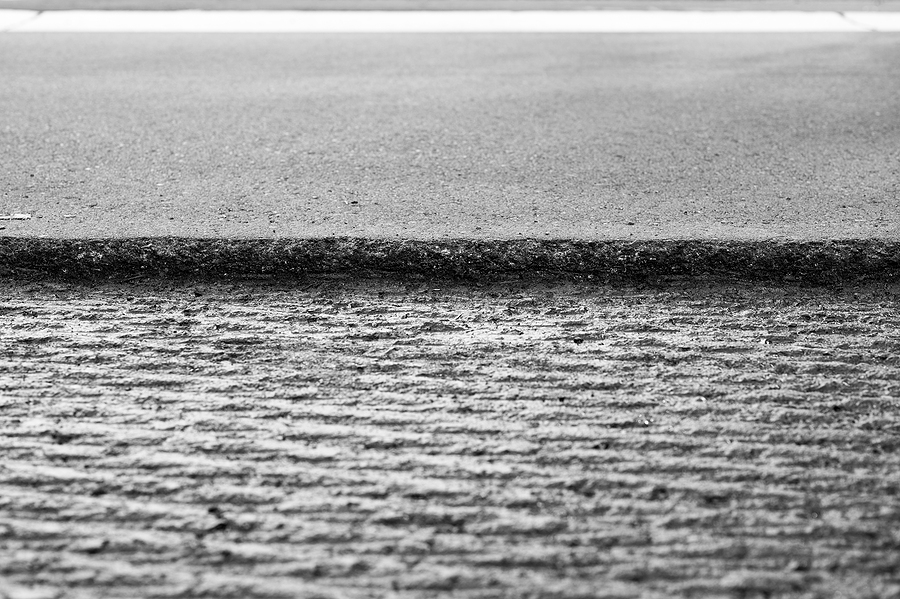
An overlay works best when the damage is cosmetic or superficial, and the foundation underneath remains solid.
Surface Cracks and Minor Damage Patterns
Hairline cracks, small areas of raveling, and surface-level wear are strong candidates for an overlay. These issues typically stay confined to the top layer of asphalt and don’t indicate problems with the base.
Fading and Discoloration Issues
UV exposure and regular traffic cause asphalt to fade from deep black to a dull gray over time. If fading and minor surface wear are your main concerns, an overlay restores both appearance and function.
Cost-Effective Refresh Option
For property owners managing tight budgets, an overlay offers a way to extend the life of a parking lot without the cost of full reconstruction. It’s a practical choice when the underlying structure remains sound and only the surface needs attention.
When Full Replacement Is Necessary
Some damage goes beyond what an overlay can fix. In these cases, full replacement is the only solution that delivers lasting results.
Structural Damage and Base Layer Problems
If water has infiltrated the base layer, or if the subgrade has shifted or eroded, no amount of surface repair will solve the problem. Structural issues require removing the damaged pavement and rebuilding the foundation.
Extensive Cracking and Potholes
Widespread alligator cracking, deep potholes, and large sections of crumbling pavement point to a parking lot that has deteriorated past the point of a simple refresh. These conditions often indicate the base has failed, making an overlay a short-term fix at best.
Failed Previous Overlays
If your parking lot has already had an overlay that failed to hold up, that’s a clear sign the underlying issues were never resolved. Applying another overlay over a failed one typically leads to the same result: premature cracking and deterioration.
Cost Comparison: Overlay vs. Replacement
Budget plays a major role in this decision, but it’s important to weigh upfront cost against long-term value.
Overlay Pricing and Budget Considerations
Asphalt overlays generally cost less than full replacement because they require less material and labor. For property owners looking to manage expenses while improving appearance, an overlay delivers a lower-cost path to a refreshed surface.
Full Replacement Investment and Long-Term Value
Full replacement requires a higher upfront investment, but it resolves underlying problems that would otherwise keep resurfacing. For parking lots with significant structural issues, this investment prevents a cycle of repeated, less effective repairs.
ROI Timeline for Each Option
An overlay can deliver a quicker return by stretching your budget and improving appearance at a lower cost, but it often needs follow-up attention sooner. Full replacement takes longer to pay off upfront but typically provides years of worry-free performance, making it the stronger long-term value when base damage is present.
Lifespan and Durability Differences
Understanding how long each option lasts helps you plan future maintenance and budget accordingly.
How Long Overlays Typically Last
A properly installed overlay on a sound base can last several years, depending on traffic volume and climate conditions. However, because it doesn’t address underlying issues, its lifespan is tied directly to the condition of the base beneath it.
Expected Durability of New Asphalt
A full replacement, when installed correctly, offers a longer service life because it eliminates the hidden problems that cause premature failure. This makes it the more durable option for lots with heavy traffic or a history of structural issues.
Maintenance Requirements for Each
Both options benefit from routine maintenance, like sealcoating and crack sealing, to extend their lifespan. Overlays may require more frequent monitoring since they sit on existing pavement that could still be deteriorating underneath.
How to Assess Your Parking Lot’s Condition
Before deciding between an overlay and replacement, a thorough assessment is essential.
Visual Inspection Checklist
Walk your lot and look for the following:
- Cracking patterns (hairline vs. alligator cracking)
- Potholes or depressions
- Standing water after rain
- Fading or surface wear
- Uneven or sunken sections
Professional Evaluation Recommendations
A visual inspection only tells part of the story. A professional assessment can determine whether damage is isolated to the surface or extends into the base, giving you the information needed to choose the right solution.
Documentation for Insurance and Planning
Keep records of your lot’s condition over time, including photos and inspection reports. This documentation supports insurance claims, budget planning, and conversations with asphalt paving contractors about the scope of work needed.
Common Mistakes to Avoid
Making the wrong call on pavement repair can cost you more in the long run.
Delaying Necessary Repairs
Putting off repairs allows small issues to grow into major structural problems. What starts as a minor crack can become a pothole, and a pothole can signal base failure if left unaddressed.
Choosing the Wrong Solution for Your Situation
Applying an overlay to a structurally damaged lot is a common and costly mistake. It may look better temporarily, but the underlying problems will resurface, often within a year.
Ignoring Professional Advice
Property owners sometimes choose the cheaper option without a full understanding of what’s happening beneath the surface. Professional guidance ensures your investment actually solves the problem instead of masking it.
Frequently Asked Questions
Can an overlay be applied over badly damaged pavement?
No. An overlay should only be applied to pavement with a sound base. Applying it over badly damaged or structurally compromised asphalt leads to rapid failure and wasted investment.
How often does each option need maintenance?
Overlays typically need sealcoating and crack sealing every one to two years to maximize their lifespan. New asphalt from a full replacement generally requires maintenance on a similar schedule but holds up longer overall due to the rebuilt base.
What’s the timeline for installation?
An overlay can usually be completed within a day or two for most commercial lots, minimizing disruption to your business. Full replacement takes longer, often several days to a week, depending on the size of the lot and weather conditions.
Protect Your Investment With the Right Repair
Deciding between an asphalt overlay and full replacement comes down to one question: is the damage surface-level, or has it compromised the base? Surface cracks, fading, and minor wear point to an overlay. Structural damage, extensive cracking, and failed previous repairs call for full replacement.
Getting this decision right protects your property, your budget, and the safety of everyone who uses your parking lot. A professional assessment removes the guesswork and ensures you choose the solution that actually fixes the problem.
Contact ACI Asphalt & Concrete in Indianapolis, Indiana for an expert evaluation of your parking lot. Our team will assess your pavement’s condition and recommend the right path forward, whether that’s an overlay or a full replacement.
Related Posts:
Pavement Milling and Overlays: A Complete Guide
The Benefits of Asphalt Milling and Overlays for Road Maintenance
Understanding Asphalt Damages: Identifying and Overcoming Hidden Threats