
A crack in your driveway is easy to ignore—until it isn’t. What starts as a hairline fracture can widen over time, letting water in, shifting with the freeze-thaw cycle, and eventually turning a simple $50 repair into a $2,000 resurfacing job. The good news? Most concrete driveway damage is highly repairable, especially when you catch it early.
This guide walks you through the most common types of driveway damage, when to DIY and when to call a pro, how to patch cracks yourself, what repairs actually cost, and how to make your driveway last longer.
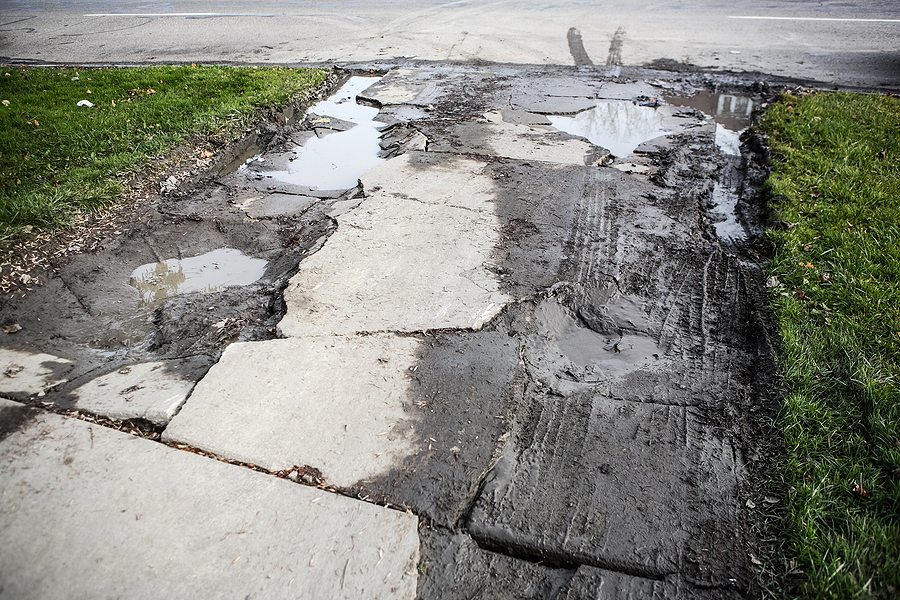
What Are the Most Common Types of Concrete Driveway Damage?
Most driveway damage falls into one of two categories: surface cracks or structural damage.
- Hairline and shrinkage cracks are thin, web-like fractures that often form during the initial curing process. They’re mostly cosmetic but can deepen if left unsealed.
- Settling cracks appear when the ground beneath the slab shifts. These tend to be wider and more jagged than shrinkage cracks.
- Spalling and scaling describe surface flaking or pitting, often caused by freeze-thaw cycles and the overuse of deicing salts.
- Potholes form when water infiltrates a crack, freezes, expands, and breaks away chunks of concrete. Heavy vehicle traffic accelerates the process.
Knowing which type you’re dealing with determines how—and whether—you can fix it yourself.
Should You DIY Concrete Crack Repair or Hire a Pro?
For cracks up to ¼ inch wide, DIY is a reasonable option for most homeowners. Minor surface cracks, small potholes, and routine sealing are all manageable weekend tasks with the right materials.
Call a professional when you’re dealing with:
- Cracks wider than ¼ inch, or those that keep returning
- Sinking or uneven slab sections
- Widespread surface damage covering more than 25–30% of the driveway
- Structural cracking that suggests a shifting sub-base
According to Angi, if more than 25% of your driveway surface is visibly damaged, resurfacing or full replacement is typically the better long-term investment over repeated patching. Contact ACI Asphalt & Concrete for a professional concrete repair quote, today.
How Do You Patch Minor Concrete Cracks Step by Step?
Patching a minor crack is straightforward—but preparation is everything. Here’s how to do it properly, based on guidance from QUIKRETE, as well as our very own professional concrete paving contractors:
- What you’ll need: Chisel, hammer, wire brush, caulk gun, concrete crack sealant or polyurethane sealant, backer rod (for wider cracks), safety glasses, and waterproof gloves.
Step 1 — Widen and prep the crack
Use a chisel and hammer to widen the crack to at least ¼ inch. The edges should be vertical or angled inward in an inverted “V” shape to help the filler bond. Remove all loose debris with a wire brush.
Step 2 — Insert a backer rod (if needed)
For cracks or joints deeper than ¼ inch, press a foam backer rod into the crack before applying sealant. This gives the sealant a solid base, prevents it from sinking too deep, and reduces how much product you need.
Step 3 — Apply your sealant
Load your chosen concrete crack sealant or polyurethane sealant into a caulk gun. Move the nozzle slowly along the crack, filling it fully. Overfill slightly to allow for settling and shrinkage.
Step 4 — Smooth and cure
A concrete repair product can be tooled with a trowel to match the surrounding surface immediately after application. It typically begins to skin over in 20–40 minutes and fully hardens in 1–2 hours. For deeper cracks using a pour-in sealant, wait 24 hours between applications if multiple passes are needed.
Avoid working in freezing temperatures or direct midday sun, as both can interfere with curing.
What Factors Affect the Cost of Concrete Driveway Repair?
Repair costs vary widely depending on the type and extent of damage. Here’s a breakdown of typical price ranges, according to HomeAdvisor and Angi:
| Repair Type | Estimated Cost |
|---|---|
| Filling and sealing minor cracks | $0.50–$3 per linear foot |
| Fixing potholes | $100–$400 each |
| Driveway resurfacing | $3–$5 per sq. ft. |
| Leveling/mudjacking | $3–$25 per sq. ft. |
| Replacing damaged slabs | $6–$14 per sq. ft. |
| Full driveway replacement | $5–$13 per sq. ft. |
The average concrete driveway repair runs between $830 and $2,831, with a national average around $1,804. Minor crack filling can cost as little as $300, while mudjacking a sunken section can reach $5,900.
Most contractors also charge a minimum trip fee of $100–$150, so it’s worth grouping several small repairs into a single visit. Location matters too—labor rates in urban areas and the size and shape of your driveway all affect your final bill.
How Can You Extend the Life of Your Concrete Driveway?
Prevention is significantly cheaper than repair. A few consistent habits can add years to your driveway’s lifespan.
Seal your driveway regularly. Apply a quality concrete sealer every two to three years. Silane or siloxane-based penetrating sealers offer the highest level of protection against freeze-thaw damage and deicing chemicals, according to the Pennsylvania Aggregates and Concrete Association (PACA).
Be careful with deicers. Not all ice-melting products are safe for concrete. Sodium chloride and calcium chloride-based products are generally acceptable for use on good-quality, dense concrete. However, products containing magnesium chloride, ammonium sulfate, or ammonium nitrate cause significantly higher rates of surface deterioration. Never use deicers on concrete less than one year old.
Tackle small cracks immediately. A hairline crack today can become a pothole next spring. Filling concrete cracks early is one of the most cost-effective maintenance habits you can build.
Keep drainage in check. Water pooling on or around your driveway accelerates damage. Ensure your yard and driveway slope direct water away from the slab.
Avoid heavy loads. Repeated stress from heavy vehicles, delivery trucks, or construction equipment can crack even well-poured concrete.
FAQs About Concrete Driveway Repair
How do I know if my driveway needs repair or full replacement?
Repair is usually appropriate for isolated cracks, minor potholes, and surface scaling. Consider replacement if your driveway is over 20 years old, has cracks wider than ¼ inch throughout, shows significant sinking, or has more than 25–30% of its surface visibly damaged.
Can I pour new concrete over my existing driveway?
Yes, in most cases. As long as the existing slab is structurally sound, a contractor can pour a 3–4 inch overlay that bonds to the old concrete. If the base slab is cracked or badly spalling, removal and replacement is typically the smarter option.
How long does a repaired concrete driveway last?
A well-maintained concrete driveway can last 20–25 years. Resurfacing extends the life of an aging slab but tends to last about half as long as a full replacement. Regular sealing and prompt crack repairs have the single biggest impact on longevity.
Are deicing salts really that damaging?
Yes—particularly on newer concrete. PACA recommends avoiding deicers entirely during the first year after a new pour. In subsequent years, use approved products in moderation and always read product labels carefully, as many “safe” deicers contain chemicals that accelerate concrete deterioration.
When is the best time of year to repair a driveway?
Late spring through early fall offers the ideal conditions—mild temperatures and low humidity support proper curing. Avoid repairs when temperatures drop below 50°F or are expected to freeze within 24 hours of application.
Get a Professional Assessment for Your Driveway
Identifying surface cracks early and sealing your driveway on schedule are the two most effective things you can do to protect your investment. When damage goes deeper than the surface, the right repair approach depends on what’s happening beneath the slab—and that’s not always visible to the untrained eye.
If your driveway is showing signs of cracking, sinking, or significant wear, a professional assessment can save you from costly mistakes. Book a concrete driveway repair assessment with our Indianapolis paving team today and get a clear picture of what your driveway actually needs.
Related Post: Concrete Driveways: A Lasting Choice for Your Home