Fixing Pavement Scaling & Corrosion

A smooth, intact pavement surface feels incredibly reliable, but harsh weather and wear can leave you with a stressful reminder of nature’s power—scaling and corrosion. Seeing the top layer of your concrete peel away is a clear signal that your pavement needs attention. If ignored, minor surface damage can quickly escalate into deep structural failures.

Understanding how environmental factors affect your concrete is crucial for maintaining a safe and durable property. Pavement scaling and rebar corrosion drastically reduce the longevity of your infrastructure. Catching these problems in their early stages allows you to intervene before the foundation is irreversibly compromised.

This guide will help you recognize the warning signs of pavement deterioration and explain why timely intervention is so important. You will learn how to identify surface scaling, understand the risks of internal corrosion, and discover the most effective professional repair methods available today.

Call 317-549-1833 For Commercial Concrete Repair in Indianapolis

Identifying Pavement Surface Scaling

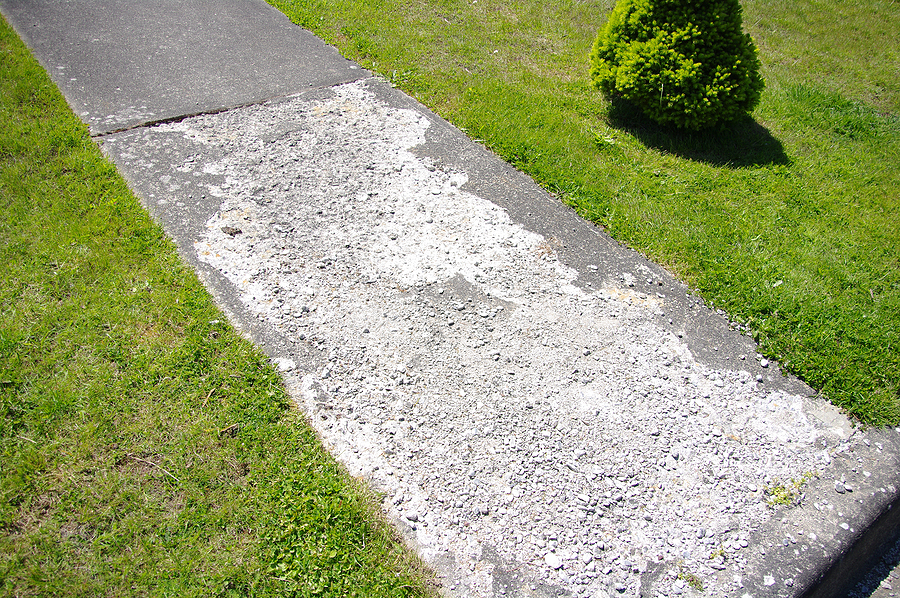
You can identify pavement surface scaling by looking for early signs of flaking, peeling, and chipping on the top layer of the concrete.

When the surface of your pavement begins to break down, it often starts as a minor cosmetic issue. You might notice small patches where the smooth finish has disappeared, leaving rough, exposed aggregate behind. This flaking progressively worsens as environmental stress continues to break down the cement paste that binds the materials together. Catching this early flaking is vital to protecting the deeper layers of your concrete slab.

Common Causes of Scaling in Cold Climates

Cold climates are particularly harsh on concrete surfaces. The most common culprit behind scaling is the freeze-thaw cycle. When water seeps into the microscopic pores of the concrete and freezes, it expands by about nine percent. This expansion creates immense internal pressure. When the ice thaws, it leaves behind larger gaps, allowing even more water to enter during the next freeze.

De-icing salts severely compound this problem. While salt is necessary for safe winter travel, it temporarily lowers the freezing point of water, leading to more frequent freeze-thaw cycles. Additionally, the chemicals in de-icing salts can react with the concrete paste, accelerating the deterioration process and causing the surface to scale much faster.

Understanding Rebar Corrosion Risks

Moisture and salt penetration break down the protective alkaline layer around the steel reinforcement, leading to internal structural damage and compromised stability.

Concrete is naturally alkaline, which usually protects the embedded steel rebar from rusting. However, as scaling and cracking expose the interior, water and chlorides from road salts easily penetrate the slab. Once these elements reach the steel, a chemical reaction occurs that destroys the protective layer. The rebar begins to oxidize and corrode, fundamentally weakening the pavement from the inside out.

Signs of Rust Staining and Concrete Spalling

Internal corrosion leaves visible clues on the surface. Rust staining is one of the most glaring indicators. As the steel reinforcement rusts, it “bleeds” through the concrete, leaving orange, brown, or reddish streaks on the surface.

As the steel rusts, it also expands up to six times its original volume. This massive internal pressure forces the surrounding concrete to crack and break away in large chunks, a process known as spalling. If you see deep craters or exposed, rusted steel on your pavement, the structural integrity is already failing, and immediate professional intervention is required.

Optimal Timing for Concrete Repairs

Addressing these concrete issues early prevents total pavement failure, significantly reducing repair costs and minimizing disruption to your property.

Timing is everything when it comes to infrastructure maintenance. Pavement spends the majority of its life cycle in excellent to fair condition, but once deterioration begins, it accelerates rapidly. Minor scaling can be repaired relatively affordably through resurfacing or sealing.

Delaying repairs allows moisture to reach the rebar, shifting the problem from a surface issue to a structural crisis. Concrete repair is generally much more affordable than full replacement. Early intervention saves property owners thousands of dollars while extending the usable life of the pavement by decades.

Professional Repair Methods for Lasting Results

Effective techniques for restoring pavement include concrete resurfacing, partial depth patching, epoxy injections, and applying corrosion inhibitors. A professional approach guarantees that the root cause of the damage is addressed, rather than just covering up the symptoms.

For widespread surface scaling without structural damage, concrete resurfacing is highly effective. Contractors apply a specialized overlay that bonds with the existing concrete, restoring the smooth finish and providing a new layer of protection against the elements.

When localized distress like popouts or deep spalls occur, partial depth patching is commonly used. This involves removing the deteriorated concrete, cleaning the area, and filling it with a high-strength repair mortar.

If rebar corrosion is detected, the repair process is more complex. Technicians often use epoxy injections to seal deep pavement cracks and prevent further moisture intrusion. They may also apply migrating corrosion inhibitors to the concrete surface. These chemicals travel through the concrete pores to form a protective layer over the steel rebar, halting the oxidation process and stabilizing the structure.

Frequently Asked Questions

How much does concrete resurfacing cost?

The cost of concrete resurfacing typically ranges from $3 to $10 per square foot, depending on the condition of the pavement and the materials used. This is significantly more cost-effective than a complete structural replacement.

Can I fix pavement scaling myself?

While minor surface sealants can be applied by property owners, repairing scaling and spalling requires professional expertise. DIY patches often fail because they do not bond properly or fail to address underlying moisture and salt penetration issues.

How long do professional concrete repairs last?

When performed correctly with high-quality materials and corrosion inhibitors, professional concrete repairs can extend the life of your pavement by 10 to 15 years, provided proper ongoing maintenance is observed.

Protecting Your Pavement Investment

Maintaining healthy pavement requires vigilance and a proactive approach. Understanding the early signs of scaling and rust staining gives you the power to act before minor damage evolves into a structural hazard. By prioritizing early repairs, you protect the safety of your property, enhance its appearance, and avoid the overwhelming costs of a complete pavement replacement.

If you are noticing the warning signs of scaling or spalling, do not wait for the damage to worsen. Contact our expert team for professional pavement repair services in Indianapolis, Indiana. We will assess your concrete, address any underlying corrosion, and restore your surfaces to their optimal condition.

Book an Assessment

Related Post: Smoothing the Surface: A Guide to Repairing Commercial Pavement

Concrete Driveway Repair: What Homeowners Need to Know

A crack in your driveway is easy to ignore—until it isn’t. What starts as a hairline fracture can widen over time, letting water in, shifting with the freeze-thaw cycle, and eventually turning a simple $50 repair into a $2,000 resurfacing job. The good news? Most concrete driveway damage is highly repairable, especially when you catch it early.

This guide walks you through the most common types of driveway damage, when to DIY and when to call a pro, how to patch cracks yourself, what repairs actually cost, and how to make your driveway last longer.

Call 317-549-1833 For Professional Concrete Driveway Repair in Indianapolis Indiana

What Are the Most Common Types of Concrete Driveway Damage?

Most driveway damage falls into one of two categories: surface cracks or structural damage.

  • Hairline and shrinkage cracks are thin, web-like fractures that often form during the initial curing process. They’re mostly cosmetic but can deepen if left unsealed.
  • Settling cracks appear when the ground beneath the slab shifts. These tend to be wider and more jagged than shrinkage cracks.
  • Spalling and scaling describe surface flaking or pitting, often caused by freeze-thaw cycles and the overuse of deicing salts.
  • Potholes form when water infiltrates a crack, freezes, expands, and breaks away chunks of concrete. Heavy vehicle traffic accelerates the process.

Knowing which type you’re dealing with determines how—and whether—you can fix it yourself.

Should You DIY Concrete Crack Repair or Hire a Pro?

For cracks up to ¼ inch wide, DIY is a reasonable option for most homeowners. Minor surface cracks, small potholes, and routine sealing are all manageable weekend tasks with the right materials.

Call a professional when you’re dealing with:

  • Cracks wider than ¼ inch, or those that keep returning
  • Sinking or uneven slab sections
  • Widespread surface damage covering more than 25–30% of the driveway
  • Structural cracking that suggests a shifting sub-base

According to Angi, if more than 25% of your driveway surface is visibly damaged, resurfacing or full replacement is typically the better long-term investment over repeated patching. Contact ACI Asphalt & Concrete for a professional concrete repair quote, today.

How Do You Patch Minor Concrete Cracks Step by Step?

Patching a minor crack is straightforward—but preparation is everything. Here’s how to do it properly, based on guidance from QUIKRETE, as well as our very own professional concrete paving contractors:

  • What you’ll need: Chisel, hammer, wire brush, caulk gun, concrete crack sealant or polyurethane sealant, backer rod (for wider cracks), safety glasses, and waterproof gloves.

Step 1 — Widen and prep the crack

Use a chisel and hammer to widen the crack to at least ¼ inch. The edges should be vertical or angled inward in an inverted “V” shape to help the filler bond. Remove all loose debris with a wire brush.

Step 2 — Insert a backer rod (if needed)

For cracks or joints deeper than ¼ inch, press a foam backer rod into the crack before applying sealant. This gives the sealant a solid base, prevents it from sinking too deep, and reduces how much product you need.

Step 3 — Apply your sealant

Load your chosen concrete crack sealant or polyurethane sealant into a caulk gun. Move the nozzle slowly along the crack, filling it fully. Overfill slightly to allow for settling and shrinkage.

Step 4 — Smooth and cure

A concrete repair product can be tooled with a trowel to match the surrounding surface immediately after application. It typically begins to skin over in 20–40 minutes and fully hardens in 1–2 hours. For deeper cracks using a pour-in sealant, wait 24 hours between applications if multiple passes are needed.

Avoid working in freezing temperatures or direct midday sun, as both can interfere with curing.

What Factors Affect the Cost of Concrete Driveway Repair?

Repair costs vary widely depending on the type and extent of damage. Here’s a breakdown of typical price ranges, according to HomeAdvisor and Angi:

Repair TypeEstimated Cost
Filling and sealing minor cracks$0.50–$3 per linear foot
Fixing potholes$100–$400 each
Driveway resurfacing$3–$5 per sq. ft.
Leveling/mudjacking$3–$25 per sq. ft.
Replacing damaged slabs$6–$14 per sq. ft.
Full driveway replacement$5–$13 per sq. ft.

The average concrete driveway repair runs between $830 and $2,831, with a national average around $1,804. Minor crack filling can cost as little as $300, while mudjacking a sunken section can reach $5,900.

Most contractors also charge a minimum trip fee of $100–$150, so it’s worth grouping several small repairs into a single visit. Location matters too—labor rates in urban areas and the size and shape of your driveway all affect your final bill.

How Can You Extend the Life of Your Concrete Driveway?

Prevention is significantly cheaper than repair. A few consistent habits can add years to your driveway’s lifespan.

Seal your driveway regularly. Apply a quality concrete sealer every two to three years. Silane or siloxane-based penetrating sealers offer the highest level of protection against freeze-thaw damage and deicing chemicals, according to the Pennsylvania Aggregates and Concrete Association (PACA).

Be careful with deicers. Not all ice-melting products are safe for concrete. Sodium chloride and calcium chloride-based products are generally acceptable for use on good-quality, dense concrete. However, products containing magnesium chloride, ammonium sulfate, or ammonium nitrate cause significantly higher rates of surface deterioration. Never use deicers on concrete less than one year old.

Tackle small cracks immediately. A hairline crack today can become a pothole next spring. Filling concrete cracks early is one of the most cost-effective maintenance habits you can build.

Keep drainage in check. Water pooling on or around your driveway accelerates damage. Ensure your yard and driveway slope direct water away from the slab.

Avoid heavy loads. Repeated stress from heavy vehicles, delivery trucks, or construction equipment can crack even well-poured concrete.

FAQs About Concrete Driveway Repair

How do I know if my driveway needs repair or full replacement?

Repair is usually appropriate for isolated cracks, minor potholes, and surface scaling. Consider replacement if your driveway is over 20 years old, has cracks wider than ¼ inch throughout, shows significant sinking, or has more than 25–30% of its surface visibly damaged.

Can I pour new concrete over my existing driveway?

Yes, in most cases. As long as the existing slab is structurally sound, a contractor can pour a 3–4 inch overlay that bonds to the old concrete. If the base slab is cracked or badly spalling, removal and replacement is typically the smarter option.

How long does a repaired concrete driveway last?

A well-maintained concrete driveway can last 20–25 years. Resurfacing extends the life of an aging slab but tends to last about half as long as a full replacement. Regular sealing and prompt crack repairs have the single biggest impact on longevity.

Are deicing salts really that damaging?

Yes—particularly on newer concrete. PACA recommends avoiding deicers entirely during the first year after a new pour. In subsequent years, use approved products in moderation and always read product labels carefully, as many “safe” deicers contain chemicals that accelerate concrete deterioration.

When is the best time of year to repair a driveway?

Late spring through early fall offers the ideal conditions—mild temperatures and low humidity support proper curing. Avoid repairs when temperatures drop below 50°F or are expected to freeze within 24 hours of application.

Get a Professional Assessment for Your Driveway

Identifying surface cracks early and sealing your driveway on schedule are the two most effective things you can do to protect your investment. When damage goes deeper than the surface, the right repair approach depends on what’s happening beneath the slab—and that’s not always visible to the untrained eye.

If your driveway is showing signs of cracking, sinking, or significant wear, a professional assessment can save you from costly mistakes. Book a concrete driveway repair assessment with our Indianapolis paving team today and get a clear picture of what your driveway actually needs.

Book an Estimate Now

Related Post: Concrete Driveways: A Lasting Choice for Your Home

Expert Concrete Repair for Commercial Properties: Durable and Cost-Effective Solutions

Concrete pavements are the foundation of commercial properties, ensuring safety, functionality, and curb appeal. However, over time, wear and tear can lead to damage. Ignoring these damages can result in costly repairs, potential liabilities, and unhappy customers or tenants. With proper maintenance and timely repairs, you can extend the lifespan of your pavement while enhancing your property’s value and safety.

This guide explores the essentials of concrete repair for commercial properties, from identifying damage types to choosing repair methods, preventative maintenance, and complying with regulations. Whether you’re a property owner or manager, this comprehensive guide will help you make informed decisions and keep your pavements in excellent condition.

Call 317-549-1833 For Commercial Concrete Repair in Indianapolis Indiana

Identifying Common Types of Concrete Damage

Before jumping into repairs, it’s important to first identify the type and severity of damage. Here are some common issues:

Cracks

Cracks are the most common type of damage and occur due to weather fluctuations, heavy loads, or poor installation. Left unaddressed, they can worsen over time.

Potholes

These are large depressions caused by water infiltration and repeated traffic. Potholes can damage vehicles and create safety hazards.

Uneven Surfaces

Often caused by shifting soil or improper installation, uneven surfaces pose trip-and-fall risks for pedestrians.

Spalling

This refers to the surface of the concrete breaking away, creating a rough and unattractive appearance that can lead to further deterioration.

By regularly inspecting your pavements, you can identify these issues early and take prompt action.

Step-by-Step Guide to Repairing Concrete Pavement

Understanding the right surface repair methods can save both time and money. Below are proven techniques for commercial pavement repair:

  1. Patching – Patching is ideal for repairing small cracks and potholes. It involves filling the damaged areas with concrete or asphalt mix to restore surface integrity.
  2. Overlays – For extensive surface damage, overlays involve adding a new layer of concrete over the existing pavement.
  3. Crack Sealing – Sealing cracks with a specialized sealant prevents water from seeping in, which can lead to further damage.
  4. Joint Repair – Expansion joints in concrete can deteriorate over time. Repairing or replacing these joints helps prevent cracking and ensures structural stability.
  5. Grinding – Grinding down uneven surfaces creates a smoother finish and addresses minor height differences that cause trip hazards.

Each method has its benefits and costs, so it’s crucial to match the repair technique to the specific issue and condition of your pavement.

Pro Tip: Obtain multiple quotes from contractors to ensure competitive pricing and quality service.

Check Out Our Concrete Paving Services

Preventative Maintenance Extending the Life of Your Pavement

Preventative maintenance is key to avoiding costly repairs down the road. Here’s how to keep your pavements in top shape:

  • Regular Inspections – Conduct routine checks to catch cracks or damage early before they worsen.
  • Sealants – Apply sealants to protect against water infiltration and chemical spills.
  • Proper Drainage – Ensure water drains away from pavement to prevent erosion and water damage.
  • Routine Cleaning – Remove debris, grime, and chemicals that can harm the concrete.
  • Limit Heavy Loads – Avoid unnecessary stress on the pavement by controlling heavy vehicle traffic.
  • Seasonal maintenance, especially before winter, can be particularly effective in safeguarding your pavements from harsh weather-related wear and tear.

Bonus Tip: Educate tenants and visitors on proper pavement usage—for example, avoid parking in unauthorized areas with heavy vehicles.

Regulatory Compliance ADA Compliancy and Building Codes

For commercial properties, complying with local regulations isn’t just a legal obligation but also an essential component of maintaining a safe and accessible property.

ADA Compliance

The Americans with Disabilities Act (ADA) requires commercial properties to have accessible routes for individuals with disabilities. This includes smooth, crack-free pavements and clearly marked handicap parking spots.

Safety Standards

Local building codes often outline materials and construction practices to ensure safety for pedestrians and vehicles.

Environmental Regulations

Some regions mandate proper disposal of construction waste to minimize environmental impact.

Before beginning any repair work, check with your local municipality to obtain the necessary permits and ensure compliance with all relevant standards.

Pro Tip: Partner with contractors experienced in ADA compliance to avoid costly fines or legal issues.

Sustainable Pavements Supporting the Environment

Given the growing focus on sustainability in commercial properties, and today is World Environment Day, there’s no better time to talk about eco-friendly pavement repair options. From recycled materials to energy-efficient practices, there are several ways to align your repair efforts with green initiatives:

  • Use Recycled Materials – Opt for recycled concrete or asphalt whenever possible.
  • Minimize Waste – Ensure that leftover materials are properly reused or disposed of.
  • Eco-Friendly Sealants – Choose sealants formulated with low environmental impact.
  • Local Materials – Sourcing materials locally reduces the carbon footprint associated with transport.

By integrating sustainable practices, not only do you contribute to the environment, but it also positions your property as forward-thinking and socially responsible.

Conclusion

Concrete pavement repair might not be the most glamorous aspect of property management, but its importance can’t be overstated. Timely repairs and proactive maintenance keep your property safe, aesthetically pleasing, and compliant with regulations.

From dealing with cracks and potholes to applying eco-friendly solutions, there are plenty of ways to maintain your pavements without breaking your budget. By following these best practices, you’ll not only extend the lifespan of your pavements but also save money in the long run.

Questions or concerns about your pavement issues? Contact ACI Asphalt and Concrete today for a consultation. Our experts will help you find the most cost-effective and compliant solutions to keep your property in peak condition.

Get a Concrete Repair Quote Now

Related Post: Commercial Concrete Repair: Preserving and Protecting Your Investment

Building a Greener Future with Recycled Concrete Aggregates

Concrete is the backbone of modern construction, but its environmental footprint is significant. Enter recycled concrete aggregates (RCA)—a sustainable alternative that promises to shift the paradigm. But what exactly is RCA, and how can it help us build a greener future? In this blog post, we’ll explore the world of recycled concrete aggregates. We’ll uncover their environmental benefits, practical applications, and the challenges they present.

Whether you’re an environmental enthusiast, a construction professional, or a property owner, this piece will guide you through the ins and outs of RCA. Join us as we explore how RCA can revolutionize construction practices, helping us tread more lightly on our planet.

Call 317-549-1833 For Recycled Concrete Paving in Indianapolis Indiana

The Environmental Benefits of Recycled Concrete Aggregates

The construction industry is a major contributor to environmental degradation, primarily due to the extraction and use of natural resources. RCA offers a sustainable solution by turning construction waste into valuable building material, thus reducing the need for virgin aggregates.

Reducing Landfill Waste

Construction and demolition activities generate substantial waste, often ending up in landfills. By recycling concrete, we can significantly reduce this waste, extending the lifespan of existing landfill sites. This not only conserves natural resources but also reduces the environmental impact of construction waste disposal.

Lowering Carbon Footprint

The production of traditional concrete aggregates involves intensive energy use and significant carbon emissions. Using RCA reduces the demand for new aggregates, leading to lower energy consumption and emissions. This shift contributes to a smaller carbon footprint for construction projects.

Conserving Natural Resources

RCA helps conserve natural resources by substituting traditional aggregates with recycled materials. This conservation reduces the need for quarrying and mining, activities that often lead to habitat destruction and biodiversity loss. By opting for RCA, we support Eco-friendly practices that benefit both nature and communities.

RCA in Construction

Recycled concrete aggregates have proven their merit in various construction applications. Understanding their use and best practices can enhance their effectiveness and acceptance in the industry.

Applications in Construction

RCA is versatile and can be used in a wide range of construction projects, from roads and bridges to buildings and landscaping. It serves well as a base material for pavements, sub-bases, and even as a component in new concrete mixes, providing the necessary strength and durability.

Quality Control and Standards

To ensure the quality and safety of RCA in construction, adherence to industry standards is crucial. Testing for contaminants, particle size distribution, and mechanical properties should be part of the quality control process. These measures guarantee that RCA meets the required specifications for different applications.

Best Practices for Incorporation

Integrating RCA into construction projects requires strategic planning. Selecting the right mix design, understanding the material properties, and ensuring proper handling are key components of successful RCA utilization. By following these practices, construction professionals can maximize the benefits of RCA while maintaining structural integrity.

Incorporating RCA in Residential and Commercial Projects

Both residential and commercial sectors can reap the benefits of RCA. Here’s how to effectively incorporate this Eco-friendly material into various projects.

Residential Applications

In residential settings, RCA is ideal for driveways, pathways, and garden features. Its use can enhance the aesthetic appeal of landscapes while promoting sustainability. Homeowners can enjoy cost-effective solutions without compromising on quality or design.

Commercial and Infrastructure Projects

For larger-scale commercial projects, RCA offers durability and resilience. It can be used in constructing roads, parking lots, and industrial floors. The cost savings and environmental benefits make RCA an attractive option for developers and contractors aiming for sustainable construction practices.

Collaborating with Professionals

Engaging with professionals who specialize in RCA can ensure successful project outcomes. Their expertise can guide the selection, sourcing, and application of RCA, making the transition to sustainable practices seamless and efficient.

Challenges and Solutions in Using RCA

Despite the advantages of RCA, there are challenges that must be addressed to optimize its use in construction.

Addressing Quality Concerns

One common concern with RCA is the variability in quality due to the presence of impurities. Implementing rigorous quality assurance processes can mitigate these issues, ensuring that only high-quality RCA is used in projects.

Managing Market Perceptions

The acceptance of RCA can be hindered by misconceptions about its reliability. Raising awareness and educating stakeholders about the benefits and performance of RCA can help shift perceptions and increase its adoption in the industry.

Enhancing Supply Chain and Logistics

Efficient logistics and supply chain management are essential for the widespread use of RCA. Developing networks for collection, processing, and distribution can streamline operations, making RCA more accessible to construction projects across regions.

Future Trends and Innovations in RCA Technology

The future of RCA technology is promising, with innovations driving its evolution and expanding its applications.

Advancements in Processing Techniques

Innovative processing techniques are improving the quality and consistency of RCA. Advances in crushing and screening technologies are enabling the production of higher-grade recycled aggregates, suitable for a wider range of applications.

Integration with Circular Economy Principles

RCA is aligned with circular economy principles, promoting the reuse and recycling of materials. Future trends focus on creating closed-loop systems where construction waste is continuously repurposed, minimizing the need for new resources.

Technological Integration for Enhanced Performance

Emerging technologies such as AI and machine learning are being integrated into RCA processing and application. These technologies can optimize material mixtures, predict performance, and enhance the overall efficiency of RCA use.

Conclusion

Recycled concrete aggregates are pivotal in steering the construction industry toward sustainability. By reducing waste, conserving natural resources, and lowering emissions, RCA supports environmentally responsible building practices. For environmental enthusiasts, construction professionals, and property owners alike, RCA represents an opportunity to make impactful contributions to sustainable development.

By embracing RCA, we can collectively pave the way for a greener future in construction. Are you ready to explore the potential of RCA in your next project? Consulting with a professional concrete paving contractor can provide valuable insights and guidance tailored to your construction needs.

Take the next step in sustainable construction by seeking expert advice. Contact ACI Asphalt and Concrete at 317-549-1833 for licensed, bonded, and insured commercial concrete paving and repair in Indianapolis, Indiana. We can provide personalized advice and services tailored to your specific commercial paving needs. Together, we can build structures that stand the test of time while caring for our planet.

Related Posts:

Sustainability in Commercial Concrete: The Future is Green
Building Green: Why Ready Mix Concrete is the Sustainable Choice
Is Concrete Energy Efficient?

Laying It Down: A Comprehensive Guide to Ready Mix Concrete Applications

In the world of construction, concrete is the backbone of modern infrastructures, and ready mix concrete (RMC) is quickly becoming the go-to choice for contractors, DIY enthusiasts, and construction companies alike. But what makes ready mix concrete such a crucial component in today’s building projects?

This guide outlines the various types of ready mix concrete, factors to consider before ordering, and best practices for delivery, pouring, curing, and maintenance. By the end of this post, you’ll be armed with the knowledge to confidently utilize ready mix concrete in your upcoming projects.

Call 317-549-1833 For Ready Mix Concrete Delivery in Indianapolis Indiana

Discovering the Diversity of Ready Mix Concrete

Ready mix concrete (RMC) is a blend of cement, water, and aggregates, mixed at a batching plant and delivered in a ready-to-use form. This convenience helps streamline construction processes, saving both time and labor costs. Yet, RMC isn’t a one-size-fits-all solution. There are multiple types tailored for different applications, each offering unique advantages. Understanding these variations can greatly enhance the quality and efficiency of your construction projects.

  • Standard Ready Mix Concrete: The most common type, ideal for pathways, driveways, and general construction work. It offers a balanced strength and workability, making it suitable for a wide range of applications.
  • High-Strength Concrete: Engineered for projects requiring exceptional durability, such as bridges and high-rise buildings. Its superior load-bearing capacity makes it a favorite for structural applications needing enhanced strength.
  • Self-Compacting Concrete: Known for its ability to flow easily into complex forms without the need for vibration, this type is perfect for intricate architectural designs or areas with tight reinforcement. It reduces labor costs and ensures a smooth finish.

Each type serves a specific purpose and provides distinct benefits, allowing for flexibility and precision in construction projects. By selecting the appropriate type, you can ensure optimal performance and longevity of your structures.

Key Considerations Before Placing Your Order

Before placing an order for ready mix concrete, several important considerations need to be addressed to ensure a seamless construction process. One of the first steps is to accurately calculate the amount of concrete required for your project. Wrongly estimating quantities can lead to delays and increased costs. Use reliable tools or consult professionals to determine the precise amount needed.

Selecting the right mix for your job is another crucial aspect. Consider the specific requirements of your project, including load-bearing capacity, exposure conditions, and any special performance characteristics. Consult with your supplier to choose the mix that best aligns with your needs and optimizes the efficiency of your construction efforts.

Additionally, you should think about the logistics of your project site. Access for the delivery trucks, placement of the concrete, and any potential obstacles should be evaluated well in advance. This ensures that when your ready mix concrete arrives, everything is in place for a smooth and efficient pour, minimizing downtime and maximizing productivity.

Navigating the Ordering Process with Ease

Ordering ready mix concrete might seem intimidating, but by following a clear process, you can ensure a successful outcome. Begin by researching reputable suppliers in your area known for quality and reliability. Once you’ve identified a suitable supplier, communicate your project’s needs clearly, specifying the type, quantity, and any other requirements.

Accurate scheduling is paramount in the ordering process. Timing is everything, as ready mix concrete has a limited workability window. Coordinate with your supplier to schedule deliveries at times that align with your project’s timeline, ensuring minimal disruption and efficient use of resources.

Clear communication and planning are keys to a smooth ordering process. By preparing ahead and maintaining an open line of dialogue with your supplier, you can avoid common pitfalls and ensure your project proceeds without unnecessary hitches.

Mastering Delivery and Pouring Techniques

Efficient delivery and pouring of ready mix concrete are crucial for the success of your construction project. Begin by coordinating with your supplier to ensure timely delivery. Clear any obstacles that might impede the delivery truck’s access to the pouring site, and have personnel ready to assist with the unloading process.

On-site, it’s essential to have the necessary tools and personnel prepared for efficient pouring. This includes having the forms set up correctly and ensuring all safety protocols are in place. Promptly address any issues that may arise during the pour to prevent delays or compromises in quality.

Safety is paramount during the pouring process. Ensure all workers are wearing appropriate protective gear and are aware of proper handling techniques. By adhering to best practices and maintaining vigilance, you can safeguard both your workers and the integrity of your construction project.

Ensuring Longevity with Proper Curing and Maintenance

The importance of proper curing and maintenance cannot be overstated when it comes to ready mix concrete. Curing involves ensuring proper moisture, temperature, and time so that concrete reaches its intended strength and durability. Begin curing as soon as the concrete sets, and continue for at least seven days for maximum effectiveness.

After curing, regular maintenance is essential to protect your concrete structures from environmental wear and tear. This includes sealing the concrete to prevent moisture infiltration, which can lead to cracking and deterioration over time. Periodic inspections and repairs can extend the lifespan of your concrete and maintain its aesthetic appeal. By prioritizing curing and maintenance, you not only enhance the performance of your concrete but also ensure your investment remains sound and resilient for years to come.

Wrapping Up

Incorporating ready mix concrete into your projects can greatly enhance both efficiency and quality. By understanding the types of RMC available, carefully planning your order, and adhering to best practices for delivery, pouring, and maintenance, you can achieve outstanding results.

Whether you’re a contractor, a DIY enthusiast, or part of a construction company, ready mix concrete offers a reliable solution for a wide range of applications. Armed with the insights from this guide, you can confidently tackle your next project.

Ready to take the next step? Reach out to a professional concrete supplier today and explore how ready mix concrete can transform your construction endeavors. The future of building is here—lay it down with precision and watch your ideas come to life.

Are you looking for a trusted supplier for all batch sizes of RMC in the Indy area? Contact ACI Asphalt and Concrete at 317-549-1833 to get in touch with our licensed commercial concrete ready mix installers in Indianapolis, Indiana. We specialize in custom order small load RMC delivery! Let’s build something extraordinary together!

Related Posts:

Setting the Standard: Exploring the Sustainability of Ready Mix Concrete
Revolutionize Your Projects with Ready Mix Concrete: Tips and Tricks
Mastering Ready Mix Concrete: A Complete Buyer’s Guide

Cement vs Concrete: What’s Really the Difference?

Most of us have come across the terms “cement” and “concrete” at some point. These materials are often used interchangeably, but they are not the same. Understanding the difference between cement and concrete is vital for anyone interested in construction or even simple home improvement projects.

Cement and concrete have been the backbone of the construction industry for centuries, playing crucial roles in building everything from bridges to skyscrapers. This blog post will explore these materials in detail, discuss their differences, and explain why knowing these distinctions is essential for anyone involved in construction.

Call 317-549-1833 For Commercial Concrete Services in Indianapolis

What is Cement?

Cement is a fine, powdery substance made by grinding raw materials like limestone, clay, and shale. The manufacturing process involves heating these elements to high temperatures in a kiln, resulting in clinkers that are then ground up to form cement. There are various types of cement, including Portland cement, which is the most common. Other types include hydraulic cement and rapid-hardening cement. Each type serves different purposes in construction, whether it’s for quick-setting needs or long-lasting durability. Cement primarily acts as a binding agent, meaning its primary function is to hold together other materials like sand and gravel.

Manufacturing Process of Cement

The manufacturing process of cement is complex but fascinating. First, the raw materials are extracted from quarries and then crushed into a fine powder. This powder is mixed and heated in a kiln at temperatures reaching up to 1450°C. The result is a substance called clinker, which is then cooled and ground to produce cement. Additives like gypsum are also added to control the setting time. The entire process is energy-intensive and contributes significantly to CO2 emissions, making it a focus for sustainability efforts.

Types of Cement

There are different types of cement tailored for various applications. Portland cement is the most widely used and is suitable for general construction purposes. Hydraulic cement can set and harden underwater and is ideal for marine constructions. Rapid-hardening cement is used when projects need to be completed quickly. Each of these types has unique properties that make it suitable for specific tasks, emphasizing the importance of choosing the right type for the job at hand.

What is Concrete?

Concrete is a composite material made by mixing cement, water, and aggregates like sand and gravel. The cement acts as a binder, holding the aggregates together to form a solid, stone-like material once it hardens. There are various types of concrete, including reinforced concrete, which has steel bars embedded for added strength, and lightweight concrete, which uses lighter aggregates. Concrete is incredibly versatile and can be molded into various shapes and sizes, making it indispensable in construction.

How Concrete is Made

The process of making concrete is relatively simple but requires precision. First, the cement is mixed with water to form a paste. This paste is then combined with aggregates like sand and gravel. The mixture is thoroughly blended to ensure uniformity. Once mixed, the concrete can be poured into molds and allowed to set and harden. The setting time can vary depending on the type of cement used and environmental conditions. Proper curing is essential to achieve the desired strength and durability.

Types of Concrete

There are several types of concrete, each designed for specific applications. Reinforced concrete incorporates steel bars or mesh to provide additional strength, making it ideal for structural applications like beams and columns. Lightweight concrete uses aggregates like pumice to reduce weight, making it suitable for non-load-bearing structures. High-performance concrete offers superior durability and is used in demanding environments like industrial floors and bridges. Each type of concrete has unique properties that make it suitable for specific tasks, emphasizing the importance of choosing the right type for the job at hand.

Key Differences Between Cement and Concrete

Understanding the differences between cement and concrete is crucial for anyone involved in construction. Cement is a binder, while concrete is a composite material. Cement is used to make concrete by binding the aggregates together. In terms of strength, concrete is much stronger than cement alone, making it suitable for structural applications. When it comes to environmental impact, both materials contribute to CO2 emissions, but cement production is particularly energy-intensive. Knowing these differences can help you make informed decisions in your projects.

Use and Composition

Cement’s primary use is as a binding agent in concrete and mortar. It’s composed mainly of limestone, clay, and shale. On the other hand, concrete is a composite material consisting of cement, water, and aggregates. The composition of concrete can vary based on the type of aggregates and the amount of water used. This variability allows concrete to be tailored for specific applications, making it a more versatile material than cement alone.

Strength and Durability

While cement is strong as a binder, it is not suitable for structural applications on its own. Concrete, however, is incredibly strong and durable, making it ideal for building structures like bridges, buildings, and pavements. The addition of aggregates and the proper curing process significantly enhance the strength of concrete, making it a preferred material in construction.

Environmental Impact

Both cement and concrete have significant environmental impacts, primarily due to their contribution to CO2 emissions. However, cement production is particularly energy-intensive, accounting for approximately 8% of global CO2 emissions. Efforts are being made to develop more sustainable alternatives, such as using recycled materials in concrete and improving the energy efficiency of cement production. Understanding these impacts can help you make more environmentally conscious choices in your projects.

Common Misconceptions

Many people use the terms “cement” and “concrete” interchangeably, but they are not the same. Cement is a component of concrete, not the other way around. Another common misconception is that all types of cement and concrete are the same. In reality, there are various types of both, each suited for different applications. Clarifying these misconceptions can help you make informed decisions in your construction projects.

Importance in Construction

Cement and concrete play crucial roles in construction. Cement acts as the binding agent that holds everything together, while concrete provides the structural integrity needed for buildings and other structures. Without these materials, modern construction as we know it would not be possible. They are the backbone of our infrastructure, from roads and bridges to skyscrapers and homes.

The Role of Cement

Cement’s primary role in construction is to act as a binding agent. It is essential for creating concrete and mortar, which are used in various construction applications. Cement’s ability to set and harden underwater makes it indispensable for marine constructions, while its rapid-hardening properties are beneficial for projects that need to be completed quickly.

The Role of Concrete

Concrete is the most widely used construction material globally. Its versatility and strength make it suitable for a wide range of applications, from structural components like beams and columns to pavements and decorative elements. Concrete’s ability to be molded into various shapes and sizes further enhances its utility, making it an indispensable material in construction.

Environmental Impact of Cement and Concrete

Both cement and concrete have significant environmental impacts, primarily due to their contribution to CO2 emissions. Cement production is particularly energy-intensive, accounting for approximately 8% of global CO2 emissions. Efforts are being made to develop more sustainable alternatives, such as using recycled materials in concrete and improving the energy efficiency of cement production. Understanding these impacts can help you make more environmentally conscious choices in your projects.

Sustainability Efforts

The construction industry is actively seeking ways to reduce the environmental impact of cement and concrete. One approach is to use alternative materials, such as fly ash and slag, which are by-products of other industries. Another strategy is to improve the energy efficiency of cement production by using renewable energy sources. These efforts are essential for creating a more sustainable future.

Eco-Friendly Alternatives

Several Eco-friendly alternatives to traditional cement and concrete are emerging. These include geopolymers, which are made from industrial waste materials, and carbon-capturing concrete, which absorbs CO2 as it cures. While these alternatives are still in the early stages of development, they hold promise for reducing the environmental impact of construction.

Conclusion

Understanding the differences between cement and concrete is crucial for anyone involved in construction or home improvement projects. Cement acts as a binding agent, while concrete is a strong, versatile composite material used in various applications. Both materials play vital roles in construction, but they also have significant environmental impacts. By making informed choices and exploring Eco-friendly alternatives, we can work towards a more sustainable future.

Let’s get you started on the right track in terms of quality paving materials for your upcoming building project. Contact ACI Asphalt and Concrete at 317-549-1833 and safeguard your investment with our expert commercial concrete repair and paving services in Indianapolis, Indiana. We also provide ready mix concrete supply and delivery for both residential and commercial buyers.

Related Posts:

Effective Cement Mold Removal Tips
Which Paving Material Performs Better in Winter?
Facts About Combination Pavements

The Solid Foundation: Building with Ready Mix Concrete

Have you heard construction professionals talk about ready mix concrete (RMC) but felt unsure about what it entails? This post is just for you. Ready mix concrete is a specialized form of concrete that is manufactured in a batch plant according to specific proportions and then delivered to construction sites in a ready-to-use state. It comprises cement, water, aggregates (such as sand, gravel, or crushed stone), and various additives to enhance performance.

The production process of RMC involves precise mixing to ensure consistency and quality. This means that you, as a homebuilder or business owner, can count on getting the same high-quality concrete every time. In this blog post, we’ll explore the many advantages of using ready mix concrete for your next project, its diverse applications, and practical considerations to keep in mind.

Call 317-549-1833 For Ready Mix Concrete Service in Indianapolis Indiana

Advantages of Ready Mix Concrete

Superior Quality

One of the standout benefits of ready mix concrete is its superior quality. The concrete is produced in controlled conditions, ensuring uniformity and consistency in every batch. This consistency translates to a stronger and more durable structure. Additionally, the precise measurements and automated mixing processes reduce the risk of human error, which is often a factor in traditional on-site mixing.

Since the quality of the mix is consistently high, you can be confident that your construction will meet the required standards. Whether you are a DIY enthusiast working on a home project or a construction professional involved in large-scale developments, using RMC ensures your structure’s integrity.

Cost-Effectiveness

Ready mix concrete is also highly cost-effective. While the initial purchase price might appear higher, the long-term savings are significant. First, the reduced wastage from precise mixing means you only pay for what you need. Second, the decreased labor costs associated with on-site mixing can save you money. Workers can spend their time more efficiently, focusing on other aspects of the project.

Additionally, using RMC reduces the likelihood of project delays. Traditional on-site mixing often involves uncertainties and inconsistencies, leading to potential rework and additional costs. With RMC, these risks are minimized, allowing for a smoother, uninterrupted workflow that stays within budget.

Time Efficiency

Time is of the essence in any construction project. Ready mix concrete helps save valuable time due to its quick application and ready-to-use nature. Once delivered, it can be immediately poured, reducing the wait times associated with on-site mixing. This expedited process benefits not only large-scale construction projects but also smaller DIY tasks.

Furthermore, many RMC suppliers offer a range of flexible delivery options tailored to your project schedule. This means you can plan your construction phases more effectively, ensuring each step progresses seamlessly. Consequently, using ready mix concrete can significantly shorten your project timeline, allowing for quicker completion and occupancy.

Environmental Benefits

In today’s environmentally conscious world, it’s crucial to consider the sustainability of your building materials. Ready mix concrete offers several Eco-friendly advantages. The centralized production process minimizes waste and reduces the carbon footprint associated with transporting raw materials to the site.

Additionally, modern RMC plants often employ energy-efficient practices and utilize recycled materials, further enhancing the environmental benefits. By choosing RMC, you contribute to sustainable construction practices, ensuring your project is not only structurally sound but also environmentally responsible.

Applications of Ready Mix Concrete

Residential Projects

Ready mix concrete is an excellent choice for various residential projects. From driveways and patios to foundations and floors, its versatility makes it suitable for numerous applications. Homebuilders and DIY enthusiasts can benefit from the ease of use and consistent quality, ensuring their projects are built to last.

For example, creating a durable and aesthetically pleasing driveway becomes straightforward with RMC. The concrete’s superior strength can withstand the daily wear and tear from vehicles, ensuring a long-lasting solution. Additionally, the ability to customize the mix allows for various finishes, adding a touch of personalization to your home.

Commercial Developments

In commercial construction, time and quality are paramount. Ready mix concrete offers the reliability and efficiency needed to meet tight deadlines and high standards. Whether constructing office buildings, retail spaces, or parking structures, RMC provides a dependable foundation.

For instance, a commercial building’s structural integrity is crucial for the safety and longevity of the development. Using RMC ensures the concrete used meets the necessary strength and durability standards, reducing the risk of future maintenance issues. Furthermore, the ability to schedule precise deliveries enhances project coordination, keeping everything on track.

Industrial and Infrastructure Projects

Industrial facilities and infrastructure projects, such as bridges and highways, demand materials that can withstand heavy loads and harsh conditions. Ready mix concrete is up to the task, offering the necessary strength and durability for these challenging applications.

Consider a large-scale bridge construction project. The bridge’s load-bearing capacity and longevity depend heavily on the quality of the concrete used. RMC’s consistent quality and strength make it an ideal choice, ensuring the bridge can handle the stress and strain of daily use for decades.

Considerations for Using Ready Mix Concrete

Local Regulations

Before choosing ready mix concrete for your project, it’s essential to understand any local regulations or building codes that may apply. Different regions may have specific requirements for concrete mix designs, strength, and usage. Consulting with local authorities or a knowledgeable supplier can help ensure compliance with all relevant regulations.

For example, some areas may have environmental regulations that mandate using Eco-friendly materials. Ready mix concrete produced with sustainable practices can help you meet these requirements, avoiding potential legal issues while contributing to a greener environment.

Site Conditions

The conditions of your construction site play a significant role in determining the suitability of ready mix concrete. Factors such as site accessibility, weather conditions, and available storage space must be considered when planning your RMC delivery. Discussing these factors with your supplier can help tailor the delivery to your specific needs.

For instance, a site with limited access may require smaller delivery trucks or specific scheduling to avoid disruptions. Additionally, understanding how weather conditions, such as extreme heat or cold, can impact the curing process, can help optimize your project’s success.

Supplier Selection

Choosing the right supplier is critical to the success of your project. Look for reputable suppliers with a proven track record of delivering high-quality ready mix concrete. Reading reviews, asking for referrals, and visiting previous project sites can help you make an informed decision.

A reliable supplier will not only provide top-notch RMC but also offer valuable advice and support throughout your project. By partnering with a trusted supplier, you ensure your construction project runs smoothly and efficiently from start to finish.

Conclusion

Ready mix concrete offers numerous advantages, making it an excellent choice for a wide range of construction projects. Its superior quality, cost-effectiveness, time efficiency, and environmental benefits make it a valuable asset for home builders, business owners, and construction professionals alike.

By understanding the applications and considerations for using ready mix concrete, you can make informed decisions that enhance your project’s success. Whether you’re working on a small home improvement task or a large-scale commercial development, RMC provides a solid foundation for your construction needs.

If you’re ready to experience the benefits of ready mix concrete for yourself, let us show you how it’s done. Contact ACI Asphalt and Concrete at 317-549-1833 today. We offer reliable ready mix concrete installation and delivery services and expert assistance right here in Indianapolis, Indiana. Only need a small batch? We specialize in custom order small load RMC delivery! Let’s build something extraordinary together!

Related Posts:

Building for Tomorrow: The Efficiency of Ready Mix Concrete
Mastering Ready Mix Concrete: A Complete Buyer’s Guide
Revolutionize Your Projects with Ready Mix Concrete: Tips and Tricks

Sustainability in Commercial Concrete: The Future is Green

Happy World Environment Day!

Today, we’re taking a moment to reflect on how our commercial construction practices impact the environment. One area where we can make significant strides is in the use of sustainable concrete. This blog post will explore the environmental challenges posed by traditional concrete and introduce innovative green technologies that promise a brighter, greener future for commercial construction.

Call 317-549-1833 For Sustainable Commercial Concrete in Indianapolis Indiana

The Challenge Conventional Concrete and its Environmental Impact

Concrete is the backbone of modern infrastructure, but it comes with a hefty environmental price tag. Traditional concrete production is highly energy-intensive, contributing significantly to global carbon emissions. The process of manufacturing cement—the key ingredient in concrete—accounts for about 8% of the world’s carbon dioxide emissions.

The widespread use of conventional concrete has far-reaching environmental implications. From the depletion of natural resources to the release of harmful pollutants, the traditional approach to concrete production is unsustainable. It’s time to rethink how we build our commercial spaces.

The Solution Green Technologies in Commercial Concrete

Fortunately, the future of commercial concrete is looking greener than ever. Sustainable practices and materials are being developed to reduce the environmental impact of concrete production. Here are some of the most promising innovations:

Recycled Materials

Incorporating recycled materials into concrete mixes is a game-changer. By using industrial by-products like fly ash and slag, we can reduce the demand for virgin raw materials and lower the overall carbon footprint of concrete. Recycled concrete aggregates (RCA) are also gaining popularity, providing a valuable use for demolished concrete structures.

Low-Carbon Cements

New types of low-carbon cements are being developed to replace traditional Portland cement. These alternatives, such as geopolymers and magnesium-based cements, produce significantly fewer carbon emissions during manufacturing. The result is a more sustainable concrete that maintains the same strength and durability as its conventional counterpart.

Concrete Alternatives

Innovative concrete alternatives are emerging, offering even greener options for commercial construction. Hempcrete, made from hemp fibers and lime, is a lightweight, insulating material that absorbs CO2 over its lifetime. Similarly, timbercrete combines sawdust and concrete to create an Eco-friendly building material with excellent thermal properties.

Green Concrete Practices in Honor of World Environment Day

On this World Environment Day, let’s celebrate the progress we’ve made in green concrete practices and commit to doing even better. Here are some actionable steps businesses can take to adopt sustainable concrete practices:

  • Choose Recycled Aggregates: Opt for recycled concrete aggregates in your projects to reduce the demand for natural resources.
  • Specify Low-Carbon Cements: Work with suppliers who offer low-carbon cement options to minimize your project’s carbon footprint.
  • Explore Alternative Materials: Consider using innovative concrete alternatives like hempcrete or timbercrete for your next project.
  • Educate Your Team: Ensure your construction team is aware of sustainable practices and the importance of green building materials.
  • Collaborate with Green Suppliers: Partner with suppliers and contractors who prioritize sustainability in their operations.

The Future Outlook Innovations and Trends in Sustainable Concrete

The future of sustainable concrete is bright, with numerous innovations and trends on the horizon. Here’s what we can expect:

Emerging Trends

  • Self-Healing Concrete: Researchers are developing concrete that can repair its own cracks, extending its lifespan and reducing the need for repairs.
  • Carbon Capture and Storage (CCS): Integrating CCS technology into concrete production can help capture and store CO2 emissions, further reducing the environmental impact.
  • 3D Printing: 3D printing technology is revolutionizing the construction industry, enabling the creation of complex structures with minimal waste.

Potential Challenges

While the advancements in green concrete are promising, there are challenges to overcome. High initial costs, lack of awareness, and regulatory hurdles can slow the adoption of sustainable practices. However, with continued research, education, and collaboration, we can overcome these obstacles and drive the green concrete movement forward.

Driving the Green Concrete Movement

The transition to sustainable concrete requires collective effort. Here are some steps you can take to be part of the solution:

  • Advocate for Green Building Practices: Encourage your industry peers to adopt sustainable concrete practices.
  • Invest in Research and Development: Support initiatives that focus on developing and promoting Eco-friendly construction materials.
  • Stay Informed: Keep up with the latest trends and innovations in sustainable concrete to stay ahead of the curve.

Final Thoughts

Sustainable concrete is not just a trend; it’s a necessity for the future of commercial construction. By adopting green technologies and practices, we can significantly reduce the environmental impact of our buildings and create a more sustainable world.

Let’s make a commitment on this World Environment Day to prioritize Eco-friendly construction materials and drive the green concrete movement forward. Together, we can build a greener future, one sustainable structure at a time.

Ready to make a change? Contact ACI Asphalt and Concrete at 317-549-1833 to learn how our sustainable concrete services in Indianapolis, Indiana can benefit your next project. Let’s pave the way for a more environmentally conscious construction industry.

Related Posts:

Building Green: Why Ready Mix Concrete is the Sustainable Choice
Building for Tomorrow: The Efficiency of Ready Mix Concrete
Is Concrete Energy Efficient?

Building Green: Why Ready Mix Concrete is the Sustainable Choice

The construction industry faces increasing pressure to reduce its environmental footprint, given its significant role in global emissions and resource consumption. Amidst this backdrop, ready mix concrete emerges as a beacon of sustainability and efficiency, offering a compelling alternative to traditional on-site mixing methods. This post explores why Eco-conscious builders, sustainable architects, construction companies, homeowners, DIY enthusiasts, and business owners should consider ready mix concrete for their projects.

Call 317-549-1833 For Ready Mix Concrete Delivery in Indianapolis - Offering Small Loads!
Call 317-549-1833 For Ready Mix Concrete Delivery in Indianapolis – Offering Small Loads!

The Green Advantage of Ready Mix Concrete

Ready mix concrete (RMC) is not just another building material; it’s a testament to how the construction industry can evolve towards more sustainable practices. Unlike traditional concrete mixed at the construction site, ready mix concrete is prepared in a controlled environment, ensuring precise ingredient ratios and minimizing waste. This process significantly lowers energy consumption and reduces the carbon footprint associated with concrete production.

Minimal Waste and Energy Use

The precision with which RMC is produced means there’s hardly any waste. Excess material is often a challenge with on-site mixing, leading to unnecessary consumption of raw materials and contributing to environmental degradation. Additionally, the centralized batching of ready mix concrete optimizes energy use, making it a greener choice for construction needs.

Environmental Impact Comparison

When compared to the traditional on-site mixing method, RMC comes out as a clear winner in environmental sustainability. By reducing the need for multiple transports of raw materials to the site and cutting down on the energy required for mixing, ready mix concrete significantly lessens the overall environmental impact of construction projects.

Endurance and Savings

The durability and longevity of structures built with ready mix concrete are unparalleled. This endurance translates into lower maintenance needs, fewer repairs, and a longer lifecycle for buildings, ultimately leading to reduced environmental impact over time. The savings in terms of both cost and resources further underscore the sustainable nature of ready mix concrete.

The Importance of Local Sourcing

One of the often-overlooked aspects of sustainability is the sourcing of materials. Ready mix concrete plants usually source their materials locally, which not only supports regional economies but also cuts down on transportation emissions. This local approach to material procurement is a crucial component of the sustainability puzzle, making RMC an even greener choice.

Practical Tips for Sustainable Use

For those looking to leverage the green benefits of ready mix concrete, here are a few tips:

  • Opt for local suppliers to reduce transportation emissions further.
  • Discuss the possibility of using recycled materials in your concrete mix.
  • Plan your concrete delivery in advance to minimize waste and ensure efficient use.
  • Consider the whole lifecycle of your project to maximize the sustainability benefits of using ready mix concrete.

The Benefits of Small Load Ready Mix Concrete Delivery

One of the key advantages of ready mix concrete is its versatility, making it suitable for projects of any size. However, smaller construction needs can benefit even more from ready mix concrete delivery services that offer small load options. These include:

Reduced Waste: With small load delivery, you only order what you need, minimizing leftover material and reducing waste.

Precision And Consistency: Small load ready mix concrete is batched with the same level of precision and consistency as large loads, ensuring high-quality results.

Cost-Effectiveness: Small load delivery allows for greater flexibility and customization, meaning you only pay for what you need instead of a fixed amount.

Convenience: Ready mix concrete can be delivered directly to your project site, saving time and effort in transportation and on-site mixing.

Key Takeaways

Ready mixed concrete stands out as a sustainable building material that doesn’t compromise on quality, durability, or efficiency. Its minimal environmental impact, combined with the practical benefits of reduced waste and energy use, makes it an excellent choice for any construction project. By opting for ready mix concrete, builders and architects can significantly contribute to a greener, more sustainable future. We encourage all Eco-conscious construction professionals and enthusiasts to consider ready mix concrete for their upcoming projects.

For more information on sustainable building materials and practices, including concrete delivery and procurement, don’t hesitate to reach out and explore your green construction solutions. Contact ACI Asphalt and Concrete at 317-549-1833 to get in touch with our licensed commercial concrete ready mix installers in Indianapolis, Indiana.

Related Posts:

Building for Tomorrow: The Efficiency of Ready Mix Concrete
Mastering Ready Mix Concrete: A Complete Buyer’s Guide
Environmental and Financial Benefits of Pervious Pavement

How to Choose the Right Commercial Paving Contractor for Your Concrete Work

In the world of commercial real estate, the details matter – and perhaps none more so than the choice of a paving contractor. Whether it’s a parking lot, sidewalk, or a grand exterior plaza, the durability and aesthetic appeal of concrete work carry significant weight in the overall value and perception of your property. This extensive guide is crafted to help property managers, owners, and real estate developers navigate through the complexities of hiring a commercial pavement contractor.

Call 317-549-1833 For Commercial Concrete Work in Indianapolis Indiana

Qualities of a Professional Commercial Paving Contractor

Not all paving contractors are created equal, especially when it comes to the unique demands of commercial projects. What separates the professionals from the rest?

Experience in Commercial Projects

The first criterion to consider is the contractor’s experience specifically in commercial real estate. Look for a professional who has a proven track record in managing and executing projects on a larger scale. This expertise should involve not only the physical labor but also an understanding of the regulatory and compliance aspects that are more stringent for commercial properties.

Licensing, Insurance, and Compliance

A reputable commercial pavement contractor should have all necessary licenses and insurance coverage. Compliance is vital as it protects you from any liabilities that could arise during the course of the project. Make sure the contractor is up-to-date with all relevant state and local regulations.

Portfolio of Past Projects

Reviewing past projects is an excellent way to gauge a contractor’s capability. Pay close attention to the variety and quality of work. A comprehensive portfolio showcasing successful installations on properties similar to yours is an indicator of a professional who is experienced in meeting diverse commercial needs.

Steps to Research and Shortlist Pavement Companies

The success of your project hinges on the quality of your commercial pavement company. Therefore, a thorough selection process is vital.

Get Recommendations and Read Reviews

Word of mouth can be a powerful tool. Ask other property owners in your network for recommendations. Online reviews are also a valuable source of information. Look for consistent positive feedback about a contractor’s performance in commercial settings.

Verify Credentials and Check for Complaints

It’s essential to verify all the credentials a professional company/contractor claims to have. Cross-check licenses and certifications with the issuing authorities. Additionally, it’s worth checking with consumer protection agencies and the Better Business Bureau for any complaints lodged against the contractor.

Request an Initial Consultation and Quote

Once you’ve narrowed down your list, reach out to potential contractors for an initial consultation. This is your chance to briefly discuss your project’s scope and expectations. After the meeting, request a detailed quote that covers materials, labor, and any additional services.

Questions to Ask Potential Paving Pros

Engage with potential contractors with a set of critical questions to better understand their approach and capabilities.

Project Planning and Timeline

A reliable commercial paving company should be able to provide a clear plan for your project. Inquire about their approach to project management and the timeline from start to finish. Delays can be costly in terms of both time and money, so ensure their estimated completion date aligns with your needs.

Materials and Techniques

The materials used in your project should be of high quality and catered to the specific needs of your property. Discuss the service provider’s preferred materials and the reasoning behind their choices. Probing their knowledge about various concrete types and their suitability for your project is a wise step.

Warranties and Post-Project Support

Ask about the warranties offered on the concrete work. A contractor confident in their service should be willing to stand by their work. Inquire about post-project support and the process for addressing any issues that may arise after the completion of the project.

Making the Final Decision and Signing the Contract

Finalizing the decision on your commercial concrete pavement service provider is a critical step that should not be rushed.

Evaluate Proposals and Compare Services

Carefully evaluate the proposals received. Look beyond the cost and compare the scope of work, the materials used, and the services offered. A comprehensive proposal that addresses various elements of the project is a positive sign.

Negotiate Terms and Ensure Clarity in the Contract

Don’t be afraid to negotiate terms, especially when it comes to the rate and payment schedule. Ensure the contract is thorough and clearly outlines all expectations, deliverables, and terms of service. Clarity in the contract can save you from potential conflicts down the road.

Communication is Key

Choose a contractor with whom you can communicate effectively and who seems genuinely interested in your project’s success. A contractor that is open to your input and updates you regularly on progress is more likely to deliver a satisfactory project.

In Summary

Choosing a commercial paving contractor for your concrete work is a decision that requires diligence and thoroughness. The impact of a well-constructed and visually appealing concrete structure can significantly enhance your property’s image and value. By following the steps outlined in this post—vetting for experience, licenses, and a robust portfolio; seeking recommendations and reading reviews; asking the right questions; and ensuring clarity in the process—you can make a choice you will be confident in.

Prioritizing the selection of the right pavement company is not just about the current project but about establishing a reliable partnership that can serve you well in the long term. Excellence in concrete work is not a one-time benefit; it’s an asset that endures and continues to yield returns for years to come.

If you’re looking for a commercial pavement and road construction company you can trust, look no further than ACI Asphalt & Concrete. Contact us today to learn more about our commercial concrete paving services in Indianapolis, or to schedule a free consultation.

Related Posts:

The In-Depth Guide to Tackling Spalling Concrete
Mastering Ready Mix Concrete: A Complete Buyer’s Guide
Concrete Versus Asphalt: Which is Better for Paving?