
Indiana is known for its distinct four seasons. While residents might enjoy the variety, property managers know that the shifting weather presents a significant challenge for infrastructure. Your commercial pavement is exposed to the elements 24 hours a day, 365 days a year. From the scorching humidity of July to the deep freezes of January, these environmental stressors wage a constant war on asphalt and concrete.
Understanding how each season affects your parking lot or driveway is the first step in protecting your investment. A parking lot is often the first interaction a customer has with a business. A surface riddled with potholes or crumbling edges sends the wrong message, but more importantly, it poses safety risks and leads to expensive emergency repairs.
By recognizing the signs of seasonal wear and tear, you can take proactive steps to extend the lifespan of your pavement.
Seasonal Effects on Indiana Asphalt and Concrete
How Spring Affects Pavements
Spring in Indiana is often welcomed for its warmer temperatures, but for pavement, it is the season where the damage from winter finally reveals itself. As the snow melts and the ground thaws, the structural integrity of your paved surfaces is put to the test.
The Thaw and Water Infiltration
The most significant issue during spring is the aftereffect of the freeze-thaw cycle. During winter, moisture seeps into small cracks. When that water freezes, it expands, pushing the pavement apart. When spring arrives and the ice melts, it leaves behind voids and wider cracks.
Additionally, spring is notorious for heavy rainfall. If your pavement has poor drainage, standing water can seep into the sub-base—the foundation of your parking lot. When the sub-base softens due to excess moisture, it can no longer support the heavy weight of vehicles above it. This leads to alligator cracking (a series of interconnected cracks resembling reptilian skin) and eventually, potholes.
Debris Accumulation
Spring also reveals the debris left behind by melting snow piles. Sand, gravel, and trash can clog drainage systems, exacerbating water issues. A thorough inspection in spring helps identify these drainage blockages and the early formation of potholes before they become vehicle-damaging hazards.
Summer Heat Versus Asphalt
While we often associate pavement damage with cold weather, the intense heat of an Indiana summer can be just as destructive, particularly to asphalt surfaces.
Oxidation and Brittleness
The sun produces powerful ultraviolet (UV) rays that react with the oils in asphalt. Over time, this exposure causes oxidation. You can spot this easily: a fresh parking lot is a deep, rich black, while an older, oxidized lot turns a faded gray. As the oils dry out, the asphalt loses its flexibility. Instead of flexing under the weight of traffic, the pavement becomes brittle and prone to cracking.
Softening and Tracking
On particularly hot days, asphalt absorbs heat and can become soft. In high-traffic areas or spots where heavy trucks turn their wheels while stationary, the surface can distort or scuff. You might also notice “tracking,” where the softened asphalt sticks to tires and is tracked across the lot or onto concrete sidewalks.
Vegetation Growth
Summer is also the peak growing season for weeds. If you have unsealed cracks, weeds will find a way to root in them. As these roots grow and expand, they act like a wedge, forcing the crack open wider and causing further structural damage to the surface.
Book Your Next Commercial Pavement Service Now ✅
Fall is the Season for Pavement Maintenance
Autumn is often considered the “Goldilocks” season for pavement maintenance. The temperatures are typically moderate—neither too hot nor too cold—making it the ideal time to prepare your commercial property for the harsh winter ahead.
The Pre-Winter Seal
Neglecting maintenance in the fall is a gamble. Any cracks that currently exist in your pavement will become entry points for water once the snow begins to fall. Fall is the crucial window for crack sealing and filling. By sealing these gaps now, you prevent water from penetrating the sub-base during the winter months.
Leaf Buildup and Moisture Retention
Falling leaves can be more than just a nuisance; they can be a hazard. Wet leaves on pavement create a slippery surface for pedestrians and vehicles. Furthermore, if leaves pile up in corners or over storm drains, they trap moisture against the asphalt. This prolonged dampness accelerates deterioration and can create weak spots that are highly susceptible to freezing later in the year.
Parking Lot Damage in the Winter
Winter is undeniably the harshest season for commercial pavement in Indiana. The combination of freezing temperatures, precipitation, and maintenance activities creates a “perfect storm” for degradation.
The Freeze-Thaw Cycle
This is the primary enemy of pavement longevity. As mentioned earlier, water expands by about 9% when it freezes. If water is trapped beneath your pavement or within a crack when the temperature drops, the expansion exerts tremendous pressure on the asphalt. When it thaws, the pavement contracts, but the structural damage remains. This cycle repeats dozens of times throughout an Indiana winter, turning small hairline fractures into gaping potholes.
De-icing Chemicals
To keep customers safe, property managers rely on salts and chemical de-icers. While necessary for safety, these compounds can be corrosive. They can accelerate the breakdown of the binder in asphalt and cause pitting or scaling in concrete surfaces. The chemicals also lower the freezing point of water, which can actually increase the number of freeze-thaw cycles the pavement endures.
Physical Damage from Snow Removal
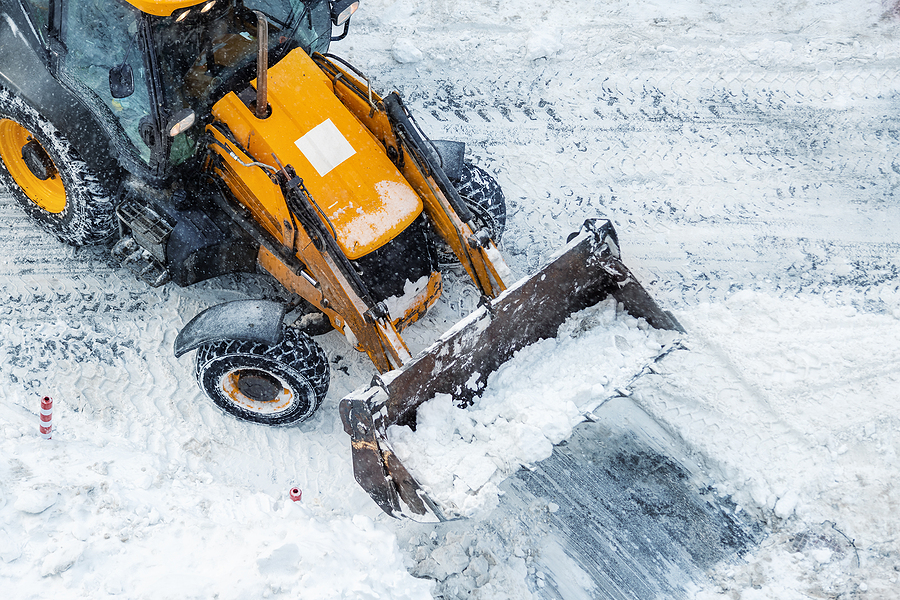
Snowplows are heavy and aggressive. If a plow blade catches the edge of a crack, a raised section of pavement, or a curb, it can rip up chunks of material. Heavy machinery moving over brittle, frozen pavement can also cause stress cracks, particularly in areas where the sub-base has been compromised.
The Benefits of Regular Pavement Inspections
Given the year-round assault on your commercial pavement, a reactive approach—waiting until a massive pothole appears—is the most expensive way to manage your property. Regular professional inspections offer a proactive alternative that protects your bottom line.
Early Detection and Cost Savings
The most significant benefit of regular inspections is financial. Fixing a small crack with sealant costs pennies on the dollar compared to repairing a large pothole or repaving a failed section of a lot. An inspection identifies minor issues while they are still inexpensive to repair, extending the overall life of the pavement by years.
Reduced Liability and Improved Safety
As a property owner or manager, you are responsible for the safety of everyone who visits your site. Trips and falls are common in parking lots with uneven surfaces or crumbling concrete. Regular inspections demonstrate due diligence and help you eliminate trip hazards before an accident occurs, reducing your liability exposure.
Enhanced Curb Appeal
Appearance matters. A well-maintained, striped, and smooth parking lot suggests that the business is professional and attentive to detail. Conversely, a lot filled with weeds, faded lines, and craters can deter potential customers before they even walk through the door.
Strategic Budgeting
Inspections allow you to plan for the future. Instead of being blindsided by a five-figure repair bill in the spring, a professional pavement contractor can help you forecast upcoming maintenance needs. This allows you to budget for sealcoating, striping, or resurfacing over several quarters or years.
In Summary
Your commercial pavement is a significant asset, and in Indiana, it faces significant threats every season. From the expanding ice of winter to the oxidizing sun of summer, the elements are constantly working to break down your parking lot.
You don’t have to fight this battle alone, and you don’t have to wait for disaster to strike. By scheduling regular assessments, you can stay ahead of the weather, keep your costs down, and ensure your property remains safe and welcoming for your customers.
Don’t let the seasons dictate the lifespan of your pavement. If you are in the Indianapolis area and want to ensure your commercial property is ready for whatever the weather brings, we can help. Contact Us Today to schedule a professional pavement inspection and repair consultation. Let’s protect your investment together.
Related Post: How to Winterize Your Commercial Pavement