
A freshly paved driveway or parking lot is a thing of beauty. The deep, rich black surface signals that a property is well-maintained and cared for. However, just like your skin needs protection from the summer sun, your asphalt needs a shield against the elements. Without it, the sun’s UV rays, rain, and vehicle fluids will eventually turn that pristine surface into a gray, cracking liability.
The solution is sealcoating, but heading to the hardware store or calling a contractor reveals a confusing array of options. Is coal tar still the standard? Is acrylic worth the extra cost? What exactly is an asphalt emulsion?
Choosing the wrong sealant can lead to peeling surfaces, wasted money, or even environmental fines in certain jurisdictions. Understanding the chemistry and performance of these materials is crucial for making a smart investment in your property’s future.
Why Seal Your Pavement?
Before diving into the specific chemical makeups of different sealers, it is helpful to understand the “why.” Asphalt pavement is primarily rock and sand held together by a binder (asphalt cement). Over time, oxygen and UV rays oxidize this binder, making it brittle. Once the binder weakens, the rocks loosen, water penetrates the surface, and freeze-thaw cycles begin to break the pavement apart.
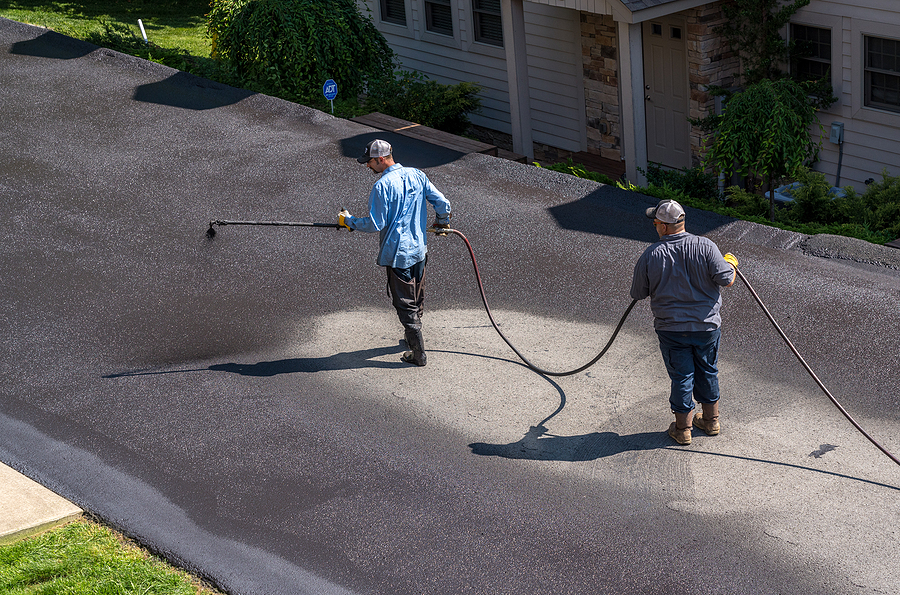
Sealcoating acts as a sacrificial layer. It takes the beating from the sun, weather, and traffic so your actual pavement doesn’t have to. A high-quality sealant provides:
- Waterproofing: Preventing water from seeping into the porous asphalt structure.
- UV Protection: Blocking the sun’s rays that dry out the asphalt binder.
- Chemical Resistance: Creating a barrier against oil and gas spills that can dissolve asphalt.
- Curb Appeal: Restoring the slate-black appearance of new pavement.
Types of Pavement Sealants
The sealcoating industry has evolved significantly over the last few decades. While some traditional materials are still in use, environmental regulations and technology have introduced new contenders.
Acrylic Sealants
Acrylic sealers are often considered the “top shelf” option in the pavement industry. Made from synthetic polymers, these sealants are designed for specific high-value applications.
They are distinct because they are UV-stable, meaning they do not fade as quickly as other bituminous sealers. Because they are synthetic, they are also available in various colors, making them the standard choice for tennis courts, running tracks, and designated walkways in shopping centers.
While acrylics offer excellent durability—sometimes lasting up to seven years depending on traffic—they come with a significantly higher price tag. They are typically used for niche applications rather than general road or large parking lot coverage.
Coal Tar Sealants
For decades, coal tar was the undisputed king of the sealcoating industry. It is a byproduct of the steel manufacturing process (specifically from coking coal).
Historically, contractors favored coal tar because it is fuel-resistant. Since it is not petroleum-based, gasoline and oil spills do not dissolve it as easily as they do asphalt. It forms a hard, durable shell over the pavement.
However, coal tar has a major downside: toxicity. It contains extremely high levels of polycyclic aromatic hydrocarbons (PAHs). According to EPA data, coal-tar-based sealcoat contains about 70,000 mg/kg of PAHs, compared to just 50 mg/kg in asphalt-based alternatives.
These chemicals can leach into stormwater runoff, harming aquatic life. Furthermore, dust from coal-tar-sealed lots can track into homes and businesses. Studies have shown that dust from these lots contains about eight times more toxic PAHs than undiluted used motor oil. Because of these health and environmental risks, coal tar sealants have been banned or restricted in several jurisdictions, including Washington D.C., Minnesota, and parts of Texas.
Asphalt Emulsion Sealants
As environmental concerns regarding coal tar grew, the industry shifted toward asphalt emulsion. As the name suggests, this sealant is made from the same base material as your pavement: asphalt cement.
Modern manufacturing processes emulsify the asphalt into water, often adding clays, fillers, and polymers to increase durability. Because it shares the same chemical nature as the pavement, it bonds well and expands and contracts with the surface during temperature swings.
Asphalt emulsion is widely considered the eco-friendly alternative. It emits far fewer volatile organic compounds (VOCs) and does not carry the high PAH toxicity risks associated with coal tar. It also lacks the skin-burning chemical smell that is characteristic of fresh coal tar applications.
Get Expert Commercial Sealing in Indianapolis Today ✅
Pros and Cons of Each Type
To help you decide which material aligns with your property goals, here is a breakdown of the strengths and weaknesses of each sealant type.
Acrylic Sealers
Pros:
- Longevity: Can last several years longer than standard sealers.
- Appearance: Available in multiple colors; non-fading.
- Cleanliness: Generally cleaner to track in once cured.
Cons:
- Cost: Significantly more expensive than other options.
- Availability: Not all contractors carry or apply acrylics for general use.
Coal Tar Sealants
Cons:
- Health Risks: High levels of carcinogenic PAHs.
- Environmental Bans: Illegal to use in various cities and states; you must check local regulations (e.g., DC’s ban effective since 2009).
- Skin Irritation: The fumes and fluid can cause significant skin irritation during application (“coal tar burn”).
- Cracking: Because it is so hard, it can be brittle and may craze-crack over time.
Asphalt Emulsion Sealants
Pros:
- Eco-Friendly: Low toxicity and low VOCs; safe for aquatic life.
- Flexibility: Moves with the pavement rather than cracking.
- Color: Restores a deep, matte black finish.
- Smell: Minimal odor compared to coal tar.
Cons:
- Application Sensitivity: Requires warmer temperatures and no rain to cure properly.
- Chemical Resistance: Less resistant to fuel spills than coal tar (though additives can improve this).
How to Choose the Right Sealant
Selecting the right product requires balancing your budget, your local laws, and your specific needs.
Check Local Regulations
This is your first step. If you live in an area with strict environmental protections, coal tar may be off the table entirely. For example, in the District of Columbia, using a high-PAH sealant can result in fines of up to $2,500 per day. Always verify what is legal in your municipality.
Assess Your Traffic
Is this for a residential driveway or a high-traffic commercial lot? For a home driveway, asphalt emulsion is often the best balance of safety, cost, and appearance. For a commercial lot with heavy turning traffic and oil drips, you might need an asphalt emulsion fortified with polymers and additives to mimic the fuel resistance of coal tar.
Consider the Environment
If your property is near a storm drain, a creek, or a playground, we strongly recommend avoiding coal tar. The runoff risks and the potential for tracking toxic dust indoors make asphalt emulsion or acrylic the responsible choice for schools, hospitals, and residential zones.
Longevity vs. Cost
If you want to seal it and forget it for five or more years, and budget is not a constraint, investigate acrylics. If you are looking for a standard maintenance cycle (resealing every 2–3 years) that is cost-effective, asphalt emulsion is the industry standard for a reason.
Why Enlist Professionals for the Job
Maintaining your asphalt surfaces is a vital investment in your property’s longevity. While a DIY approach may seem tempting, professional sealing ensures the job is done with the precision and specialized equipment required for lasting results.
Experts bring more than just tools; they offer the technical knowledge to avoid common mistakes that lead to costly future repairs. By using high-quality, commercial-grade products, professionals provide a more durable finish than off-the-shelf alternatives. Furthermore, an experienced contractor can assess your specific pavement needs, offering tailored advice on sealant selection and preventative maintenance to maximize your investment.
Beyond the physical application, hiring professionals offers peace of mind. They ensure compliance with safety regulations and industry standards—a critical factor for commercial properties where liability is a concern. From managing necessary permits to handling post-application touch-ups, a professional team manages the complexities so you don’t have to.
The Best Choice for Your Pavement Needs
Your pavement is a significant capital investment. Neglecting it leads to expensive repaving, but maintaining it with the right materials keeps it safe, functional, and attractive. While coal tar has a long history, the industry is moving toward safer, more flexible options like asphalt emulsions that protect your property without compromising the environment.
By understanding the differences between acrylic, coal tar, and asphalt emulsion, you can have a more informed conversation with your contractor and ensure you are getting the best value for your money.
Are you a property manager or business owner in the Indianapolis area? Don’t let Indiana’s freeze-thaw cycles destroy your parking lot. Our team specializes in high-quality commercial pavement maintenance, using safe, durable sealants tailored to our local climate. Contact Us Today for a free consultation and protect your pavement investment.
Related Post: Stop Cracks Cold: The Best Time to Seal Asphalt in Indiana