
Planning a new asphalt project for your business is a major investment—one that affects everything from curb appeal to daily operations. Whether you’re paving a fresh parking lot or expanding an existing facility, the choices you make now will shape how that surface performs for the next 20 years.
A well-built asphalt surface does more than look professional. It protects vehicles, keeps customers safe, and signals that your business pays attention to detail. A poorly planned one, on the other hand, can crack, pool water, and drain your maintenance budget faster than you’d expect.
This guide breaks down the key factors to weigh before you break ground. From site prep and material quality to contractor selection and long-term care, here’s what every business owner should know before starting an asphalt construction or expansion plan.
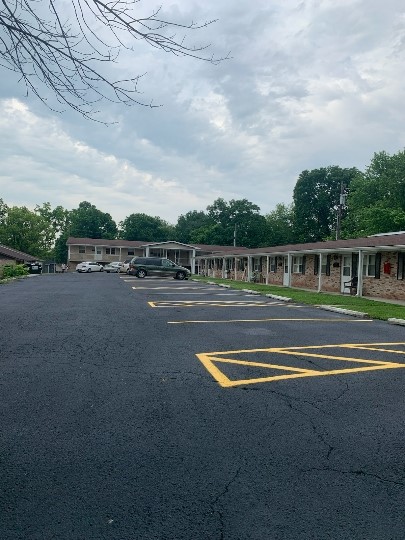
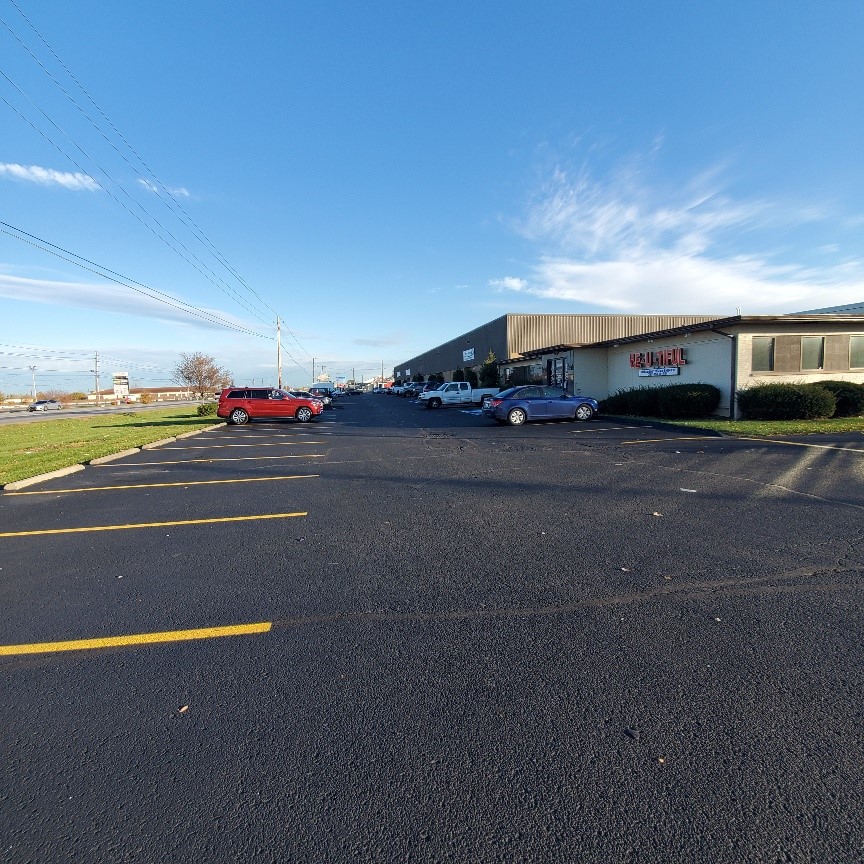
Key Considerations for New Asphalt Paving Projects
The success of any paving project starts long before the first truck arrives. Getting the fundamentals right at this stage saves you costly repairs down the road.
Site Assessment and Preparation
Every solid asphalt surface begins with a solid foundation. Before any paving happens, your contractor should evaluate the soil, grade, and existing conditions of the site. Soft or unstable soil needs to be addressed early, because even the best asphalt will fail if the ground beneath it shifts.
Proper preparation usually includes clearing the area, grading for slope, and compacting a stable aggregate base. Skipping these steps is one of the most common reasons new pavement breaks down ahead of schedule.
Material Selection and Quality
Not all asphalt is created equal. The right mix depends on how the surface will be used. A parking lot for passenger vehicles has very different demands than a loading dock that handles heavy trucks all day.
Higher-quality materials cost more upfront, but they hold up better against traffic, temperature swings, and time. Talk with your contractor about the right mix design and thickness for your specific needs. The goal is a surface that matches the load it carries.
Drainage and Water Management
Water is asphalt’s biggest enemy. When it seeps into cracks or pools on the surface, it weakens the base and speeds up deterioration. That’s why drainage planning is essential, not optional.
A good design directs water away from the pavement using proper slope, grading, and drainage features. Addressing this during construction is far cheaper than fixing water damage later.
Planning for Business Expansion with Asphalt
If your business is growing, your pavement plans should account for what’s coming next—not just what you need today.
Assessing Future Needs
Think ahead before you pave. Will you add more parking as your customer base grows? Could you need space for larger delivery vehicles or future buildings? Mapping out these possibilities now helps you design a layout that won’t box you in later.
A little foresight can save you from tearing up brand-new pavement in a few years to make room for expansion.
Phased Construction Strategies
Large projects don’t always have to happen all at once. Phased construction lets you tackle the work in stages, spreading out costs and keeping parts of your property usable throughout the process.
Work with your contractor to plan logical phases that align with your budget and timeline. This approach is especially helpful for businesses that can’t afford to shut down completely during construction.
Minimizing Business Disruption
Construction and daily operations don’t always mix well. The good news is that careful scheduling can keep disruption to a minimum.
Consider paving during off-hours, weekends, or slower seasons. Clear communication with your contractor about access points, customer parking, and delivery routes will help your business keep running while the work gets done.
Choosing the Right Contractor for Your Asphalt Project
Your contractor makes or breaks the entire project. Take time to vet candidates carefully before signing anything.
Experience and Reputation
Look for an Indianapolis asphalt contractor with a proven track record on commercial projects similar to yours. Ask for references, check online reviews, and request photos of completed work. A reputable company will be happy to show what they’ve done.
Experience matters here. Seasoned contractors anticipate problems before they happen and know how to deliver quality results on time.
Licensing and Insurance
Always confirm that your contractor holds the proper licenses for your area and carries adequate insurance. This protects you from liability if an accident or property damage occurs during the project.
Never take this step for granted. Ask for documentation, and don’t hesitate to verify it.
Project Management and Communication
A great contractor keeps you informed from start to finish. Before work begins, you should know the timeline, the scope, and who your main point of contact will be.
Strong communication prevents surprises and keeps the project on track. If a company is hard to reach during the bidding stage, that’s often a sign of how they’ll operate once work starts.
Maintenance for Longevity
A new asphalt surface is an investment worth protecting. Routine maintenance can dramatically extend its lifespan and keep it looking sharp.
Simple steps go a long way:
- Sealcoating every few years protects against water, UV rays, and chemicals.
- Crack filling stops small problems from turning into big ones.
- Regular cleaning prevents debris and standing water from causing damage.
- Prompt repairs of potholes or soft spots keep deterioration in check.
A proactive maintenance plan costs far less than premature replacement. Set a schedule and stick to it.
Frequently Asked Questions (FAQ)
How long does a commercial asphalt project take?
It depends on the size and scope of the work. A standard parking lot may take a few days, while larger or phased projects can run longer. Your contractor should give you a clear timeline during the bidding process.
How long does asphalt pavement last?
With proper installation and regular maintenance, commercial asphalt can last 20 years or more. Skipping maintenance, however, can cut that lifespan significantly.
When is the best time to pave with asphalt?
Warmer months are ideal because asphalt needs adequate temperatures to cure properly. Spring through early fall is typically the best window in most climates.
How soon can we use the new pavement?
Most asphalt surfaces can handle foot traffic within a day, but you’ll usually need to wait a bit longer before allowing vehicles. Your contractor will give you specific guidance based on conditions.
Build a Surface That Lasts
A successful asphalt project comes down to planning, quality materials, and the right team. By thinking ahead about your site, your future needs, and your long-term maintenance, you’ll protect your investment and keep your property safe and professional for years to come.
Ready to get started? ACI Asphalt & Concrete provides expert commercial asphalt paving and construction in Indianapolis, Indiana. Our team is standing by to schedule your bid—contact us today and let’s build something that lasts.
Related Posts:
Paving the Way to Success with Commercial Asphalt Installation
Building a Greener Future: Sustainable Road Construction Practices
Compliant Pavement Installation: Navigating Indianapolis Regulations