
Building a structure that stands the test of time requires more than just a solid design—it demands materials that can endure the unpredictable forces of nature. From the scorching heat of July to the bone-chilling freeze of January, your construction materials are constantly under siege.
For contractors and project managers, weather-proofing isn’t just a buzzword; it’s a critical component of structural integrity and safety. While many materials falter under environmental stress, ready-mix concrete stands out as a resilient champion. But even this robust material requires understanding and precision to perform at its peak.
Whether you are pouring a driveway or laying the foundation for a commercial complex, knowing how concrete interacts with the elements is the key to longevity.
Understanding Ready-Mix Concrete (RMC)
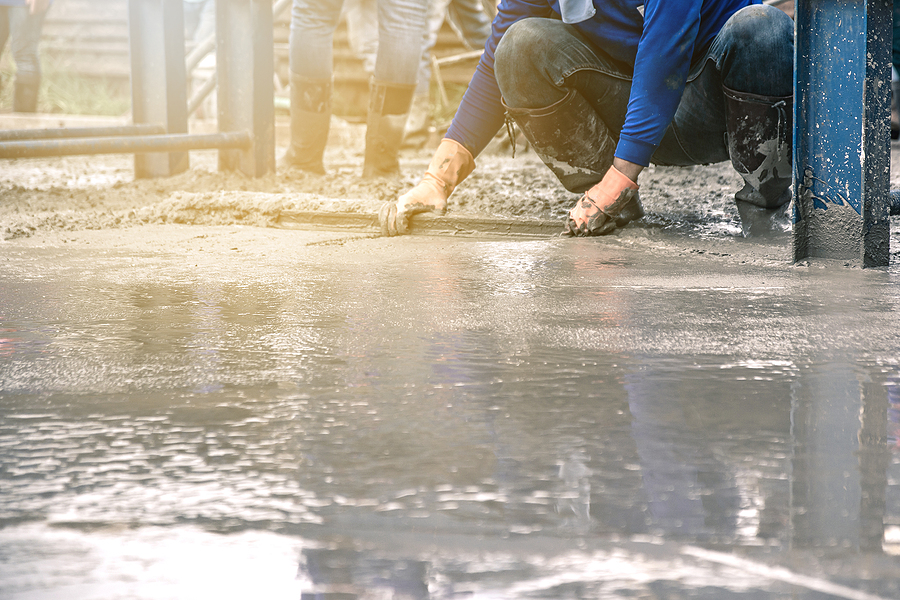
Ready-mix concrete (RMC) is concrete that is manufactured in a batching plant according to a set recipe or “mix design,” and then delivered to a work site by truck mounted in-transit mixers. This precise manufacturing process allows for specialty concrete to be developed and customized for your specific project needs.
The primary advantage of RMC over on-site mixing is quality control. Because it is batched in a controlled environment, the ratios of water, cement, and aggregates can be fine-tuned to meet specific durability requirements. This precision is exactly what allows ready-mix concrete to be engineered for extreme weather performance, ensuring that the material you pour today will hold up against the storms of tomorrow.
Performance in Extreme Heat
Pouring concrete in sweltering temperatures presents a unique set of challenges. High ambient temperatures accelerate the chemical reaction (hydration) between cement and water. While this might sound efficient, it can actually lead to lower long-term strength and durability if not managed correctly.
The American Concrete Institute (ACI) generally recommends keeping delivered concrete temperatures below 95°F. When concrete gets too hot too fast, the water needed for curing evaporates rapidly—a process that leads to plastic shrinkage cracking. These are the shallow cracks that appear on the surface shortly after finishing, creating weaknesses where water can later infiltrate.
Ready-mix concrete combats this through specialized mix designs. Suppliers can use chilled mixing water or liquid nitrogen to lower the initial temperature of the mix. Additionally, the use of chemical retarders can slow down the setting time, giving crews enough time to place and finish the concrete before it hardens, even when the sun is beating down.
Performance in Freezing Temperatures
In climates like Indianapolis, the freeze-thaw cycle is the silent killer of outdoor structures. When water trapped inside concrete freezes, it expands by about 9%. This expansion creates internal pressure that can cause scaling (flaking of the surface) or deep structural cracking over time.
To withstand these harsh winters, ready-mix concrete relies on a fascinating microscopic defense system: air entrainment. By adding air-entraining admixtures to the mix, producers introduce billions of microscopic air bubbles into the concrete. These tiny chambers act as pressure relief valves. When moisture inside the concrete freezes and expands, the ice moves into these empty air voids rather than cracking the hardened cement paste.
For exterior flatwork exposed to moisture and freezing temperatures, industry standards typically recommend a minimum compressive strength of 4,500 psi and a specific air content (usually between 4.5% and 7.5%, depending on aggregate size). This ensures that even when the mercury drops below zero, your concrete remains intact.
Performance in Heavy Rain & Flooding
While we often worry about temperature extremes, water itself can be a formidable adversary. Excessive moisture ingress can lead to the corrosion of reinforcing steel (rebar) within the concrete, which eventually spalls the concrete from the inside out.
Ready-mix concrete offers superior water resistance through the control of the water-cementitious materials ratio (w/cm). A lower w/cm ratio results in a denser, less permeable concrete. For projects in flood-prone areas or those exposed to constant moisture (Exposure Class W2), engineers often specify a maximum w/cm ratio of 0.50 to ensure low permeability.
Furthermore, because ready-mix is batched with such precision, it avoids the common job-site error of adding too much water to improve workability. This discipline ensures the final product remains watertight and durable, preventing moisture from wicking up through foundations or compromising the structural steel.
Schedule Large or Small Batch RMC Delivery in Indy ✅
Best Practices for Different Climates
Even the highest quality ready-mix concrete needs to be handled correctly to reach its full potential. Here are key strategies for ensuring durability:
In Hot Weather
- Moist Curing: Prevent rapid evaporation by keeping the concrete surface moist. Use fogging sprays, wet burlap, or curing compounds immediately after finishing.
- Schedule Smart: Plan pours for the early morning or late evening when ambient temperatures are lower.
- Protect the Subgrade: dampen the ground before pouring so the dry earth doesn’t suck moisture out of the fresh concrete.
In Cold Weather
- Don’t Pour on Ice: Never place concrete on frozen ground. The subgrade must be thawed to prevent uneven settling later.
- Insulation: Use insulating blankets to retain the heat generated by the hydration process. For cold weather concreting, the goal is to maintain the concrete temperature (often above 50°F or 55°F) for several days until it achieves sufficient strength—typically 500 psi—to resist freezing damage.
- Wait to Seal: Avoid applying sealers in freezing temperatures until the concrete has fully cured and dried.
FAQ’s
Can Ready-Mix Concrete (RMC) be used in cold weather?
Yes, RMC can be used in cold weather as long as proper precautions are taken to ensure the concrete cures properly and does not freeze during the hydration process.
What temperature should concrete be poured at in cold weather?
It is recommended to pour concrete at a minimum temperature of 50°F or 10°C for it to cure properly.
How long does it take for RMC to reach sufficient strength in cold weather?
In cold weather conditions, it can take anywhere from 5-7 days for RMC to reach a sufficient strength of 3,000 psi. However, this may vary depending on the specific temperatures and conditions at the job site.
Conclusion
Weather-proofing your project isn’t about hoping for the best; it’s about engineering for the worst. Ready-mix concrete provides the versatility and engineered precision required to handle whatever the forecast holds. From air-entrained mixes that shrug off frost to dense, low-permeability foundations that resist flooding, RMC is the backbone of resilient construction.
By understanding the specific challenges of your local climate and working with a supplier who understands the science of concrete, you can ensure your project stands strong for generations to come.
Are you planning a project that needs to withstand Indiana’s unpredictable weather? Whether you need a small batch for a residential repair or large-scale delivery for a commercial paving job, we have the expertise and the fleet to get it done. Contact Us Today to schedule your ready-mix concrete delivery and paving services in Indianapolis. Let’s build something that lasts.
Related Post: Sustainable Concrete: How Ready-Mix is Leading the Green Building Movement