
A smooth, pristine driveway or parking lot looks incredible, but the elements can quickly leave you with a costly reminder of their power—surface cracks. A pavement crack isn’t just an unsightly blemish; it’s a progressive condition that can cause long-term, irreversible damage to your property.
Understanding how seasonal changes and moisture affect your pavement is crucial for maintaining a safe and durable surface. When minor fissures form, they act as open invitations for water, debris, and harsh chemicals to penetrate the protective top layer. Without proper intervention, these small vulnerabilities quickly deteriorate into massive structural failures.
Proactive care is always more effective than reactive repair. By addressing pavement stress early, you can significantly extend the lifespan of your surfaces and avoid the heavy financial burden of total replacement. This guide will walk you through the mechanisms of pavement degradation and explain exactly how timely crack maintenance preserves the health of your driveway or parking lot.
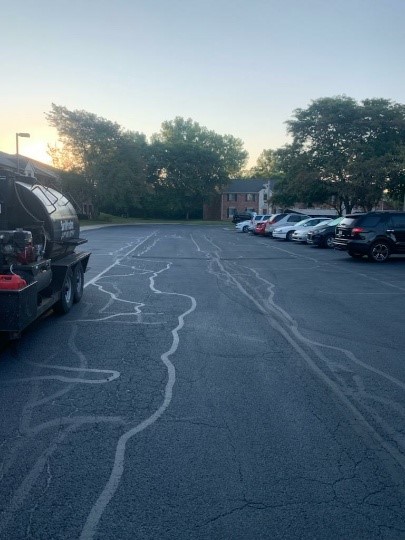
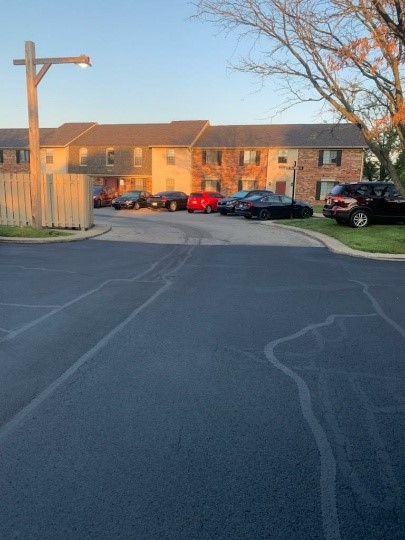
What is Pavement Crack Filling?
Pavement crack filling is the proactive maintenance process of injecting specialized, flexible sealants into surface gaps to block water penetration and prevent underlying structural damage. Professionals typically use hot-poured, rubberized asphalt sealants to address these openings.
Because pavement constantly shifts due to temperature fluctuations, the sealant must be highly flexible. High-quality sealants are engineered to expand and contract right alongside the asphalt or concrete. This ensures the waterproof barrier remains completely intact, even as the ground moves.
While the terms are often used interchangeably, there is a distinct difference between filling and sealing. Crack filling often utilizes stiffer materials suited for non-working cracks that experience little movement. Crack sealing uses high-performance elastomeric materials designed for working cracks that widen and close with the seasons. Both methods serve the ultimate goal of waterproofing the surface and defending the vulnerable layers below.
Why is Crack Filling Important for Asphalt?
Crack filling is vital for asphalt because it stops moisture from seeping into the base layer, effectively preventing foundation failure, destructive freeze-thaw damage, and the formation of severe potholes.
Asphalt is incredibly durable, but sun exposure causes it to oxidize and become brittle as time passes. When heavy vehicle loads and thermal expansion cause this brittle surface to split, water finds an easy path downward. If moisture reaches the sub-base, it erodes the supporting soil, removing the crucial foundation that holds the asphalt up.
In colder climates, this trapped water becomes a severe threat. As temperatures drop below freezing, the water turns to ice and expands, forcing the pavement apart from the inside out. When the ice melts, it leaves behind a larger void. The next time a heavy vehicle drives over this weakened, unsupported area, the asphalt collapses, creating a pothole. Sealing cracks early interrupts this destructive cycle completely.
How Does Crack Filling Protect Concrete?
Sealing concrete cracks and joints protects the slab by preventing subgrade erosion, keeping harmful deicing chemicals out, and stopping the corrosion of internal steel components like rebar. Concrete slabs rely heavily on the stability of the ground beneath them. If surface water flows through unsealed joints or cracks, it can wash away the compacted base fines. This loss of support leads to localized settling, uneven slabs, and corner breaks.
Furthermore, many concrete structures contain steel rebar or dowel bars to provide strength and transfer heavy loads. When water and harsh winter road salts enter through open cracks, they trigger severe corrosion. Rusting steel expands, causing the surrounding concrete to crack further and break apart.
Additionally, open concrete cracks easily collect incompressible materials like tiny pebbles, dirt, and sand. When summer heat causes the concrete slabs to naturally expand, these hard materials prevent the joints from closing safely. The resulting pressure forces the edges of the concrete to chip away, an issue known as spalling. By keeping water and debris out, flexible sealants preserve the structural integrity of the entire slab.
If you are looking for crack filling and repair in Indianapolis, reach out to our paving professionals for a free estimate. Act now before your asphalt or concrete pavement damages worsen.
When is the Best Time to Fill Cracks?
The ideal time to fill pavement cracks is during the spring or fall when ambient temperatures remain consistently above 40°F and the pavement surface is thoroughly dry. During the extreme heat of summer, pavement expands, causing cracks to squeeze tightly shut. Conversely, the freezing temperatures of winter cause pavement to contract, opening cracks to their widest point.
Applying sealant during the spring or fall allows professionals to treat the crack at its mid-point. This ensures the flexible sealant will not be overstretched during the winter or squeezed out of the joint during the summer.
Moisture is the natural enemy of sealant adhesion. The pavement must be completely free of rain, morning dew, and lingering dampness before any material is applied. If moisture is present in the crack, the hot-poured sealant will instantly turn that moisture into steam, creating bubbles and severely weakening the bond.
Frequently Asked Questions
How long does crack filler take to dry?
The drying time depends entirely on the materials used. Hot-poured rubberized asphalt sealants cool and cure very quickly. In many cases, the pavement is ready for normal vehicle traffic as soon as the material cools to the ambient air temperature, which often takes less than an hour. Silicone-based sealants used for concrete joints typically become tack-free in 25 to 90 minutes, though they may take several days to cure completely.
How much does crack filling cost?
Prices vary based on the total linear footage of the cracks, the severity of the damage, and the specific materials required. Professional contractors often route the cracks first—using a specialized machine to widen and clean the gap—which adds to the initial labor cost but creates a superior, longer-lasting reservoir for the sealant. While there is an upfront investment, this maintenance costs a fraction of what you would pay for full-depth patching or total pavement replacement.
Should I tackle crack filling myself or hire a professional?
While hardware stores sell cold-pour crack fillers for DIY application, these products generally lack the durability and flexibility of commercial-grade materials. Professionals use specialized heating equipment to apply hot-rubberized sealants that bond deeply with the pavement. They also possess the tools to properly clean out vegetation, moisture, and debris using high-pressure air or wire brushes. For long-lasting results that genuinely protect your investment, professional application is highly recommended.
The Long-Term Value of Regular Maintenance
Your pavement requires consistent, compassionate care to remain functional and safe. Minor cracks are inevitable, but ignoring them allows a manageable issue to escalate into an expensive structural crisis. By maintaining a waterproof barrier over your asphalt and concrete, you preserve the underlying foundation and can easily extend the life of your surface by five to ten years.
If you are ready to protect your property from the elements, we are here to help. Contact our team for professional asphalt and concrete paving in Indianapolis. We provide expert crack filling and pothole patching service at a competitive price, ensuring your pavement remains healthy, strong, and beautiful for years to come.
Related Post: Protect Your Pavement: Essential Asphalt Crack Repair Tips