
Concrete is one of the most durable building materials available—but it isn’t invincible. Driveways, patios, and walkways take a beating year after year from rain, freeze-thaw cycles, vehicle traffic, and chemical exposure. Without proper protection, that beating shows up as cracks, stains, and crumbling surfaces that cost far more to fix than they would have to prevent.
That’s where concrete sealers come in. The right sealer, applied at the right time, can extend the life of your concrete surfaces significantly and save you from costly repairs down the road. This guide covers everything property owners need to know—from choosing the right type of sealer to deciding whether to hire a professional.
Why Concrete Needs Sealing
The Science Behind Concrete Porosity
Concrete may look solid and impenetrable, but it’s actually a porous material. Tiny capillaries and microvoids run throughout its surface, and these openings absorb everything they come in contact with—water, oils, deicing salts, and chemicals. Left unprotected, these substances work their way deep into the slab and begin breaking it down from within.
Sealing closes off or chemically bonds with those pores, creating a barrier that limits what gets in.
Common Threats to Unsealed Concrete
The threats vary by region, but in Indiana, freeze-thaw damage is one of the most destructive forces on concrete surfaces. Indianapolis averages over 100 freeze-thaw cycles per winter. Each cycle forces water that’s absorbed into the concrete to expand as it freezes, widening existing cracks and creating new ones.
Deicing salts compound the problem. Road salt and calcium chloride draw moisture into the pores, and when that moisture freezes, the surface layer breaks apart—a process known as spalling. UV exposure, oil spills, and efflorescence (white mineral deposits caused by water moving through the slab) round out the list of threats that make sealing a critical part of concrete maintenance.
Types of Concrete Sealers: Choosing the Right Protection
Penetrating Sealers: Invisible Strength
Penetrating sealers absorb into the concrete’s pore structure rather than sitting on top of it. Once inside, they react chemically with the concrete to reduce absorption and repel water, salt, and contaminants. The surface appearance stays unchanged—no shine, no film—which makes this option popular for driveways, walkways, and exposed architectural concrete.
Silane and siloxane sealers fall into this category. Silanes penetrate more deeply due to their smaller molecules, while siloxanes create broader surface barriers. Both require clean, porous concrete for effective absorption. Because they become part of the concrete matrix, penetrating sealers don’t peel or delaminate over time.
Topical Sealers: Enhancing Appearance and Durability
Topical sealers form a visible coat on the surface of the concrete. They add gloss, protect against staining, and enhance the color of stamped or decorative concrete. Common types include:
- Acrylic sealers — Among the most widely used topical options, available in water-based and solvent-based formulas. Water-based acrylics dry faster and have lower VOC content; solvent-based versions offer deeper color enhancement and improved hardness. Most acrylic sealers require reapplication every two to four years.
- Polyurethane sealers — Denser and more durable than acrylics, these coatings resist surface wear and impact. Aliphatic polyurethane versions offer strong UV stability and are less prone to yellowing—a plus for surfaces in direct sunlight.
- Epoxy sealers — High-gloss, impervious coatings well-suited for garage floors, warehouses, and industrial interiors. Epoxies trap moisture, so they should never be applied to damp concrete or below-grade surfaces.
- Polyaspartic sealers — Fast-curing coatings that can be applied in cold weather and returned to service quickly. Strong UV resistance makes them a good choice for exterior applications.
Hybrid Sealers: Best of Both Worlds
Hybrid urethane-acrylic systems combine the moisture tolerance and flexibility of acrylics with some of the durability benefits of polyurethane. They form a flexible film that can move with minor slab shifts, dry faster than two-part systems, and are easier to recoat or repair. These work well for light-duty commercial floors or interior slabs with intermittent use.
When to Seal Your Concrete
New Concrete: Early Protection
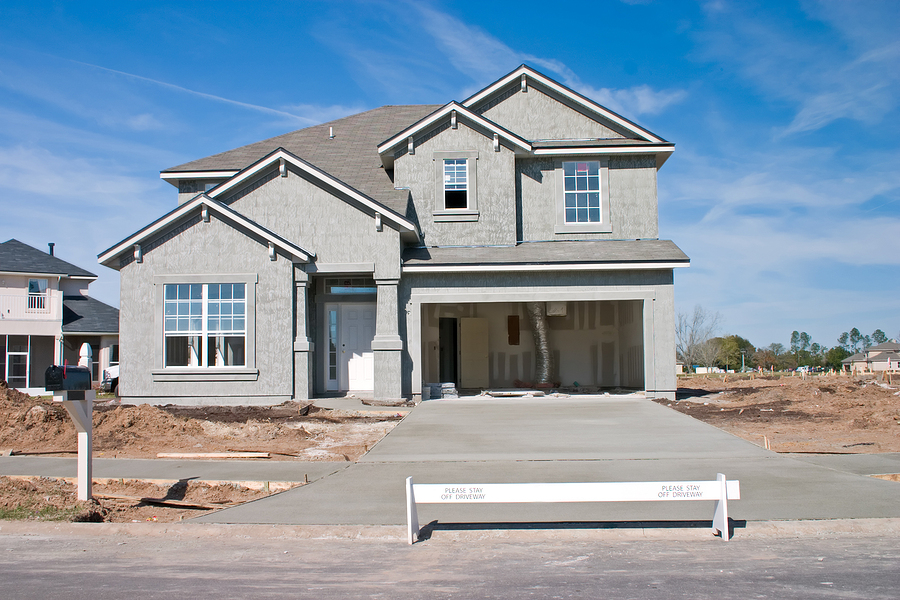
New concrete needs to cure completely before it can be sealed. Applying sealer too early can trap moisture, weaken the surface, and make it more susceptible to cracking. Most concrete professionals recommend waiting at least 28 days after a pour before applying any sealer.
Existing Concrete: Revitalization and Maintenance
As a general rule, concrete should be resealed every two to five years, depending on the type of sealer used, the level of traffic, and the local climate. Surfaces exposed to heavy use or harsh winters may need attention on the shorter end of that range.
Signs Your Concrete Needs Sealing
Not sure whether your concrete is due for resealing? Watch for these warning signs:
- Spreading surface cracks — Hairline cracks in pavement that are branching out or widening signal water intrusion and freeze-thaw damage in progress.
- Pitting or spalling — Rough, pockmarked areas or flaking surface layers indicate salt damage and deterioration of the top layer.
- Water absorption — Pour a small amount of water on the surface. If it soaks in quickly and darkens the concrete, the existing sealer has worn off and the surface is unprotected.
- Discoloration or white residue — Efflorescence (a chalky white film) is proof that water is moving freely through the slab. Deep oil stains are another sign of unprotected pores.
- Age without sealing — If your concrete is more than two to three years old and has never been sealed, it’s been exposed to moisture and salt through multiple seasons. Even if it looks intact, protection is overdue.
DIY vs. Professional Concrete Sealing
DIY Sealing: Benefits and Limitations
DIY concrete sealing has genuine appeal. It allows you to control the timing, choose your materials, and avoid labor costs. For small surfaces in good condition—a patio or short walkway—a capable homeowner with the right tools can get acceptable results.
That said, the risks are real. Improper concrete surface preparation is the leading cause of sealer failure. If old sealer isn’t fully stripped, if the surface isn’t clean and dry, or if the sealer is applied in the wrong weather conditions, the result can be peeling, blistering, or uneven coverage that wears off prematurely. Many concrete sealers also contain volatile organic compounds (VOCs) that require proper ventilation and protective equipment.
The Value of Professional Concrete Sealing
For most property owners—especially those dealing with larger surfaces, damaged concrete, or complex sealer systems—professional pavement sealing is the smarter investment.
- Expertise and experience: Professional contractors identify the right sealer for the substrate, the climate, and the specific use case. They understand the compatibility requirements between prep products and sealers, and they know how environmental conditions affect application and cure.
- Specialized equipment and techniques: Professionals use commercial-grade sprayers and application equipment that produce a more consistent, even coat than consumer-grade rollers. Proper spray application also reduces the risk of over-application, which can cause surface haze or peeling.
- Guaranteed results and longevity: A professionally sealed surface typically outlasts a DIY application—often significantly. Professionals use higher-grade materials and follow manufacturer specifications precisely, both of which extend the life of the seal.
- Time and cost efficiency: Hiring a pro eliminates the learning curve, the equipment rental, and the hours spent on prep and application. When you factor in the cost of fixing a failed DIY sealing job, professional services often offer better value over time.
- Curing and Maintenance Advice: After application, the contractor will advise on curing time before the surface can be used. They’ll also provide guidance on cleaning products to avoid and when to schedule the next resealing—usually in two to five years, depending on the system used.
FAQ: Your Concrete Sealing Questions Answered
How often should concrete be sealed?
Most concrete surfaces benefit from resealing every two to five years. Acrylic topical sealers typically need reapplication every two to four years, while penetrating sealers may last longer. High-traffic surfaces and those exposed to harsh winters should be checked more frequently.
What is the best type of sealer for a driveway?
Penetrating sealers—particularly silane/siloxane formulas—are widely recommended for driveways in freeze-thaw climates like Indiana. They block moisture and salt without forming a surface film that can peel or become slippery. If enhanced color or gloss is a priority, an acrylic sealer may be added, though it requires more frequent reapplication.
Can I seal my concrete in any weather?
No. Concrete sealer should only be applied when conditions are dry and temperatures are above 50°F. Applying sealer to damp concrete, in high humidity, or in cold temperatures compromises adhesion and curing. Always follow the manufacturer’s specified application conditions.
Protect Your Concrete Before Damage Sets In
Concrete is a long-term investment, and sealing is one of the most cost-effective ways to protect it. The right sealer applied at the right time—by someone who knows what they’re doing—can add years to the life of your driveways, patios, and walkways while preventing the costly repairs that come from neglect.
Ready to protect your concrete surfaces? Request a bid today from our professional concrete paving team serving Indianapolis, Indiana. Request a Bid →
Related Posts:
4 Common Mistakes People Make When Pouring a Concrete Slab
Do I Need a Concrete Sealcoat for My Lot?
Important Concrete Maintenance Tips