
Autumn leaves make for a gorgeous backyard view, but they’re not doing your driveway any favors. Left alone, those piles of red and gold do more than create a mess—they quietly wear away at the asphalt and concrete beneath them.
For homeowners and property managers alike, leaf clearance is an easy task to put off. But pavement damage caused by decaying leaves can turn a simple weekend chore into a costly repair bill. The good news? A little seasonal diligence goes a long way toward protecting your investment.
This guide walks through why leaves are so damaging to pavement, how to spot the warning signs, and the best techniques for keeping your surfaces clean and crack-free all season long.
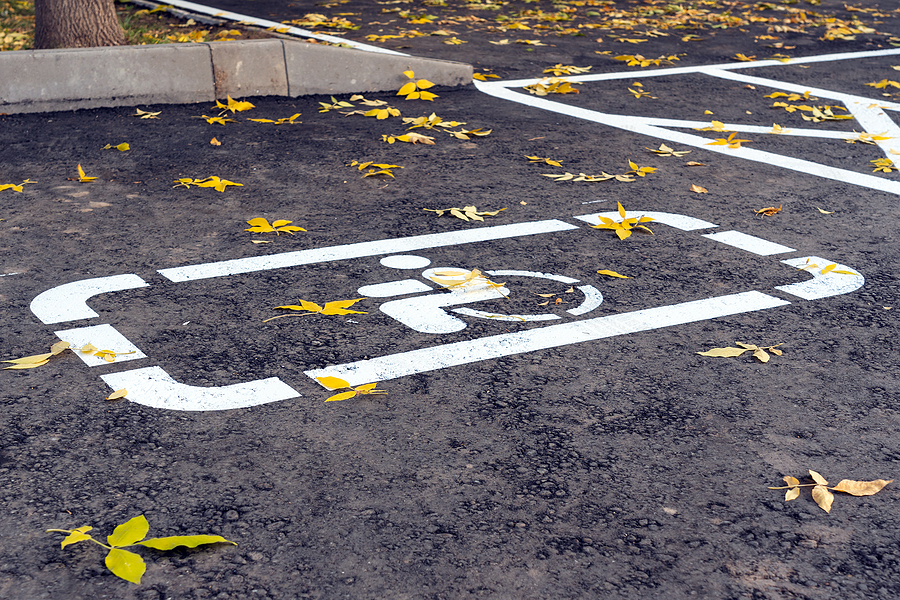
Why Leaves Damage Your Pavement
It’s easy to assume a few leaves here and there are harmless. In reality, decomposing leaves set off a chain reaction that compromises pavement from the surface down.
Leaves Trap Moisture Against the Surface
As leaves pile up and begin to decay, they form a dense, soggy mat that clings to asphalt and concrete. This mat traps moisture against the surface far longer than an open, exposed area would experience. According to Reliable Contracting, fallen leaves still contain moisture when they first drop, and this moisture gradually leaches onto pavement, seeping into any existing cracks and causing them to widen over time.
Decaying leaves also release tannins and organic acids. These substances soak into the pores of asphalt and concrete, leaving behind stains and softening the material’s protective structure. For asphalt, that means weakened binding agents, which leads to rutting, depressions, and eventually potholes under the weight of vehicle traffic.
The Freeze-Thaw Cycle Makes It Worse
Cold climates add another layer of risk. When moisture trapped beneath leaf piles seeps into small cracks and then freezes, it expands—putting immense pressure on the surrounding pavement. As temperatures fluctuate between freezing and thawing, this cycle repeats, gradually turning hairline cracks into larger fractures and spalling.
Leaf Debris Blocks Drainage Systems
Piles of wet leaves don’t just sit still—they clump together and clog storm drains and gutters. Once drainage is blocked, water has nowhere to go but pool on the pavement surface, accelerating the very damage leaf clearance is meant to prevent. Beyond the pavement itself, decomposing leaves release phosphorus and nitrogen that can wash into local waterways, contributing to environmental concerns like algae blooms.
Signs Your Pavement Needs Leaf Clearance
Knowing what to look for can help you catch leaf-related damage before it escalates.
- Dark staining or discoloration: Tannins from decaying leaves often leave behind persistent leaf-shaped imprints, especially after rainfall.
- Wet spots that won’t dry: If certain areas of your pavement stay damp long after others have dried, blocked drainage may be to blame.
- Soft spots or rutting in asphalt: These indicate the binding agents have already begun to weaken.
- New surface cracks: Small cracks that seem to appear out of nowhere are often the result of trapped moisture and freeze-thaw stress.
- Moss or algae growth: This is a telltale sign that moisture has been sitting on the surface for an extended period.
Best Methods for Leaf Removal
The right approach depends on the leaves themselves—dry and scattered leaves require different tools than the wet, matted piles left behind after a storm.
Manual Raking and Sweeping
Rakes remain the go-to tool for wet, compacted leaves that have started to mat together. Once the bulk of the pile is cleared, a push broom or stiff sweeper helps clean up any lingering residue, ensuring no slippery film is left behind on walkways or driveways.
Using Leaf Blowers Safely
For dry leaves, a leaf blower is faster and less labor-intensive than raking. Blowers work best on driveways, sidewalks, and parking lots where leaves haven’t yet become waterlogged. Just be mindful of local ordinances—many municipalities prohibit blowing leaves into the street or down storm drains, and doing so can result in fines.
Professional Equipment for Larger Properties
If you’re managing a commercial lot or a large residential property, professional pavement maintenance services can offer industrial-grade sweepers that clear leaves faster and more thoroughly than consumer tools. These services can also spot early warning signs of pavement damage that might otherwise go unnoticed.
Seasonal Leaf Clearance Schedule
Staying ahead of leaf accumulation is far easier than dealing with the aftermath.
Fall: Clear Frequently and Consistently
During peak leaf-fall season, aim to clear high-traffic areas once or twice a week. Don’t wait until every leaf has dropped to start cleaning—clearing leaves before it rains helps prevent tannin stains from setting into the pavement.
Winter: Prioritize Drainage
Before the first freeze, double-check that gutters and storm drains are free of leaf debris. Clear drainage prevents water from pooling and freezing on the surface, reducing the risk of freeze-thaw cracking throughout the winter months.
Spring: Final Cleanup
Once the snow melts, do a final sweep for any leftover leaf debris and check your pavement for signs of winter damage. Addressing small cracks early prevents them from growing into larger, costlier repairs.
Preventing Future Leaf Buildup
A few proactive habits can significantly cut down on the leaf clearance workload each year.
- Trim nearby trees: Reducing overhanging branches means fewer leaves landing directly on your pavement.
- Install or maintain drainage systems: Proper drainage keeps water moving instead of pooling, even when some leaf debris slips through.
- Apply sealcoating: For asphalt surfaces, sealcoating every few years creates a protective barrier against moisture and acid intrusion, making cleanup easier and extending pavement life.
- Stick to a routine: Treat leaf clearance like any other seasonal maintenance task, such as mowing the lawn or shoveling snow.
Common Leaf Clearance Mistakes to Avoid
Even well-intentioned homeowners can make missteps that do more harm than good.
- Using pressure washers incorrectly. High-pressure water can force moisture deeper into existing cracks or strip away protective sealcoating if used improperly.
- Leaving wet leaves too long. The longer decaying leaves sit, the more time tannins and acids have to seep into the pavement’s pores.
- Ignoring drainage issues. Clearing leaves off the surface doesn’t help much if the drains beneath them stay blocked.
Frequently Asked Questions
How often should I clear leaves from my driveway?
During peak fall season, clear leaves at least once or twice a week, especially in high-traffic areas or regions with frequent rain.
Can leaves really damage concrete?
Yes. Leaves release tannins and organic acids that stain and weaken concrete, while trapped moisture contributes to freeze-thaw cracking over time.
What’s the best tool for leaf removal?
It depends on conditions—leaf blowers work well for dry leaves, rakes are better suited for wet, matted piles, and push brooms help with final cleanup.
When is the best time to clear leaves?
Clear leaves before rain events whenever possible, since wet leaves are more likely to leave behind tannin stains and trap moisture against the surface.
Protect Your Pavement This Season
Leaf clearance may seem like a minor chore, but it plays a major role in protecting your pavement from stains, cracks, and costly long-term damage. A consistent seasonal routine—paired with proper drainage and the right tools—can add years to the life of your asphalt or concrete.
If you’re noticing stains, cracks, or other signs of leaf-related wear on your property, ACI Asphalt & Concrete is here to help. Call ACI Asphalt & Concrete in Indianapolis, Indiana today for all your paving repair and sealcoating needs.
Related Posts:
Protect Your Pavement: Why Timely Leaf Clearance Matters
Chemical Spill Cleanup: How to Protect Your Pavement Surfaces
Indiana Parking Lot Maintenance: Tips to Protect Your Pavement