
A smooth, intact pavement surface feels incredibly reliable, but harsh weather and wear can leave you with a stressful reminder of nature’s power—scaling and corrosion. Seeing the top layer of your concrete peel away is a clear signal that your pavement needs attention. If ignored, minor surface damage can quickly escalate into deep structural failures.
Understanding how environmental factors affect your concrete is crucial for maintaining a safe and durable property. Pavement scaling and rebar corrosion drastically reduce the longevity of your infrastructure. Catching these problems in their early stages allows you to intervene before the foundation is irreversibly compromised.
This guide will help you recognize the warning signs of pavement deterioration and explain why timely intervention is so important. You will learn how to identify surface scaling, understand the risks of internal corrosion, and discover the most effective professional repair methods available today.
Identifying Pavement Surface Scaling
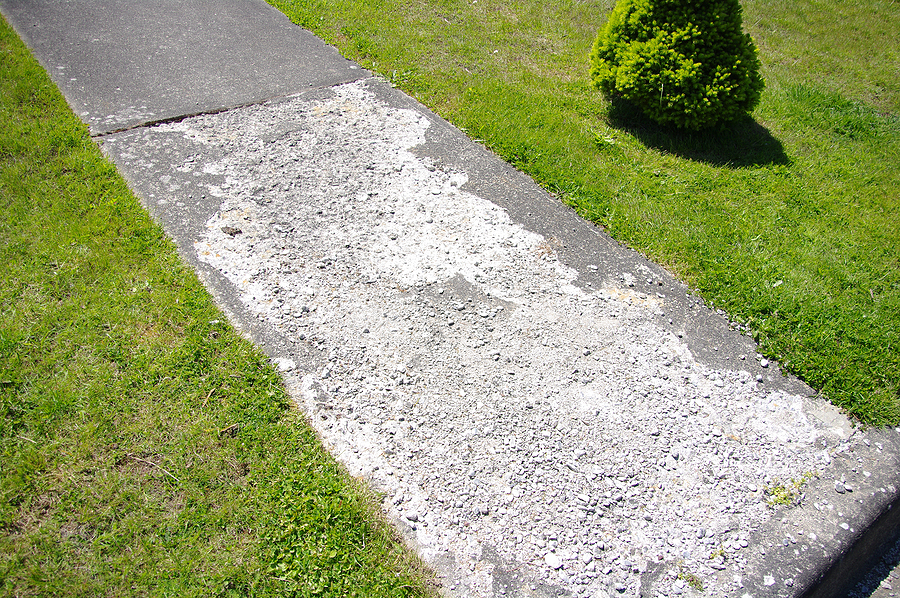
You can identify pavement surface scaling by looking for early signs of flaking, peeling, and chipping on the top layer of the concrete.
When the surface of your pavement begins to break down, it often starts as a minor cosmetic issue. You might notice small patches where the smooth finish has disappeared, leaving rough, exposed aggregate behind. This flaking progressively worsens as environmental stress continues to break down the cement paste that binds the materials together. Catching this early flaking is vital to protecting the deeper layers of your concrete slab.
Common Causes of Scaling in Cold Climates
Cold climates are particularly harsh on concrete surfaces. The most common culprit behind scaling is the freeze-thaw cycle. When water seeps into the microscopic pores of the concrete and freezes, it expands by about nine percent. This expansion creates immense internal pressure. When the ice thaws, it leaves behind larger gaps, allowing even more water to enter during the next freeze.
De-icing salts severely compound this problem. While salt is necessary for safe winter travel, it temporarily lowers the freezing point of water, leading to more frequent freeze-thaw cycles. Additionally, the chemicals in de-icing salts can react with the concrete paste, accelerating the deterioration process and causing the surface to scale much faster.
Understanding Rebar Corrosion Risks
Moisture and salt penetration break down the protective alkaline layer around the steel reinforcement, leading to internal structural damage and compromised stability.
Concrete is naturally alkaline, which usually protects the embedded steel rebar from rusting. However, as scaling and cracking expose the interior, water and chlorides from road salts easily penetrate the slab. Once these elements reach the steel, a chemical reaction occurs that destroys the protective layer. The rebar begins to oxidize and corrode, fundamentally weakening the pavement from the inside out.
Signs of Rust Staining and Concrete Spalling
Internal corrosion leaves visible clues on the surface. Rust staining is one of the most glaring indicators. As the steel reinforcement rusts, it “bleeds” through the concrete, leaving orange, brown, or reddish streaks on the surface.
As the steel rusts, it also expands up to six times its original volume. This massive internal pressure forces the surrounding concrete to crack and break away in large chunks, a process known as spalling. If you see deep craters or exposed, rusted steel on your pavement, the structural integrity is already failing, and immediate professional intervention is required.
Optimal Timing for Concrete Repairs
Addressing these concrete issues early prevents total pavement failure, significantly reducing repair costs and minimizing disruption to your property.
Timing is everything when it comes to infrastructure maintenance. Pavement spends the majority of its life cycle in excellent to fair condition, but once deterioration begins, it accelerates rapidly. Minor scaling can be repaired relatively affordably through resurfacing or sealing.
Delaying repairs allows moisture to reach the rebar, shifting the problem from a surface issue to a structural crisis. Concrete repair is generally much more affordable than full replacement. Early intervention saves property owners thousands of dollars while extending the usable life of the pavement by decades.
Professional Repair Methods for Lasting Results
Effective techniques for restoring pavement include concrete resurfacing, partial depth patching, epoxy injections, and applying corrosion inhibitors. A professional approach guarantees that the root cause of the damage is addressed, rather than just covering up the symptoms.
For widespread surface scaling without structural damage, concrete resurfacing is highly effective. Contractors apply a specialized overlay that bonds with the existing concrete, restoring the smooth finish and providing a new layer of protection against the elements.
When localized distress like popouts or deep spalls occur, partial depth patching is commonly used. This involves removing the deteriorated concrete, cleaning the area, and filling it with a high-strength repair mortar.
If rebar corrosion is detected, the repair process is more complex. Technicians often use epoxy injections to seal deep pavement cracks and prevent further moisture intrusion. They may also apply migrating corrosion inhibitors to the concrete surface. These chemicals travel through the concrete pores to form a protective layer over the steel rebar, halting the oxidation process and stabilizing the structure.
Frequently Asked Questions
How much does concrete resurfacing cost?
The cost of concrete resurfacing typically ranges from $3 to $10 per square foot, depending on the condition of the pavement and the materials used. This is significantly more cost-effective than a complete structural replacement.
Can I fix pavement scaling myself?
While minor surface sealants can be applied by property owners, repairing scaling and spalling requires professional expertise. DIY patches often fail because they do not bond properly or fail to address underlying moisture and salt penetration issues.
How long do professional concrete repairs last?
When performed correctly with high-quality materials and corrosion inhibitors, professional concrete repairs can extend the life of your pavement by 10 to 15 years, provided proper ongoing maintenance is observed.
Protecting Your Pavement Investment
Maintaining healthy pavement requires vigilance and a proactive approach. Understanding the early signs of scaling and rust staining gives you the power to act before minor damage evolves into a structural hazard. By prioritizing early repairs, you protect the safety of your property, enhance its appearance, and avoid the overwhelming costs of a complete pavement replacement.
If you are noticing the warning signs of scaling or spalling, do not wait for the damage to worsen. Contact our expert team for professional pavement repair services in Indianapolis, Indiana. We will assess your concrete, address any underlying corrosion, and restore your surfaces to their optimal condition.
Related Post: Smoothing the Surface: A Guide to Repairing Commercial Pavement