
Asphalt doesn’t last forever, but it doesn’t fail all at once either. It fades, cracks, and wears down in stages, and the right fix depends entirely on which stage your pavement is in. That’s where confusion sets in for most property owners: sealcoating and asphalt resurfacing both fall under “asphalt maintenance,” yet they solve very different problems.
Sealcoating is a protective treatment for pavement that’s still structurally sound. Resurfacing is a more involved repair for pavement that’s showing real wear but hasn’t failed at the base. Mixing them up can mean spending money on a fix that doesn’t actually solve your problem—or worse, missing damage that gets more expensive the longer it sits.
This guide breaks down what each process involves, how much they typically cost, and how to tell which one your driveway or parking lot actually needs.
What Is Sealcoating?
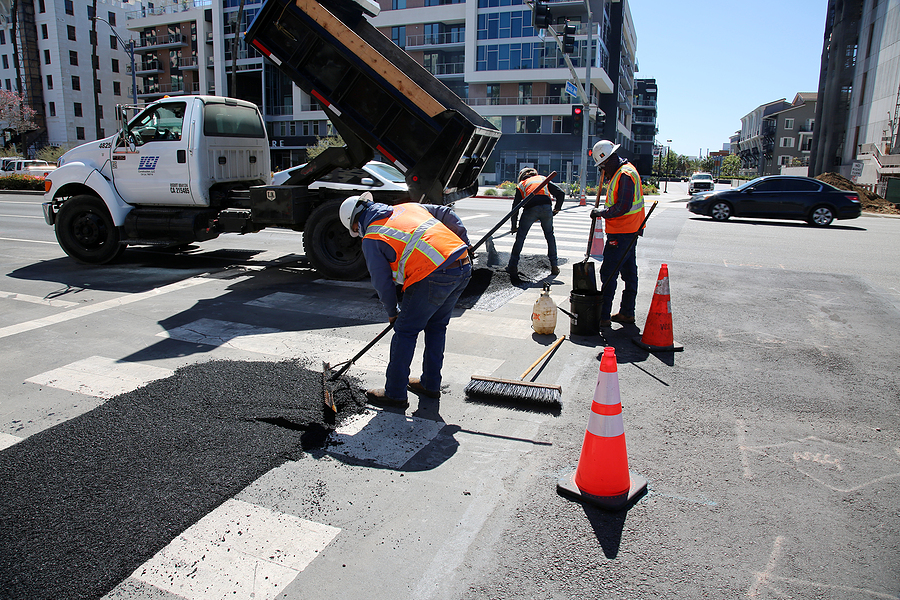
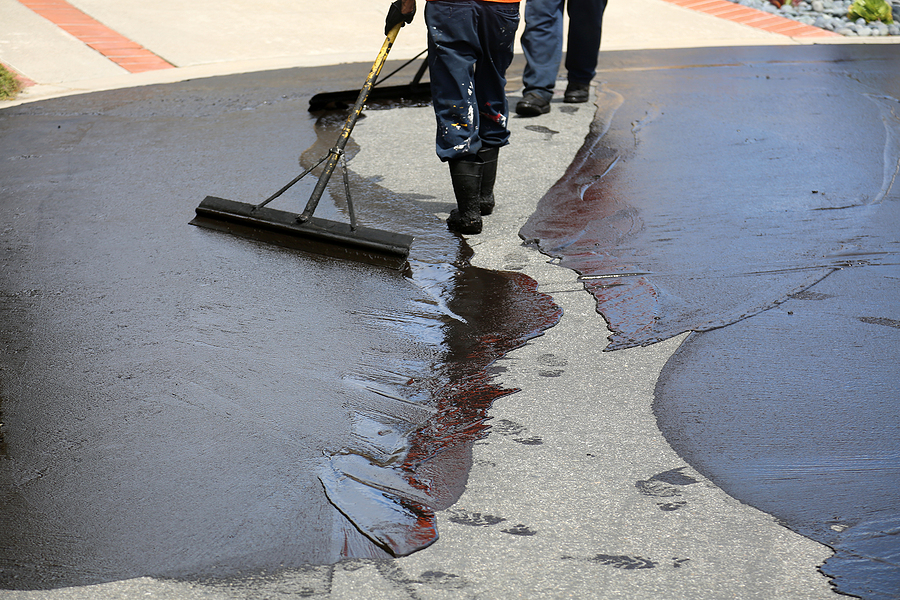
Sealcoating is a thin protective layer applied over existing asphalt to shield it from the elements. The sealer, typically coal-tar or asphalt-based, is applied after the surface is cleaned and any cracks are filled.
How Sealcoating Protects Your Pavement
Asphalt naturally oxidizes over time, turning from deep black to a faded gray. That color change signals the binder is drying out and becoming brittle. Sealcoating slows this process by blocking UV rays, water infiltration, and oil or chemical spills from penetrating the surface.
It’s worth noting that sealcoating adds no structural strength. It’s a preventative coating, not a repair.
How Often Should You Sealcoat?
Most contractors recommend sealcoating every two to five years, depending on traffic volume and local climate. New asphalt should cure for at least 90 days—and ideally six to twelve months—before its first sealcoat application. Application also requires temperatures consistently above 50°F, which generally limits the sealcoating season to late spring through early fall in Indiana.
Sealcoating Cost Considerations
Sealcoating is one of the more affordable ways to extend pavement life, generally running in the range of $0.15 to $0.25 per square foot for residential driveways. Commercial lot pricing varies based on size and site conditions. These figures are general industry estimates, not fixed pricing, so it’s best to request a quote based on your specific property.
What Is Asphalt Resurfacing?
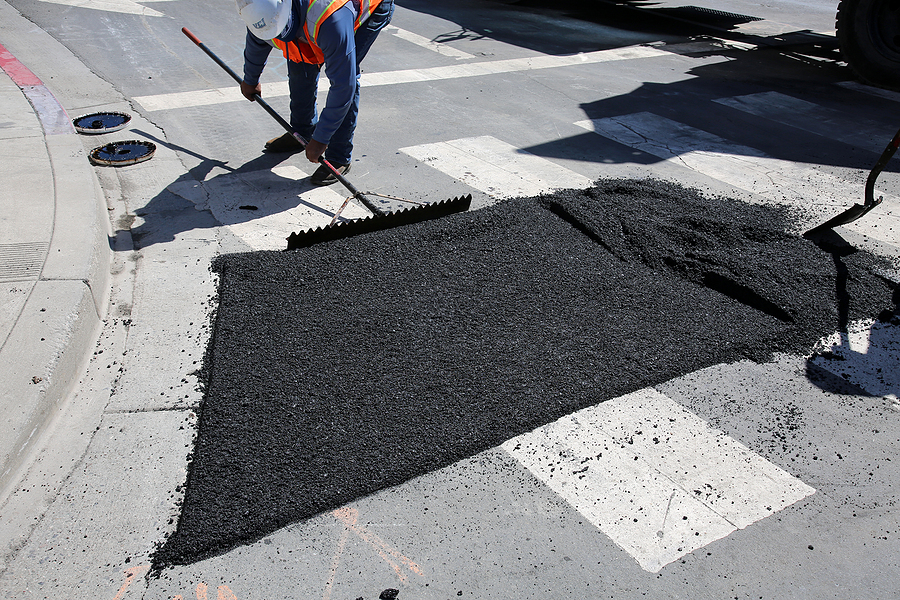
Asphalt resurfacing, sometimes called an overlay, involves applying a new layer of hot-mix asphalt—typically 1.5 to 2 inches thick—over the existing pavement. Unlike sealcoating, resurfacing addresses damage that’s gone beyond the surface.
The Resurfacing Process
Resurfacing starts with cleaning the pavement and repairing potholes or significant cracks. A tack coat is applied to help the new layer bond to the old surface, then the asphalt is laid and compacted using a paver and rollers. Some projects also include milling, which removes the top layer of old asphalt before the new layer goes down, typically adding $1 to $2 per square foot to the project.
Signs You Need Resurfacing, Not Just Sealing
If your pavement shows interconnected cracking, shallow potholes, crumbling edges, or areas that need constant patching, sealcoating alone won’t solve the problem. These are signs that the surface layer has deteriorated beyond what a protective coating can fix.
Resurfacing Cost and Long-Term Value
Resurfacing generally costs between $1 and $3 per square foot, making it roughly 40 to 60% less expensive than full pavement replacement. With proper maintenance, a resurfaced lot or driveway can last 8 to 15 years, especially if it’s sealcoated again once the new surface cures.
Key Differences Between the Two
Extent of Repair
Sealcoating is surface-level protection. Resurfacing is a structural-layer repair that replaces the top of the pavement entirely.
Cost Comparison and ROI
Sealcoating is cheaper upfront but needs to be repeated every few years. Resurfacing costs more initially but delivers a longer-lasting fix and higher return when the base is still solid.
Timeline and Disruption
Sealcoating cures relatively quickly, often within 24 to 48 hours before it can handle traffic again. Resurfacing takes longer, sometimes several days depending on the size of the project, since it involves prep work, paving, and compaction.
Longevity and Durability
Sealcoating can extend the life of sound pavement, with some industry estimates suggesting an added 10 to 15 years when applied consistently. Resurfacing resets the surface entirely, offering 8 to 15 years of durability on its own.
When to Choose Sealcoating
Sealcoating is the right call when your pavement is still structurally healthy. Good candidates typically show:
- Hairline to quarter-inch cracks
- Fading from black to gray
- Slight surface roughness without potholes or sinking
If your pavement fits this profile, sealcoating is an effective way to protect your investment before small issues turn into expensive repairs. Preventative maintenance like this is almost always cheaper than reactive repair.
When to Choose Asphalt Resurfacing
Resurfacing becomes necessary when damage goes beyond what sealcoating can address. Watch for:
- Widespread or interconnected cracking
- Shallow potholes or crumbling sections
- Areas that require frequent patching
One important caveat: alligator cracking, which looks like a spiderweb pattern, often signals that the base underneath has already failed. Resurfacing over a failing base only masks the problem temporarily, so a professional assessment is essential before committing to this option. In Indianapolis, freeze-thaw cycles make this especially important, since water trapped in cracks can expand and accelerate structural damage during winter months.
Frequently Asked Questions
Can sealcoating and resurfacing be used together?
Yes. The most effective long-term strategy is often to resurface pavement before the base deteriorates, then sealcoat the new surface regularly to protect it going forward.
How do I maintain asphalt between treatments?
Fill small cracks as soon as they appear, clear debris and standing water promptly, and avoid heavy loads or chemical spills that can accelerate wear. Routine inspections help catch problems before they require major repair.
Is sealcoating a waste of money if my pavement already has major damage?
If your pavement has potholes, significant cracking, or signs of base failure, sealcoating won’t fix the underlying issue. In these cases, resurfacing or a professional assessment is a better investment.
How do I know which treatment my pavement needs?
The clearest way is a professional evaluation. A trained eye can tell the difference between surface wear and structural failure, which isn’t always obvious to property owners.
Protect Your Pavement the Right Way
Sealcoating and asphalt resurfacing solve different problems at different stages of pavement life. Sealcoating protects asphalt that’s still structurally sound, while resurfacing repairs surface damage before it becomes a costly base failure. Knowing which one your property needs—and when—can save you significant money over time.
If you’re unsure which option fits your driveway or parking lot, contact ACI Asphalt & Concrete in Indianapolis, Indiana for a professional pavement assessment and get a maintenance plan tailored to your property.
Related Posts:
How Often Should You Sealcoat an Asphalt Parking Lot in Indiana?
Pavement Longevity: The Role of Commercial Sealing
Asphalt Overlay vs. Full Replacement: Which Does Your Parking Lot Need?