
Choosing a parking lot surface is one of the most consequential decisions a commercial property owner will make. It affects your upfront budget, your maintenance costs for decades to come, and even how customers perceive your business the moment they pull in.
Concrete and asphalt both have loyal advocates, and for good reason—each material brings distinct strengths to the table. Concrete offers exceptional longevity and a polished appearance, while asphalt delivers lower upfront costs and faster installation. Neither option is universally “better.” The right choice depends on your budget, your timeline, your climate, and how long you plan to own the property.
This guide breaks down the key factors commercial property owners in Indianapolis and Central Indiana should weigh before committing to concrete or asphalt: durability, installation, maintenance, climate resistance, aesthetics, and environmental impact.
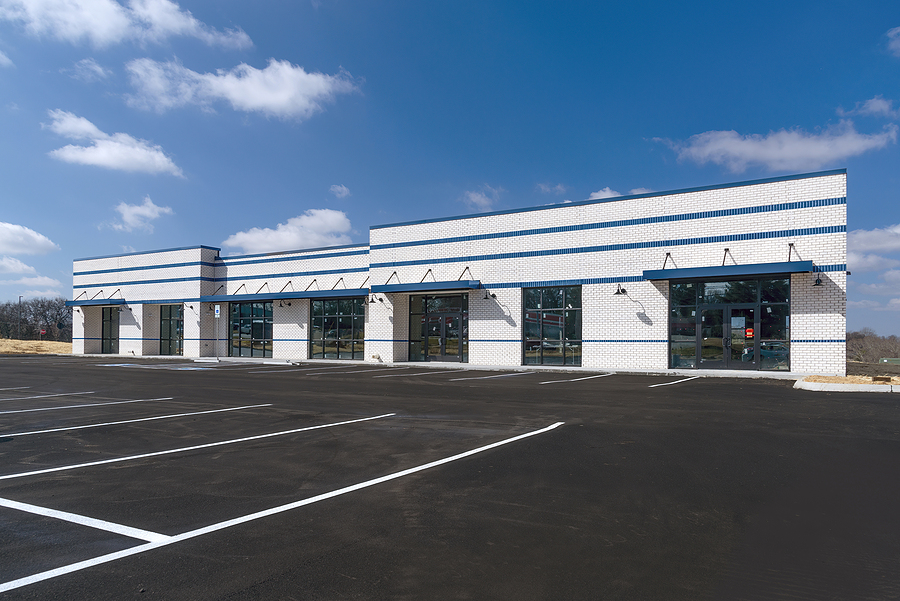
Durability and Lifespan: Concrete vs. Asphalt Parking Lots
Longevity is often the deciding factor for property owners planning years—or decades—of ownership.
How Long Does Concrete Last?
Concrete pavement is built to last. According to the Michigan Department of Transportation (cited by the Michigan Concrete Association), concrete pavement averages 27.5 years before requiring repairs, compared to 15.5 years for asphalt. That data comes from Michigan, a freeze-thaw climate comparable to Indiana’s, making it a relevant benchmark for Indianapolis property owners. Other industry estimates put concrete’s useful life even higher, in the 30- to 40-year range, when properly installed and maintained.
How Long Does Asphalt Last?
Asphalt typically lasts around 20 years, according to paving industry estimates. It’s a shorter lifespan than concrete, but asphalt compensates with lower upfront costs and simpler repair methods. When asphalt does fail, it tends to fail more gradually, showing cracks and surface wear long before structural problems develop.
Cost Implications Over Time
Here’s the tradeoff: concrete costs more upfront but spreads that investment over a longer service life, often resulting in a lower total cost of ownership. Asphalt costs less initially, but property owners should budget for more frequent resurfacing and repairs over the life of the parking lot.
Installation and Initial Costs for Commercial Parking Lots
Timeline and budget constraints often shape this decision just as much as long-term performance.
Concrete Installation Expenses and Timeline
Concrete parking lots generally carry a higher upfront price tag than asphalt. They also require curing time—commonly several days to a week—before the surface can handle full traffic. For businesses that can’t afford extended downtime, this timeline matters.
Asphalt Installation Costs and Speed
Asphalt is typically faster and less expensive to install. It cures quickly and can often reopen to traffic sooner than concrete, which makes it an attractive option for property owners working within tight deadlines or limited budgets for parking lot paving.
Budget Considerations for New Properties
New commercial developments often lean toward asphalt to manage initial construction costs, while established businesses planning for the long haul may find concrete’s durability worth the higher upfront investment.
Maintenance Requirements: What to Expect Long-Term
Ongoing upkeep is where the two materials diverge most clearly.
Concrete Maintenance Schedules and Costs
Concrete maintenance centers on routine inspection and joint upkeep. Properly designed concrete uses planned jointing to control cracking, and maintenance largely involves sealing those joints and monitoring for wear. Concrete requires less frequent intervention overall, which appeals to property owners who want to minimize ongoing disruption.
Asphalt Seal Coating and Patching Needs
Asphalt requires more active maintenance. Regular sealcoating, crack filling, and periodic resurfacing are standard parts of asphalt ownership. Asphalt’s flexibility diminishes as it oxidizes and becomes brittle over time, particularly in cold climates, accelerating the need for repairs.
Long-Term Upkeep Comparison
If minimizing hands-on maintenance is a priority, concrete has the edge. If you’re comfortable with a more active maintenance schedule in exchange for lower upfront costs, asphalt remains a practical choice.
Climate and Weather Resistance in Indiana
Indiana’s freeze-thaw cycles put real stress on parking lot surfaces, and this is a critical consideration for any Indianapolis property owner.
How Concrete Performs in Freeze-Thaw Cycles
Concrete can perform well in freeze-thaw climates when designed correctly—with proper subbase preparation, drainage management, adequate joint spacing, and air-entrained mixes that allow the material to expand and contract safely. Properly designed concrete also resists rutting from snowplow blades and repeated salt exposure, both common issues during Indiana winters.
Asphalt Behavior in Extreme Temperatures
Asphalt is inherently flexible, which helps it absorb some temperature-related stress. However, according to Asphalt Solutions, a Central Indiana paving contractor, the freeze-thaw cycle is the root cause of many spring pavement failures in the region. Water infiltrates cracks, freezes, expands, and widens those cracks, weakening the surface over time.
Regional Suitability Factors
Both materials can perform well in Indiana’s climate, but concrete generally requires less reactive maintenance to combat freeze-thaw damage, while asphalt demands more diligent, proactive care—especially heading into winter.
Aesthetic and Property Value Considerations
First impressions matter, and your parking lot is often a customer’s first interaction with your property.
Visual Appeal of Each Option
Concrete offers a clean, bright surface that many property owners associate with a more polished, upscale appearance. Asphalt’s dark, uniform finish gives properties a classic, well-maintained look when properly sealed and striped.
Impact on Commercial Property Appearance
A well-maintained parking lot, regardless of material, signals to customers that a business takes care of its property. Concrete’s brighter surface can also improve nighttime visibility and safety, potentially reducing the need for additional lighting.
Customer Perception Considerations
For retail, hospitality, or medical properties where image matters, concrete’s longevity and appearance may justify the higher investment. For industrial or warehouse properties prioritizing function over form, asphalt often meets the need just as effectively.
Environmental Impact of Concrete and Asphalt
Sustainability is increasingly part of the parking lot conversation for commercial property owners.
Concrete Sustainability and Recyclability
Concrete can be crushed and reused as aggregate in future construction projects, reducing landfill waste. Its lighter color also reflects more sunlight than asphalt, which can help reduce the urban heat island effect around large paved areas.
Asphalt Environmental Considerations
Asphalt is widely recycled; reclaimed asphalt pavement is commonly reused in new paving mixes, making it one of the most recycled materials in the construction industry. However, asphalt’s dark surface absorbs more heat, which can contribute to higher surface temperatures in summer months.
Green Parking Lot Options
Property owners interested in sustainability can explore permeable pavement systems, reclaimed materials, and lighter-colored surface treatments—options available with both concrete and asphalt installations.
Frequently Asked Questions
Is concrete or asphalt cheaper for a commercial parking lot?
Asphalt typically has a lower upfront installation cost, while concrete carries a higher initial investment but often lower long-term costs due to its extended lifespan and reduced maintenance needs.
How long does it take to install a concrete vs. asphalt parking lot?
Asphalt installs and cures faster, often allowing traffic to resume sooner. Concrete requires a longer curing period, commonly several days to a week, before it can handle full traffic loads.
Which material holds up better in cold climates like Indiana?
Both materials can perform well in freeze-thaw climates when properly designed and installed. Concrete resists rutting from plows and salt when built with proper drainage and air-entrained mixes, while asphalt requires more proactive maintenance to prevent crack-related freeze-thaw damage.
Is asphalt or concrete more environmentally friendly?
Both materials are recyclable. Asphalt is widely reclaimed and reused in new paving projects, while concrete can be crushed into aggregate for future construction. Concrete’s lighter surface also helps reduce heat absorption compared to asphalt.
How often does each surface need maintenance?
Concrete maintenance focuses on periodic inspection and joint sealing, requiring less frequent intervention. Asphalt needs more regular sealcoating, crack filling, and resurfacing to maintain its condition over time.
Choosing the Right Surface for Your Property
There’s no single right answer when it comes to concrete versus asphalt. Choose concrete if you’re planning long-term ownership, want to minimize ongoing maintenance, and can accommodate a higher upfront investment. Choose asphalt if you’re working within a tighter budget or timeline and don’t mind a more active maintenance schedule in exchange for lower initial costs.
Whatever direction makes sense for your property, the decision deserves a conversation with experienced professionals who understand your local climate, traffic patterns, and budget. ACI Asphalt & Concrete, serving Indianapolis, Indiana, offers both concrete and asphalt paving services and can help you evaluate which material fits your commercial property best. Contact ACI Asphalt & Concrete today for a professional consultation.
Related Posts:
Indiana Parking Lot Maintenance: Tips to Protect Your Pavement
Faded Parking Lines? When To Restripe Your Property
Transform Your Parking Lot with Effective Repair and Maintenance Strategies