
Pavement takes a beating. Day after day, your asphalt and concrete surfaces carry the weight of vehicles, soak up rain, and endure the punishing freeze-thaw cycles that define Indiana winters. Over time, that stress shows up as cracks, potholes, and worn patches that can turn a smooth lot into a liability.
The good news? Most pavement faults give you warning signs long before they become expensive problems. With regular inspections, you can catch small issues early, plan repairs on your own terms, and protect the investment you’ve made in your property. This guide breaks down the most common pavement faults, what causes them, and how routine inspections keep your surfaces safe and sound for years to come.
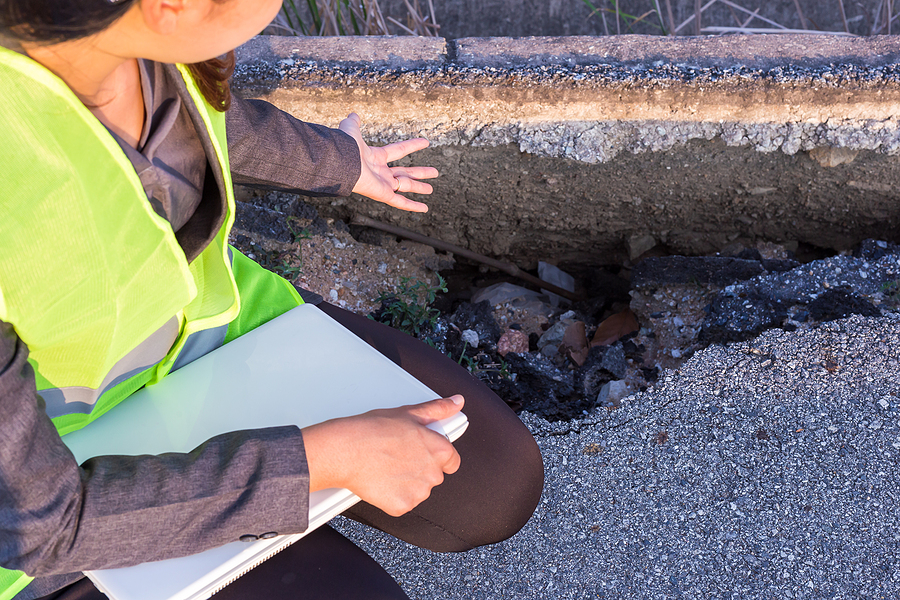
What Are the Most Common Pavement Faults?
Pavement deterioration rarely happens overnight. It builds gradually, often starting with a small flaw that spreads if left untreated. Here are the faults you’re most likely to encounter on commercial asphalt and concrete.
Cracks: Alligator, Longitudinal, Transverse, and Block
Cracking is usually the first sign that a pavement surface is under stress. Different crack patterns point to different underlying causes:
- Alligator cracking: Also called fatigue cracking, this interconnected web of cracks resembles the skin of an alligator. It signals a weakened base or subgrade, often caused by heavy loads or poor drainage.
- Longitudinal cracking: These cracks run parallel to the direction of traffic. They can result from poorly constructed joints, shrinkage, or reflective cracking from layers below.
- Transverse cracking: Running perpendicular to traffic, transverse cracks are often tied to temperature changes that cause the asphalt to contract.
- Block cracking: This pattern forms large, interconnected rectangles across the surface. It typically points to asphalt that has aged and lost its flexibility.
Each type tells a story about what’s happening beneath the surface, which is exactly why early identification matters.
Potholes: How They Form and Why They’re Dangerous
Potholes start small and grow fast. When water seeps into existing cracks and freezes, it expands and weakens the pavement. As traffic passes over the spot, the surface breaks apart and a pothole forms. In Indianapolis, where freeze-thaw cycles are frequent, this process accelerates during winter and early spring.
Beyond the eyesore, potholes pose real risks. They can damage vehicles, create trip hazards for pedestrians, and open your business up to liability claims. Addressing the cracks that feed them is far cheaper than repairing potholes themselves.
Rutting and Depressions: Causes and Impact
Rutting shows up as channeled grooves in the wheel paths of a pavement. It’s usually caused by inadequate compaction during installation or a weak subgrade that can’t support the load above it. Depressions are localized low spots that collect water, which speeds up further deterioration.
Both faults affect safety. Water that pools in ruts and depressions can lead to hydroplaning, and the uneven surface puts extra strain on vehicles.
Raveling and Bleeding: Surface Deterioration
Raveling occurs when the aggregate, the rocks that make up the asphalt, begins to break loose from the surface. It often starts with sand and smaller stones working free, leaving a rough, worn texture. Common causes include insufficient asphalt binder, dust-coated aggregate, or premature aging.
Bleeding is the opposite problem. It happens when excess asphalt binder rises to the surface, creating a shiny, sticky film. This usually points to too much binder in the mix and can make the pavement slippery in hot weather.
Why Regular Pavement Inspections Matter
Knowing the faults is one thing. Catching them early is what saves you money and headaches. Routine inspections are the foundation of smart pavement management.
Early Detection Saves Money
A hairline crack costs a few dollars to seal. Ignore it, and water gets in, the base weakens, and you’re looking at a pothole or full-depth parking lot repair that costs many times more. Regular inspections let you treat small problems while they’re still small, stretching your maintenance budget further.
Better Safety and Longer Pavement Life
Inspections help you spot trip hazards, drainage issues, and surface defects before they cause accidents or claims. Staying ahead of deterioration also extends the overall life of your pavement, delaying the major expense of complete replacement.
Inspection Techniques and Best Practices
Most inspections begin with a visual survey, the method standardized by ASTM International. Many property managers and contractors use the Pavement Condition Index (PCI), a 0 to 100 scale that rates surface distresses and helps prioritize repairs. Newer technologies, including drones and laser scanning, are increasingly used to capture detailed surface data on larger properties.
For best results, schedule a pavement inspection at least once or twice a year, and always after harsh winters. Document what you find so you can track how conditions change over time.
How to Prevent Pavement Faults With Timely Maintenance
Inspections tell you what needs attention. Maintenance is how you act on it. A few proactive measures can keep your pavement performing for decades.
Sealcoating and Crack Sealing
Sealcoating adds a protective layer that shields asphalt from water, UV rays, and chemicals. Crack sealing fills existing cracks before water can penetrate and cause deeper damage. Together, these two treatments are among the most cost-effective ways to extend pavement life.
Overlay and Resurfacing Options
When surface wear becomes widespread but the base is still sound, an overlay or mill-and-overlay can restore the pavement. Resurfacing removes the worn top layer and replaces it with fresh asphalt, giving you a smooth surface without the cost of full reconstruction.
Proper Drainage and Subgrade Preparation
Water is the number one enemy of pavement. Good drainage keeps water from pooling and seeping into the base, while proper subgrade preparation during installation gives the pavement a strong, stable foundation. Getting these elements right from the start prevents many faults before they ever appear.
Frequently Asked Questions
How often should I have my commercial pavement inspected?
Plan for at least one or two inspections per year, plus an extra check after severe winter weather. Frequent traffic or heavy loads may call for more.
What’s the difference between sealcoating and crack sealing?
Sealcoating applies a protective coat across the entire surface, while crack sealing fills individual cracks to block water. Many properties benefit from both.
Can small cracks really turn into potholes?
Yes. When water enters a crack and freezes, it expands and weakens the surrounding pavement. Traffic then breaks the area apart, forming a pothole. Sealing cracks early prevents this chain reaction.
Is it cheaper to repair or replace pavement?
Timely repairs are almost always cheaper than full replacement. Regular maintenance can delay reconstruction for years, making repair the smarter financial choice for most properties.
Stay Ahead of Pavement Problems
Pavement faults are predictable, and that’s good news. Cracks, potholes, rutting, and surface wear all follow patterns you can spot early with regular inspections and address with timely maintenance. A proactive approach keeps your property safe, protects your budget, and adds years to the life of your asphalt and concrete.
Ready to protect your investment? If you need commercial asphalt and concrete paving and repair in Indianapolis, schedule a bid today and let our team help you keep your pavement in top condition.
Related Post: Why Timely Pavement Inspections Can Save Your Business Money