
Asphalt surfaces take a beating in Indiana. From freezing winters and spring rain to summer heat and heavy vehicle traffic, driveways, parking lots, and private roads need regular care to stay safe and functional.
For property owners, routine asphalt maintenance can help prevent cracks, potholes, drainage problems, and costly repairs. Whether you manage a commercial parking lot, own rental property, or want to protect your home’s driveway, a proactive maintenance plan can extend the life of your asphalt surface.
Why Asphalt Maintenance Matters in Indiana
Indiana weather creates tough conditions for asphalt. Freeze-thaw cycles, standing water, snow removal, road salt, and temperature swings can all weaken pavement over time.
Small cracks may not seem urgent, but they allow water to enter the base beneath the asphalt. Once water freezes and expands, the damage can spread quickly.
Regular maintenance helps protect your investment, improves curb appeal, reduces liability risks, and keeps your pavement safer for drivers, customers, tenants, and visitors.
Inspect Your Asphalt Regularly
Routine inspections are one of the easiest ways to catch pavement issues early. Property owners should walk the asphalt surface at least a few times per year, especially after winter and after heavy storms.
Look for Early Warning Signs
Common signs of asphalt damage include:
- Cracks
- Potholes
- Standing water
- Faded or gray pavement
- Crumbling edges
- Loose gravel
- Oil stains
- Drainage problems
- Uneven surfaces
If you notice damage forming, it is usually better to address it early instead of waiting for the problem to grow.
Sealcoat Asphalt for Long-Term Protection
Sealcoating adds a protective layer over asphalt pavement. It helps defend the surface against UV rays, water, oil, chemicals, and general wear. For many Indiana properties, sealcoating every few years can help extend pavement life and improve the overall appearance of a driveway or parking lot.
Benefits of Sealcoating
Sealcoating can help:
- Slow surface deterioration
- Protect against moisture
- Improve curb appeal
- Reduce oxidation
- Make pavement easier to clean
- Create a darker, fresher-looking surface
Sealcoating is not a fix for major cracks, potholes, or base failure. Those issues should be repaired before sealcoat is applied. Schedule asphalt sealcoating service with ACI Aphalt & Concrete, today.
Repair Cracks Before They Spread
Crack repair is one of the most important asphalt maintenance steps for Indiana property owners. Cracks give water a direct path into the pavement base. Once moisture gets below the surface, it can cause soft spots, potholes, and structural problems.
When Should Asphalt Cracks Be Repaired?
Cracks should be repaired as soon as possible, especially before winter. Sealing cracks before freezing temperatures arrive can help reduce damage from ice expansion. Small cracks are usually easier and more affordable to repair than large cracks or potholes.
Fix Potholes Quickly
Potholes are more than an eyesore. They can damage vehicles, create trip hazards, and make a property look poorly maintained. In parking lots, potholes can also affect traffic flow and customer safety.
What Causes Potholes?
Potholes often form when water enters cracks, weakens the base, and expands during freezing weather. Heavy traffic then breaks apart the weakened asphalt. Prompt pothole repair can help prevent the surrounding pavement from breaking down further.
Keep Water Draining Away From Pavement
Water is one of asphalt’s biggest enemies. Poor drainage can shorten the life of a driveway, parking lot, or access road. Standing water can weaken the pavement structure, widen cracks, and increase the risk of potholes.
Drainage Tips for Property Owners
To help protect your asphalt, keep gutters, drains, and nearby landscaping clear. Watch for low spots where water collects after rain. If water continues to pool on your pavement, the area may need professional grading, patching, or drainage improvements.
Clean Oil, Fuel, and Chemical Spills
Oil, gasoline, and other chemicals can break down asphalt over time. These spills are especially common in parking lots, loading areas, driveways, and commercial properties. Cleaning spills quickly can help reduce surface damage and staining.
Best Practice for Asphalt Cleaning
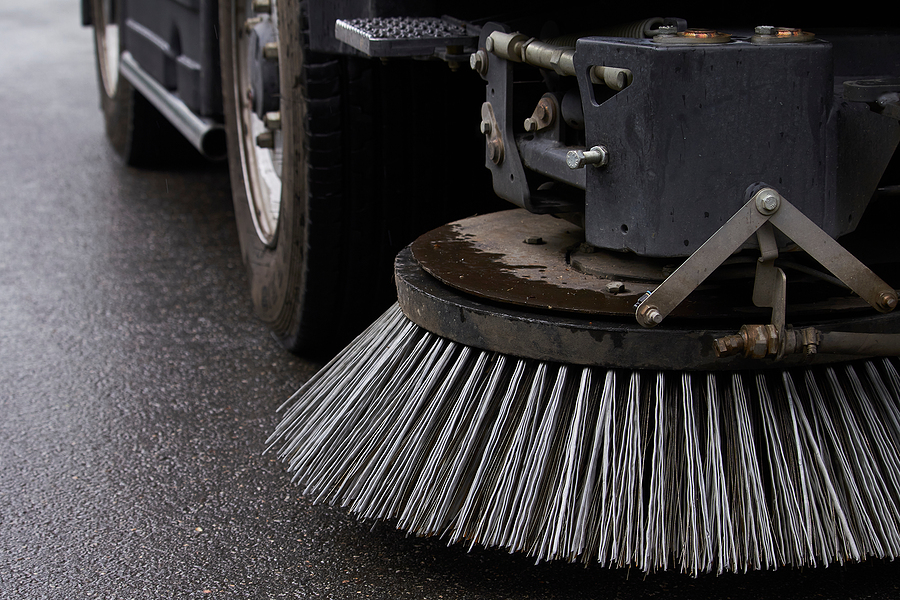
Use absorbent material for fresh spills, then clean the area with an asphalt-safe cleaner. Avoid harsh chemicals that may make the problem worse. For commercial properties with frequent vehicle traffic, regular sweeping and cleaning can help preserve the surface.
Protect Asphalt During Snow and Ice Season
Indiana winters can be hard on asphalt. Snowplows, ice, salt, and freeze-thaw cycles can all contribute to pavement damage. Before winter arrives, property owners should repair asphalt cracks, address potholes, and check drainage.
Snow Removal Tips
Use proper plow settings to avoid scraping or gouging the pavement. Mark curbs, edges, drains, and speed bumps before snow season. Avoid overusing deicing products, and clean up excess material when possible.
Maintain Parking Lot Striping and Safety Features
For commercial properties, asphalt maintenance is not only about the pavement surface. Parking lot markings, ADA spaces, fire lanes, arrows, and pedestrian areas also need attention. Fresh striping improves safety, traffic flow, and the appearance of your property.
Signs You Need New Striping
Consider restriping your parking lot when lines become faded, hard to see, or confusing for drivers. Clear pavement markings help customers and employees move through the property more safely.
Know When Asphalt Needs Resurfacing or Replacement
Not every asphalt issue can be solved with crack filling or patching. If the pavement has widespread cracking, major drainage problems, sinking areas, or repeated potholes, it may need resurfacing or replacement.
Asphalt Resurfacing vs. Replacement
Resurfacing adds a new asphalt layer over the existing pavement after proper preparation. This can be a good option when the base is still stable. Replacement may be needed when the pavement base has failed or the surface has too much structural damage.
A professional Indianapolis asphalt contractor can inspect the area and recommend the best repair option.
FAQ About Asphalt Maintenance in Indiana
How often should asphalt be sealcoated in Indiana?
Many asphalt surfaces benefit from sealcoating every few years, depending on traffic, weather exposure, pavement age, and overall condition. Commercial parking lots may need more frequent care than residential driveways.
What is the best time of year for asphalt maintenance?
Spring, summer, and early fall are often ideal for many asphalt maintenance services. Warmer weather allows materials to cure properly and gives property owners time to prepare pavement before winter.
Should cracks be repaired before sealcoating?
Yes. Cracks, potholes, and damaged areas should usually be repaired before sealcoating. Sealcoat protects the surface, but it does not correct structural pavement problems.
How can I make my asphalt last longer?
Regular inspections, crack repair, sealcoating, pothole repair, proper drainage, and routine cleaning can all help extend the life of asphalt pavement.
Protect Your Asphalt Before Small Problems Grow
Asphalt maintenance is one of the best ways Indiana property owners can protect their pavement, improve curb appeal, and reduce long-term repair costs. Small issues like cracks, drainage problems, and surface wear can become expensive if ignored.
By keeping up with inspections, sealcoating, repairs, cleaning, and winter preparation, you can help your asphalt last longer and perform better year-round.
For professional asphalt paving and repair in Indianapolis, Indiana, contact ACI Asphalt & Concrete today to request service and keep your pavement in excellent condition.
Related Post: The Complete Asphalt Maintenance Schedule for Property Managers