
Pulling into a well-maintained parking lot instantly puts visitors at ease. Crisp, bright lines guide vehicles safely into spaces, designate pedestrian walkways, and clearly mark accessible areas. These markings quietly direct the flow of daily traffic, keeping everyone safe before they even step through your front doors.
But over time, those vibrant lines inevitably fade. Constant exposure to heavy vehicles, harsh weather, and snow plows takes a heavy toll on pavement paint. When markings become difficult to read, your property experiences a sharp increase in fender benders, parking confusion, and potential accessibility violations.
Maintaining clear pavement markings requires regular attention. This guide explains the key factors that cause paint to deteriorate, the obvious signs that you need a fresh application, and the best materials for your specific property needs.
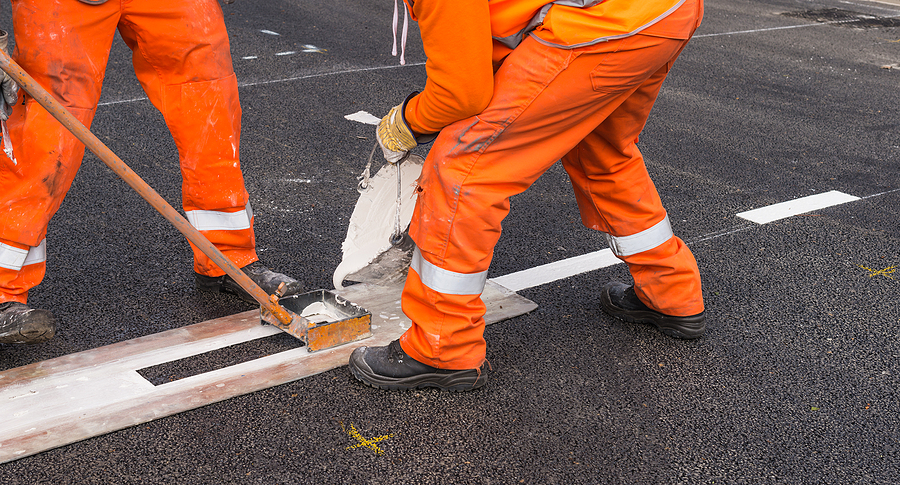
Factors Influencing Road Marking Deterioration
Pavement paint does not last forever. Several specific variables dictate exactly how quickly your lot will lose its crisp appearance.
Traffic Volume and Vehicle Type
Heavy traffic accelerates wear and tear. A bustling retail center experiences constant friction from turning tires, which rubs away the top layer of paint. Facilities that accommodate heavy commercial trucks or delivery vans will see their markings fade much faster than a small office building with light passenger vehicle traffic.
Weather Conditions and Environmental Exposure
Mother Nature is notoriously harsh on asphalt. Baking summer sun causes ultraviolet degradation, leading to severe fading and chalking. In colder climates, freeze-thaw cycles cause the pavement to expand and contract, which fractures the paint layer. Furthermore, the scraping blades of winter snow plows can physically shave off entire sections of your striping.
Quality of Original Materials and Application
The longevity of your pavement markings relies heavily on the initial installation. Applying cheap paint over a dirty, unprepared surface guarantees a short lifespan. Premium materials that are applied by experienced paving professionals will bond securely to asphalt or concrete, resisting the daily abuse of traffic and weather.
Signs It’s Time for Re-Striping
Property owners should routinely inspect their parking lots. Look for these clear indicators that your pavement needs a fresh coat of paint.
Faded or Disappearing Lines
This is the most obvious sign of trouble. If your lines look more gray than bright white or yellow, drivers will struggle to see them. This visibility issue becomes incredibly dangerous during heavy rainstorms or nighttime hours.
Cracking or Peeling Paint
Paint should form a smooth, solid barrier on your pavement. When you notice widespread flaking, cracking, or chipping, the material has lost its bond with the asphalt beneath it.
Confusion or Safety Concerns
Pay attention to how people behave in your lot. If visitors frequently park over the lines, drive the wrong way down lanes, or ignore crosswalks, your markings are no longer doing their job. A sudden uptick in minor collisions or customer complaints is a massive red flag.
Changes in Regulations or Layout Needs
Sometimes you need to repaint to stay legally compliant. For example, federal ADA standards require accessible spaces to be at least 96 inches wide. Additionally, specific states have unique mandates. Indiana code requires accessible parking spaces and access aisles to be designated with blue lines. If your current layout fails to meet these specific regulations, you must re-stripe immediately.
The Benefits of Timely Re-Striping
Investing in routine parking lot maintenance yields significant returns for your business.
Enhanced Safety for Pedestrians and Drivers
Clear markings eliminate the guesswork for drivers. By defining strict traffic flow patterns and clear crosswalks, you drastically reduce the risk of collisions. Properly organized spaces also prevent vehicles from crowding each other, minimizing frustrating door dings.
Improved Aesthetics and Professional Appearance
Your parking lot provides the very first impression of your business. Fresh, high-contrast striping looks incredibly sharp against dark asphalt. It signals to your customers that you care about the details and take pride in your facility.
Compliance with ADA and Local Regulations
Failing to meet accessibility standards invites steep fines and potential lawsuits. Proper pavement line striping services ensures your facility welcomes everyone, providing adequate space and clear access aisles for individuals with disabilities.
Increased Property Value and Curb Appeal
A neglected parking area drastically reduces a property’s perceived value. If you plan to lease out retail space or eventually sell the building, a pristine, clearly marked lot makes the real estate vastly more attractive to potential buyers or tenants.
Choosing the Right Time for Re-Application
Timing your maintenance project correctly ensures the best possible results and prevents frustrating delays.
Seasonal Considerations
Weather dictates when you can successfully paint asphalt. Waterborne paints require dry conditions and ambient temperatures above 50 degrees to cure properly. Applying materials right before a heavy rainstorm will wash away your investment.
Minimizing Business Disruption
You cannot simply close your entire lot during your busiest hours. Experienced paving contractors will work with you to schedule the project in phases, often completing the work during evening hours, weekends, or slower business days to keep your facility accessible.
Professional Assessment and Consultation
Consulting with an experienced asphalt and concrete paving company removes the guesswork. They can evaluate your pavement condition, identify structural issues that need patching prior to painting, and recommend the most cost-effective timeline for your business.
Types of Road Marking Materials and Their Lifespan
Contractors use different materials based on traffic volume, budget, and local climate.
Traffic Paint
Standard traffic paint is the most common and economical choice. Waterborne paints are environmentally friendly and apply easily, typically lasting up to two years in low-to-moderate traffic. Solvent-based paints offer slightly better durability and hold up well in colder climates, though they contain harsher chemicals.
Thermoplastic
Thermoplastic is a highly durable material made from plastic resins and glass beads. It is melted down and applied at high heat, creating a thick, reflective layer that bonds aggressively to the road surface. While it requires a higher upfront investment, thermoplastic markings often last between five and ten years, making them ideal for heavy-traffic areas.
Epoxy
Epoxy markings consist of a two-part resin mixed right before application. This material provides exceptional durability and resists harsh chemicals, salt, and heavy plow damage. It is a fantastic option for high-volume commercial properties and concrete surfaces.
Frequently Asked Questions about Road Marking Maintenance
How long do road markings typically last?
As a general rule, commercial parking lots should be re-striped every two to three years. However, high-traffic retail centers may require annual touch-ups, while low-volume office parks might stretch their timeline to four years.
What happens if I don’t re-stripe my parking lot?
Neglecting your pavement markings leads to chaotic traffic flow, an increase in accidents, and a sloppy property appearance. More importantly, faded accessible markings leave you vulnerable to severe ADA compliance penalties and legal action.
Can re-striping be done during business hours?
Yes, but it requires careful planning. Professionals can section off portions of your parking lot to ensure you maintain customer access. However, many property managers prefer scheduling this work after hours or on weekends to minimize inconvenience entirely.
How do I know which material is best for my property?
The right choice depends entirely on your specific traffic volume, budget, and weather conditions. A reputable contractor will assess your facility and recommend a material that balances longevity with your financial requirements.
Prioritizing Clear and Safe Pavement
Property maintenance requires proactive decision-making. Allowing your pavement markings to fade into obscurity puts your visitors at risk and exposes your business to unnecessary liability. By learning the signs of deterioration and utilizing the correct materials, you protect your property investment and provide a welcoming, organized environment for every person who visits your facility.
If your commercial lot looks faded, we are here to help. Contact us for professional commercial road markings and line striping services in Indianapolis, Indiana. Schedule an estimate today.
Related Post: When to Re-Stripe Your Parking Lot