
Seeing weeds sprout through the cracks in your driveway or sidewalk can be incredibly frustrating. What starts as a tiny sliver of green can quickly grow into a stubborn problem that affects the overall look of your property. However, pavement vegetation is more than just a cosmetic nuisance. Left unchecked, those roots can expand and cause serious damage to your concrete surfaces.
Concrete is designed to be strong and durable, but it is not entirely immune to the forces of nature. Plant roots seek out moisture and naturally grow into the smallest fissures. Over time, the pressure from these growing roots can widen cracks, heave pavement, and ultimately lead to costly repairs. Catching and treating these issues early is essential for preserving the lifespan of your concrete.
In this guide, we will explore the most effective ways to manage and prevent weed growth on your paved surfaces. From simple manual removal techniques to long-term preventative design, you will learn practical steps to keep your concrete looking clean, remaining structurally sound, and lasting for years to come.
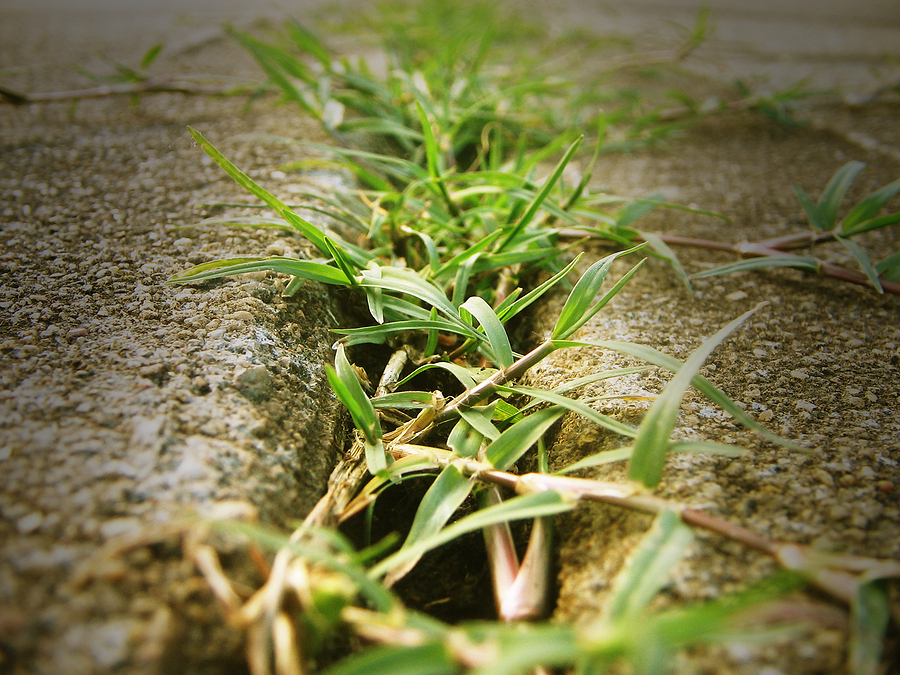
Why Vegetation Control Matters for Pavements
Controlling vegetation is a critical part of routine property maintenance. When you allow weeds and grass to thrive in pavement joints, you are essentially inviting moisture to pool in those areas. Moisture is concrete’s biggest enemy, especially in regions that experience harsh freeze-thaw cycles. Keeping the joints clear allows water to drain properly, protecting your paved surfaces from rapid deterioration.
Common Types of Vegetation Affecting Pavements
Different types of plants pose different challenges for concrete maintenance. Grasses have fine, creeping root systems that easily slip into hairline cracks. Broadleaf weeds, such as dandelions, often develop deep taproots that anchor firmly and exert significant outward pressure as they grow. Moss and algae tend to grow in shaded, damp areas, retaining moisture against the concrete surface and creating slippery hazards.
The Impact of Uncontrolled Vegetation on Pavement Integrity
Structural Damage Risks
A weed growing through a crack might seem harmless, but its roots act like tiny wedges. As the plant absorbs water and grows, the roots expand with surprising force. This pressure can cause the concrete to crack further, crumble at the edges, or even lift entirely. Once the structural integrity is compromised, water easily penetrates the sub-base, leading to potholes and severe degradation.
Safety Concerns and Aesthetic Decline
Beyond structural risks, overgrown vegetation poses a direct safety hazard. Weeds and moss can make walkways incredibly slippery, increasing the risk of slip-and-fall accidents for pedestrians. Furthermore, a driveway or sidewalk overrun with weeds gives a property an unkempt appearance, significantly lowering its curb appeal and overall value.
Effective Strategies for Pavement Vegetation Management
Manual Removal Techniques
For small, isolated patches of weeds, manual removal is often the quickest solution. Using a specialized crevice tool or a stiff wire brush allows you to scrape plants out of the joints. To ensure the weed does not simply grow back, you must remove the entire root system. Doing this after a light rain can make the roots easier to pull from the soil.
Chemical Control Methods
When dealing with widespread weed growth, herbicides provide a more efficient solution. Non-selective herbicides will kill any plant they touch, making them ideal for clearing pavement cracks. Pre-emergent herbicides can be applied in the spring to stop weed seeds from germinating in the first place. Always follow the manufacturer’s safety instructions to protect yourself and surrounding desirable plants.
Biological Control Options
In certain agricultural or large-scale commercial settings, biological controls can be used to manage vegetation. This involves introducing natural predators or specific plant pathogens that target the weeds without harming the environment. While less common for standard residential driveways, it remains a viable option for extensive concrete networks.
Preventative Measures for Long-Term Vegetation Suppression
Proper Pavement Design and Installation
The best way to stop weeds is to build a pavement system that discourages them from the start. Proper concrete pavement installation includes a well-compacted sub-base that limits the amount of soil and organic matter directly beneath the joints. Additionally, filling expansion joints with high-quality, flexible sealants blocks dirt and seeds from settling into the crevices.
Regular Inspection and Early Intervention
Consistency is key to maintaining clear concrete. Make a habit of walking your property monthly to inspect driveways, sidewalks, and patios. Treating small weeds before they establish deep taproots will save you from major structural headaches down the road. Keep your concrete swept clean of soil and debris so seeds have no place to take root.
Eco-Friendly Approaches to Vegetation Control
Sustainable Solutions for Pavement Maintenance
If you prefer to avoid harsh chemicals, there are several environmentally friendly alternatives available. Pouring boiling water directly onto weeds is a highly effective way to scald the plant and destroy the root system. Horticultural vinegar, which has a higher acetic acid concentration than household vinegar, also serves as a potent natural weed killer.
Minimizing Environmental Impact
When using any weed control method, it is important to consider the surrounding ecosystem. Runoff from chemical herbicides can contaminate local water systems or harm nearby lawns and gardens. Opting for natural solutions or applying chemical treatments precisely with a targeted sprayer helps minimize your environmental footprint while keeping your pavement clean.
Choosing the Right Vegetation Control Plan
Assessing Your Specific Pavement Needs
Every property is different, and your vegetation control plan should reflect your specific environment. Consider the age of your concrete, the amount of shade the area receives, and the types of weeds native to your region. A heavily shaded, damp walkway will require different maintenance than a driveway baking in the afternoon sun.
Factors to Consider for Optimal Results
When building your maintenance plan, weigh factors such as budget, time, and long-term goals. Manual removal costs nothing but requires regular effort. Professional sealcoating and joint sealing require an upfront investment but offer superior long-term protection against both weeds and weather damage.
Pavement Vegetation Control FAQs
Can I use a pressure washer to remove weeds from concrete?
Yes, a pressure washer can effectively blast weeds and dirt out of concrete joints. However, you must be careful not to damage the concrete surface or wash away the sand and sealant that protects the joints.
Will sealing my concrete stop weeds from growing?
Sealing the surface and applying a flexible joint filler greatly reduces weed growth. It prevents seeds and dirt from settling into the cracks where weeds typically germinate.
How often should I treat my pavement for weeds?
For the best results, apply a pre-emergent treatment in the early spring, and spot-treat any visible weeds throughout the summer and fall. Regular sweeping also helps reduce the buildup of organic matter.
Protecting Your Pavement Investment
Staying ahead of weed growth is a simple but vital part of property ownership. By taking the time to remove unwanted vegetation and seal vulnerable cracks, you protect your concrete from structural damage and preserve its pristine appearance. A proactive approach to pavement care ensures your walkways and driveways remain safe and beautiful for everyone who uses them.
If your concrete has already suffered damage from root growth, or if you need professional joint sealing to prevent future issues, we are here to help. Contact ACI Asphalt & Concrete for expert concrete paving and repair in Indianapolis. We proudly serve residential and commercial properties throughout Central Indiana, delivering reliable solutions to keep your pavement in top condition.
Related Post: Vegetation Control For Commercial Pavements and Parking Lots