How Indiana Weather Impacts Your Commercial Pavement

Indiana is known for its distinct four seasons. While residents might enjoy the variety, property managers know that the shifting weather presents a significant challenge for infrastructure. Your commercial pavement is exposed to the elements 24 hours a day, 365 days a year. From the scorching humidity of July to the deep freezes of January, these environmental stressors wage a constant war on asphalt and concrete.

Understanding how each season affects your parking lot or driveway is the first step in protecting your investment. A parking lot is often the first interaction a customer has with a business. A surface riddled with potholes or crumbling edges sends the wrong message, but more importantly, it poses safety risks and leads to expensive emergency repairs.

By recognizing the signs of seasonal wear and tear, you can take proactive steps to extend the lifespan of your pavement.
Call 317-549-1833 to Speak With Our Commercial Pavement Contractors in Indianapolis

Seasonal Effects on Indiana Asphalt and Concrete

How Spring Affects Pavements

Spring in Indiana is often welcomed for its warmer temperatures, but for pavement, it is the season where the damage from winter finally reveals itself. As the snow melts and the ground thaws, the structural integrity of your paved surfaces is put to the test.

The Thaw and Water Infiltration

The most significant issue during spring is the aftereffect of the freeze-thaw cycle. During winter, moisture seeps into small cracks. When that water freezes, it expands, pushing the pavement apart. When spring arrives and the ice melts, it leaves behind voids and wider cracks.

Additionally, spring is notorious for heavy rainfall. If your pavement has poor drainage, standing water can seep into the sub-base—the foundation of your parking lot. When the sub-base softens due to excess moisture, it can no longer support the heavy weight of vehicles above it. This leads to alligator cracking (a series of interconnected cracks resembling reptilian skin) and eventually, potholes.

Debris Accumulation

Spring also reveals the debris left behind by melting snow piles. Sand, gravel, and trash can clog drainage systems, exacerbating water issues. A thorough inspection in spring helps identify these drainage blockages and the early formation of potholes before they become vehicle-damaging hazards.

Summer Heat Versus Asphalt

While we often associate pavement damage with cold weather, the intense heat of an Indiana summer can be just as destructive, particularly to asphalt surfaces.

Oxidation and Brittleness

The sun produces powerful ultraviolet (UV) rays that react with the oils in asphalt. Over time, this exposure causes oxidation. You can spot this easily: a fresh parking lot is a deep, rich black, while an older, oxidized lot turns a faded gray. As the oils dry out, the asphalt loses its flexibility. Instead of flexing under the weight of traffic, the pavement becomes brittle and prone to cracking.

Softening and Tracking

On particularly hot days, asphalt absorbs heat and can become soft. In high-traffic areas or spots where heavy trucks turn their wheels while stationary, the surface can distort or scuff. You might also notice “tracking,” where the softened asphalt sticks to tires and is tracked across the lot or onto concrete sidewalks.

Vegetation Growth

Summer is also the peak growing season for weeds. If you have unsealed cracks, weeds will find a way to root in them. As these roots grow and expand, they act like a wedge, forcing the crack open wider and causing further structural damage to the surface.

Book Your Next Commercial Pavement Service Now

Fall is the Season for Pavement Maintenance

Autumn is often considered the “Goldilocks” season for pavement maintenance. The temperatures are typically moderate—neither too hot nor too cold—making it the ideal time to prepare your commercial property for the harsh winter ahead.

The Pre-Winter Seal

Neglecting maintenance in the fall is a gamble. Any cracks that currently exist in your pavement will become entry points for water once the snow begins to fall. Fall is the crucial window for crack sealing and filling. By sealing these gaps now, you prevent water from penetrating the sub-base during the winter months.

Leaf Buildup and Moisture Retention

Falling leaves can be more than just a nuisance; they can be a hazard. Wet leaves on pavement create a slippery surface for pedestrians and vehicles. Furthermore, if leaves pile up in corners or over storm drains, they trap moisture against the asphalt. This prolonged dampness accelerates deterioration and can create weak spots that are highly susceptible to freezing later in the year.

Parking Lot Damage in the Winter

Winter is undeniably the harshest season for commercial pavement in Indiana. The combination of freezing temperatures, precipitation, and maintenance activities creates a “perfect storm” for degradation.

The Freeze-Thaw Cycle

This is the primary enemy of pavement longevity. As mentioned earlier, water expands by about 9% when it freezes. If water is trapped beneath your pavement or within a crack when the temperature drops, the expansion exerts tremendous pressure on the asphalt. When it thaws, the pavement contracts, but the structural damage remains. This cycle repeats dozens of times throughout an Indiana winter, turning small hairline fractures into gaping potholes.

De-icing Chemicals

To keep customers safe, property managers rely on salts and chemical de-icers. While necessary for safety, these compounds can be corrosive. They can accelerate the breakdown of the binder in asphalt and cause pitting or scaling in concrete surfaces. The chemicals also lower the freezing point of water, which can actually increase the number of freeze-thaw cycles the pavement endures.

Physical Damage from Snow Removal

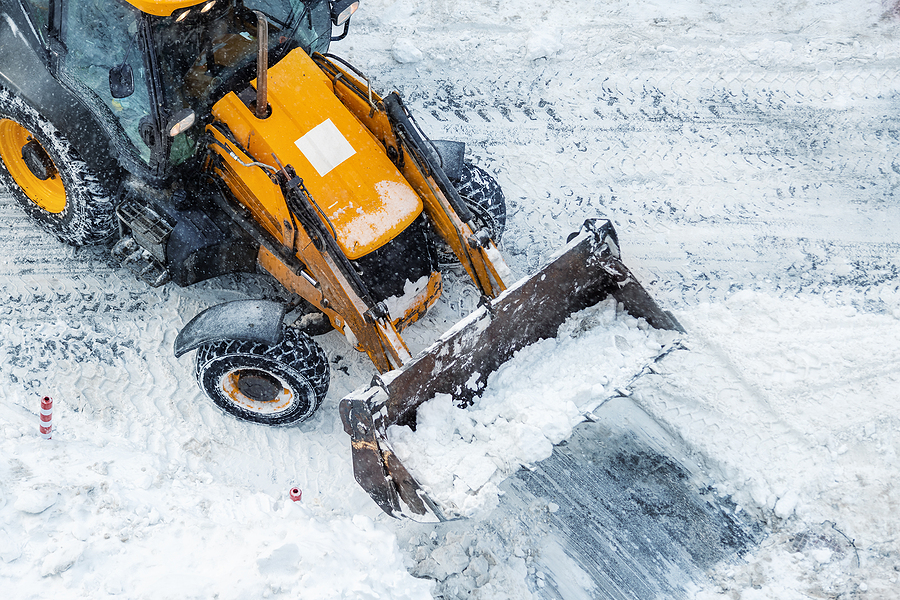
Snowplows are heavy and aggressive. If a plow blade catches the edge of a crack, a raised section of pavement, or a curb, it can rip up chunks of material. Heavy machinery moving over brittle, frozen pavement can also cause stress cracks, particularly in areas where the sub-base has been compromised.

The Benefits of Regular Pavement Inspections

Given the year-round assault on your commercial pavement, a reactive approach—waiting until a massive pothole appears—is the most expensive way to manage your property. Regular professional inspections offer a proactive alternative that protects your bottom line.

Early Detection and Cost Savings

The most significant benefit of regular inspections is financial. Fixing a small crack with sealant costs pennies on the dollar compared to repairing a large pothole or repaving a failed section of a lot. An inspection identifies minor issues while they are still inexpensive to repair, extending the overall life of the pavement by years.

Reduced Liability and Improved Safety

As a property owner or manager, you are responsible for the safety of everyone who visits your site. Trips and falls are common in parking lots with uneven surfaces or crumbling concrete. Regular inspections demonstrate due diligence and help you eliminate trip hazards before an accident occurs, reducing your liability exposure.

Enhanced Curb Appeal

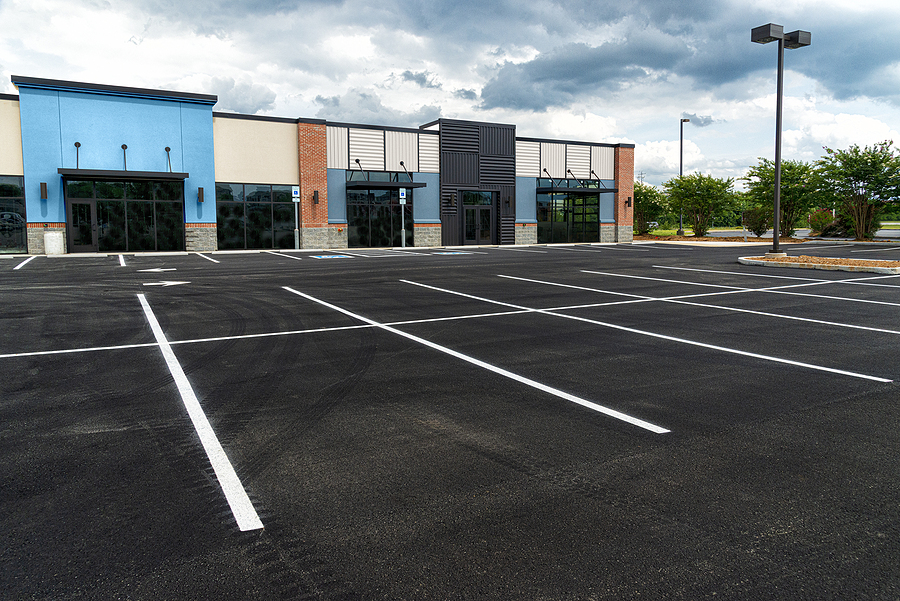
Appearance matters. A well-maintained, striped, and smooth parking lot suggests that the business is professional and attentive to detail. Conversely, a lot filled with weeds, faded lines, and craters can deter potential customers before they even walk through the door.

Strategic Budgeting

Inspections allow you to plan for the future. Instead of being blindsided by a five-figure repair bill in the spring, a professional pavement contractor can help you forecast upcoming maintenance needs. This allows you to budget for sealcoating, striping, or resurfacing over several quarters or years.

In Summary

Your commercial pavement is a significant asset, and in Indiana, it faces significant threats every season. From the expanding ice of winter to the oxidizing sun of summer, the elements are constantly working to break down your parking lot.

You don’t have to fight this battle alone, and you don’t have to wait for disaster to strike. By scheduling regular assessments, you can stay ahead of the weather, keep your costs down, and ensure your property remains safe and welcoming for your customers.

Don’t let the seasons dictate the lifespan of your pavement. If you are in the Indianapolis area and want to ensure your commercial property is ready for whatever the weather brings, we can help. Contact Us Today to schedule a professional pavement inspection and repair consultation. Let’s protect your investment together.

Call Us Now Directly

Related Post: How to Winterize Your Commercial Pavement
Boost Your Property’s ROI with Professional Pavement Maintenance

First impressions are powerful, especially in business. For commercial property owners, the exterior of your building is the first thing potential customers or tenants see. A well-maintained property suggests professionalism and care, while a neglected one can drive business away. This is where commercial pavement maintenance becomes essential. A smooth, clean parking lot or walkway not only enhances visual appeal but also impacts safety, accessibility, and your bottom line.

This guide will explore how prioritizing your commercial pavements can significantly benefit your property. We’ll cover everything from the immediate impact on customer perceptions to long-term cost savings. You’ll learn about different maintenance options and discover how modern technology is making pavement management more efficient than ever. By understanding the true ROI of commercial pavement repair and upkeep, you can make informed decisions that protect your investment and create a welcoming environment for everyone.

Call 317-549-1833 For Professional Commercial Pavement Maintenance in Indianapolis Indiana

The Power of a First Impression

The condition of your commercial pavement is a direct reflection of your business. Imagine arriving at a shopping center with smooth, crack-free asphalt and clearly marked parking spaces. The entrance is inviting, and the entire experience feels seamless and professional. Now, picture an office complex with a cracked, uneven concrete entrance, faded parking lines, and dangerous potholes. This creates a negative perception before a visitor even steps inside.

Research confirms this gut feeling. According to Chain Store Age, customers are 65% more likely to visit a store with a well-maintained exterior. Your commercial asphalt or concrete is a large part of that exterior. Neglected surfaces can communicate a lack of attention to detail, potentially deterring discerning clients and high-value tenants who associate property condition with the quality of the businesses within.

A proactive approach to commercial pavement maintenance ensures your property sends the right message: that you are professional, reliable, and invested in providing a quality experience. Some retail stores even use decorative concrete to create a unique and memorable first impression that sets them apart from competitors.

Pavement’s Role in Safety and Liability

Beyond aesthetics, the state of your commercial pavement is a critical safety issue. Cracked, uneven surfaces and potholes are more than just eyesores; they are significant trip-and-fall hazards for pedestrians and can cause damage to vehicles. As a property owner or manager, you have a legal responsibility to provide a safe environment for everyone who visits your property.

Neglecting necessary pothole repair or ignoring cracked walkways can lead to costly accidents and liability claims. Implementing regular safety inspections is a crucial step in mitigating these risks.

Furthermore, your property must comply with local regulations and accessibility standards, such as the Americans with Disabilities Act (ADA), which mandates clear, unobstructed, and safe pathways for individuals with disabilities. Investing in regular commercial pavement repair not only protects your visitors but also safeguards your business from potential legal and financial repercussions.

During any maintenance work, remember to use clear signage to warn pedestrians and drivers, and always ensure your paving contractors are licensed and insured.

Long-Term Cost Savings and ROI

Many property managers delay pavement maintenance due to budget constraints, viewing it as an expense rather than an investment. However, this reactive approach often leads to much higher costs down the road. Minor issues like small cracks or fading sealant can quickly escalate into major problems like widespread cracking, potholes, and foundational damage that require a complete and costly replacement.

The National Asphalt Pavement Association reports that preventative pavement maintenance can extend the life of your pavement by up to 50%. This statistic highlights the significant ROI of a proactive strategy. By addressing minor issues as they arise, you prevent them from becoming expensive emergencies.

This approach allows for more predictable budgeting and avoids the operational disruptions that come with major construction projects. Investing a small amount in regular upkeep saves a substantial amount in the long run, making commercial pavement maintenance one of the smartest financial decisions a property manager can make.

Contact Us for a No-Fee Bid!

Exploring Your Pavement Maintenance Options

Maintaining your commercial pavements doesn’t have to be complicated. Several effective options are available to keep your asphalt and concrete in top condition. Understanding these choices helps you create a maintenance plan that fits your property’s needs and budget.

Sealcoating

Sealcoating is a protective layer applied to asphalt surfaces. It shields the pavement from the damaging effects of UV rays, water, and vehicle fluids like oil and gasoline. Regular sealcoating not only extends the life of your commercial asphalt but also gives it a fresh, black finish that enhances its appearance. This simple process is one of the most cost-effective ways to protect your investment.

Crack Filling

Small cracks in your pavement are an open invitation for water to seep into the foundation. As water freezes and thaws, it expands and contracts, widening the cracks and compromising the structural integrity of your pavement. Crack filling involves cleaning out cracks and filling them with a flexible sealant. This prevents water intrusion and stops small cracks from turning into large, costly problems like potholes.

Pothole Repair

Potholes are a serious safety hazard and a clear sign of pavement distress. Addressing them quickly is essential. Pothole patching involves cleaning the damaged area and filling it with new asphalt material. Prompt pothole repair is crucial for preventing accidents and avoiding further deterioration of the surrounding pavement.

Current Pavement Technology

Managing these maintenance tasks is becoming easier with advancements in technology. Drone surveys can quickly assess large commercial properties, identifying problem areas with precision. AI-driven software can then analyze this data to create optimized maintenance schedules, helping you prioritize repairs and allocate your budget more effectively. This technology streamlines the entire process, ensuring your commercial paving receives the right attention at the right time.

In Summary

Your property’s pavement is far more than just a surface for driving and walking—it’s an integral part of your brand identity, a key factor in visitor safety, and a significant financial asset. By shifting from a reactive mindset to a proactive maintenance strategy, you can enhance your property’s curb appeal, reduce liability risks, and achieve substantial long-term cost savings.

Investing in professional commercial pavement maintenance elevates your property’s value and ensures it makes a positive, lasting impression on every customer, client, and tenant. Don’t let neglected pavement undermine your business.

Contact ACI Asphalt and Concrete today for a free consultation and let our experts help you develop a maintenance plan that protects your investment and boosts your bottom line. Together, we’ll ensure your commercial paving needs are met with unmatched precision and excellence. 

Schedule a Free Quote Now

Related Post: How Commercial Pavement Upgrades Boost Your ROI

Commercial Asphalt Sealing Service: Protect and Prolong Your Asphalt Investment

When it comes to maintaining your commercial property, one area often overlooked is the asphalt pavement. Whether it’s a busy parking lot or a heavily trafficked driveway, your asphalt is subject to constant wear and tear. That’s where commercial asphalt sealing comes in. It’s not just a protective measure; it’s a smart investment that can save you time and money while keeping your property looking its best.

This guide will walk you through everything you need to know about asphalt sealing, its benefits, and how to get started.

Call 317-549-1833 For Indianapolis Asphalt Sealing Service

Understanding Asphalt Sealing

What Is Asphalt Sealing?

Asphalt sealing involves applying a protective layer, known as a sealant, over your asphalt surface. This layer acts as a barrier against external factors such as UV rays, water, oil, and chemicals that can damage the asphalt over time.

By sealing the asphalt, you preserve its integrity while improving its durability and appearance. Think of it as sunscreen for your pavement, shielding it against everyday wear.

Types of Sealants

There are different types of sealants available, each suited to specific needs:

  • Coal Tar Sealers: Highly durable and resistant to chemicals, making them ideal for high-traffic areas.
  • Asphalt-based Sealers: More environmentally friendly and aesthetically pleasing, often used for surfaces like parking lots and driveways.
  • Acrylic Polymer Sealers: Premium sealants that provide excellent durability and are safer for the environment.
  • Rubberized Asphalt Sealers: Great for enhancing flexibility and preventing cracks on asphalt surfaces.

Choosing the right sealant for your project depends on the location, traffic volume, and exposure to elements.

Benefits of Commercial Asphalt Sealing

▶ Protects Against Weather

Commercial asphalt surfaces endure extreme weather conditions. From intense sun exposure to freezing cycles, these elements can weaken your asphalt. Sealing your pavement helps protect it from UV damage, water infiltration, and freeze-thaw cycles that lead to cracking and potholes.

▶ Prevents Damage

Cracks, potholes, and surface deterioration often start small but escalate quickly. A sealed surface is up to 70% less likely to develop such issues, saving you from costly asphalt crack repair or extensive maintenance in the future.

▶ Enhances Curb Appeal

Your parking lot is often the first thing customers notice. A well-maintained, high-quality asphalt surface communicates professionalism and shows that you care about customer experience. Many businesses report an increase in customer satisfaction with well-maintained parking areas.

▶ Extends Lifespan of Your Asphalt

Did you know that consistent sealing can double the lifespan of your asphalt? Rather than replacing your pavement prematurely, sealing ensures it remains durable and cost-effective for years to come.

▶ Saves Money

Sealing doesn’t just prevent damage; it offers significant financial benefits. Businesses that seal their asphalt regularly save up to 50% on long-term maintenance and repair costs, turning maintenance into measurable ROI.

Contact Us for Asphalt Sealcoating

When to Seal Your Commercial Asphalt

Timing is everything when it comes to asphalt sealing. Here’s how to know if it’s time:

Factors to Consider

  • Traffic Volume: Heavily trafficked areas require more frequent sealing, as constant movement increases wear.
  • Climate: Colder climates with freeze-thaw cycles may warrant more frequent sealing to prevent cracking.
  • Overall Condition: If your asphalt is starting to fade or crack, it’s time for sealing.

Signs It’s Time to Seal:

  • Faded or dull appearance
  • Visible cracks or small potholes
  • Pools of water accumulating on the surface
  • Oil stains or chemical damage

The Asphalt Sealing Process

Professional asphalt sealing involves several carefully executed steps to ensure a durable finish:

1. Preparation

Professionals clean the surface thoroughly, removing debris, oil stains, and dirt. Cracks and minor damage are filled to create an even surface.

2. Application

The selected asphalt sealer is applied using a sprayer or squeegee. Multiple thin layers ensure even coverage and maximum protection.

3. Curing

The sealant is left to cure properly, which usually takes 24–48 hours. This ensures the sealant bonds effectively to the surface for long-lasting results.

Choosing the Right Sealing Service

Not all asphalt sealing services are created equal. Here’s what to look for in a reputable provider:

  • Experience: A company with a proven track record knows how to handle different conditions and challenges.
  • Quality Equipment: Advanced sealing equipment ensures a smooth, even application.
  • Customer Reviews: Positive testimonials and references speak volumes about the company’s reliability.
  • Fair Pricing: Look for clear, transparent pricing without hidden fees.

Cost Considerations

While the asphalt repair cost may vary, sealing remains a cost-effective solution for pavement protection. Major cost factors include:

  • Surface Area: Larger areas require more sealant, increasing costs.
  • Sealant Type: Premium sealants often cost more but deliver better results.
  • Labor Costs: Professional services are more reliable but come at a premium.

Ultimately, sealing your asphalt reduces the likelihood of expensive repairs, making it a worthwhile investment.

Maintenance Tips for Sealed Asphalt

To maximize the benefits of sealing, ongoing maintenance is essential:

  • Clean the surface regularly to prevent debris buildup.
  • Fill cracks as soon as they appear to avoid further damage.
  • Avoid heavy loads during the curing period.
  • Reapply a sealant every 2–3 years or as recommended by professionals.

Frequently Asked Questions About Asphalt Sealcoating

Is sealcoating necessary for all types of asphalt surfaces?

Yes, sealcoating is recommended for all types of asphalt surfaces to extend their lifespan and prevent damage from elements such as water, UV rays, and oil spills.

Can I apply a sealant myself or should I hire a professional?

While it is possible to DIY sealcoating, hiring a professional will ensure proper application and long-lasting results. Professionals also have access to high-quality materials and equipment.

How long does the sealing process take?

The time it takes to complete the sealing process depends on the size of the surface and weather conditions. On average, it can take anywhere from 24-48 hours for the sealant to fully cure. It’s important to avoid foot and vehicle traffic during this time to ensure the best results.

How often should I reseal my pavement?

The frequency of resealing will depend on various factors such as climate, amount of traffic, and type of sealant used. In general, it is recommended to reseal every 2-3 years for residential surfaces and every year for high-traffic commercial areas. However, regular inspections and maintenance can help determine when it’s time for a new coat of sealant.

Can I apply a new coat of sealant over an existing one?

In most cases, it is not recommended to apply a new coat of sealant over an existing one. This can cause a build-up of layers and decrease the effectiveness of the sealant. It is best to properly strip and prepare the pavement before applying a new coat of sealant for optimal results.

However, in some cases where the existing sealant is still in good condition, a thin layer of compatible sealant may be applied to freshen up the appearance. Again, it is important to consult with a professional contractor to determine if this option is suitable for your specific pavement maintenance needs.

In Summary

Commercial asphalt sealing isn’t just a maintenance task; it’s a valuable investment in protecting your property, enhancing its aesthetics, and saving money in the long run. Whether it’s extending the life of your parking lot or keeping up appearances for your customers, the benefits of sealing are undeniable.

If you’re ready to protect your asphalt and enjoy peace of mind, schedule your sealing service with us today. ACI Asphalt and Concrete is here to help your business look its best.

Schedule Now!

Related Post: Pavement Protection 101: The Process of Asphalt Sealcoating