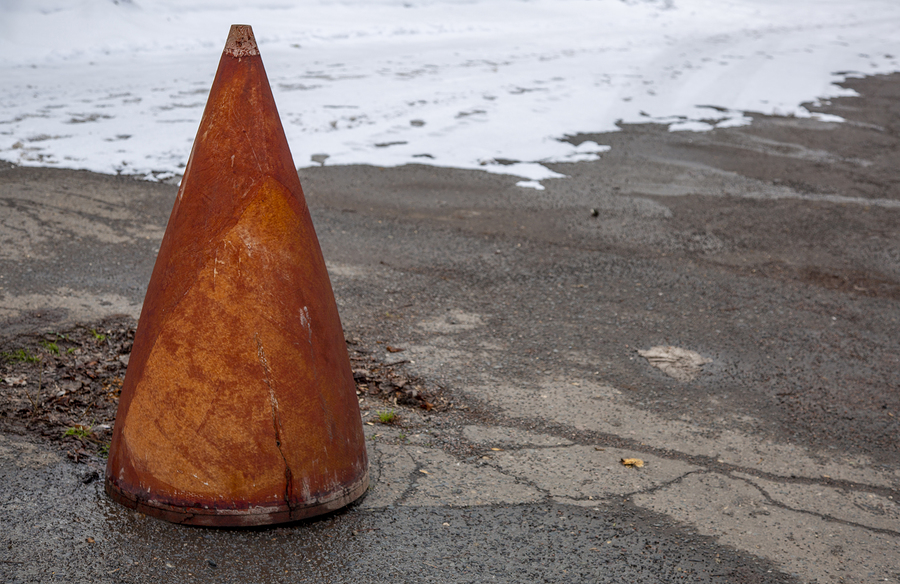
The Importance of Concrete Stability When Paving Over It With Asphalt

If your commercial lot looks like it has seen better days, it could very-well be time for an upgrade. Pavement upgrades can come in all different forms, depending on unique factors surrounding your lot’s condition. In some cases, concrete lots are well-suited for an asphalt overlay. But many property owners wonder if you can, in fact, pave over old concrete pavement with asphalt. The answer is, yes. However, it takes supreme skill and paving knowledge to get it done correctly. If the concrete foundation is not stable enough, an asphalt overlay will suffer the consequences.

Continue reading to learn why concrete stability is so important to an asphalt overlay project, and who to trust for premium advice regarding your pavement renovation needs.

Indianapolis Commercial Paving 317-549-1833

Stable Concrete Foundations are a Must

Although it is perfectly safe to add asphalt on top of concrete, it must be done properly to get good compaction and lasting results. Not only should it last a long time, it should look good. This is where concrete stability comes into play. Concrete is often used a base material because of its stability benefits, but this does not mean that it is always stable enough for an overlay project. If it is not, there can be a lot of negative and costly side effects.

Poor Concrete Stability

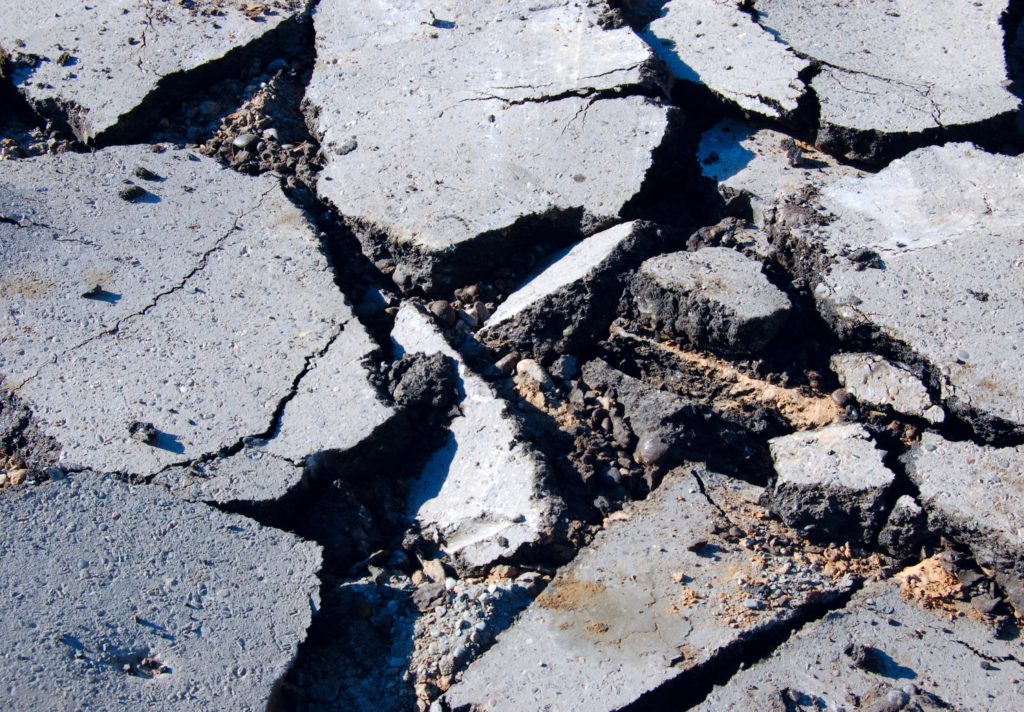
In contrast to asphalt concrete is not compacted, nor does it have to be. That is because it will harden over any surface, naturally. In fact, it is a common industry practice to lay concrete directly over unstable soil because it can bridge the stability imbalance. But overtime, if concrete is laid over an unstable base, its slabs will eventually begin to move and crack at the expansion joints.  Ultimately, what you get is a very unsightly surface filled with cracks, crevices, depressions, and heaves.

Fortunately, a professional paving company can ensure that your concrete base is stable for an asphalt overly, and that the expansion joints will not shift after installation. They accomplish this by making sure the base has an even thickness, and that the concrete has been thoroughly cleaned to ensure proper adhesion. They also properly install paving fabrics, mill portions of the concrete when necessary, and use an industry-specific adhesive material that is extra strong, and will bond the asphalt to the concrete. Lastly, a pro always uses hot-mix asphalt for overlays to get the best results.

Who to Trust for Commercial Pavement Work in Indianapolis

Call ACI Asphalt and Concrete at 317-549-1833 when you need commercial pavement repair for asphalt and concrete. Our licensed and bonded paving contractors provide pavement repair, sealcoating, road work, commercial paving, industrial paving, winter cold patching, and much more. We are the industry veterans to trust for skilled craftsmanship and competitive prices! Request a free estimate, today.

Can Asphalt Repair Be Done in Rainy Weather?

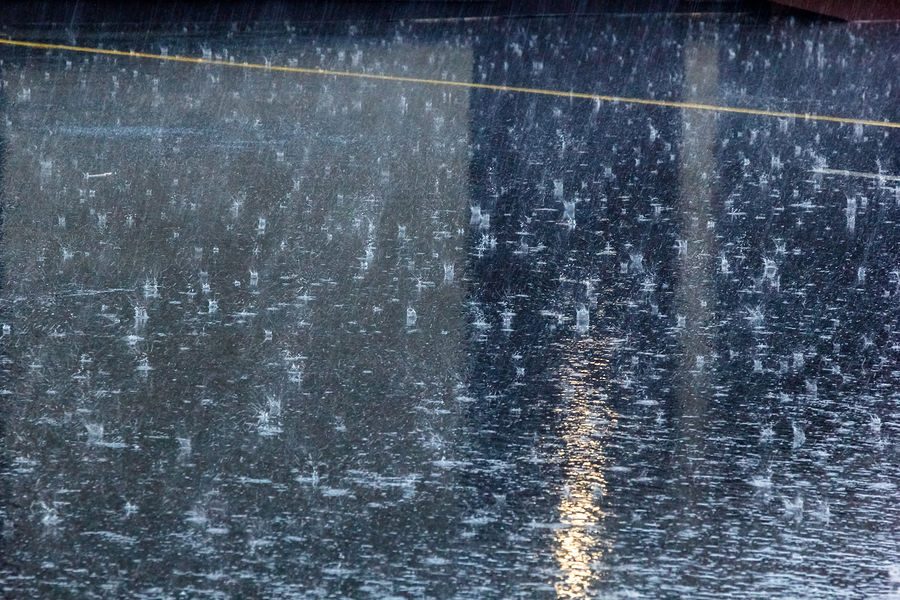
Spring is a time for enduring rain. After all, nothing will grow if we don’t have sufficient seasonal precipitation. But like most things in life, there are good and bad qualities to rainfall. One such disadvantage is the impact it has on outdoor activity. Not only can rain can put a hold on your picnicking and bike riding plans, it can also delay important outdoor construction and renovation needs. When it comes to needs like asphalt repair, the decision can seem quite conflicting since it’s an industry best practice to repair asphalt as soon as possible, before defects can worsen, and therefore, require more time and money to resolve.

So, when it’s raining outside every day, many proprietors are unsure whether or not they can move forward with outsourcing asphalt repair. If you are asking this same question, continue reading to find out the best options for asphalt repair in rainy weather.

Indianapolis Commercial Pavement Repair
Indianapolis Commercial Pavement Repair 317-549-1833

Asphalt Repair Climate Conditions

Like any outdoor pursuit, the best weather is the mildest, which means amiable temperatures, minimal wind, and zero precipitation. When it comes to repairing asphalt, the same theory applies. The best climate for asphalt is weather that is not too cold, not too hot, and definitely not wet. You see, asphalt is made from a mixture of aggregate (crushed stone, rock or sand) and bitumen. This combination makes asphalt mix oily, which does not mix well with water.

After being laid, asphalt must cure properly, and cannot do so if it is repelling water. The action of repelling water can cause the asphalt to form cracks and other surface blemishes. The main problem with cracks is that they lead to pothole formation, quickly. After a fresh asphalt job, no one wants to see surface imperfections, let alone pay for asphalt repair only a few short months later.

Exceptions to the Rule

Although the general rule of thumb is that asphalt work CANNOT be done in the rain, nor in wet conditions, there are some exceptions. For instance, very light rain fall is not likely to have a lasting impact on asphalt work as a heavy rainfall would. In most cases, a pavement repair company will simply monitor the weather report and reschedule work during a clear stretch of weather. Also, there are certain types of asphalt mix that can be used when it is cold outside, such as cold-mix and warm-mix asphalt. For climates above 40 degrees Fahrenheit, hot-mix asphalt is the industry standard.

Here are some blogs that can help you understand proper temperature conditions for asphalt work:

Is it Too Cold to Lay Asphalt Pavement?
Can You Apply Pavement Seal Coat in Hot Weather?
The Difference Between Hot Asphalt and Warm Asphalt Mix
Can Hot or Cold Weather Affect the Asphalt Paving Process?

Trusted Commercial Asphalt Repair and Paving in Indianapolis

Call ACI Asphalt and Concrete at 317-549-1833 for commercial and industrial asphalt paving in Indianapolis, Indiana. Our licensed and qualified paving contractors provide several Indianapolis asphalt and concrete paving services, including pavement repair, sealcoating, road work, commercial paving, industrial paving, winter cold patching, and more. We are the industry veterans to trust for skilled craftsmanship and competitive prices! Request a free estimate, today.

Common Asphalt Problems That Should Be Repaired This Spring

Now that the last freeze is likely behind us, commercial and large-scale lots that are paved will soon require some maintenance. This is especially true for asphalt pavements that have poor sealcoating, or none at all. In fact, asphalt experiences a lot of common problems this time of year, all of which should be addressed and resolved once spring is official in swing.

Continue reading to learn which types of asphalt problems are most expected this time of year, and what you should do if your asphalt pavements fit these descriptions.

Indianapolis Commercial Paving
Indianapolis Commercial Paving 317-549-1833

Cracking

There are various types of cracking that can develop in asphalt surfaces. Alligator cracks, block cracks, traverse cracks, and edge cracks are among the most common. Alligator cracking occurs when the subgrade, layers, or surface is either too weak or too thin to support the weight of traffic. You can easily identify alligator cracks because they form interconnecting lines in a pattern that literally resembles alligator skin.

Block cracks form in a pattern similar to alligator cracks, but on a much larger scale. Traverse cracking refers to cracks that form in the opposite direction of the pavement. Generally, underlying foundation weaknesses and cracks are to blame for traverse cracking, as well as extreme temperature changes. Edge cracks form along the edge of pavements as a result poor water drainage.

Potholes

Potholes are one of the most destructive road defects that can develop in asphalt pavement. They form mostly due to poor sealcoating or lack thereof, allowing water to seep deep down into the cracks and weaken the base soil underneath. Water then freezes and thaws several times, which further jeopardizes the ground level and solidity. As a result, the ground underneath expands, which causes the pavement to rise, then the water thaws, causing the ground to go back to normal. This cycle creates stability issues that eventually lead to crumbling pavement or crater holes.

Raveling and Rutting

Raveling is when pieces of asphalt begin to separate and form indentations in the surface of the pavement. It mostly occurs when asphalt is installed in weather that is too cold for proper curing. This is why it is important to hire a professional paving company for asphalt work. Rutting is form from traffic, and simply look like ruts, or wheel indents, in the road. Typically, this occurs when lower layers shift due to moisture permeation or poor surface quality.

Heaving and Depressions

Sinking and dipping can cause depressions in asphalt pavements, and be a result of several circumstances. Most often, soil erosion brought on by too much rainwater or precipitation over the winter season is to blame. As for heaving, raises and humps in asphalt are mostly caused by the expansion of clay-based soils beneath the concrete, which occurs from moisture accumulation.

Indianapolis Commercial Asphalt Repair You Can Trust

Call ACI Asphalt and Concrete at 317-549-1833 for licensed, bonded, and insured asphalt paving services in Indianapolis, Indiana. We offer a wide range of paving services for commercial and industrial properties, at the most competitive prices in town, including inspections, installation, replacement, repair, and more. Request a free quote, today.
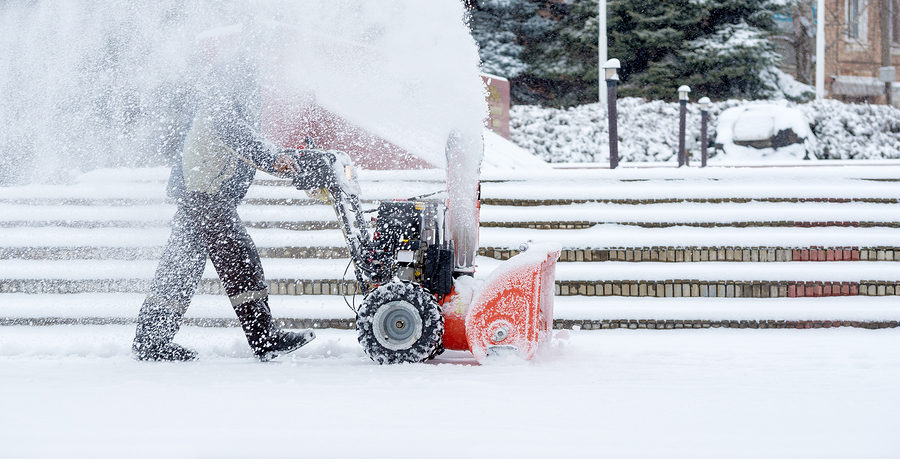
What You Need to Know About Culvert Pavement Repair

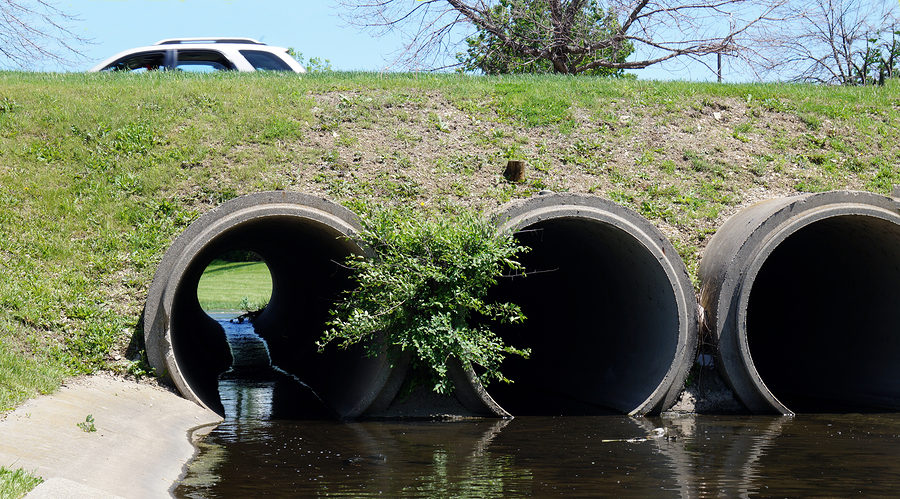
Culverts are trenches or sewer conduits that cross beneath paved groundwork, such as streets, sidewalks, parking lots, and railroads. They are designed to divert water runoff below paved surfaces, and transport it to a local reservoir or basin. In addition to water runoff diversion and architectural land planning, culverts serve the important purpose of providing bridge-like support for vehicular and pedestrian traffic.

Because culverts serve an array of important purposes, both functionally and environmentally, it is important to keep them in optimal condition. As a commercial property owner, it is encouraged to have culvert damage repaired in a timely manner as to avoid larger, more invasive and expensive pavement work down the line.

Continue reading to learn more about culvert pavement repair, as well as, how to obtain a free bid for commercial pavement work near you.

Indianapolis Commercial Paving 317-549-1833

Culvert Pavement Repair

Frequency and intensity of both car and foot traffic, combined with the overall condition and installation of pavement, will determine how soon culvert repair should be addressed. These types of wear and tear can weaken the pavement above a culvert, making it even more important to implement comprehensive repairs to avoid additional or exponential damage; and culvert damage left unaddressed can lead to larger, costly, and more time-consuming repair work. Be sure to choose a licensed and experienced Indianapolis asphalt and concrete repair company for the most accurate and reliable culvert construction and pavement repair services.

The Process of Repairing Culvert Damage

To begin a culvert repair job, certified pavement contractors will use saw to cut the apron approach area, and then peel away the old asphalt using a skid steer. Once the asphalt and removed and the gravel is pushed to the side, the culvert pipe will most likely be exposed. If it is damaged, it will need to be replaced. If the old asphalt is raised, lifted, or bumpy, then the pipe will most likely be damaged as well and need replaced. As a side note, the old asphalt and culvert pipe can be recycled and reused!   

At this point, the base is ready to be set. Most contractors use a bed of crushed stone. Next, the culvert is positioned on top of the crushed stone, and the sides are packed in with this crushed material as well. This guarantees proper placement. When culverts are installed in dirt or poor-quality gravel-like material, it can cause future complications and needed repairs.

Once the stone bed is set and the culvert is situated and packed in, flares are installed to open up the ends of the piping. These flares permit paving contractors to pack-in the gravel and asphalt by hand, in order to taper it to the ditch line properly. They also promote better durability against weed over-growth and storm wash-outs.

When the pipe is replaced and the culvert is set up, the rest of the pavement project can continue as normal. The stone base and layers of asphalt can be applied as usual. When this kind of pavement repair job is done incorrectly, heaving and large bumps will appear.  If there were complications with the initial culvert construction, the new pavement repair job should not be affected in any way, so long as the company uses the proper equipment, tools, and procedures.

Who to Trust for Commercial Culvert Repair in Indiana

Call ACI Asphalt and Concrete at 317-549-1833 for culvert paving repair and installation services in Indianapolis, Indiana Our licensed and qualified paving contractors provide several Indianapolis asphalt and concrete paving services, including pavement repair, sealcoating, road work, commercial paving, industrial paving, winter cold patching, and more. We are the industry veterans to trust for skilled craftsmanship and competitive prices! Request a free quote, today.
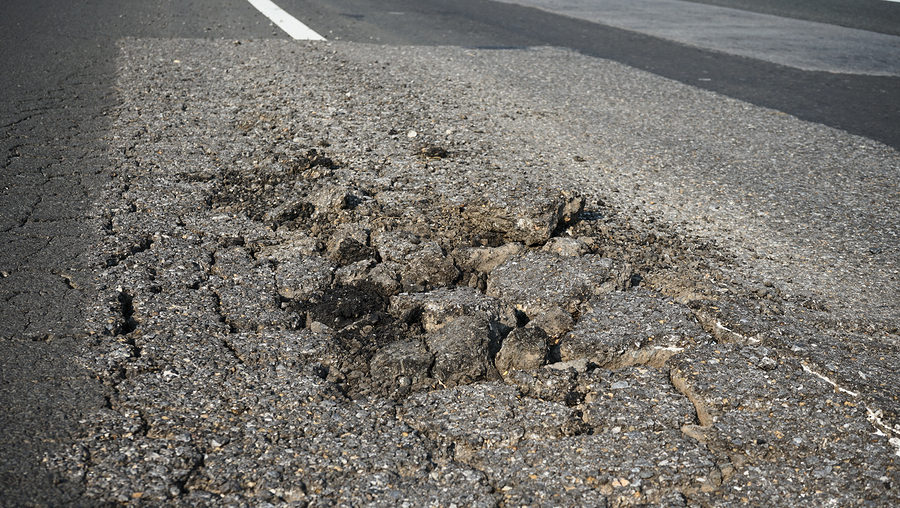
Is it Too Cold to Lay Asphalt Pavement?

When it comes to laying asphalt pavement, whether to repair potholes or build a brand new parking lot, the weather is just one variable that influences the success of the project. However, it is still a very important one, especially in terms of climate. So, is it too cold outside this time of year to have any asphalt work performed? Continue reading to learn which factors you might have to consider when determining whether or not it’s too cold to lay asphalt pavement.

Indianapolis Asphalt Paving
Indianapolis Asphalt Paving 317-549-1833

Paving Asphalt in Winter

Asphalt mix cools faster in colder temperatures than it does in warmer ones. This is the main concern when performing asphalt work in the winter. Paving contractors must be able to mix and pour the asphalt before it cools so they can get it properly formed and compacted. Here are the top factors to consider when deciding if its too cold to pave:

☑ Ground Temperature

One of the chief factors to determining whether or not its too cold to pave is ground temperature. If the ground temperatures are too cold, it is not compatible for asphalt work. The colder the ground temperatures are, the quicker asphalt mix loses heat, thus presenting a challenging for stabilization.

☑ Ambient Temperature

Along with ground temperatures, ambient temperatures play a large role in the compatibility of asphalt work. The general rule of thumb is 50 degrees. But even if the ambient temperature is at least 50 degrees on the day of the project, it is equally important to ensure it is not too windy.

☑ Thickness of Pavement

The thickness of the final asphalt surface will have a major influence on whether or not it is too cold to pave. As mentioned, the colder the temperatures are, the faster asphalt mix will cool, which creates problems with compaction and stability. Well, if your final asphalt surface specifications are intended to be a thin, the pavement will cool faster on a cold day, and therefore, potentially pose some challenges.

☑ Sun Strength and Exposure

The term solar radiant flux is a common one in the asphalt construction industry. You see, the sun has a great effect on the process of asphalt paving. So, in winter, asphalt contractors prefer sunnier days since the heat of the natural sun prevents asphalt from cooling too fast.

When to Have Commercial Asphalt Repaired or Paved

The best times of year to have commercial asphalt pavements repaired or lain is between late spring and early fall. During these times, precipitation levels are lower and climates are milder. The most compatible temperatures for asphalt paving range between 50 degrees Fahrenheit and 85 degrees Fahrenheit.

Commercial Asphalt Paving Contractors in Indianapolis

Call ACI Asphalt and Concrete at 317-549-1833 for commercial asphalt paving services in Indianapolis, Indiana. Our licensed and qualified paving contractors provide several Indianapolis asphalt and concrete paving services, including pavement repair, sealcoating, road work, commercial paving, industrial paving, winter cold patching, and more. We are the industry veterans to trust for skilled craftsmanship and competitive prices! Request a free estimate, today.

Top Commercial Pavement Priorities for 2020

Now that the year is coming to an end, it is an opportune time to collect your thoughts and organize your priorities for the new year. As a business or commercial real estate owner, this task couldn’t be more important when it comes to routine pavement maintenance and repair. Continue reading to learn how to develop the best pavement management plan for 2020!

Commercial Paving 317-549-1833

Pavement Maintenance and Repair

Your commercial pavements are more than just assets and aesthetics; they are also a liability if neglected in a way that poses harm to the surrounding public. For these reasons, it is vital to maintain good-looking, well-performing, and hazard-free pavements. This includes parking lots, curbs, ramps, sidewalks, terraces, Ballard posts, and more. Not only does well-maintained pavement increase curb appeal, and therefore, real estate value, it also provides a safe and functional method of pedestrian and vehicular traffic.

In addition to maintaining pavements routinely, it is equivalently vital to have new pavements installed properly by a licensed and experienced Indianapolis pavement company. Improper pavement installation will always turn into a disaster down the line, creating all sorts of hazards and costly set-backs for property owners and those who use the pavements.

Here is what to look for before getting started on your new year commercial pavement management plan:

    ☑ Cracks
    ☑ Crumbling Pavement
    ☑ Cracked or Crumbling Curbs
    ☑ Depressions or Heaves
    ☑ Broken or Cracked Ballard Posts
    ☑ Cracked Ramps
    ☑ Uneven Stairs
    ☑ Crumbling Stairs
    ☑ Loose Gravel
    ☑ Water Retention and Puddling
    ☑ Unlevel Sidewalks or Pavements
    ☑ Faded Paint or Markings
    ☑ Obstructed Traffic or Parking Signs
    ☑ Oil Stains

Ideal Pavement Maintenance Plan

The best plan you can develop for your commercial pavements will include these 4 points:

Routine Inspections – Always have your eyes on your pavements. Be on the lookout for the defects listed above, as well as any other potential hazards or problems. It is important to have your pavements professionally inspected at least once per year, but better to have them inspected seasonally.

Daily Cleaning – Your pavements should have a daily, weekly, monthly, and quarterly cleaning schedule. You can appoint an in-house custodial staff or outsource the work from another company. Cleaning involves sweeping, debris removal, pressure washing, and more.

Minor Repairs and Re-Painting – When a defect occurs, it is vital to repair it right away before it can get worse. Pavement maintenance should always include routine repairs and services, such as pothole patching and crack filling. It should also include routine painting to ensure your marks are visible.

Pavement Replacement and/or Overlays – When your pavements come to a point where they are hazardous or inefficient, it is time to have them replaced or overlaid. These services should always be performed by a licensed pavement installation company.

Get a Pro Involved

Asphalt and concrete pavements are different, and therefore require a separate set of routine maintenance plans. It is best to discuss your pavement management needs with a licensed paving contractor who can give you personalized advice and guidance based on your individual property.

Commercial Pavement Repair in Indianapolis

Call ACI Asphalt and Concrete at 317-549-1833 for commercial pavement repair and service in Indianapolis, Indiana. Our team of licensed and insured pavers provide a wide range of asphalt and concrete paving services for all commercial and municipal properties in Central Indiana and its surrounding areas. Request a free estimate, today.

How Will Snow Affect My Pavements?

The snow is already here in Indiana. Did you prepare your sidewalks, driveways, and parking lots properly? If not, you will likely begin to see the minor and major affects winter weather can have on our pavements. Not sure if this warning applies to you? Continue reading to learn how snow, ice, and cold temperatures can impact the overall quality and condition of your asphalt and concrete pavements.

Commercial Pavement Repair
Commercial Pavement Repair 317-549-1833

Freeze Thaw Damages

Both asphalt and concrete are susceptible to freeze thaw damages under certain conditions. Concrete is a naturally porous pavement, which means water can permeate within its surface. When this happens in the winter, the water eventually freezes, causing the concrete to expand. When temperatures begin to rise in spring, the water melts within concrete, causing it to contract. This expansion and contraction process is known as freeze thaw cycles, and the damages they cause to pavements are wide ranging.

Although asphalt is not porous, without proper and routine sealcoating, moisture can seep inside and cause freeze thaw damage. The signs of freeze thaw damage on pavements will not really be evident until the snow melts. Sometimes, Indiana can experience snow all the way until spring. The most common effects of freeze thaw cycles on pavement include faded paint, potholes, cracks, alligator cracking, depressions, heaving, and more.

De-Icers

Another common winter threat to our pavements are also a widely-useful tool against slippery, wet surfaces. We are talking about de-icers. When using large amounts over a long period of time on concrete, deicers can cause pavement to deteriorate. Salt is harmful to concrete pavement because it is acidic, and acid can break down the bonds within concrete, leading to crumbling, cracks, and more. Furthermore, concrete pavement freezes faster than other pavements, which often leads to using more deicer. Also, concrete bridges and overpasses are generally constructed with steel; and overtime, steel corrodes from salt.

When it comes to asphalt pavements, deicers are fortunately not so harmful. Asphalt is not affected by deicers because of the way it is engineered. Hot-mix asphalt is contains customized proportions of aggregates like stone, sand, and petroleum, which enables it to withstand the regional environment it was mixed for.

Talk to a Skilled Indianapolis Pavement Contractor

Call ACI Asphalt and Concrete at 317-549-1833 for commercial pavement repair and service in Indianapolis and its surrounding areas. Our licensed and qualified paving contractors provide a wide range of asphalt and concrete pavement repair and installation services at the most competitive prices in town, including crack filling, overlays, resurfacing, and sealcoating. Request a free estimate, today!

New Types of Pothole Repair Technology for Asphalt

When water freezes within the pores of pavement, the ground underneath expands, causing the pavement to rise. Once the water thaws, the ground goes back to normal but the pavement it still elevated. Naturally, this creates stability issues that eventually lead to cracked pavement and potholes. So long as our planet continues to experience weather, we can expect to have a need for viable pavement repair. Fortunately, innovative advancements are being made every day in the pavement industry, especially when it comes to potholes.

Continue reading to explore some of the modern technologies used to repair asphalt potholes, and perhaps better understand the importance of pothole repair and roadway maintenance for your commercial complex.

Indianapolis Commercial Pothole Repair 317-549-1833

Conventional Pothole Repair Methods

There are various types of pothole repair methods used in the pavement construction industry, both semi-permanent and temporary versions. One of the most popular techniques used to repair potholes is the “throw and roll” method. This is a temporary fix that basically involves patching the hole with the right material, and then letting traffic drive over it to finish the job. This is the quickest and easiest technique for repairing a pothole on a short-term basis.

In fact, it can cause even more water accumulation and stability issues if used as a permanent solution. This is because the pothole is only being filled-in from the top; which means the rocks and pebbles still inside creating gaps beneath the surface where water can occupy. To make the “throw and roll” repair method semi-permanent, these chunks of rock and pavement need to be removed before the hole is filled with patching material.

Infrared Pothole Repair

For an even more permanent solution, many pavers are turning to a new pothole repair technique called infrared heat technology. In this method, a heat panel is used to melt a pothole enough to soften it slightly. This allows all the crumbled and broken asphalt in and around the pothole to be converted into a reusable material. The softened asphalt leftovers are raked-in and smoothed out until it is thoroughly conformed to the repaired asphalt and the existing surrounding asphalt. This creates a strong, thermal bond between both pavements.

Another great operational advantage is the lack for excavation. No jack-hammering, digging, or milling is necessary when using this technology, so no underground systems are disrupted. This includes telephone lines, plumbing, and more. No matter how large or small the patch in the pavement is, it can be repaired with infrared technology, and all at once in a continuous route so to not block off large portions of the road or highway.

Infrared technology has a few note-worthy economic benefits too.  For one, it primarily uses existing asphalt, so very little new material is needed, reducing material purchasing costs by 80 percent or more. Also, for this same reason, very little material is discarded, which reduces disposal costs by 90 percent. Costs for transporting and plant production, as well as, the cost for city highway and road repairs are reduced dramatically.

Indiana Asphalt Pavement Professionals

Call ACI Asphalt and Concrete at 317-549-1833 for licensed, bonded, and insured asphalt paving services in Indianapolis, Indiana. We offer a wide range of paving services for commercial and industrial properties, at the most competitive prices in town, including inspections, installation, replacement, repair, and more. Request a free quote, today.

Top Engineering Benefits of Smooth Asphalt

Asphalt is not a complicated building material. In fact, it is mostly comprised of gravel, sand, stone, and some form of binder, often asphalt cement. However, do not let the simplicity of asphalt fool you. It happens to be one of the most sustainable and beneficial building materials in the country. Furthermore, it must be installed precisely in order to render a smooth, balanced surface. The smoother the asphalt, the better it performs, which can impact several areas of your commercial or industrial complex, including safety, efficiency, and the overall success of your business.

Not convinced that smooth asphalt is better? Continue reading to learn the top engineering benefits of smoother asphalt to get the real facts behind its importance.

Indianapolis Asphalt Paving
Indianapolis Asphalt Paving 317-549-1833

Smoother Asphalt is Better Asphalt

Here’s Why:

⛖ The smoother the asphalt, the longer it lasts. Smooth asphalt is known to last 10 to 25 percent longer than conventional pavements.

⛖ Smoother pavements maximize surface area contact with tires. This promotes a higher level of traction, and therefore, safety.

⛖ Smoother pavements save drivers on fuel costs. Vehicles simply get better gas mileage on smoother roads; up to 10% in savings, on average.

⛖ Smoother pavements are safer for a vehicle. Rough roads can affect tires, brakes, suspension, shocks, and several other mechanical components necessary for safe and efficient operation.

⛖ Since smoother asphalt roads are kinder on vehicles, drivers save more money on fuel and repair costs.

⛖ Smoother asphalt is much more attractive. They look nicer, which can increase curb appeal, and ultimately, property value.

⛖ Smooth asphalt requires less maintenance. After 10 or 15 years, it will require a routine milling and overlay. Other than that, simple daily and weekly upkeep is all it needs to last and last.

⛖ Smoother asphalt is more enjoyable and safer for bicyclists, motorcycle riders, and pedestrians.

⛖ Smooth asphalt is quieter and even skid-resistant. Noise reduction is a big bonus for many commercial properties, including schools, hotels, apartment complexes, and more. Recent research showed that asphalt pavement can reduce highway noise by 3 to 5 dB(A) or more!

⛖ A smooth asphalt surface is installed without pavement joints, which makes the ride smoother and more comfortable, but also decreases crack and pothole development.

Indiana Commercial Asphalt Paving Contractors

Call ACI Asphalt and Concrete at 317-549-1833 for commercial and industrial asphalt paving in Indianapolis, Indiana. Our licensed and qualified paving contractors provide several Indianapolis asphalt and concrete paving services, including pavement repair, sealcoating, road work, commercial paving, industrial paving, winter cold patching, and more. We are the industry veterans to trust for skilled craftsmanship and competitive prices! Request a free estimate, today.

How to Get Your Pavement Ready for the Cold

If you are considering making some improvements to your asphalt lot right now, you are not too late. The fall can pose certain challenges when it comes to sealcoating and pothole patching, but with the current amiable weather conditions we are experiencing in Indiana, you still have time to get your pavement ready to take on the cold this winter.

Continue reading to learn which duties you need to put on your pavement maintenance checklist this month in order to protect your asphalt all winter long.

Indiana Commercial Asphalt Repair
Indiana Commercial Asphalt Repair 317-549-1833

Asphalt Maintenance

Ice, snow, and cold weather conditions can have a drastic effect on asphalt, even with certain protections in place. So asphalt that has not been safeguarded at all will quickly deteriorate and require more intensive repairs or restorations. In order to protect your property, keep your property safe for others, and save money overtime, it is necessary to stay on top of asphalt maintenance all year. But for this time of year, the most important points to focus on are sealcoating and repairs.

Asphalt Sealcoating

A sealcoat gives your pavement an extra layer of protection against all sorts of threats, from sun and heat, to freeze thaw cycles, traffic wear and tear, wildlife tampering, chemical spills, and more. Although there are certain temperature guidelines for sealcoating, right now is still perfect weather for an effective seal coat application. Be sure to talk to a licensed and trusted asphalt paving contractor about your pavement’s sealcoating needs.

Asphalt Repair

Another priority that needs attention this time of year are asphalt repairs. Potholes, cracks, damaged curbs, crumbling pavement, faded striping, humps and depressions, water drainage issues, and defective ramps all require repair before the winter comes. Once the winter arrives, not only will it be more challenging, if even possible, to repair these damages, they will only worsen during the seasonal freeze-thaw cycles. Then when spring comes, your pavement damages are more extensive, and therefore, more costly to repair.

Who to Call for Licensed Asphalt Repair in Indiana

Call ACI Asphalt and Concrete at 317-549-1833 for commercial and municipal asphalt sealcoating services in Indianapolis, Indiana. Our licensed and qualified paving contractors provide several Indianapolis asphalt and concrete paving services, including pavement repair, sealcoating, road work, commercial paving, industrial paving, winter cold patching, and more. We are the industry veterans to trust for skilled craftsmanship and competitive prices! Request a free estimate, today.