Protect Your Pavement: Why Timely Leaf Clearance Matters

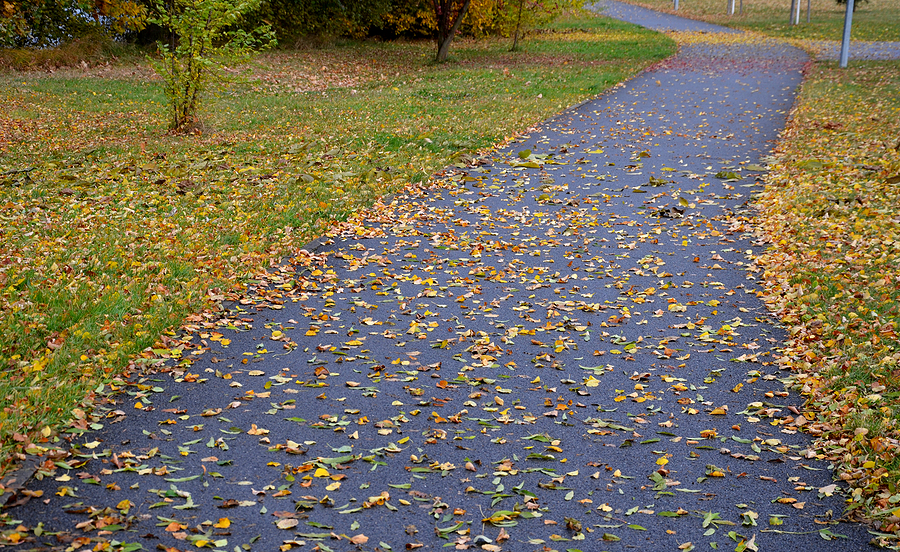
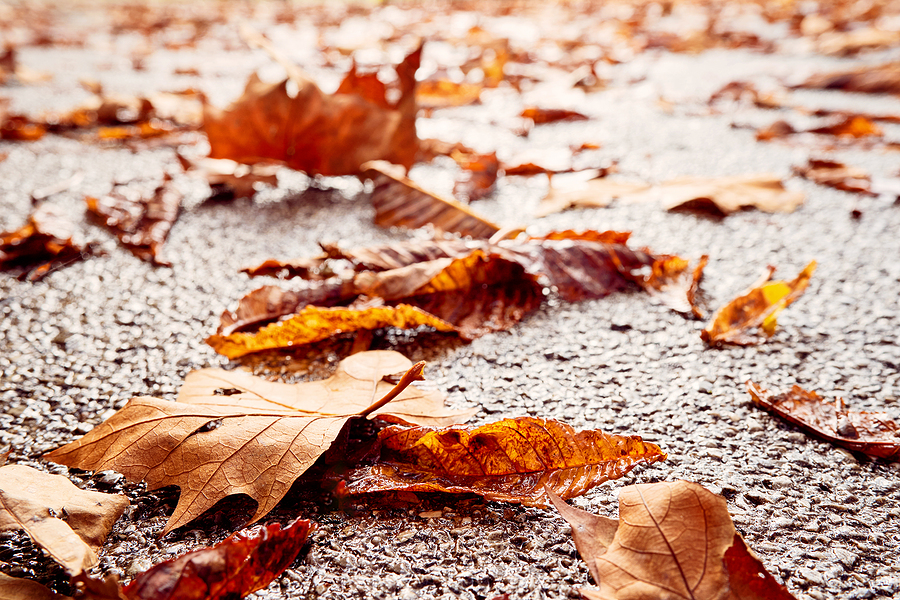
As the seasons change, the sight of colorful autumn leaves can be beautiful. However, when those leaves fall and accumulate on your driveways, parking lots, and sidewalks, they create more than just a temporary mess. For property managers and homeowners, those seemingly harmless leaf piles represent a significant threat to the health and longevity of asphalt and concrete pavements. Prompt leaf clearance is a critical part of seasonal maintenance that protects your investment, ensures safety, and maintains your property’s curb appeal.

Ignoring this simple task can lead to a cascade of problems. Decaying leaves trap moisture, introduce damaging organic acids, and create hazardous conditions. Understanding the impact of fallen leaves is the first step toward implementing an effective pavement maintenance strategy that will save you time, money, and stress in the long run.

This guide will walk you through why prompt leaf clearance is so important, the consequences of neglect, and the best practices for keeping your pavements in top condition.
Call 317-549-1833 to Speak With Our Licensed Pavement Repair Contractors in Indianapolis

Why Prompt Leaf Clearance is Crucial for Asphalt and Concrete Pavements

Fallen leaves might seem harmless, but their effect on pavement surfaces is surprisingly destructive. When leaves are left to decompose, they create a host of issues that compromise both the structural integrity and safety of asphalt and concrete.

Damage from Decaying Leaves

As leaves break down, they release tannins and other organic acids that can seep into the pores of both asphalt and concrete. This process can lead to unsightly staining, which is especially noticeable on decorative concrete and pavers. More importantly, the decomposition creates a dense, soggy mat that traps moisture against the pavement surface.

Studies have shown that asphalt degradation can accelerate by up to 30% during wet seasons when moisture is trapped under leaf debris. For asphalt, this prolonged moisture retention can cause the binding agents to soften and weaken. This softening makes the pavement more susceptible to damage from vehicle traffic, leading to issues like rutting, potholes, and deformation in parking lots.

For concrete, the trapped moisture is equally problematic. Concrete surfaces with prolonged leaf cover are 20% more likely to develop surface cracks, particularly in climates with freeze-thaw cycles (Smith & Jackson, 2020). Water seeps into the concrete’s pores and, when it freezes, expands, creating immense pressure that leads to cracking and spalling.

Safety Hazards and Environmental Concerns

Beyond structural damage, uncleared leaves pose a significant safety risk. When wet, fallen leaves create an extremely slippery surface on walkways, driveways, and parking lots, increasing the risk of slip-and-fall accidents. This is a major liability concern for property managers who have a duty to maintain safe conditions for tenants and visitors.

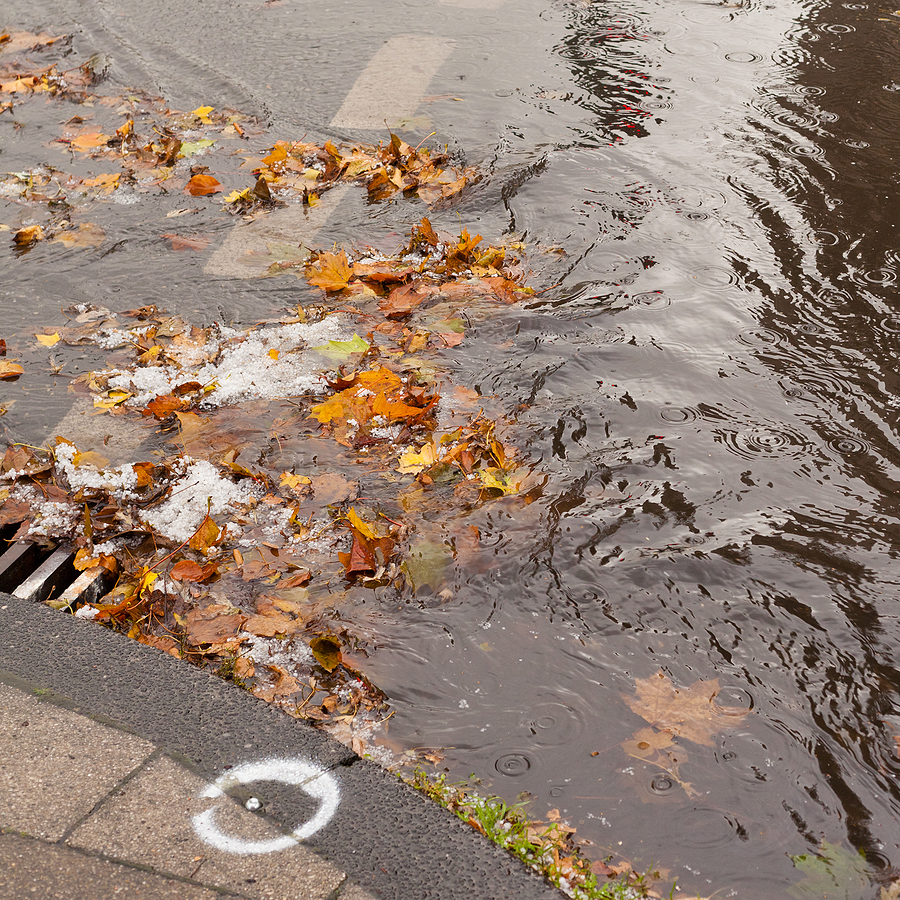
Environmentally, piles of leaves can clog storm drains and gutters. This can lead to localized flooding and prevent proper water drainage. As the leaves decompose in the water, they release nutrients like phosphorus and nitrogen, which can run off into local waterways, contributing to algae blooms and disrupting aquatic ecosystems.

The Consequences of Neglecting Leaf Removal

Failing to address leaf buildup in a timely manner can result in costly and sometimes irreversible damage. What starts as a simple seasonal cleanup task can quickly escalate into a major pavement repair project.

Asphalt Softening and Cracking

Prolonged exposure to the moisture and acids from decaying leaves weakens the asphalt binder. This makes the surface soft and pliable, leading to rutting and depressions under the weight of vehicles. Over time, these weak spots will develop into pavement cracks and eventually potholes, requiring extensive asphalt repair.

Concrete Staining and Cracking

The tannins leached from leaves can cause deep, persistent stains on concrete surfaces that are difficult to remove. As mentioned, the trapped moisture contributes to freeze-thaw damage, causing a network of surface cracks that can worsen over time, compromising the entire concrete slab.

Increased Slip and Fall Accidents

Wet leaves are notoriously slippery. For commercial properties, a single slip-and-fall incident can lead to significant legal and financial repercussions. For homeowners, it poses a danger to family members and visitors.

Pest Infestations

Piles of damp leaves provide an ideal breeding ground for pests like insects and rodents, which can create additional problems for your property.

Water Contamination

When leaves are blown or washed into storm drains, they clog the system and contaminate the runoff water, impacting local water quality and potentially violating local environmental regulations.

Request a Pavement Repair & Sealcoating Inspection

Best Practices for Effective Leaf Clearance

A proactive approach to leaf removal is the best defense against pavement damage. Integrating these practices into your seasonal maintenance routine will protect your surfaces and keep them looking their best.

Establish a Regular Schedule

Consistency is key. During peak fall season, you may need to clear leaves from high-traffic areas several times a week. Establish a regular leaf clearance schedule to prevent accumulation. Don’t wait until all the leaves have fallen to start cleaning up.

Use the Right Tools

The right equipment makes the job faster and more effective.

  • Leaf Blowers: Ideal for quickly moving large volumes of dry leaves from driveways, sidewalks, and parking lots.
  • Rakes: Essential for gathering wet, matted leaves that blowers can’t move.
  • Push Brooms or Sweepers: Useful for final cleanup on hard surfaces to ensure no slippery residue is left behind.

For large properties, professional pavement maintenance services can provide thorough cleaning with industrial-grade sweepers and equipment.

Consider Sealcoating

For asphalt surfaces, applying a high-quality sealant (sealcoat) every few years provides a protective barrier against moisture and chemical intrusion from decaying leaves. Sealcoating fills surface voids, reduces water penetration, and makes the surface easier to clean.

Ensure Proper Drainage

Check that your property’s drainage systems are clear and functional. Clogged gutters and storm drains will cause water to pool on pavement surfaces, exacerbating the problems caused by fallen leaves.

Dispose of Leaves Responsibly

Before you begin, check your local ordinances regarding leaf disposal. Many municipalities have specific guidelines:

  • Some have designated collection days for bagged leaves.
  • Blowing leaves into the street or down storm drains is often prohibited and can result in fines.

Consider eco-friendly disposal methods like composting. Decomposed leaves create a nutrient-rich mulch that is excellent for gardens and landscaping.

Frequently Asked Questions

How often should I clear leaves from my pavement?

During peak leaf-fall season, it’s best to clear leaves at least once or twice a week, especially in high-traffic areas or climates with frequent rain.

Can leaf stains be removed from concrete?

Yes, many leaf stains can be removed with a power washer and specialized concrete cleaning solutions. However, deep-set stains from prolonged exposure can be permanent, which is why prevention is so important.

Does sealcoating really protect asphalt from leaf damage?

Absolutely. Sealcoating creates a protective layer that prevents moisture and acids from penetrating the asphalt, making it more resistant to the damaging effects of decaying leaves.

Are professional pavement maintenance services worth the cost?

For large properties or for property managers, professional services can be a worthwhile investment. They have the proper equipment for efficient cleaning and can also identify early signs of pavement damage that might otherwise go unnoticed.

How do I know if leaves have already damaged my pavement?

Look for dark staining, soft spots or rutting in asphalt, new surface cracks in concrete, and the growth of moss or algae. These are all signs that leaf decay may be impacting your pavement.

In Summary

Regular leaf clearance is more than just a cosmetic chore; it’s a fundamental aspect of pavement maintenance. By taking prompt action, you extend the lifespan of your asphalt and concrete, enhance safety, improve your property’s appearance, and avoid costly repairs. The small effort required for seasonal leaf removal pays significant dividends in the long-term health and value of your property.

Don’t let this fall season get the best of your pavement. If you’re noticing stains, cracks, or other signs of wear, it may be time for a professional assessment. Schedule a Pavement Inspection Today to identify potential issues and create a maintenance plan that will keep your surfaces safe and sound for years to come.

Call Now to Speak With a Manager

Related Post: Best Practices for Using Pavement Deicers This Winter
Optimizing Stormwater Management for Commercial Pavements: Reduce Costs and Prolong Lifespan

Managing stormwater on commercial properties isn’t just about compliance—it’s about protecting your investment. For property managers and owners overseeing parking lots and commercial pavements, stormwater drainage can quickly become a financial burden if not handled correctly. Poorly maintained systems lead to flooding, structural damage, and costly emergency repairs. Even worse, compliance failures can result in hefty fines and decreased property values.

The good news? With the right strategies, you can lower stormwater management expenses while extending the lifespan of your systems. By prioritizing proactive maintenance, leveraging innovative solutions, and staying ahead of regulatory requirements, you can turn stormwater management from a recurring headache into a strategic advantage.

Call 317-549-1833 For Commercial Pavement Sewer Drain Repair and Maintenance in Indianapolis

Understanding Commercial Pavement Stormwater Systems

Before diving into cost-saving strategies, it’s important to understand what you’re working with. Stormwater systems for parking lots and commercial pavements typically include a network of components designed to capture, convey, and manage runoff.

Key Components

  • Catch Basins and Drains: These collect water from paved surfaces and direct it into underground pipes. Over time, debris and sediment can clog these entry points, reducing their effectiveness.
  • Culverts: These pipes transport water beneath roadways or other structures. Damage or blockages in culverts can lead to flooding and pavement deterioration.
  • Manholes & Sewer Drains: Access points for inspection and maintenance, these structures are critical for keeping water flowing smoothly through the system.
  • Detention & Retention Ponds: These temporary storage areas slow down runoff and allow sediment to settle before water enters natural waterways.

Common Challenges

Stormwater systems face constant pressure from weather, heavy traffic, and environmental debris. Common issues include:

  • Clogged drains and catch basins from leaves, trash, and sediment
  • Cracked or collapsed culverts due to age or ground movement
  • Erosion around drainage structures
  • Regulatory compliance gaps that trigger fines

Addressing these challenges early prevents minor problems from escalating into major expenses.

Cost-Saving Strategies for Stormwater Management

Reducing stormwater management costs doesn’t mean cutting corners. It means working smarter with preventive care and strategic investments.

Schedule Regular Inspections

Annual inspections by certified stormwater professionals are one of the most cost-effective investments you can make. These experts identify potential issues—such as cracks in manholes, sediment buildup, or failing culverts—before they become emergencies. Early detection saves you from expensive repairs and minimizes downtime.

Implement Routine Cleaning Programs

Parking lot sewer drains, catch basins, and culverts need regular cleaning to function properly. Establish a schedule for debris removal, especially before and after storm seasons. A clogged drain can cause water to pool on your pavement, leading to structural damage and safety hazards. Routine cleaning is a small expense compared to repaving a flooded parking lot.

Invest in Permeable Pavement

Permeable pavement allows water to pass through the surface and into the ground below, reducing stormwater runoff and the strain on drainage systems. While the upfront cost is higher than traditional asphalt, permeable solutions can lower long-term maintenance expenses and improve your property’s environmental footprint. They also help you meet local stormwater regulations more easily.

Address Culvert Repair Promptly

Culverts are often out of sight, but they shouldn’t be out of mind. Regular assessments can catch issues like cracks, blockages, or corrosion early. Culvert repair is far less expensive than replacement, and timely intervention prevents water from undermining your pavement or causing sinkholes.

Document Everything

Maintain detailed records of all inspections, maintenance activities, and repairs. This documentation serves two purposes: it helps you track system performance over time and provides proof of compliance with local regulations. If an issue arises, having a clear maintenance history can protect you from fines and liability.

View Our Commercial Sewer Drain Solutions!

Extending the Lifespan of Your Stormwater Systems

Proper maintenance doesn’t just save money—it extends the life of your infrastructure. Here’s how to maximize the longevity of your stormwater systems.

Proactive Repairs Over Reactive Fixes

Waiting until something breaks is a costly mistake. Small cracks in manholes, minor erosion around drains, or slight blockages in sewer drains should be addressed immediately. Proactive repairs prevent cascading failures that require extensive and expensive interventions.

Protect Against Erosion

Erosion around drainage structures weakens the surrounding pavement and soil, leading to structural instability. Reinforce vulnerable areas with erosion control measures like riprap, geotextiles, or vegetation. These solutions are relatively inexpensive and can prevent catastrophic damage.

Upgrade Aging Infrastructure

If your stormwater system is decades old, consider phased upgrades. Replacing outdated components with modern, durable materials can reduce maintenance frequency and improve performance. For example, upgrading to corrosion-resistant pipes or high-capacity catch basins can extend system life by years.

Monitor System Performance

Use technology to your advantage. Flow sensors, remote monitoring systems, and regular performance assessments can alert you to inefficiencies or blockages in real time. Early warnings allow you to act before minor issues become major problems.

The Financial and Environmental Benefits

Investing in effective stormwater management isn’t just about avoiding fines—it’s about protecting your bottom line and the environment.

Long-Term Cost Savings

Proper stormwater management reduces the need for emergency repairs, extends the lifespan of your pavement, and minimizes the risk of property damage. Improperly maintained stormwater systems can reduce property values by up to 15% (EPA, 2023). By contrast, well-maintained systems enhance curb appeal and tenant satisfaction.

Regulatory Compliance

Local stormwater regulations are becoming increasingly stringent. Compliance failures can result in fines ranging from $10,000 to $50,000 per violation, depending on your jurisdiction. Staying ahead of regulatory requirements protects you from legal and financial consequences.

Environmental Responsibility

Effective stormwater management reduces pollution, prevents erosion, and protects local water resources. By managing water runoff responsibly, you contribute to healthier ecosystems and demonstrate corporate social responsibility—a value that resonates with tenants, customers, and the community.

Contact Us for Parking Lot Paving & Maintenance!

Frequently Asked Questions

How often should stormwater systems be inspected?

Annual inspections are recommended for most commercial properties. However, properties with heavy traffic or older systems may benefit from semi-annual inspections.

What are the signs of a failing stormwater system?

Common warning signs include standing water on pavement, visible cracks in manholes or drains, unpleasant odors, and erosion around drainage structures.

What are the costs associated with repairing versus replacing a stormwater system?

Repairs typically cost a fraction of replacement. For example, culvert repair might run a few thousand dollars, while full replacement can exceed $50,000. Early intervention is key to avoiding replacement.

How can permeable pavements reduce stormwater management costs?

Permeable pavements reduce runoff volume, lowering the burden on drainage systems and decreasing the need for extensive infrastructure. They also help meet regulatory requirements more easily.

What are the common regulatory requirements for stormwater management?

Requirements vary by location but often include regular inspections, sediment control, erosion prevention, and pollution prevention plans. Check with your local environmental agency for specific guidelines.

What are the benefits of hiring a certified stormwater professional?

Certified professionals have the expertise to identify issues early, recommend cost-effective solutions, and ensure compliance with regulations. Their insights can save you significant time and money.

How can I ensure my stormwater management system complies with environmental standards?

Regular inspections, proper documentation, and adherence to local regulations are essential. Working with certified professionals and investing in sustainable solutions also help.

What innovative technologies can reduce stormwater runoff?

Technologies like permeable pavement, green infrastructure (rain gardens, bioswales), and smart monitoring systems can significantly reduce runoff and improve system efficiency.

What proactive measures can extend the lifespan of my stormwater system?

Regular inspections, routine cleaning, timely repairs, erosion control, and infrastructure upgrades all contribute to a longer-lasting system.

How can I prevent clogs in drains, catch basins, and culverts?

Establish a routine cleaning schedule, install debris screens, and conduct inspections after major storms to catch blockages early.

Protecting Your Property and Your Investment

Stormwater management doesn’t have to drain your budget. By adopting proactive maintenance practices, leveraging cost-effective technologies, and staying compliant with regulations, you can reduce expenses and extend the lifespan of your systems. The key is to act early, invest wisely, and document everything.

Your parking lot and commercial pavement are critical assets. Protecting them with smart stormwater management safeguards your property value, enhances tenant satisfaction, and demonstrates your commitment to environmental responsibility. Start today by scheduling an inspection, implementing a cleaning program, and exploring innovative solutions like permeable pavement.

The sooner you take action, the more you’ll save—and the longer your systems will last. Contact our team of road construction experts today to discuss your commercial paving and parking lot maintenance needs. You’ll discover tailored solutions that ensure long-term durability and cost-effectiveness.

Call Now to Speak With a Manager

Related Post: How to Decrease Stormwater Runoff on Commercial Pavements

Sustainable Concrete: How Ready-Mix is Leading the Green Building Movement

The push for a more sustainable future is reshaping industries worldwide, and construction is no exception. As developers and property owners look for eco-friendly building materials, the conversation increasingly turns to concrete—the most widely used man-made material on Earth. The question is no longer just about strength and cost, but about environmental impact. This guide explores how ready-mix concrete is leading the charge in sustainable construction, offering a path to greener, more resilient buildings.

Call 317-549-1833 For Ready Mix Concrete (RMC) Delivery in Indianapolis

What is Sustainable Concrete?

Sustainable concrete is an innovative approach to an age-old material, designed to minimize its environmental footprint throughout its life cycle. The goal is to create a product that is durable and high-performing while reducing resource consumption, energy use, and carbon emissions.

This is often achieved by incorporating supplementary cementitious materials (SCMs), such as fly ash, slag, and silica fume. These industrial byproducts replace a portion of the cement in the mix, which is significant because cement production is a major source of global CO2 emissions. By using SCMs, sustainable concrete not only recycles waste materials but also lowers its overall carbon impact.

How Ready-Mix Concrete Reduces Environmental Impact

Ready-Mix Concrete (RMC), which is batched at a central plant and delivered to the construction site, is a key player in the green building movement. Its production method offers several distinct environmental advantages over traditional on-site mixing.

Precision and Waste Reduction

RMC plants use computerized batching systems to produce exact quantities of concrete needed for a project. This precision minimizes waste, ensuring that resources are used efficiently and less material ends up in landfills.

Optimized Material Use

Centralized production allows for better quality control and more consistent mixes. This means that every batch is optimized for performance, reducing the need for excess materials and ensuring the final product meets stringent specifications.

Reduced Site Disruption

By delivering concrete ready to pour, RMC eliminates the need for on-site storage of raw materials like sand, gravel, and cement. This reduces dust, noise pollution, and overall site congestion, leading to a safer and cleaner construction environment.

Innovations in Sustainable Concrete Production

The industry is constantly evolving, with new technologies making ready-mix concrete an even more eco-friendly choice. These innovations are transforming how we think about this fundamental building material.

Carbon Capture and Utilization

One of the most exciting developments is carbon sequestration, where CO2 is captured and permanently stored within the concrete itself. Technologies now allow producers to inject captured carbon dioxide into the concrete mix during production. The CO2 reacts with the cement and becomes a mineral, effectively locking it away and preventing it from entering the atmosphere. This process not only reduces the carbon footprint but can also improve the concrete’s strength.

Alternative and Recycled Materials

Forward-thinking RMC suppliers are exploring a wide range of alternative materials to create more sustainable mixes. This includes using recycled concrete aggregate from demolition projects, crushed glass, and even certain types of plastic waste. These efforts help conserve natural resources and divert materials from landfills, contributing to a more circular economy.

Efficient Production and Logistics

Modern RMC plants are designed for maximum efficiency. They use advanced technology to optimize energy and water consumption during the batching process. Furthermore, sophisticated logistics software ensures that delivery trucks take the most efficient routes, reducing fuel consumption and emissions.

Request a Bid for RMC Delivery Today!

Benefits of Using Sustainable Concrete

Choosing sustainable ready-mix concrete for your commercial paving or building project offers a range of compelling advantages. It’s a decision that benefits not only the planet but also your bottom line.

Reduced Carbon Footprint

This is the most significant environmental benefit. By incorporating SCMs and utilizing carbon capture technologies, sustainable concrete can reduce a building’s carbon footprint by up to 30%.

Enhanced Durability and Longevity

Many sustainable concrete mixes exhibit superior long-term strength and durability compared to traditional concrete. Lower permeability—the measure of how easily liquids pass through—makes the material more resistant to chemical attacks and freeze-thaw cycles, extending the building’s lifespan.

Improved Energy Efficiency

Concrete’s high thermal mass allows it to absorb and store heat, helping to regulate indoor temperatures. This property can reduce a building’s reliance on heating and cooling systems, leading to lower energy bills over the life of the structure.

Contribution to Green Building Certifications

Using sustainable RMC can help projects earn points toward green building rating systems like LEED (Leadership in Energy and Environmental Design), enhancing the property’s value and marketability.

Your Building’s Future is Green

The future of construction lies in building smarter, more resilient, and more sustainable structures. Ready-mix concrete is not just a material; it’s a solution that helps developers and property managers meet their environmental goals without compromising on quality or performance. As technology continues to advance, the potential for sustainable concrete to revolutionize the industry will only grow.

By partnering with an experienced ready-mix concrete provider, you can make a tangible impact, creating buildings that are built to last and designed with the planet in mind.

Frequently Asked Questions

What is the difference between ready-mix concrete and traditional concrete?

Ready-mix concrete (RMC) is manufactured in a batch plant according to a specific recipe and then delivered to a work site. Traditional concrete is mixed on-site, which can lead to inconsistencies and more waste.

How does ready-mix concrete contribute to sustainable building practices?

RMC reduces waste through precise batching, incorporates recycled materials, and often uses less cement, which lowers its carbon footprint. Its durability also extends the life of buildings, further promoting sustainability.

What types of projects are best suited for ready-mix concrete?

RMC is incredibly versatile and ideal for a wide range of projects, including large-scale commercial buildings, foundations, commercial paving for parking lots, and infrastructure projects like bridges and roads.

How do I choose the right ready-mix concrete mix for my project?

The right mix depends on factors like structural requirements, environmental exposure, and placement methods. A reputable RMC supplier can help you select the perfect mix based on your project’s specific needs.

What are the cost considerations when using ready-mix concrete?

While the initial price per cubic yard might be higher than for materials mixed on-site, RMC often leads to overall cost savings by reducing labor, minimizing waste, and speeding up construction timelines.

How does weather affect the application of ready-mix concrete?

Extreme temperatures can affect concrete’s setting time. RMC suppliers can adjust the mix with special admixtures to counteract the effects of hot or cold weather, ensuring a successful pour regardless of the conditions.

What certifications should I look for in a ready-mix concrete supplier?

Look for suppliers with certifications from organizations like the National Ready Mixed Concrete Association (NRMCA). Certifications like the NRMCA Green-Star Plant demonstrate a commitment to environmental stewardship.

How can I ensure the quality of ready-mix concrete for my project?

Partner with a trusted RMC provider who has a strong reputation for quality control. They should be transparent about their testing procedures and able to provide documentation for their mixes.

In Summary

Ready-mix concrete is a key player in the green building movement, offering a practical path to reducing the environmental impact of construction. By choosing a knowledgeable RMC supplier, you gain a partner dedicated to helping you achieve your project goals while building a more sustainable future.

Ready to start your next project on a solid, sustainable foundation? Explore our innovative ready-mix options! Book RMC delivery in large, small, or custom batches. Request a Quote for ready mix delivery or on-site service, today.

Call Now to Speak With Us

Related Post: Top 10 Mistakes to Avoid with Ready-Mix Concrete

The Complete Asphalt Maintenance Schedule for Property Managers

Pavement deterioration isn’t just an eyesore—it’s a costly problem that can drain your maintenance budget and expose your property to liability issues. Every crack that goes unfilled and every pothole left unrepaired accelerates the breakdown of your asphalt surfaces, turning minor maintenance into major reconstruction projects.

Understanding how to properly maintain your asphalt surfaces is crucial for protecting your investment and ensuring the safety of tenants, customers, and visitors. A well-planned asphalt maintenance schedule can extend the life of your pavement by decades while significantly reducing long-term repair costs.

This basic guide will walk you through the essential elements of effective pavement maintenance, from seasonal scheduling to cost-effective repair strategies that keep your property looking professional and structurally sound.

Call 317-549-1833 For Commercial Asphalt Maintenance in Indianapolis

Key Factors That Affect Asphalt Lifespan

Several environmental and usage factors directly impact how quickly your pavement deteriorates. Let’s take a look at some of the more common influences:

Climate plays a major role, particularly in northern regions where freeze-thaw cycles cause water to expand and contract within cracks, gradually widening them into larger fissures and potholes.

Heavy traffic volume and vehicle weight create additional stress on asphalt surfaces. Commercial properties with delivery trucks, construction vehicles, or high-volume parking areas experience accelerated wear compared to lighter residential traffic patterns.

UV radiation from constant sun exposure breaks down the binding agents in asphalt, making surfaces brittle and more susceptible to cracking. Properties in sunny climates need more frequent sealcoating to maintain protective barriers against this damage.

Poor drainage systems compound these issues by allowing water to pool on surfaces or seep beneath the pavement base, weakening the foundation and creating conditions for rapid deterioration.

Your Year-Round Asphalt Maintenance Schedule

Effective pavement maintenance follows seasonal patterns that align with weather conditions and optimal application temperatures for various treatments.

Spring Maintenance Tasks

Spring serves as your primary inspection and repair season after winter weather has taken its toll. Begin by conducting a thorough assessment of winter damage, looking specifically for new cracks, potholes, and areas where water may have penetrated the surface.

Apply crack filler to prevent water infiltration during the upcoming rainy season. Small cracks that seem insignificant can quickly expand into major problems without proper attention. Power washing removes accumulated debris, oil stains, and winter salt residue that can accelerate surface breakdown.

This season also provides ideal conditions for addressing drainage issues before summer heat makes outdoor work more challenging.

Summer Asphalt Care

Summer offers optimal conditions for major maintenance projects when temperatures and weather patterns support proper application and curing of materials.

Sealcoating becomes your primary focus during these warmer months. This protective barrier shields asphalt from UV damage and prevents water penetration while temperatures allow for proper adhesion and drying. Plan sealcoating projects during periods of consistent dry weather with moderate temperatures.

Address any major pothole repairs or damaged areas that require extensive work. Summer’s stable weather conditions provide the best environment for these larger projects to cure properly.

Trim vegetation around pavement edges to prevent root systems from growing beneath surfaces and causing structural damage over time.

Fall Preparation

Fall serves as your final preparation period before harsh winter conditions arrive. Conduct another comprehensive inspection to identify any new damage that developed during summer months.

Clean surfaces thoroughly and prepare asphalt for winter weather challenges. Apply a final layer of sealcoating if necessary, ensuring adequate time for proper curing before temperature drops.

Address any minor repairs that could worsen during freeze-thaw cycles, as small problems can quickly escalate into expensive replacements when water freezes and expands within cracks.

Winter Protection Strategies

Winter maintenance focuses on minimizing damage rather than active repair work, as most asphalt treatments require warmer temperatures for proper application.

Limit heavy traffic on surfaces when possible, as frozen asphalt becomes more brittle and susceptible to cracking under stress. Monitor for freeze-thaw damage throughout the season and document issues that need immediate spring attention.

Exercise care when clearing snow and ice. Avoid excessive salt use, which can accelerate surface deterioration, and ensure snowplow operators understand proper techniques that minimize scraping damage to asphalt surfaces.

Get an Asphalt Maintenance Assessment Today!

Common Asphalt Issues and Repair Solutions

Crack Filling and Prevention

Small cracks represent the most common maintenance challenge and offer the best opportunity for cost-effective prevention. Address cracks immediately when they appear, as water infiltration quickly transforms minor surface issues into structural problems.

Hot-applied crack sealers provide longer-lasting repairs than cold-pour alternatives, particularly for cracks wider than a quarter-inch. The key lies in proper surface preparation and timing applications during appropriate weather conditions.

Pothole Repair Techniques

Potholes require immediate attention due to safety concerns and liability issues. Temporary cold-mix patches can provide short-term solutions during unsuitable weather conditions, but permanent hot-mix repairs offer superior longevity and performance.

Proper pothole repair involves removing all loose material, ensuring adequate depth and square edges, and using appropriate tack coats to bond new material with existing asphalt. Poor repairs often fail within months, making quality workmanship essential for long-term success.

Surface Restoration Options

When surface deterioration becomes extensive but the base remains structurally sound, asphalt overlays provide cost-effective alternatives to complete reconstruction. These applications add new wearing surfaces while addressing widespread cracking and surface irregularities.

Preventative Measures for Maximum Pavement Life

Regular asphalt cleaning removes oil, debris, and chemicals that accelerate surface deterioration. Quarterly power washing or professional cleaning maintains surface integrity while improving appearance and safety.

Proper drainage maintenance prevents water from pooling on surfaces or undermining pavement foundations. Clean storm drains, repair damaged gutters, and ensure positive drainage away from paved areas.

Traffic management strategies can significantly extend pavement life in high-use areas. Consider routing heavy vehicles away from pedestrian areas, installing traffic control measures to prevent sharp turns on asphalt surfaces, and establishing loading zones that distribute wear patterns.

Cost Benefits of Regular Maintenance

Preventative asphalt maintenance delivers substantial financial advantages compared to reactive repair approaches. Sealcoating typically costs $0.25-$0.50 per square foot, while complete pavement replacement can exceed $3-$5 per square foot.

Crack filling ranges from $2-$5 per linear foot, representing a minimal investment compared to pothole repairs that cost $50-$150 per individual repair. When cracks expand into potholes, you’re often looking at 10-30 times the original repair cost.

Properties with consistent maintenance schedules can save up to 50% on long-term repair costs while maintaining professional appearances that support property values and tenant satisfaction.

Regular maintenance also reduces liability exposure from trip-and-fall accidents, insurance claims, and vehicle damage that can result from deteriorated pavement conditions.

In Summary

Effective asphalt maintenance requires consistent attention, proper timing, and professional expertise to achieve optimal results. The seasonal schedule outlined above provides a framework for maintaining pavement integrity while controlling costs through preventative care rather than emergency repairs.

Climate considerations, particularly freeze-thaw cycles in northern regions and heavy traffic patterns, demand customized approaches that address your property’s specific challenges and usage patterns.

Remember that quality maintenance work requires proper materials, equipment, and expertise. While some tasks like cleaning and minor crack filling might be handled in-house, major projects like sealcoating and pothole repair typically require professional contractors with specialized equipment and experience.

Contact us for a quote on asphalt repair or sealcoating services. Our experienced team can assess your property’s specific needs and develop a customized maintenance plan that protects your investment while fitting your budget requirements. Request service today.

Place Your Call Now

Related Post: Quality You Can See: The Impact of Commercial Asphalt Sealing

Preventing Tripping Hazards: Your Guide to Parking Lot & Sidewalk Repair

A well-maintained parking lot and sidewalk do more than just improve your property’s appearance; they create a safe environment for everyone who visits. For property managers and owners, overlooking small cracks or uneven surfaces can lead to significant problems, including costly pedestrian accidents and legal issues. Understanding how to identify, repair, and prevent these hazards is essential for protecting your visitors and your business.

This guide will walk you through common trip-and-fall hazards found on commercial pavements, explain the importance of timely repairs, and provide practical solutions for maintaining safe surfaces. By taking proactive steps, you can ensure your property remains welcoming and secure for employees, customers, and tenants.

Call 317-549-1833 For Indianapolis Parking Lot and Sidewalk Repair

Common Trip-and-Fall Hazards on Commercial Pavements

The first step toward pedestrian safety is knowing what to look for. Even minor defects can pose a serious risk. Regular inspections of your parking lots and sidewalks will help you spot these common issues before they cause an incident.

Cracks

Cracks in asphalt and concrete are one of the most frequent problems. They can start small but quickly worsen due to weather, traffic, and time. Large or deep cracks can easily catch a shoe, leading to a fall. They also allow water to seep into the pavement’s foundation, causing more extensive damage over time.

Potholes

Potholes are bowl-shaped depressions that form when the surface of the pavement breaks down. They are a significant trip hazard, especially when filled with water or hidden by shadows. Potholes not only endanger pedestrians but can also cause damage to vehicles.

Crumbling or Deteriorated Curbs

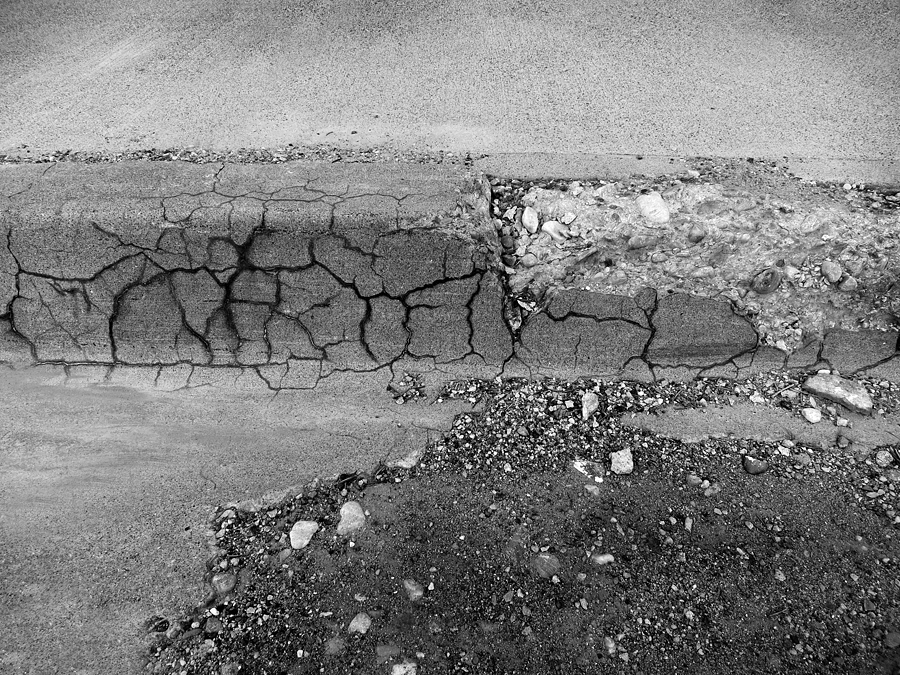
Curbs are the raised edges of a sidewalk or road that separate it from the street. They provide physical barriers to prevent pedestrians from stepping into traffic. When curbs start to crumble or deteriorate, they become less effective in protecting pedestrians and can lead to trips and falls.

Uneven Surfaces

Shifting ground, tree roots, or improper installation can cause sections of concrete or asphalt to become uneven. A height difference of as little as a quarter of an inch can be enough to cause someone to trip and fall. These heaved or sunken slabs are particularly dangerous and are a major focus of premises liability cases.

Inadequate Lighting

Poor lighting in parking lots and along sidewalks can make even small hazards difficult to see, especially at night or during bad weather. Dark areas can hide cracks, potholes, and changes in elevation, increasing the risk of pedestrian accidents. Proper illumination is a critical component of pedestrian safety.

Why Timely Sidewalk and Parking Lot Repair Matters

Neglecting pavement maintenance is not just an aesthetic issue; it has serious legal and financial consequences. As a property owner in Indiana, you have a legal duty to maintain a reasonably safe environment for visitors. This concept, known as premises liability, holds you responsible for injuries that occur on your property due to unsafe conditions.

Ignoring a known hazard can be considered negligence, opening your business up to lawsuits. The financial impact of a single trip-and-fall accident can be substantial. Furthermore, businesses that implement regular maintenance and safety inspections can reduce their liability by up to 80% (source: OSHA). Proactive parking lot maintenance isn’t just about safety—it’s a smart financial decision that protects your assets.

Schedule a Pavement Repair Assessment Today!

Practical Repair Solutions

Addressing hazards promptly is key. Fortunately, many effective solutions are available for common pavement problems.

For Cracks

Minor cracks can be sealed to prevent them from growing. A high-quality concrete crack filler can be applied to clean, dry cracks. This prevents water from penetrating the surface and causing further erosion. For larger or more extensive cracking, professional commercial paving assessment may be needed to determine the underlying cause.

For Potholes

For a quick and effective fix, a cold asphalt patch is an excellent option. This material can be applied directly into a clean pothole and compacted to create a durable, level surface. For larger areas or longer-lasting repairs, using ready mix concrete (RMC) or hot mix asphalt may be a better choice.

For Uneven Surfaces

Self-leveling concrete is a fantastic solution for uneven concrete slabs. It spreads out to fill low spots and creates a smooth, flat surface. For more severe heaving, grinding down the higher slab or lifting the sunken slab (a process known as slab-jacking) might be necessary.

For Enhancing Safety

Once structural repairs are complete, consider adding finishing touches to boost safety.

  • Anti-slip coatings can be applied to walkways to improve traction, especially in areas prone to getting wet.
  • Using fresh, reflective paint for parking lines, crosswalks, and directional arrows improves visibility and organization, guiding both drivers and pedestrians safely.

A Proactive Approach to Pedestrian Accident Prevention

The best way to manage hazards is to prevent them from developing in the first place. A consistent maintenance plan is your best defense against accidents and costly emergency repairs.

  • Regular Inspections: Walk your property at least quarterly and after severe weather events. Look for new cracks, water pooling, or any signs of wear and tear.
  • Keep Detailed Records: Document your inspections, any repairs made, and the dates they were completed. This documentation can be crucial in demonstrating due diligence if an accident occurs.
  • Address Issues Immediately: Don’t wait for a small crack to become a large pothole. Small, quick repairs are much more cost-effective than large-scale reconstruction.
  • Manage Water Drainage: Ensure your drainage systems are clear and functioning correctly. Poor drainage is a leading cause of pavement deterioration.

Frequently Asked Questions

How often should I inspect my parking lot and sidewalks?

It’s recommended to conduct thorough inspections at least quarterly. You should also perform checks after significant weather events like heavy rain, snowstorms, or freeze-thaw cycles.

What are the first steps when I identify a hazard?

First, block off the hazardous area with cones or caution tape to prevent accidents. Then, document the hazard with photos and notes. Finally, contact a professional paving contractor to assess the damage and recommend a repair plan.

Can I do these repairs myself, or should I hire a professional?

Small repairs like filling minor cracks can often be a DIY task. However, for potholes, uneven surfaces, or extensive damage, hiring a professional is recommended. They have the right equipment and expertise to ensure a durable, safe, and compliant repair.

How can I ensure my repairs meet ADA compliance standards?

The best way to ensure ADA compliance is to work with an experienced contractor familiar with its requirements. They will ensure that accessible routes, ramps, and curb cuts meet specific slope, width, and surface standards.

What are the long-term benefits of regular maintenance?

Regular maintenance extends the life of your pavement, prevents costly liability claims, enhances your property’s curb appeal, and provides a safer environment for everyone. Proactive care is always more cost-effective than reactive repairs.

Final Thoughts

Maintaining safe parking lots and sidewalks is a fundamental responsibility for any property owner. By understanding common hazards, acting quickly on repairs, and following a preventive maintenance schedule, you protect pedestrians from injury and your business from financial risk. A safe property is a successful property.

If you’ve identified hazards on your commercial property, don’t wait for an accident to happen. Take the first step toward a safer environment. Contact us today to schedule a consultation and learn more about our professional parking lot and sidewalk repair services.

Click Here to Call Now

Related Post: Pothole Repair Guide for Parking Lots

Top 10 Mistakes to Avoid with Ready-Mix Concrete

Ready-mix concrete is a fantastic material for everything from DIY patios to professional foundations, offering consistency and convenience. However, simple errors in its application can lead to costly repairs, project delays, and structural weaknesses. Don’t let common mistakes cost you time and money. Mastering the fundamentals of ready-mix concrete is essential for ensuring a durable and long-lasting result.

This guide is designed to walk you through the most frequent pitfalls encountered during concrete projects. By understanding these issues, you can prepare properly, execute flawlessly, and achieve a professional-grade finish. We’ll cover everything from getting the mix right to proper curing, helping you avoid the headaches that can come with improper RMC installation.

Call 317-549-1833 When You Need a Trusted Ready Mix Concrete Provider in Indiana - Custom Batches!
Call 317-549-1833 When You Need a Trusted Ready Mix Concrete Provider in Indiana – Custom Batches!

What is Ready-Mix Concrete (RMC)?

Ready-mix concrete (RMC) is concrete that is manufactured in a batch plant according to a specific recipe and then delivered to a worksite in a transit mixer. This process ensures a high-quality, uniform mixture, saving you the labor and potential inconsistencies of mixing concrete on-site. It’s a reliable choice for projects of all sizes, provided it’s handled correctly from delivery to finish.

Common RMC Mistakes That Can Be Avoided

1. Incorrect Mix Ratio

The strength and durability of your concrete depend entirely on the correct ratio of cement, aggregates (sand and gravel), and water. An improper mix can lead to a final product that is too weak, prone to cracking, or difficult to work with. For instance, too little cement will result in a brittle structure, while the wrong aggregate size can compromise the concrete’s integrity.

How to avoid it:

Always specify the intended application to your ready-mix concrete provider. They can recommend the appropriate mix design strength (measured in PSI) for your project, whether it’s a simple walkway or a load-bearing foundation.

2. Inadequate Site Preparation

Pouring concrete onto a poorly prepared surface is a recipe for failure. Unstable or uneven ground, debris, and improper grading can all lead to cracking, settling, and water drainage issues down the line. A common error is pouring concrete on frozen ground; as the ground thaws, it can shift and cause the new slab to crack.

How to avoid it:

  • Clear and level the area: Remove all vegetation, rocks, and debris.
  • Ensure proper drainage: Grade the site away from structures to prevent water from pooling.
  • Compact the subgrade: Use a plate compactor to create a solid, stable base. This is especially important for regional soil types like clay, which can expand and contract.

3. Improper Handling at Delivery

When the ready-mix concrete delivery truck arrives, the clock starts ticking. The material has a limited workable time before it begins to set. Delays in placing the concrete or mishandling it during the pour can lead to cold joints, where fresh concrete is poured against hardened concrete, creating a weak spot.

How to avoid it:

Be prepared. Have your forms, tools, and sufficient labor ready before the truck arrives. Ensure clear access to the pour site so the chute can reach the desired areas with minimal delay.

4. Pouring in Unsuitable Weather

Weather has a significant impact on the concrete pouring and curing process. Extreme temperatures, rain, and high winds can all compromise the final quality.

  • Hot weather: Can cause the water in the mix to evaporate too quickly, leading to shrinkage cracks.
  • Cold weather: Slows the RMC cure time, and if temperatures drop below freezing, the water in the mix can freeze and expand, permanently damaging the concrete’s internal structure. This is a crucial consideration in colder climates with freeze-thaw cycles.
  • Rain: Can wash away the cement paste from the surface and increase the water-cement ratio, weakening the slab.

How to avoid it:

Check the forecast and plan your pour for a mild, dry day. If you must pour in extreme weather, take precautions like using insulating blankets in the cold or misting the slab in the heat.

5. Overwatering the Concrete

It can be tempting to add more water to the mix on-site to make it easier to pour and spread. This is one of the most common and damaging mistakes. Adding extra water significantly weakens the concrete’s compressive strength and increases its permeability, making it more susceptible to damage from moisture and freeze-thaw cycles.

How to avoid it:

Order your concrete at the correct slump (a measure of workability). If the mix feels too stiff, consult with the ready-mix concrete provider before adding any water. They might suggest using an additive instead.

Contact Us for Small & Large Batch RMC Delivery!

6. Failing to Use Proper Reinforcement

For many applications, especially those that will bear weight like driveways and foundations, concrete needs reinforcement to handle tensile forces (stretching). Without it, the concrete will inevitably crack under pressure. A common error is not using steel rebar or wire mesh in load-bearing applications.

How to avoid it:

Follow local building codes, which dictate the type and placement of reinforcement needed for your project. Ensure rebar or mesh is positioned correctly within the forms, typically in the middle or upper-third of the slab’s thickness, not lying on the ground.

7. Neglecting the Curing Process

Pouring the concrete is only half the battle. Curing is the chemical process that gives concrete its strength, and it requires adequate moisture and temperature over time. Improper curing can reduce the final strength by up to 50%. Failing to protect freshly poured concrete from direct sunlight or wind can cause the surface to dry out too quickly, leading to a weak, dusty surface and cracking.

How to avoid it:

Keep the concrete continuously moist for at least 5-7 days after pouring. You can do this by spraying it with a fine mist of water, covering it with plastic sheeting, or using a liquid curing compound.

8. Ignoring the Slump Test

The slump test is a simple on-site method to measure the consistency and workability of fresh concrete. Ignoring this test means you are guessing whether the concrete meets your project’s specifications. If the slump is too high (too wet) or too low (too dry), it can be difficult to place and finish properly, leading to a poor-quality result.

How to avoid it:

Perform a slump test on each batch of concrete delivered. If the slump is outside the specified range, do not accept the delivery until the issue is resolved by the ready-mix concrete provider.

9. Not Considering Additives

Modern concrete mixes can be enhanced with various additives to improve performance. These can increase workability, accelerate or retard setting time, reduce water requirements, and improve durability. Not considering these options means you might be missing an opportunity to make your project easier and your final product better.

How to avoid it:

Discuss your project needs with your concrete supplier. They can recommend additives like water-reducers, air-entraining agents (for freeze-thaw resistance), or accelerators to help you achieve the best results.

10. Insufficient Compaction

After concrete is poured, it contains trapped air pockets. If these are not removed, they create voids that weaken the structure and leave a porous, honeycombed surface. This is a critical step for ensuring density and strength.

How to avoid it:

Use a mechanical vibrator to consolidate the concrete properly. Insert the vibrator systematically throughout the pour, but be careful not to over-vibrate, as this can cause the ingredients to separate. For smaller slabs, tamping the concrete with a rod or a 2×4 can also help remove air bubbles.

Frequently Asked Questions (FAQ)

How long does ready-mix concrete take to cure?

Ready-mix concrete begins to harden within a few hours, but the full RMC cure time is about 28 days, which is when it typically reaches its specified compressive strength. However, it’s crucial to keep it moist for the first 7 days to ensure proper curing.

Can I pour ready-mix concrete directly on dirt?

It is not recommended. You should always pour concrete on a stable, well-compacted subgrade, such as a layer of gravel, to prevent settling, cracking, and moisture issues.

What happens if it starts raining after I pour concrete?

A light drizzle might not cause much harm, but heavy rain can wash away the surface cement paste and weaken the slab. If rain is expected, cover the fresh concrete with plastic sheeting as soon as possible.

How do I order the right amount of concrete?

Calculate the volume of your project in cubic yards (Length x Width x Thickness) and always order about 10% extra to account for spillage, uneven subgrade, and waste. Your ready-mix concrete provider can help you with these calculations.

Final Thoughts

Working with ready-mix concrete doesn’t have to be intimidating. By understanding these common mistakes and preparing diligently, you can ensure your project is a success. Careful planning, proper site preparation, and attention to detail during the pouring and curing stages are the keys to a strong, durable, and attractive concrete structure.

If you have a complex project or are unsure about any part of the process, seeking professional guidance is always the wisest choice. Our team of commercial paving experts is ready to help you get it right the first time. Contact us today for expert advice and to schedule your next ready-mix concrete delivery.

Call Now to Speak With Us

Related Post: The Science Behind Ready-Mix Concrete: What Makes It So Durable?

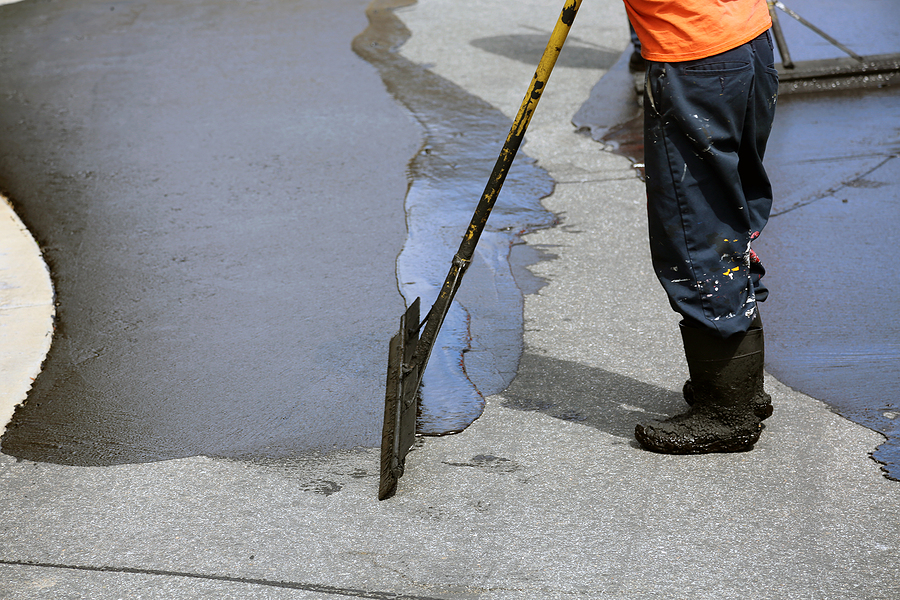
Quality You Can See: The Impact of Commercial Asphalt Sealing

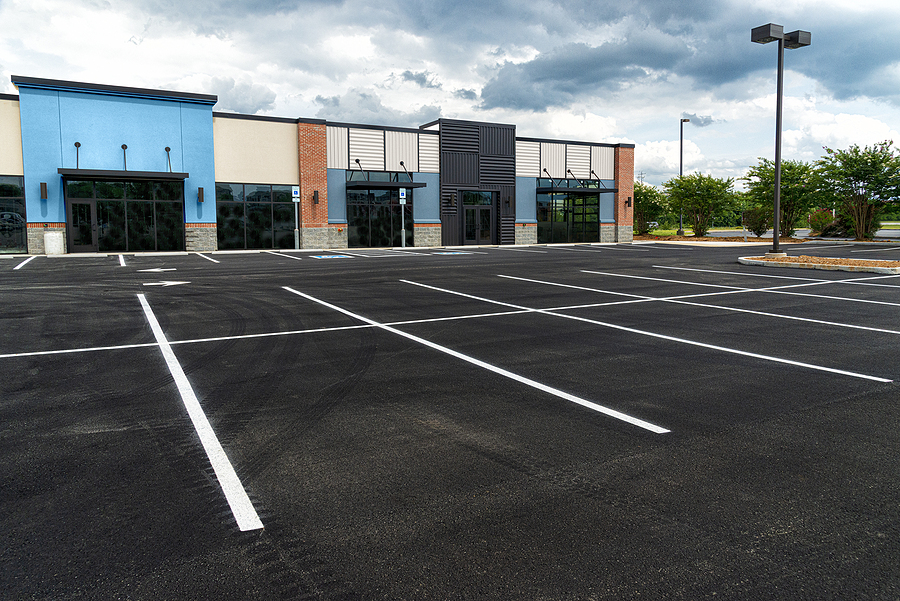
Your property’s parking lot or driveway is often the first impression a client or customer has of your business. A well-maintained, smooth, and dark blacktop signals professionalism and attention to detail. Conversely, a surface riddled with cracks, potholes, and faded lines can suggest neglect. Commercial asphalt sealing, or sealcoating, is a fundamental part of asphalt maintenance that protects your investment and preserves that crucial first impression.

Understanding the role of an asphalt sealer is key to managing your property effectively. This protective layer acts as a shield, defending your pavement from the elements that seek to break it down. For business owners and property managers, implementing a regular pavement sealcoating schedule is not just about aesthetics; it’s a strategic financial decision.

This guide will walk you through the significant benefits of asphalt sealing, the process itself, and how to choose the right professionals for the job.

Call 317-549-1833 For Commercial Asphalt Sealing and Repair in Indianapolis

Why Asphalt Sealing is a Smart Investment

Neglecting your commercial asphalt can lead to costly repairs and potential safety hazards. Proactive asphalt maintenance through sealcoating offers a range of benefits that protect both your property and your bottom line.

Protection Against the Elements

Your asphalt is constantly exposed to harsh conditions. UV rays from the sun oxidize the pavement, causing it to become brittle and lose its flexibility. Rain, snow, and ice introduce moisture that can seep into the asphalt’s porous surface, weakening its foundation. Furthermore, chemical spills from vehicles, such as oil and gasoline, can dissolve the asphalt binder. An asphalt sealcoat provides a durable barrier against all these threats, preserving the structural integrity of your pavement.

Prevention of Cracks and Potholes

Oxidation and water penetration are the primary culprits behind asphalt cracks. As the pavement becomes brittle, it can no longer withstand the stress of traffic and temperature fluctuations, leading to small cracks. If left untreated, water enters these openings, freezes, expands, and widens the cracks.

Over time, this cycle creates larger fissures and eventually potholes. Pavement sealcoating fills minor surface voids and stops water from getting in, effectively preventing the formation of more severe asphalt repair issues.

Enhanced Curb Appeal

A freshly sealed asphalt surface has a rich, dark black color that significantly enhances your property’s appearance. It makes your parking lot look new, clean, and inviting. A well-maintained exterior reflects positively on your business, showing customers that you care about your property and, by extension, your services. A dark, uniform surface also makes traffic lines and parking stall markings more visible, improving safety and organization.

Significant Cost Savings

Preventative maintenance is always more cost-effective than extensive repairs. Regular sealcoating can save you up to 50% on long-term asphalt maintenance costs. By investing a small amount in an asphalt sealcoat every few years, you can delay the need for expensive asphalt repairs like major crack filling, patching, or a complete resurfacing. Protecting your pavement from the start is a wise financial strategy for any commercial property owner.

The Commercial Asphalt Sealing Process

Professional asphalt sealing is a systematic process designed to ensure maximum protection and durability. While specifics may vary, a quality commercial asphalt paving and sealing project typically follows these steps:

Cleaning and Preparation

The surface must be thoroughly cleaned before any asphalt sealer is applied. This involves using power brooms, blowers, and sometimes pressure washers to remove all dirt, dust, and debris. Any oil or chemical stains are treated with special primers to ensure the sealer adheres properly.

Crack and Pothole Repair

Any existing asphalt cracks are cleaned out and filled with a hot-pour rubberized sealant. This flexible material prevents water from entering the cracks and allows for the natural expansion and contraction of the pavement. Larger damaged areas or potholes are addressed with an appropriate asphalt repair patch.

Sealant Application

Once the surface is clean and all repairs have cured, the sealcoating is applied. Professionals typically use a squeegee or spray system to apply a uniform layer of high-quality asphalt sealer. For commercial properties with heavy traffic, two coats are often recommended for extended durability.

Curing and Restriping

The newly sealed surface needs time to cure properly. The area will be barricaded to traffic for approximately 24-48 hours, depending on the weather conditions. After the sealcoat has fully cured, any traffic lines, parking space markings, and other stencils are repainted.

Contact Us for an Asphalt Sealing Bid

When Is the Right Time for Sealcoating?

Timing is crucial for effective asphalt sealing. For a new commercial asphalt installation, it’s generally recommended to wait 6 to 12 months before the first sealcoat. This allows the pavement to fully cure and release its surface oils.

After the initial application, a regular asphalt maintenance schedule should be established. For most commercial properties, sealcoating is recommended every 2-4 years. The exact frequency depends on factors like traffic volume, climate, and the overall condition of the pavement.

The best time of year for asphalt sealing is during the warmer, drier months. The application requires ground and air temperatures to be at least 50°F (10°C) and rising. It’s also important to have a clear forecast with no rain expected for at least 24 hours to allow for proper curing.

Choosing the Right Sealing Provider

The quality of your commercial asphalt sealing project depends heavily on the contractor you hire. Here are some tips for selecting a reputable provider:

  • Look for Experience: Choose a company with a proven track record in commercial asphalt paving and maintenance. Ask for references and look at examples of their past work.
  • Verify Insurance & Licensing: Ensure the contractor is fully licensed and insured to protect your property and their workers.
  • Inquire About Materials: A professional company like ACI Asphalt & Concrete in Indianapolis will use high-quality, commercial-grade asphalt sealer and crack fillers. Don’t hesitate to ask about the specific products they use.
  • Request a Detailed Proposal: The proposal should outline the entire scope of work, including preparation, repair methods, number of sealcoat layers, and a clear breakdown of costs.

Frequently Asked Questions About Asphalt Sealing

How often should I seal my commercial asphalt?

For most commercial properties, pavement sealcoating is recommended every 2-4 years. This frequency can vary based on traffic load and local climate conditions.

What time of year is best for asphalt sealing?

The ideal time for sealing is during warm, dry weather, typically from late spring to early fall. The temperature should be at least 50°F and rising for the sealer to apply and cure correctly.

How long does the asphalt sealing process take?

A typical commercial project takes 1-2 days, including preparation and application. The surface then needs 24-48 hours to cure before it can be opened to traffic.

How long does asphalt sealing last?

A professionally applied sealcoat will typically last 2-4 years. High-quality materials and proper application are key to maximizing its lifespan.

Does asphalt sealing really prevent cracks and potholes?

Yes. By creating a protective barrier against water and UV rays, sealcoating prevents the oxidation and moisture damage that leads to cracks and potholes, making it a crucial part of asphalt maintenance.

Can I seal asphalt myself, or should I hire a professional?

While DIY kits are available, commercial properties benefit greatly from professional application. Professionals have the proper equipment, use higher-grade materials, and have the expertise to perform necessary asphalt repairs for a durable, long-lasting finish.

In Summary

A well-maintained parking lot is an asset to your commercial property. It enhances safety, boosts curb appeal, and sends a powerful message to your clients and customers. Commercial asphalt sealing is the most effective way to protect this asset from deterioration, saving you from expensive asphalt repairs down the road. By understanding the process and partnering with a trusted professional, you can ensure your pavement remains a lasting reflection of your business’s quality and standards.

Ready to extend the life of your asphalt and enhance your property’s appearance? Contact ACI Asphalt and Concrete and our experienced commercial paving team create a customized asphalt sealing plan for you.

Learn More About Our Services

Related Post: Commercial Asphalt Sealing Service: Protect and Prolong Your Asphalt Investment

Boost Your Property’s ROI with Professional Pavement Maintenance

First impressions are powerful, especially in business. For commercial property owners, the exterior of your building is the first thing potential customers or tenants see. A well-maintained property suggests professionalism and care, while a neglected one can drive business away. This is where commercial pavement maintenance becomes essential. A smooth, clean parking lot or walkway not only enhances visual appeal but also impacts safety, accessibility, and your bottom line.

This guide will explore how prioritizing your commercial pavements can significantly benefit your property. We’ll cover everything from the immediate impact on customer perceptions to long-term cost savings. You’ll learn about different maintenance options and discover how modern technology is making pavement management more efficient than ever. By understanding the true ROI of commercial pavement repair and upkeep, you can make informed decisions that protect your investment and create a welcoming environment for everyone.

Call 317-549-1833 For Professional Commercial Pavement Maintenance in Indianapolis Indiana

The Power of a First Impression

The condition of your commercial pavement is a direct reflection of your business. Imagine arriving at a shopping center with smooth, crack-free asphalt and clearly marked parking spaces. The entrance is inviting, and the entire experience feels seamless and professional. Now, picture an office complex with a cracked, uneven concrete entrance, faded parking lines, and dangerous potholes. This creates a negative perception before a visitor even steps inside.

Research confirms this gut feeling. According to Chain Store Age, customers are 65% more likely to visit a store with a well-maintained exterior. Your commercial asphalt or concrete is a large part of that exterior. Neglected surfaces can communicate a lack of attention to detail, potentially deterring discerning clients and high-value tenants who associate property condition with the quality of the businesses within.

A proactive approach to commercial pavement maintenance ensures your property sends the right message: that you are professional, reliable, and invested in providing a quality experience. Some retail stores even use decorative concrete to create a unique and memorable first impression that sets them apart from competitors.

Pavement’s Role in Safety and Liability

Beyond aesthetics, the state of your commercial pavement is a critical safety issue. Cracked, uneven surfaces and potholes are more than just eyesores; they are significant trip-and-fall hazards for pedestrians and can cause damage to vehicles. As a property owner or manager, you have a legal responsibility to provide a safe environment for everyone who visits your property.

Neglecting necessary pothole repair or ignoring cracked walkways can lead to costly accidents and liability claims. Implementing regular safety inspections is a crucial step in mitigating these risks.

Furthermore, your property must comply with local regulations and accessibility standards, such as the Americans with Disabilities Act (ADA), which mandates clear, unobstructed, and safe pathways for individuals with disabilities. Investing in regular commercial pavement repair not only protects your visitors but also safeguards your business from potential legal and financial repercussions.

During any maintenance work, remember to use clear signage to warn pedestrians and drivers, and always ensure your paving contractors are licensed and insured.

Long-Term Cost Savings and ROI

Many property managers delay pavement maintenance due to budget constraints, viewing it as an expense rather than an investment. However, this reactive approach often leads to much higher costs down the road. Minor issues like small cracks or fading sealant can quickly escalate into major problems like widespread cracking, potholes, and foundational damage that require a complete and costly replacement.

The National Asphalt Pavement Association reports that preventative pavement maintenance can extend the life of your pavement by up to 50%. This statistic highlights the significant ROI of a proactive strategy. By addressing minor issues as they arise, you prevent them from becoming expensive emergencies.

This approach allows for more predictable budgeting and avoids the operational disruptions that come with major construction projects. Investing a small amount in regular upkeep saves a substantial amount in the long run, making commercial pavement maintenance one of the smartest financial decisions a property manager can make.

Contact Us for a No-Fee Bid!

Exploring Your Pavement Maintenance Options

Maintaining your commercial pavements doesn’t have to be complicated. Several effective options are available to keep your asphalt and concrete in top condition. Understanding these choices helps you create a maintenance plan that fits your property’s needs and budget.

Sealcoating

Sealcoating is a protective layer applied to asphalt surfaces. It shields the pavement from the damaging effects of UV rays, water, and vehicle fluids like oil and gasoline. Regular sealcoating not only extends the life of your commercial asphalt but also gives it a fresh, black finish that enhances its appearance. This simple process is one of the most cost-effective ways to protect your investment.

Crack Filling

Small cracks in your pavement are an open invitation for water to seep into the foundation. As water freezes and thaws, it expands and contracts, widening the cracks and compromising the structural integrity of your pavement. Crack filling involves cleaning out cracks and filling them with a flexible sealant. This prevents water intrusion and stops small cracks from turning into large, costly problems like potholes.

Pothole Repair

Potholes are a serious safety hazard and a clear sign of pavement distress. Addressing them quickly is essential. Pothole patching involves cleaning the damaged area and filling it with new asphalt material. Prompt pothole repair is crucial for preventing accidents and avoiding further deterioration of the surrounding pavement.

Current Pavement Technology

Managing these maintenance tasks is becoming easier with advancements in technology. Drone surveys can quickly assess large commercial properties, identifying problem areas with precision. AI-driven software can then analyze this data to create optimized maintenance schedules, helping you prioritize repairs and allocate your budget more effectively. This technology streamlines the entire process, ensuring your commercial paving receives the right attention at the right time.

In Summary

Your property’s pavement is far more than just a surface for driving and walking—it’s an integral part of your brand identity, a key factor in visitor safety, and a significant financial asset. By shifting from a reactive mindset to a proactive maintenance strategy, you can enhance your property’s curb appeal, reduce liability risks, and achieve substantial long-term cost savings.

Investing in professional commercial pavement maintenance elevates your property’s value and ensures it makes a positive, lasting impression on every customer, client, and tenant. Don’t let neglected pavement undermine your business.

Contact ACI Asphalt and Concrete today for a free consultation and let our experts help you develop a maintenance plan that protects your investment and boosts your bottom line. Together, we’ll ensure your commercial paving needs are met with unmatched precision and excellence. 

Schedule a Free Quote Now

Related Post: How Commercial Pavement Upgrades Boost Your ROI

The Science Behind Ready-Mix Concrete: What Makes It So Durable?

When you see towering skyscrapers, expansive highways, or sturdy bridges, you’re witnessing the remarkable durability of ready-mix concrete in action. This versatile building material has become the backbone of modern construction, but what exactly makes it so incredibly strong and long-lasting?

Ready mix concrete isn’t just a simple mixture of materials thrown together. Its exceptional durability stems from a precise scientific process involving carefully balanced ingredients, complex chemical reactions, and rigorous quality control measures. Understanding the science behind ready-mix concrete durability reveals why this material can withstand decades of wear, weather, and stress while maintaining its structural integrity.

The durability of ready-mix concrete depends on several interconnected factors, from the initial composition to the final curing process. Each element plays a crucial role in creating a material that can support massive loads, resist environmental damage, and provide reliable performance for generations.

Call 317-549-1833 For Ready Mix Concrete (RMC) Delivery in Indianapolis

Composition of Ready-Mix Concrete: The Foundation of Strength

The durability of ready mix concrete begins with its fundamental composition. This engineered material consists of four primary components, each serving a specific purpose in creating a durable final product.

Cement acts as the binding agent, typically Portland cement, which provides the chemical foundation for the concrete’s strength. When cement comes into contact with water, it initiates the crucial hydration process that transforms the mixture from a workable material into a rock-hard substance.

Aggregates make up the largest portion of concrete volume, including both fine aggregates (sand) and coarse aggregates (gravel or crushed stone). These inert materials provide structural volume and significantly contribute to the concrete’s overall strength and durability characteristics.

Water serves as more than just a mixing agent. It’s the catalyst that activates the cement, enabling the chemical reactions necessary for hardening. The quality and quantity of water directly impact the final strength and durability of the concrete.

Admixtures are specialized chemicals added to modify specific properties of the concrete. These can include air-entraining agents to improve freeze-thaw resistance, water reducers to enhance workability, or accelerators to speed up the setting process.

The Hydration Process: Chemistry in Action

At the heart of ready-mix concrete durability lies hydration—the chemical reaction between cement and water that transforms the mixture into a solid, durable material. This process begins immediately when water contacts cement particles.

During hydration, cement compounds react with water to form calcium silicate hydrate (C-S-H) gel, which acts as the primary binding agent. This gel fills the spaces between cement particles and aggregates, creating a dense, interconnected matrix that gives concrete its strength.

The hydration process continues for months, even years, after the concrete is placed. This ongoing reaction means that properly cured concrete actually becomes stronger over time, contributing significantly to its long-term durability.

Temperature and moisture levels critically influence the hydration rate. Higher temperatures accelerate the process, while adequate moisture ensures complete hydration of cement particles, maximizing the concrete’s potential strength and durability.

Role of Aggregates in Concrete Strength

Aggregates aren’t just filler material—they’re integral to ready-mix concrete durability. Different types and sizes of aggregates affect the concrete’s strength, workability, and resistance to various stresses.

▶ Fine aggregates (sand) fill voids between larger particles and contribute to the concrete’s workability. The gradation and quality of fine aggregates influence the concrete’s ability to achieve a dense, durable matrix.

▶ Coarse aggregates (gravel or crushed stone) provide the structural backbone of concrete. Their size, shape, and strength characteristics directly impact the concrete’s ability to resist compressive forces and maintain long-term durability.

The aggregate-to-cement ratio affects both strength and durability. Well-graded aggregates create a denser concrete matrix with fewer voids, resulting in higher strength and better resistance to water penetration and chemical attack.

View Our RMC Delivery Solutions!

Water-Cement Ratio: The Critical Balance

The water-cement ratio represents one of the most crucial factors in ready-mix concrete durability. This ratio, measured by weight, determines the concrete’s ultimate strength, durability, and workability characteristics.

A lower water-cement ratio produces stronger, more durable concrete. When less water is used, fewer voids remain after hydration, creating a denser concrete matrix that better resists compression, water penetration, and chemical attack.

However, reducing water content affects workability. Too little water makes the concrete difficult to place and compact properly, potentially creating weak spots that compromise durability. The optimal ratio balances strength requirements with practical workability needs.

Excess water creates additional voids as it evaporates, weakening the concrete structure and reducing its resistance to environmental factors. These voids provide pathways for water and chemicals to penetrate the concrete, accelerating deterioration processes.

Impact of Admixtures on Concrete Properties

Modern ready mix concrete often includes various admixtures that enhance specific durability characteristics. These chemical additives allow concrete producers to tailor the material’s properties to meet specific project requirements.

Air-entraining agents create tiny air bubbles throughout the concrete, improving its resistance to freeze-thaw cycles. This is particularly important for concrete paving and other applications exposed to seasonal temperature variations.

Water-reducing admixtures (plasticizers) allow for lower water-cement ratios while maintaining workability, resulting in stronger, more durable concrete. Super-plasticizers can achieve even greater water reduction and strength enhancement.

Set-controlling admixtures help manage the concrete’s setting time. Accelerators speed up hydration for faster strength gain, while retarders slow the process, allowing for better placement in large pours or hot weather conditions.

Supplementary cementitious materials like fly ash or silica fume can partially replace cement, often improving long-term durability by creating a denser concrete matrix and reducing permeability.

Curing Process: Nurturing Strength Development

Proper curing is essential for achieving the full durability potential of ready-mix concrete. Curing involves maintaining adequate moisture and temperature conditions to allow complete hydration of cement particles.

Moisture is critical because hydration requires water. If concrete dries too quickly, hydration stops prematurely, resulting in lower strength and reduced durability. Proper curing maintains surface moisture for at least seven days, with 28 days being optimal for maximum strength development.

Temperature control during curing affects the rate and completeness of hydration. Moderate temperatures (50-80°F) provide ideal conditions for strength development. Extreme temperatures, either hot or cold, can negatively impact the curing process and final concrete quality.

Different curing methods include water curing, membrane curing with curing compounds, and steam curing for precast applications. The chosen method depends on project requirements, environmental conditions, and desired strength development timeline.

Contact Us for Expert Commercial Concrete Paving

Testing and Quality Control Measures

Ensuring ready-mix concrete durability requires rigorous testing and quality control throughout the production and placement process. These measures verify that the concrete meets specified strength and durability requirements.

Compressive strength testing involves crushing concrete cylinders to determine their resistance to compression, typically measured at 7, 14, and 28 days after placement. This fundamental test indicates the concrete’s structural capacity and overall quality.

Slump testing measures concrete workability and consistency. While not directly measuring durability, proper workability ensures adequate placement and consolidation, which are essential for achieving design strength and durability.

Air content testing verifies proper air entrainment levels for freeze-thaw resistance. This is particularly important for concrete installation in climates with seasonal freezing.

Temperature monitoring ensures concrete is placed within specified temperature ranges and that proper curing temperatures are maintained during critical early-age strength development.

Factors Affecting Long-Term Durability

Several external factors can impact the long-term performance of ready-mix concrete, even when properly designed and installed. Understanding these factors helps ensure optimal durability for specific applications.

Climate conditions significantly affect concrete durability. Freeze-thaw cycles can cause internal cracking if the concrete lacks adequate air entrainment. Hot, dry climates may cause rapid moisture loss during placement, while humid conditions can affect curing processes.

Chemical exposure from deicing salts, sulfates in soil, or industrial chemicals can deteriorate concrete over time. The concrete’s permeability and chemical resistance determine its ability to withstand such exposure.

Physical stress from traffic loads, structural movements, or ground settlement can cause cracking and reduce durability. Proper design considers these factors to ensure adequate strength and reinforcement.

Water exposure is particularly critical for concrete paving and other exterior applications. Proper mix design includes consideration of water penetration resistance and potential freeze-thaw damage.

Cement vs. Concrete: Understanding the Difference

Many people confuse cement and concrete, but understanding the difference is crucial for appreciating ready-mix concrete durability. Cement is just one component of concrete—the binding agent that holds everything together.

Concrete is the composite material created when cement, aggregates, water, and admixtures combine and undergo hydration. The strength and durability come from this complete system, not from cement alone.

This distinction is important because concrete’s durability depends on all components working together. High-quality cement won’t produce durable concrete without proper aggregates, water control, and curing practices.

Maximizing Your Concrete Investment

Understanding the science behind ready-mix concrete durability empowers you to make informed decisions for your construction projects. The key lies in recognizing that durability results from the careful orchestration of multiple factors—from initial mix design through final curing.

Quality ready mix concrete delivery ensures your project starts with properly proportioned materials and expert knowledge. Professional concrete installation follows proven practices for placement, finishing, and curing to achieve maximum durability potential.

Whether you’re planning a commercial concrete paving project or any concrete installation, partnering with experienced professionals who understand these scientific principles ensures your investment will provide decades of reliable performance.

Ready to build with confidence? Contact ACI Asphalt and Concrete for small or large batch RMC delivery in Central Indiana and experience the difference that scientific precision and professional expertise make in concrete durability. Our team combines advanced materials science with proven construction practices to deliver ready-mix concrete solutions that stand the test of time.

Get a Free RMC Quote Now

Related Post: The Advantages of Using Ready Mix Concrete for Commercial Construction

Extend the Life of Your Asphalt Pavement with Proper Maintenance

Maintaining asphalt pavement is crucial for property managers and contractors looking to preserve surfaces, save on long-term costs, and ensure safety. When asphalt pavement is left unchecked, natural wear and tear combined with environmental factors can lead to cracks, potholes, and costly repairs. Fortunately, proper maintenance can significantly extend the lifespan of asphalt, keeping it functional and visually appealing for years.

This guide will detail the key steps involved in maintaining asphalt pavement, from understanding its composition to advanced strategies that prevent premature degradation. With these actionable insights, you’ll be better equipped to manage costs, adhere to regulations, and optimize the longevity of your pavement investments.

Call 317-549-1833 For Commercial Asphalt Pavement Sealing in Indianapolis

Understanding Asphalt Pavement

Before jumping into maintenance techniques, it’s essential to understand the composition and common causes of asphalt degradation.

Composition of Asphalt 

Asphalt pavement consists of aggregates (stones, sand, and gravel) mixed with a binder, which is typically bitumen. This flexible yet durable composition is ideal for supporting heavy loads, while its smooth surface ensures efficient water runoff.

Common Causes of Degradation

Several environmental and usage factors contribute to asphalt wear and tear:

  • Freeze-Thaw Cycles: Water seeps into cracks, freezes, and expands, causing surface damage.
  • Heavy Traffic Loads: Particularly in high-use areas, the weight stresses can lead to rutting and structural weakening.
  • UV Radiation: Prolonged sun exposure breaks down the asphalt binder, causing brittleness and cracking.
  • Chemical Spills: Oils and solvents erode asphalt over time.
  • Poor Drainage: Standing water and inadequate drainage weaken the subbase and accelerate damage.

Understanding these factors allows property managers to address specific vulnerabilities and mitigate further degradation.

Preventative Maintenance Techniques

Investing in preventative maintenance is far more cost-effective than waiting for significant damage to occur. Here are some proactive measures to keep your asphalt in prime condition.

Regular Cleaning 

Cleaning asphalt pavement regularly prevents debris, oil, and chemicals from corroding the surface. Sweep away dirt, leaves, and standing water to maintain a clean slate. Pressure washing is particularly effective for removing oil stains and reducing the likelihood of long-term damage.

Crack Sealing 

Small cracks may seem harmless, but they act as entry points for water, leading to accelerated structural degradation. Crack sealing involves applying a rubberized sealant to fill gaps, effectively preventing water infiltration. Conducting routine inspections and addressing cracks promptly can save thousands in future repair costs.

Sealcoating 

Sealcoating creates a protective barrier over the asphalt’s surface, shielding it from UV rays, chemical spills, and general wear. Applying a high-quality sealcoat every 2–3 years can double the lifespan of your pavement while enhancing its appearance. However, ensure the sealcoat is applied correctly for optimal results.

Repairing Damage

Despite proactive measures, wear and tear may still lead to damage over time. Knowing how to address these issues is key to maintaining a safe and functional surface.

Patching 

For potholes and localized damage, patching is the go-to solution. This process involves cleaning debris from the affected area, applying a patching material, and compacting it until level with the surrounding surface. Proper patching minimizes the risk of further damage and extends the pavement’s usability.

Resurfacing 

When the surface layer of asphalt is too worn out for patching, resurfacing may be necessary. This involves removing the top layer of pavement and replacing it with a fresh one. Resurfacing is less costly than full replacement and gives your asphalt a renewed look and functionality. It’s particularly useful for medium to large-scale damage.

Advanced Maintenance Strategies

For property managers looking to take maintenance to the next level, advanced strategies can further enhance asphalt lifespan and functionality.

Drainage Solutions 

Standing water is one of asphalt’s biggest enemies. Installing effective pavement drainage systems ensures quick runoff and prevents water accumulation. Regularly inspect and clean drains, outlets, and catch basins to maintain their efficiency and prevent blockages.

Stabilizing the Base 

A compromised subbase is a common reason for recurring issues like cracking and potholes. Stabilizing the base involves compacting the soil and adding aggregate to create a strong foundation. For new developments or severe damage, investing in base stabilization ensures long-term durability and prevents costly structural failures.

Request an Asphalt Sealcoating Estimate Today!

Common Mistakes in Asphalt Maintenance

Many property managers and contractors unknowingly shorten the lifespan of their pavement by making avoidable mistakes:

  • Neglecting timely crack sealing.
  • Using low-quality sealants, which wear out prematurely.
  • Ignoring regular drainage maintenance.
  • Delaying maintenance until significant damage occurs.
  • Failing to adhere to local regulations, risking non-compliance fines.
  • Improperly applying sealcoats, reducing effectiveness.

Avoiding these pitfalls ensures smooth and cost-efficient maintenance of your asphalt pavement.

Budget Considerations for Asphalt Maintenance 

Proper budgeting can maximize the return on your maintenance investment:

  • Prioritize Preventative Maintenance: Regular cleaning and sealing are cost-effective alternatives to reactive repairs.
  • Choose High-Quality Materials: Durable asphalt binders and sealants reduce repair frequency.
  • Plan for Seasonal Timing: Schedule work during optimal weather conditions for effective application.
  • DIY vs. Professional Services: Some tasks, like patching, may be done in-house, while complex projects (e.g., resurfacing & sealcoating) require professional expertise.
  • Evaluate Long-Term Costs: Weigh lifecycle costs against upfront expenses to make informed decisions.

Ensuring Compliance with Regulations 

Adhering to local regulations is essential for avoiding fines and ensuring safety:

  • Follow EPA guidelines for sealant and asphalt usage.
  • Comply with stormwater management regulations for drainage systems.
  • Use VOC-compliant sealcoats where restrictions apply.
  • Recycle asphalt responsibly and dispose of waste correctly.
  • Plan maintenance activities according to noise ordinances in residential areas.

FAQs About Asphalt Care

How often should asphalt be maintained?

Asphalt should be inspected annually and resealed every 3-5 years, depending on traffic volume and weather conditions. If you notice cracks or potholes, it’s important to address them promptly to prevent further damage.

Can I seal my own driveway or parking lot?

While DIY methods may seem cost-effective, it’s best to hire a professional for sealing and repairs. Improperly applied sealants can cause more harm than good, leading to costly repairs in the future.

Is asphalt maintenance necessary in all climates?

Yes, regular maintenance is crucial in all climates. Extreme temperatures, moisture, and UV exposure can all take a toll on asphalt surfaces. By staying on top of maintenance, you can extend the lifespan of your pavement and save money in the long run.

How often should I seal my asphalt?

The frequency of sealing depends on various factors such as traffic volume, climate, and condition of the pavement. Generally, it’s recommended to seal every 2-3 years for commercial properties and every 3-5 years for residential properties. However, it’s best to consult with a professional to determine the ideal timeline for your specific pavement.

What are some signs that my asphalt needs repairs or replacement?

There are several warning signs that indicate it’s time for repairs or replacement of your asphalt surface. These include cracks larger than a quarter inch, potholes, alligator cracking (a series of interconnected cracks resembling the skin of an alligator), and significant damage from water or chemical spillage. Additionally, if your pavement is more than 15-20 years old, it may be time for a complete replacement.

If you notice any of these signs on your asphalt surface, it’s important to address them as soon as possible. Ignoring these issues can lead to further damage and more expensive repairs in the future.

In Summary

Proactive pavement maintenance isn’t just an option—it’s a necessity for keeping your surfaces safe, functional, and cost-effective. Regular cleaning, sealing, patching, and advanced strategies like drainage solutions and base stabilization can make all the difference. By staying ahead of potential issues, you can ensure your surfaces remain durable, reliable, and budget-friendly for years to come.

Partnering with experts ensures your asphalt gets the care it deserves. Book a sealcoating assessment with ACI Asphalt and Concrete to protect your investment and enjoy long-lasting, high-quality pavement.

Contact Us Now

Related Post: Commercial Asphalt Sealing Service: Protect and Prolong Your Asphalt Investment