
Cracks in concrete are almost inevitable. Concrete is strong when squeezed but roughly ten times weaker when pulled apart, so as it cures, shifts, and reacts to temperature swings, it eventually gives way to cracks. The good news? Most cracks can be repaired before they turn into costly structural problems.
When it comes to fixing them, two methods dominate the conversation: filling and sealing. While the terms are often used interchangeably, they serve very different purposes. Choosing the right one protects your driveway, patio, or foundation—and saves you money down the road.
This guide breaks down the key differences between filling and sealing, when to use each method, and what to consider before starting a repair.
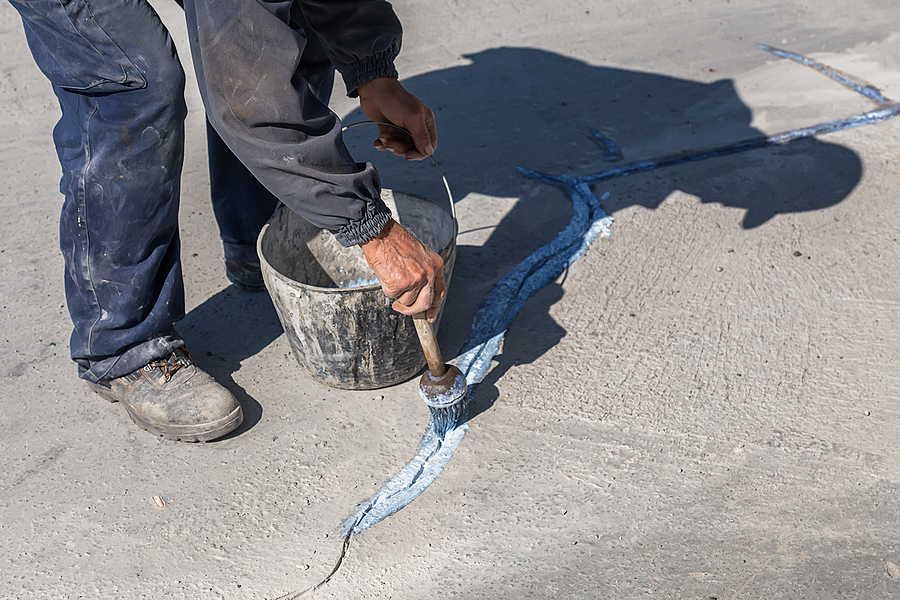
Filling vs. Sealing: Key Differences
Both methods repair cracks, but they solve different problems.
Crack filling repairs static cracks by packing material directly into the gap. It stops the crack from growing and blocks water and debris from getting in. Filling works best on wider, deeper cracks that aren’t actively moving.
Crack sealing creates a flexible, watertight barrier over and inside the crack. Because the sealant stays elastic, it expands and contracts as temperatures change—making it ideal for active cracks and hairline surface cracks that shift with the seasons.
Here’s the simplest way to think about it: filling addresses damage that has already stabilized, while sealing protects against ongoing movement and moisture intrusion.
When to Fill Concrete Cracks
Filling is the right call for cracks that are wider, deeper, and no longer moving.
Cracks Suited for Filling
Look for cracks that are stable and don’t widen or narrow between summer and winter. These “non-working” cracks often result from earlier settling or minor stress that has since leveled out. Wider gaps—those approaching or exceeding 1/8 inch—typically need filling rather than a thin surface treatment.
Materials and Process
For structural cracks, epoxy injection is the gold standard. Epoxy is a two-part resin that cures into a rigid, solid bond, effectively welding the concrete back together. In fact, cracked reinforced concrete repaired with epoxy can regain up to 85% of its original strength. Because epoxy has a low viscosity, it can also penetrate narrow, hairline structural cracks.
One important note: epoxy needs a dry or only slightly damp surface to bond properly. It doesn’t react well with active water leaks.
Durability and Cost
Filling is generally the more affordable option. It restores strength and blocks moisture, but rigid fillers don’t flex with movement. If used on an active crack, a rigid repair can simply crack again beside the original fix. For stable cracks, though, a proper fill delivers a long-lasting result.
When to Seal Concrete Cracks
Sealing is designed for cracks that move, along with the fine surface cracks that appear as concrete ages.
Cracks Suited for Sealing
Hairline cracks (less than 1/16 inch) are common and often cosmetic, but they still let in groundwater and moisture vapor. Sealing these early prevents bigger problems later. Active or “working” cracks—those that expand and contract with temperature changes—also call for a flexible sealant that can move without breaking.
Materials and Process
Sealing relies on flexible materials that stay semi-elastic after curing. Common choices include:
- Water-based siliconized latex caulks for minor surface cracks
- Polyurethane sealants for wet or leaking cracks
- Self-leveling silicone for horizontal surfaces
Polyurethane is especially useful because it reacts with moisture, expands to fill irregular voids, and remains flexible to accommodate future movement. That makes it a strong choice for cracks where water is actively getting in.
Preventative Benefits and Cost
Sealing costs more upfront than filling, but it delivers all-weather protection and a longer service life. By keeping moisture out and flexing with the concrete, sealing helps prevent the freeze-thaw damage, spalling, and heaving that lead to expensive repairs later.
Factors to Consider When Choosing
The right method depends on more than just the crack in front of you.
Crack width and depth. Industry standards from the American Concrete Institute point to 1/8 inch as a key threshold. Cracks wider than that warrant closer inspection and likely a more robust repair.
Age and condition of the concrete. Older slabs with multiple cracks may need a broader assessment rather than a spot fix.
Climate. This matters a great deal in Indianapolis. Central Indiana sees hot summers and freezing winters, and those freeze-thaw cycles put constant stress on concrete. Because temperature swings cause rigid fills to deteriorate faster, flexible sealing is often the smarter long-term investment in our region.
Budget and timeline. Filling offers a quick, lower-cost fix. Sealing requires more investment but pays off through added durability.
Hiring a Professional Pavement Repair Company
When it comes to concrete crack filling and sealing, hiring a professional pavement repair company is often the wisest choice. Experienced professionals bring specialized equipment and industry knowledge that ensure the job is done efficiently and effectively. They understand the complexities of evaluating crack severity, selecting the right materials, and applying them in a way that maximizes durability and longevity.
Additionally, working with a reputable company can save you valuable time while reducing the likelihood of errors that could lead to higher costs down the road. Always look for a company with positive reviews, proper licensing, and a proven track record in your local area to ensure your pavement receives the care it deserves.
Frequently Asked Questions
Can you seal a crack that’s already been filled?
Yes. Applying a flexible sealant over a filled crack can add an extra layer of moisture protection, especially in climates with heavy freeze-thaw activity. Just make sure the filled crack is clean, cured, and stable first.
How long do filled cracks typically last?
It depends on the material and the crack. A properly executed epoxy repair on a stable crack can last for years. However, fills used on active cracks or in harsh climates may deteriorate much sooner and need reapplication.
Is sealing concrete a temporary or permanent solution?
Sealing is a long-term solution. Because the material stays flexible and keeps water out, quality sealing can protect concrete for many years, often outlasting a simple fill.
Can I fill or seal cracks myself, or do I need a professional?
Small, cosmetic cracks can sometimes be handled with a DIY kit. But roughly half of concrete repairs fail, usually due to poor diagnosis or preparation—like treating an active structural crack with a rigid material. If you’re seeing wide, horizontal, or actively moving cracks, a professional evaluation is well worth it.
The Bottom Line
Filling and sealing both extend the life of your concrete, but they solve different problems. Filling restores strength in stable, wider cracks, while sealing protects against moisture and movement in active or hairline cracks. Matching the method to the crack—and to Indiana’s demanding climate—is what makes a repair last.
Not sure which approach your concrete needs? The team at ACI Asphalt & Concrete in Indianapolis can assess the damage, recommend the right solution, and handle the repair with professional precision. Reach out today for an expert evaluation and protect your investment for years to come.
Related Posts:
Why Crack Filling Saves Your Pavement
Cracks in Commercial Pavements: Causes, Implications and Prevention Strategies
How to Repair Concrete Cracking and Minor Damages