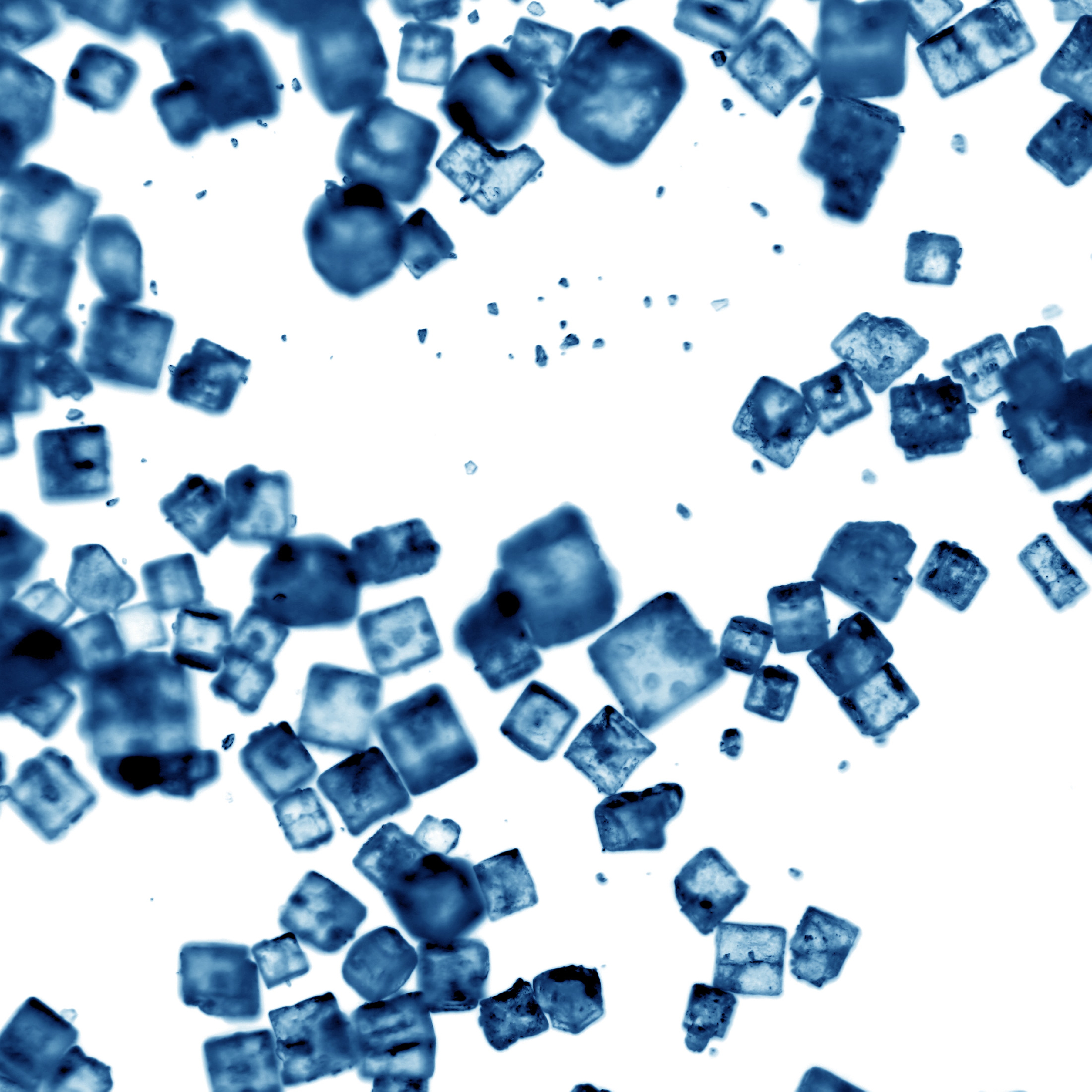
4 Truths About the Effects of Salt on Pavement

Asphalt Concrete Paving 317-549-1833

Asphalt Concrete Paving 317-549-1833

In Indiana, winters can get harsh. They can bring about a whirlwind of bad weather, heavy snow, and constant precipitation. We use several strategies to protect ourselves from the hazards that come along with the ice and snow, including winterized tires, snow chains, slip-resistant footwear, and of course, salt. Salting pavements eliminates frozen ice and snow, delivering a drier, safer surface for us to walk and drive upon. But have you ever thought about the effects of salt on asphalt and concrete? This may be something that is important to you if you are a property owner.

Protecting your pavements, whether they be in the form of parking lots, sidewalks, or driveways, is an important part of protecting your overall, end-dame investment. There are several false assumptions about the effects of salt on pavement, so it is important to get your facts from a reliable source. Continue reading to learn the top 4 truths about salt on pavement, and clear up any misconceptions you might have.

4 Facts About Salting Asphalt and Concrete:

Salt DOES Negatively Impact the Environment

Although salt is an effective method for protecting us against winter accidents, like slip and falls, car accidents, and pedestrian accidents, it is true that it can be harmful to the environment. Water run-off can transport salt directly into our waterways, which can impact plants and animals negatively; and it can also enter our water systems. There have actually been studies conducted that showed higher levels of salinity in local drinking water. But this doesn’t mean you have to stop using it! By shoveling snow first, and then using deicers sparingly, you can reduce the impact it might have the on the surrounding environment.

Salt DOES Damage Concrete Over Time

Deicers are important tools for providing surface safety in the winter, but if you are using large amounts over a long period of time, it will cause concrete to deteriorate. There are 3 reasons why salt is harmful to concrete pavement: First, salt is acidic, and acid can break down the bonds within concrete. This causes crumbling, cracks, and more. Second, concrete pavement freezes faster than other pavements, which often leads to using more deicer. And third, concrete bridges and overpasses are generally constructed with steel; and overtime, steel corrodes from salt.

Salt DOES NOT Negatively Impact Asphalt Pavements

So long as asphalt pavements are installed by a skilled and reputable paving company that uses proper methods and materials, there is no threat of deterioration as a result of salting. Asphalt is not affected by deicers because of the way it is engineered. Hot-mix asphalt is contains customized proportions of aggregates like stone, sand, and petroleum, which enables it to withstand the regional environment it was mixed for.

Salt is Not to Blame for Pot Holes

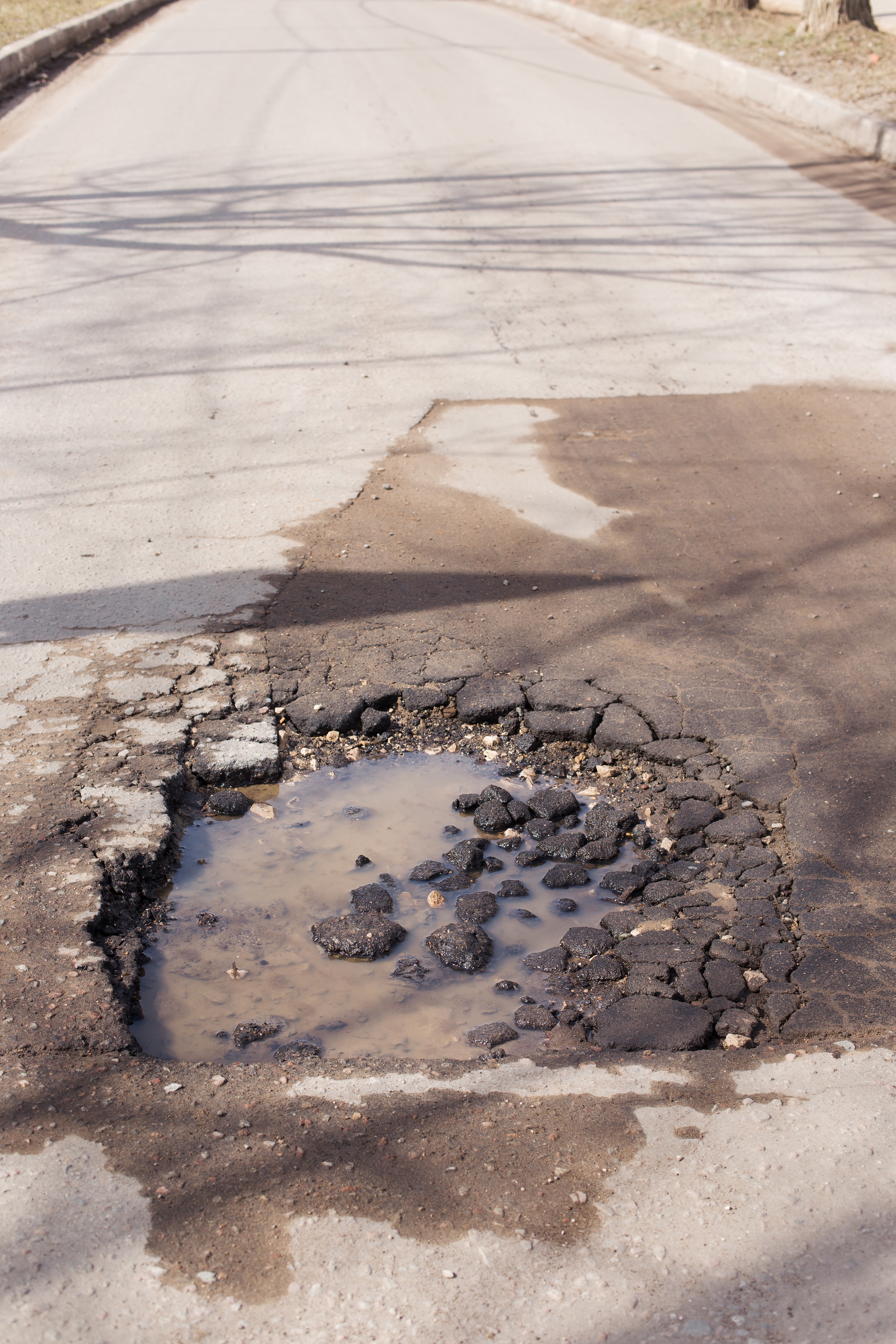
It is a common misconception that deicers cause pot holes; but this is simply untrue, especially for asphalt pavements. However, it asphalt is already in a state of advanced corrosion, salt can create additional damage. Pot holes occurs when water enters the ground beneath pavement. Freeze thaw cycles causes the pavement to expand and contract, which eventually weakens its overall structural integrity. Add in regular wear and tear, and you will eventually have yourself a pot hole.

Indianapolis Pavement Repair

Asphalt & Concrete Service 317-549-1833
Asphalt & Concrete Service 317-549-1833

If you require prompt and professional Indianapolis pavement repair, call ACI Asphalt and Concrete Inc. at 317-549-1833 today. Owner, Lindsey Lewis, and his team of licensed pavers, retain decades of experience providing a wide range of pavement installation and repair services for commercial, industrial, and municipal properties across Central Indiana. Request an estimate by calling 317-549-1833 and speaking with a friendly office attendant, today.

3 Cost-Effective Methods for Pot Hole Repair

Pothole Repair Indianapolis 317-549-1833

Pothole Repair Indianapolis 317-549-1833

It is common for asphalt to breakdown, weaken, crack, or crumble. These effects happen as a result of normal, everyday wear and tear from traffic and weather, as well as, improper sealcoating, paving, and more. Pot holes, also known as chuck holes, are one of the damaging effects that results from asphalt deterioration. They can range in size, depth, and shape, and fluctuate in expansion rates depending on a variety of factors. And pot holes will only continue to expand and worsen until they are repaired.

The umbrella method for pot hole repair is asphalt patching. This process can be accomplished using three different methods. The method used will depend on several variables. Continue reading to learn what these methods are, and who to talk to when you need asphalt pot hole repair for your property.

Types of Pothole Repair

Regardless of how you choose to have your property’s potholes repaired, it is important to do it as soon as possible. This is because pot holes tend to get worse, and they will continue to get bigger and wider as time goes on. The three main methods for pothole repair include hot asphalt mix, cold asphalt mix, and polyurethane asphalt mix. These are all cost-effective and efficient methods for repairing and patching pot holes in asphalt. Look below for a brief description of each process.

Cold Asphalt

Cold asphalt is mixed and poured at a lower temperature than other asphalt mixes, but its lifespan is not as long. After the pothole is cleaned, the cold asphalt mix is poured inside, compacted, and left to cure. It is easy to work with and low in cost.

Hot Asphalt

Hot asphalt is a common choice for larger-scale pothole repairs because it is less available in smaller quantities. It is mixed and poured at an average temperature of 350 degrees Fahrenheit. Compaction by must be completed before it cools, and should be carried out by a heavy pavement roller. Hot asphalt lasts longer than cold asphalt, yet still cost-effective for the average property owner’s budget.

Polyurethane Asphalt

Polyurethane asphalt is customary option for pot hole patching because they last a long time, which is cost-effective for property owners. So long as the asphalt mix can be properly dried, it can be used all year round, in any season. After the polyurethane is mixed and spread in the hole, it is compacted and covered with topping sand. This makes its ready for use in as little as one hour!

Indianapolis Pothole Repair

Asphalt Concrete Repair

Asphalt & Concrete Service 317-549-1833

Call ACI Asphalt and Concrete Inc. at 317-549-1833 when you need prompt and professional pothole repair in Indianapolis, Indiana. Owner, Lindsey Lewis, offers a wide range of paving services for commercial, industrial, and municipal properties, and all at the most competitive prices in town. Call 317-549-1833 to speak with a friendly company attendant about our Indianapolis pot hole repair services, today.