Parking Lot Pothole Law: Who Pays for Car Damage?

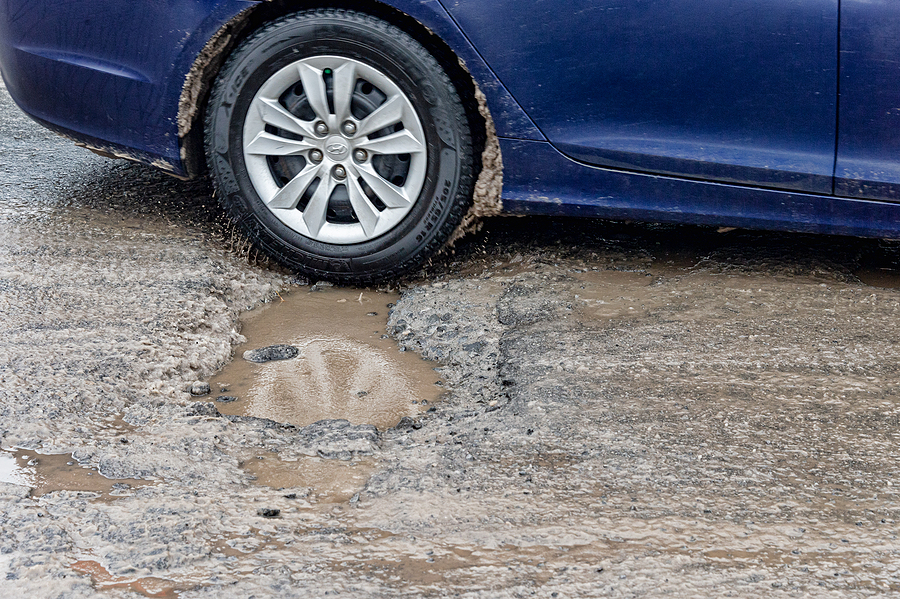
Potholes are more than just a nuisance for Indianapolis drivers; they are a genuine safety hazard. Hitting a deep crater in a parking lot can shatter an axle, pop a tire, or cause a severe trip-and-fall injury. When the dust settles and the shock wears off, the inevitable question arises: who is responsible for the damage?

Many residents assume that if an accident happens on private property, the owner automatically foots the bill. However, Indiana law requires specific criteria to be met before a property owner is considered negligent. It isn’t enough that a pothole existed; you must prove the owner failed in their duty to maintain a safe environment.

Understanding your rights is crucial, whether you are a business owner worried about liability or a visitor dealing with an injury. This guide breaks down how Indiana premises liability laws apply to parking lot defects and what you need to know to protect yourself.

TL;DR: Who is liable? Generally, the property owner or the commercial tenant in possession of the property is liable if they knew (or should have known) about the hazard and failed to fix it.

Key Takeaways:

  • Duty of Care: Business owners must exercise “reasonable care” to protect customers (invitees) from hazards.
  • Notice Matters: You must prove the owner had actual or constructive notice of the pothole.
  • Comparative Fault: If you are more than 50% at fault (e.g., the pothole was huge and obvious, and you ignored it), you cannot recover damages in Indiana.
  • Government Lots: Claims against the city or state have much shorter deadlines (180 days for political subdivisions).

Table of Contents:

  1. Understanding Premises Liability
  2. Duty of Care
  3. Notice Matters
  4. Comparative Fault
  5. Special Considerations for Government Property Claims
  6. Filing Deadlines and Legal Implications
  7. Next Steps and Seeking Legal Help
Call 317-549-1833 For Indianapolis Parking Lot Repair and Paving

Understanding Premises Liability in Indiana

The property owner owes a specific “duty of care” to visitors, which varies based on why the visitor is on the property.

In Indiana, liability often hinges on your legal status when you enter the land. The law categorizes visitors into three main groups: invitees, licensees, and trespassers.

  1. Invitees: If you are a customer at a grocery store, mall, or gas station, you are an “invitee.” Indiana courts rule that property owners owe the highest duty of care to this group. They must inspect their premises, discover dangers, and take reasonable steps to fix them or warn you about them.
  2. Licensees: These are social guests or people entering for their own convenience (like taking a shortcut). Owners generally only need to warn licensees of known, hidden dangers.
  3. Trespassers: If you are on the property without permission, the owner typically only owes a duty not to intentionally harm you.

For most parking lot pothole cases, the injured party is an invitee, meaning the owner has a significant legal obligation to keep the pavement reasonably safe.

Who is Responsible for Pothole Injuries?

Responsibility typically falls on the party who has control and possession of the parking lot, which is often the property owner but can be a commercial tenant.

Identifying the correct defendant can be tricky in commercial real estate. If a business owns the building and the lot, they are clearly the responsible party. However, in strip malls or leased commercial spaces, the lease agreement dictates responsibility.

  • Landlords: In many cases, the property owner (landlord) retains control over “common areas,” which includes parking lots, sidewalks, and entryways. They are usually responsible for structural repairs like filling potholes or repaving.
  • Tenants: Sometimes, a triple-net lease or specific contract places the burden of maintenance on the commercial tenant (the business renting the space).

If you are injured, it is often wise to notify both the business you visited and the property management company to ensure the right party is alerted.

Determining Negligence in Indianapolis Parking Lots

To prove negligence, you must demonstrate that the owner knew or should have known about the pothole and failed to repair it in a reasonable time frame.

A property owner is not a guarantor of your safety. Just because you fell or damaged your car doesn’t mean they are automatically negligent. Indiana law requires proof of “notice.”

  • Actual Notice: The owner was told about the pothole or saw it themselves.
  • Constructive Notice: The pothole existed for so long that a responsible owner would have discovered it during routine inspections.

For example, if a pothole forms overnight due to a freeze-thaw cycle and you hit it at 8:00 AM, the owner might not be liable because they haven’t had time to discover it. However, if a crater has been growing in the middle of a busy lane for three months, the owner likely had “constructive notice” and failed their duty to repair it.

When is the Victim Liable?

Under Indiana’s modified comparative fault system, you may be liable if the hazard was “open and obvious” or if you were distracted.

Indiana operates under a “51% bar” rule for comparative fault (Ind. Code § 34-51-2-6). This means that if a jury finds you are more than 50% responsible for your own injury, you recover nothing. If you are 50% or less at fault, your compensation is reduced by your percentage of fault.

Property owners often argue the “open and obvious” defense. They might claim that because the pothole was large, clearly visible, and not concealed by water or debris, a reasonable person would have walked or driven around it. If you were texting while walking or speeding through the lot, a court may assign a significant portion of the blame to you.

Report a Pothole in Indianapolis Right Now

What Property Owners Should Do About Parking Lot Potholes

As a property owner or manager, it is your responsibility to keep your premises safe for visitors and customers. This includes maintaining parking lots and ensuring that any hazards, such as potholes, are promptly repaired.

Prevention

Preventative maintenance is key when it comes to avoiding parking lot potholes. Regularly inspect the pavement for cracks and small holes and repair them before they become bigger issues. Additionally, monitor the drainage system in the parking lot to prevent water from pooling and causing damage.

Pothole Repair

If a pothole does appear, it should be promptly fixed. Not only does punctual pothole repair protect visitors and customers from potential accidents or injuries, but it also helps mitigate liability in case of a lawsuit.

In addition to potholes, it’s important to also address any other potential hazards in the parking lot. This can include uneven pavement, faded or missing striping and signage, and inadequate lighting. All of these issues can contribute to accidents or confusion for drivers.

Additional Hazards

To further improve safety and prevent damage to the parking lot, consider implementing measures such as speed bumps, speed limit signs, and designated pedestrian walkways. These additions can help regulate traffic flow and reduce the risk of collisions between vehicles and pedestrians.

Another important aspect of parking lot maintenance is keeping it clean and free of debris. Regular sweeping and trash removal can not only enhance the appearance of the lot but also prevent objects from causing damage to vehicles or creating hazards for pedestrians.

FAQ Section

What is the statute of limitations for a pothole claim in Indiana?

For personal injury or property damage, you generally have two years from the date of the accident to file a lawsuit (Ind. Code § 34-11-2-4). If you miss this deadline, your claim is likely barred forever.

Can I sue the City of Indianapolis for a pothole?

Yes, but the rules are stricter. Under the Indiana Tort Claims Act, you must file a specific “tort claim notice” with the city (or relevant political subdivision) within 180 days of the loss (Ind. Code § 34-13-3-8). If the road is state-owned (like an interstate), you have 270 days to notify the state.

Does a “Park at Your Own Risk” sign protect the owner?

Not necessarily. While these signs can serve as a warning, they do not absolve a property owner of their duty to exercise reasonable care. They cannot simply put up a sign and ignore dangerous craters in their pavement.

Quick Recap:

  • Invitees vs. Licensees: Customers (invitees) are owed the highest level of protection.
  • Proving Fault: You must show the owner knew (or should have known) about the defect.
  • Comparative Negligence: You cannot recover damages if you are more than 50% at fault.
  • Time Limits: 2 years for private property claims; 180 days for city/county claims.
  • Documentation: Photos and incident reports are vital evidence.

Conclusion

Navigating a liability claim for a parking lot pothole can be complex. The law balances the responsibility of the property owner to maintain safe premises with the responsibility of drivers and pedestrians to watch where they are going. If you own a commercial property, the best defense against these lawsuits is proactive maintenance.

Don’t wait for an accident to happen. If your parking lot is showing signs of wear, cracks, or potholes, protect your business and your visitors today. Contact us for professional parking lot repair and pothole patching in Indianapolis and Central Indiana.

Call to Book an Estimate

Related Post: Pothole Patching in Central Indiana: When to Schedule Your Seasonal Repairs
Managing Winter Pavement Risks: A Guide to Parking Lot Snow Removal

A fresh blanket of snow might look picturesque on a postcard, but for business owners and property managers, it represents a significant challenge. Unplowed lots and icy sidewalks aren’t just an inconvenience; they are potential liabilities that can disrupt operations and endanger visitors.

Managing a commercial parking lot during winter requires more than just reacting to the weather forecast. It demands a strategic approach to ensure safety, maintain accessibility, and protect your infrastructure from the harsh elements. Whether you manage a retail center, an office park, or a small business, understanding the nuances of snow and ice management is crucial for navigating the colder months successfully.

This guide explores the best practices for keeping your parking lot safe and functional, from proactive planning to eco-friendly de-icing techniques.

Call 317-549-1833 For Professional Parking Lot Damage Repair in Indianapolis

Why Proactive Snow Removal Matters

Waiting until the snow stops falling to formulate a plan is a recipe for disaster. A proactive approach to snow and ice management offers several critical advantages that go beyond simple aesthetics.

Liability Reduction

Slip-and-fall accidents are a primary concern for any business with a physical footprint. According to the Occupational Safety and Health Administration (OSHA), slips, trips, and falls constitute the majority of general industry accidents. By maintaining clear, dry pavement, you significantly lower the risk of injury to employees and customers, thereby reducing your exposure to costly liability claims.

Pavement Preservation

Winter is brutal on asphalt and concrete. The freeze-thaw cycle—where water seeps into cracks, freezes, expands, and then melts—can rapidly turn minor hairline fractures into massive potholes. Proper snow removal prevents standing water and reduces the frequency of these damaging cycles. Furthermore, using the correct de-icing methods prevents chemical damage to your concrete curbs and walkways.

Business Continuity

If customers cannot safely enter your lot, they will likely go elsewhere. A well-maintained parking area signals that you are open for business and care about the comfort and safety of your patrons. It ensures that deliveries can arrive on time and that employees can get to work without added stress.

Essential Tools and Equipment

Effective snow removal requires the right tools for the job. Depending on the size of your property, your arsenal might range from simple hand tools to heavy machinery.

  • Mechanical Removal Equipment: For large surface areas, plows and snow blowers are essential. They physically remove the bulk of the snow, which is the most effective first step.
  • Shovels and Pushers: Essential for clearing sidewalks, entryways, and tight corners where plows cannot reach.
  • Spreaders: Whether you use a truck-mounted spreader for the lot or a push-spreader for walkways, calibration is key. Drop spreaders are often preferred for sidewalks and walkways to keep de-icing material on the pavement and out of the landscaping.
  • Pavement Sensors: Infrared thermometers allow you to monitor ground temperature. Knowing the pavement temperature—which often differs from the air temperature—helps you decide if de-icing is actually necessary.

Request a Parking Lot Damage Repair Assessment Now

A Step-by-Step Guide to Effective Snow Removal

Managing snow and ice is a process, not a one-time event. Following a structured workflow ensures the best results with the least amount of waste.

1. Pre-Treatment (Anti-Icing)

The most effective way to manage ice is to prevent it from forming in the first place. Anti-icing involves applying a liquid brine (a saltwater solution) to the pavement before the storm begins. Think of this like greasing a frying pan before cooking an egg; the brine prevents the snow and ice from bonding to the pavement. This makes plowing significantly easier and can reduce the need for granular salt later by up to 75%.

2. Mechanical Removal

Once the snow accumulates, prioritize mechanical removal. Use plows and shovels to clear as much precipitation as possible before applying any de-icers. This prevents the snow from being compacted into hardpack ice by vehicle traffic. When piling snow, always push it to the lower end of the lot to ensure that melting run-off flows away from high-traffic areas and drains, rather than freezing across the lot overnight.

3. Monitoring and De-Icing

After plowing, assess the pavement temperature. If the surface temperature is above freezing, you may not need salt at all. If treatment is required, apply de-icers strategically. Remember that rock salt (sodium chloride) loses effectiveness significantly when pavement temperatures drop below 15°F. In extreme cold, you may need alternative products like calcium chloride or magnesium chloride, which work at lower temperatures.

Prioritizing Safety During Operations

Snow removal is physically demanding and potentially hazardous work. Whether you are doing it yourself or supervising a team, safety must be the top priority.

Preventing Slips and Falls

Workers should wear insulated, water-resistant boots with heavy treads. In extremely icy conditions, strap-on cleats can provide necessary traction. Walk slowly and take short steps to maintain balance.

Avoiding Overexertion

Shoveling heavy, wet snow can strain the heart and back. Encourage workers to push snow rather than lift it whenever possible. If lifting is necessary, they should keep their back straight, lift with their legs, and never twist their body while holding a heavy load.

Equipment Safety

Ensure all operators are trained on their machinery. When using snow blowers, never attempt to clear a jam with hands or feet—always turn the machine off and use a tool. For those operating vehicles, check that all lights and visibility systems are functioning to ensure they can be seen by pedestrians and other drivers.

Eco-Friendly Practices: The “Smart Salting” Approach

There is a common misconception that crunching salt under your boots means a surface is safe. In reality, over-salting does not increase safety; it only increases damage to your infrastructure and the local environment.

Excess salt corrodes vehicles, damages concrete, kills landscaping, and permanently pollutes local waterways. Implementing “Smart Salting” techniques helps mitigate these issues:

  • Calibrate Equipment: Ensure your spreaders are putting out the correct amount of material. You only need about 12 ounces of salt (roughly a coffee mug full) to treat a 20-foot driveway or equivalent sidewalk space.
  • Sweep Up Excess: If you see piles of salt left over after the pavement dries, sweep it up and reuse it. Leftover salt will simply wash into storm drains during the next rain.
  • Proper Storage: Always cover salt piles. Rain and wind can wash away up to 50% of uncovered salt, wasting money and contaminating the soil.

When to Hire a Professional

While DIY removal works for small storefronts, larger parking lots generally require professional intervention. You should consider hiring a commercial snow removal service if:

  • Liability is a concern: Certified professionals often carry specific insurance and keep detailed logs of their work, which can be crucial defense documents in the event of a slip-and-fall claim.
  • Equipment costs are too high: Purchasing and maintaining plows and salt spreaders is expensive.
  • Timing is critical: Professionals monitor weather 24/7 and have the resources to clear your lot before you even open for business.

When vetting contractors, look for those certified in best management practices, such as the “Green SnowPro” or similar industry certifications. These professionals are trained to use the right materials for the right conditions, saving you money on wasted salt and future repairs.

Conclusion

Effective parking lot management in winter is a balance of safety, efficiency, and environmental stewardship. By moving away from reactive habits and adopting proactive strategies like anti-icing and mechanical removal, you can keep your property safe while minimizing long-term damage.

However, even the best maintenance plans cannot prevent all wear and tear. Winter weather is notoriously hard on asphalt and concrete surfaces. If previous seasons have left your parking lot with cracks, potholes, or heaving pavement, it is vital to address these issues before the next freeze cycle makes them worse.

Is your parking lot showing signs of winter fatigue? Ensure your property makes the right first impression. Call Us Right Now for professional asphalt and concrete repair services in Central Indiana. Let us help you restore your lot’s safety and curb appeal.

Book an Assessment

Related Post: How Will Snow Affect My Pavements?

Fix Potholes Fast: A Guide to Parking Lot Repair

A well-maintained parking lot offers a welcoming first impression. However, when the surface is riddled with cracks and potholes, it can quickly become a significant problem. Those seemingly small craters are more than just an eyesore; they are genuine safety hazards that can lead to vehicle damage and serious liability issues for property owners.

This guide will explain why timely pothole repair is crucial for your property. We’ll explore the risks associated with parking lot potholes, compare DIY fixes with professional pothole repair, and offer practical tips for long-term pothole prevention. Understanding these elements is key to maintaining a safe, attractive, and cost-effective property.

Call 317-549-1833 For Parking Lot Pothole Patching in Indianapolis

Why Pothole Repair Is Essential

Parking lot potholes are not a problem you can afford to ignore. They pose direct risks to everyone who uses your property and can create significant financial and legal challenges for you as the owner.

Safety Hazards and Premises Liability

Potholes are a major cause of trip-and-fall accidents, which can lead to sprained ankles, broken bones, and other serious injuries. Drivers can also lose control of their vehicles when hitting a deep pothole, potentially causing collisions. As a property manager or business owner, you have a legal responsibility to maintain a safe environment for visitors and employees.

Failing to address these hazards can result in premises liability claims. In fact, neglecting parking lot maintenance and pothole repair can increase these claims by a alarming amount. The legal fees, medical bills, and settlement costs associated with a single lawsuit can far exceed the expense of professional commercial pavement repair.

Costly Vehicle Damage

Potholes are notorious for causing expensive damage to vehicles. Driving over a deep crater can lead to:

  • Tire punctures and blowouts
  • Bent rims and damaged hubcaps
  • Suspension and alignment issues
  • Damage to the vehicle’s exhaust system

When customers or tenants consistently face vehicle damage in your parking lot, they may choose to take their business elsewhere, impacting your reputation and bottom line.

The Broader Impact of Neglected Potholes

The consequences of ignoring potholes extend beyond immediate safety and financial risks. They can also damage your property’s reputation and deter potential customers.

Damaged Property Appearance

Your parking lot is the first thing visitors see when they arrive at your property. A surface covered in cracks and potholes sends a message of neglect and poor management. It can make an otherwise beautiful property look run-down and uninviting, diminishing its curb appeal and overall value. For business owners, this can create a negative first impression that is hard to overcome.

Negative Customer Perception

A poorly maintained parking lot can influence how customers perceive your business. It suggests a lack of attention to detail and a disregard for their safety and comfort. This can lead to a loss of trust and loyalty. Customers may choose competitors with safer, more welcoming facilities, directly impacting your revenue. For residential properties, a neglected parking lot can make it harder to attract and retain tenants.

View Our Parking Lot Pothole Repair Solutions

DIY vs. Professional Pothole Repair

When a pothole appears, it might be tempting to try a quick DIY fix. While this seems like a cost-effective solution, it often leads to more significant problems down the line.

The Limits of DIY Pothole Patching

Most DIY pothole patching involves using a cold patch asphalt mix from a local hardware store. While this method can provide a temporary fix, it has several drawbacks:

  • Improper Preparation: DIY repairs often skip crucial steps like cleaning the pothole, removing debris, and applying a bonding agent. Without proper preparation, the patch won’t adhere correctly.
  • Low-Quality Materials: Store-bought cold patch materials are generally less durable than the hot mix asphalt used by professionals.
  • Short-Term Solution: Due to poor adhesion and weaker materials, DIY patches often fail quickly, especially in areas with heavy traffic or harsh weather like Indiana’s freeze-thaw cycles. The pothole will likely reappear, requiring repeated repairs and costing more in the long run.

The Advantages of Professional Repair

Hiring a professional commercial pavement repair company for your parking lot repair ensures a durable, long-lasting solution. Professionals bring expertise, specialized equipment, and high-quality materials to the job. The benefits include:

  • Expert Assessment: Professionals can identify the underlying cause of the pothole, such as water infiltration or a weak sub-base, and recommend the correct repair strategy.
  • Thorough Preparation: The repair process includes cleaning, squaring the edges of the pothole, and applying a tack coat to ensure the new asphalt bonds securely.
  • High-Quality Materials: Professionals use materials like Hot Mix Asphalt or Polymer-Modified Asphalt, which provide superior durability and flexibility. They can also recommend specialized materials like concrete patches or eco-friendly options.
  • Proper Compaction: Using professional-grade equipment, the patch is compacted to the correct density, preventing water from seeping in and causing future damage.

A professional pothole repair may have a higher upfront cost, but it provides a permanent solution that saves you time, money, and hassle in the long run.

The Professional Pothole Repair Process

A professional approach to pothole repair is a systematic process designed for durability. Here are the typical steps involved:

  1. Assessment: A paving expert inspects the pothole and the surrounding pavement to determine the extent of the damage and its root cause.
  2. Preparation: The area is cleaned of all water and debris. The edges of the pothole are squared off with a saw to create a solid boundary for the new patch.
  3. Application: A tack coat (adhesive) is applied to the bottom and sides of the hole to ensure the new asphalt binds with the existing pavement.
  4. Filling: Hot Mix Asphalt or another appropriate material is poured into the prepared hole. The material is layered slightly higher than the surrounding surface to account for compaction.
  5. Compaction: A vibratory plate compactor or roller is used to compress the asphalt, creating a dense, seamless patch that is level with the rest of the parking lot.

Long-Term Pothole Prevention Strategies

Repairing existing potholes is only part of the solution. Proactive maintenance is key to preventing new ones from forming.

  • Regular Inspections: Walk your parking lot regularly, especially after heavy rain or snow, to look for small cracks or signs of wear.
  • Crack Sealing: Fill small cracks as soon as they appear. This prevents water from seeping into the pavement’s sub-base, which is the primary cause of potholes, especially during Indiana’s freeze-thaw cycles.
  • Sealcoating: Apply a sealcoat every 2-3 years. This protective layer shields the asphalt from water, sunlight, and chemicals, extending its lifespan.
  • Ensure Proper Drainage: Check that your parking lot’s drainage system is working correctly. Standing water is a major contributor to pavement deterioration.

Conclusion

A well-maintained parking lot is a vital asset for any commercial property. Timely and professional pothole repair is not just about aesthetics; it’s a critical investment in safety, liability protection, and your property’s long-term value. By addressing parking lot potholes promptly and implementing a preventative maintenance plan, you can create a safer environment for everyone and avoid costly repairs and legal issues.

Don’t wait for a small problem to become a major liability. Protect your investment and ensure the safety of your visitors. Our expert winter cold patching services can address your current parking lot repair needs while preventing future problems.

Request a Pothole Repair Quote

Related Post: Your Complete Guide to Commercial Pothole Patching

Optimizing Stormwater Management for Commercial Pavements: Reduce Costs and Prolong Lifespan

Managing stormwater on commercial properties isn’t just about compliance—it’s about protecting your investment. For property managers and owners overseeing parking lots and commercial pavements, stormwater drainage can quickly become a financial burden if not handled correctly. Poorly maintained systems lead to flooding, structural damage, and costly emergency repairs. Even worse, compliance failures can result in hefty fines and decreased property values.

The good news? With the right strategies, you can lower stormwater management expenses while extending the lifespan of your systems. By prioritizing proactive maintenance, leveraging innovative solutions, and staying ahead of regulatory requirements, you can turn stormwater management from a recurring headache into a strategic advantage.

Call 317-549-1833 For Commercial Pavement Sewer Drain Repair and Maintenance in Indianapolis

Understanding Commercial Pavement Stormwater Systems

Before diving into cost-saving strategies, it’s important to understand what you’re working with. Stormwater systems for parking lots and commercial pavements typically include a network of components designed to capture, convey, and manage runoff.

Key Components

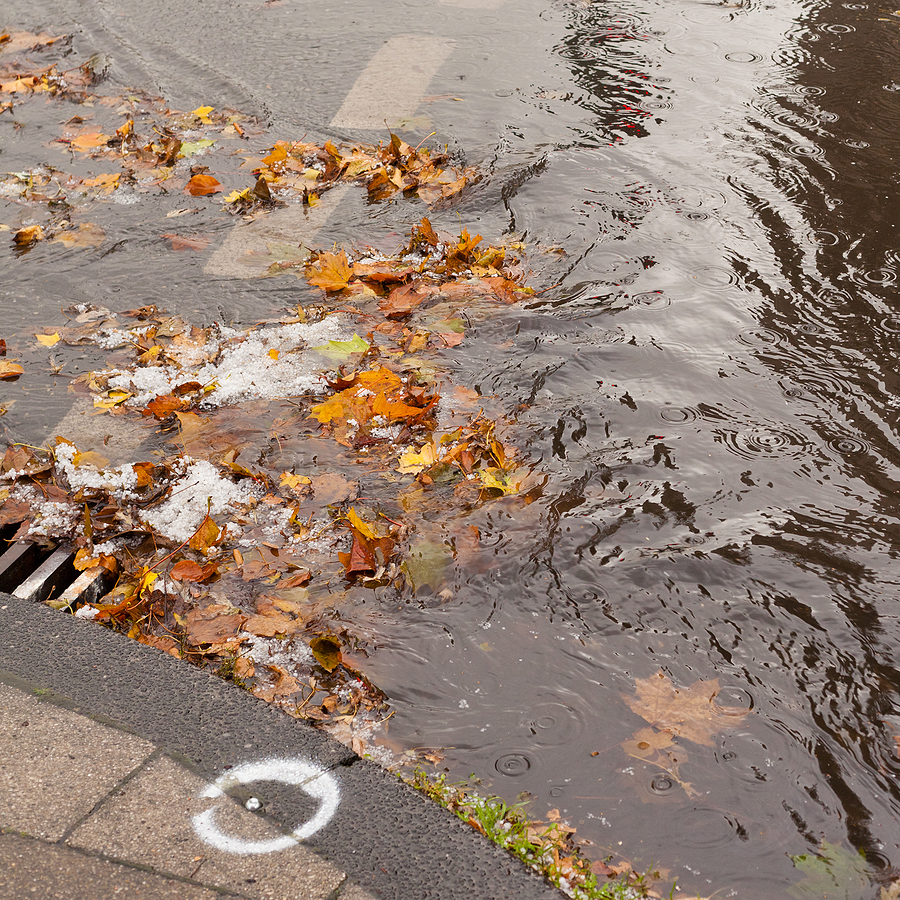
  • Catch Basins and Drains: These collect water from paved surfaces and direct it into underground pipes. Over time, debris and sediment can clog these entry points, reducing their effectiveness.
  • Culverts: These pipes transport water beneath roadways or other structures. Damage or blockages in culverts can lead to flooding and pavement deterioration.
  • Manholes & Sewer Drains: Access points for inspection and maintenance, these structures are critical for keeping water flowing smoothly through the system.
  • Detention & Retention Ponds: These temporary storage areas slow down runoff and allow sediment to settle before water enters natural waterways.

Common Challenges

Stormwater systems face constant pressure from weather, heavy traffic, and environmental debris. Common issues include:

  • Clogged drains and catch basins from leaves, trash, and sediment
  • Cracked or collapsed culverts due to age or ground movement
  • Erosion around drainage structures
  • Regulatory compliance gaps that trigger fines

Addressing these challenges early prevents minor problems from escalating into major expenses.

Cost-Saving Strategies for Stormwater Management

Reducing stormwater management costs doesn’t mean cutting corners. It means working smarter with preventive care and strategic investments.

Schedule Regular Inspections

Annual inspections by certified stormwater professionals are one of the most cost-effective investments you can make. These experts identify potential issues—such as cracks in manholes, sediment buildup, or failing culverts—before they become emergencies. Early detection saves you from expensive repairs and minimizes downtime.

Implement Routine Cleaning Programs

Parking lot sewer drains, catch basins, and culverts need regular cleaning to function properly. Establish a schedule for debris removal, especially before and after storm seasons. A clogged drain can cause water to pool on your pavement, leading to structural damage and safety hazards. Routine cleaning is a small expense compared to repaving a flooded parking lot.

Invest in Permeable Pavement

Permeable pavement allows water to pass through the surface and into the ground below, reducing stormwater runoff and the strain on drainage systems. While the upfront cost is higher than traditional asphalt, permeable solutions can lower long-term maintenance expenses and improve your property’s environmental footprint. They also help you meet local stormwater regulations more easily.

Address Culvert Repair Promptly

Culverts are often out of sight, but they shouldn’t be out of mind. Regular assessments can catch issues like cracks, blockages, or corrosion early. Culvert repair is far less expensive than replacement, and timely intervention prevents water from undermining your pavement or causing sinkholes.

Document Everything

Maintain detailed records of all inspections, maintenance activities, and repairs. This documentation serves two purposes: it helps you track system performance over time and provides proof of compliance with local regulations. If an issue arises, having a clear maintenance history can protect you from fines and liability.

View Our Commercial Sewer Drain Solutions!

Extending the Lifespan of Your Stormwater Systems

Proper maintenance doesn’t just save money—it extends the life of your infrastructure. Here’s how to maximize the longevity of your stormwater systems.

Proactive Repairs Over Reactive Fixes

Waiting until something breaks is a costly mistake. Small cracks in manholes, minor erosion around drains, or slight blockages in sewer drains should be addressed immediately. Proactive repairs prevent cascading failures that require extensive and expensive interventions.

Protect Against Erosion

Erosion around drainage structures weakens the surrounding pavement and soil, leading to structural instability. Reinforce vulnerable areas with erosion control measures like riprap, geotextiles, or vegetation. These solutions are relatively inexpensive and can prevent catastrophic damage.

Upgrade Aging Infrastructure

If your stormwater system is decades old, consider phased upgrades. Replacing outdated components with modern, durable materials can reduce maintenance frequency and improve performance. For example, upgrading to corrosion-resistant pipes or high-capacity catch basins can extend system life by years.

Monitor System Performance

Use technology to your advantage. Flow sensors, remote monitoring systems, and regular performance assessments can alert you to inefficiencies or blockages in real time. Early warnings allow you to act before minor issues become major problems.

The Financial and Environmental Benefits

Investing in effective stormwater management isn’t just about avoiding fines—it’s about protecting your bottom line and the environment.

Long-Term Cost Savings

Proper stormwater management reduces the need for emergency repairs, extends the lifespan of your pavement, and minimizes the risk of property damage. Improperly maintained stormwater systems can reduce property values by up to 15% (EPA, 2023). By contrast, well-maintained systems enhance curb appeal and tenant satisfaction.

Regulatory Compliance

Local stormwater regulations are becoming increasingly stringent. Compliance failures can result in fines ranging from $10,000 to $50,000 per violation, depending on your jurisdiction. Staying ahead of regulatory requirements protects you from legal and financial consequences.

Environmental Responsibility

Effective stormwater management reduces pollution, prevents erosion, and protects local water resources. By managing water runoff responsibly, you contribute to healthier ecosystems and demonstrate corporate social responsibility—a value that resonates with tenants, customers, and the community.

Contact Us for Parking Lot Paving & Maintenance!

Frequently Asked Questions

How often should stormwater systems be inspected?

Annual inspections are recommended for most commercial properties. However, properties with heavy traffic or older systems may benefit from semi-annual inspections.

What are the signs of a failing stormwater system?

Common warning signs include standing water on pavement, visible cracks in manholes or drains, unpleasant odors, and erosion around drainage structures.

What are the costs associated with repairing versus replacing a stormwater system?

Repairs typically cost a fraction of replacement. For example, culvert repair might run a few thousand dollars, while full replacement can exceed $50,000. Early intervention is key to avoiding replacement.

How can permeable pavements reduce stormwater management costs?

Permeable pavements reduce runoff volume, lowering the burden on drainage systems and decreasing the need for extensive infrastructure. They also help meet regulatory requirements more easily.

What are the common regulatory requirements for stormwater management?

Requirements vary by location but often include regular inspections, sediment control, erosion prevention, and pollution prevention plans. Check with your local environmental agency for specific guidelines.

What are the benefits of hiring a certified stormwater professional?

Certified professionals have the expertise to identify issues early, recommend cost-effective solutions, and ensure compliance with regulations. Their insights can save you significant time and money.

How can I ensure my stormwater management system complies with environmental standards?

Regular inspections, proper documentation, and adherence to local regulations are essential. Working with certified professionals and investing in sustainable solutions also help.

What innovative technologies can reduce stormwater runoff?

Technologies like permeable pavement, green infrastructure (rain gardens, bioswales), and smart monitoring systems can significantly reduce runoff and improve system efficiency.

What proactive measures can extend the lifespan of my stormwater system?

Regular inspections, routine cleaning, timely repairs, erosion control, and infrastructure upgrades all contribute to a longer-lasting system.

How can I prevent clogs in drains, catch basins, and culverts?

Establish a routine cleaning schedule, install debris screens, and conduct inspections after major storms to catch blockages early.

Protecting Your Property and Your Investment

Stormwater management doesn’t have to drain your budget. By adopting proactive maintenance practices, leveraging cost-effective technologies, and staying compliant with regulations, you can reduce expenses and extend the lifespan of your systems. The key is to act early, invest wisely, and document everything.

Your parking lot and commercial pavement are critical assets. Protecting them with smart stormwater management safeguards your property value, enhances tenant satisfaction, and demonstrates your commitment to environmental responsibility. Start today by scheduling an inspection, implementing a cleaning program, and exploring innovative solutions like permeable pavement.

The sooner you take action, the more you’ll save—and the longer your systems will last. Contact our team of road construction experts today to discuss your commercial paving and parking lot maintenance needs. You’ll discover tailored solutions that ensure long-term durability and cost-effectiveness.

Call Now to Speak With a Manager

Related Post: How to Decrease Stormwater Runoff on Commercial Pavements

Preventing Tripping Hazards: Your Guide to Parking Lot & Sidewalk Repair

A well-maintained parking lot and sidewalk do more than just improve your property’s appearance; they create a safe environment for everyone who visits. For property managers and owners, overlooking small cracks or uneven surfaces can lead to significant problems, including costly pedestrian accidents and legal issues. Understanding how to identify, repair, and prevent these hazards is essential for protecting your visitors and your business.

This guide will walk you through common trip-and-fall hazards found on commercial pavements, explain the importance of timely repairs, and provide practical solutions for maintaining safe surfaces. By taking proactive steps, you can ensure your property remains welcoming and secure for employees, customers, and tenants.

Call 317-549-1833 For Indianapolis Parking Lot and Sidewalk Repair

Common Trip-and-Fall Hazards on Commercial Pavements

The first step toward pedestrian safety is knowing what to look for. Even minor defects can pose a serious risk. Regular inspections of your parking lots and sidewalks will help you spot these common issues before they cause an incident.

Cracks

Cracks in asphalt and concrete are one of the most frequent problems. They can start small but quickly worsen due to weather, traffic, and time. Large or deep cracks can easily catch a shoe, leading to a fall. They also allow water to seep into the pavement’s foundation, causing more extensive damage over time.

Potholes

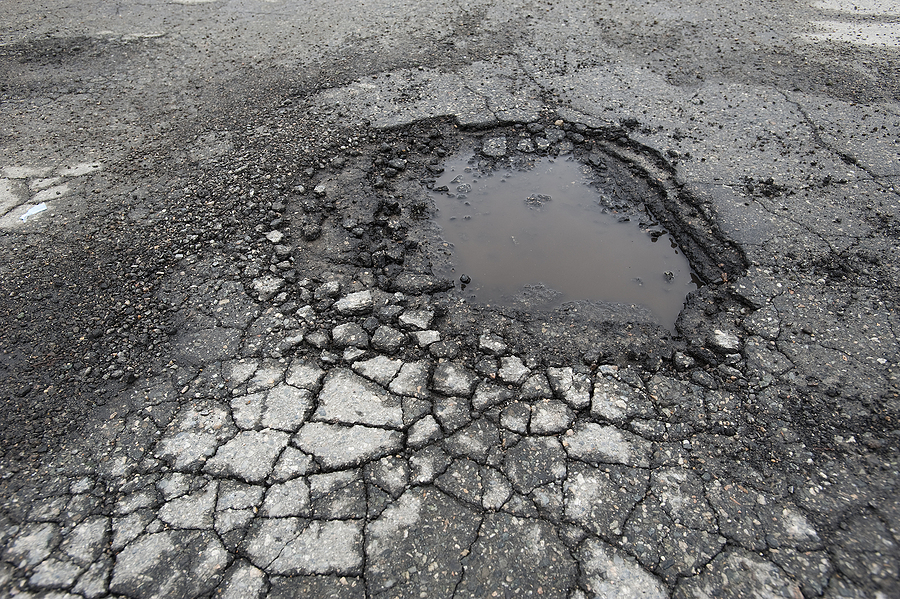
Potholes are bowl-shaped depressions that form when the surface of the pavement breaks down. They are a significant trip hazard, especially when filled with water or hidden by shadows. Potholes not only endanger pedestrians but can also cause damage to vehicles.

Crumbling or Deteriorated Curbs

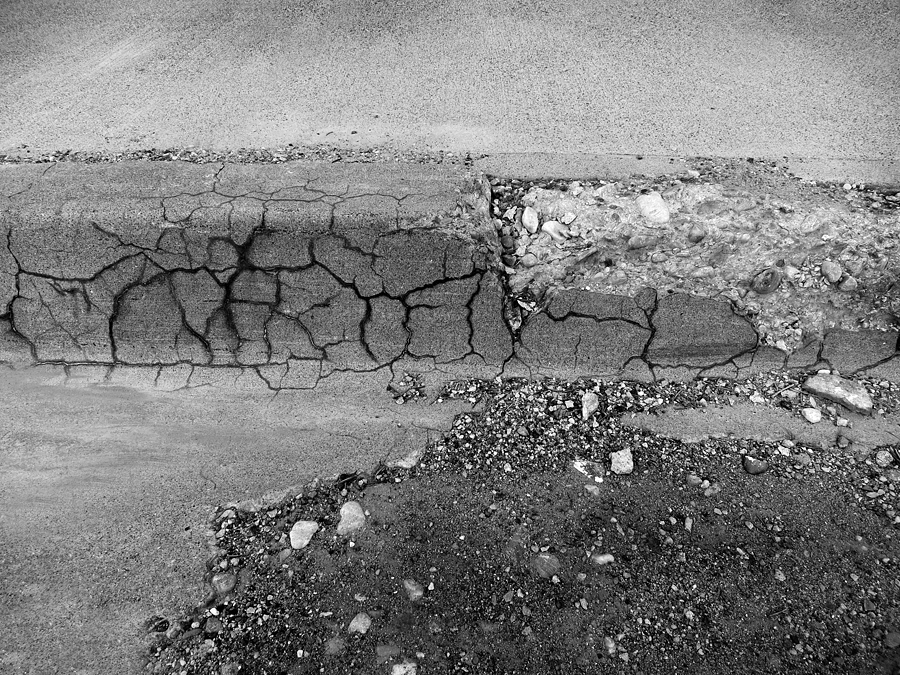
Curbs are the raised edges of a sidewalk or road that separate it from the street. They provide physical barriers to prevent pedestrians from stepping into traffic. When curbs start to crumble or deteriorate, they become less effective in protecting pedestrians and can lead to trips and falls.

Uneven Surfaces

Shifting ground, tree roots, or improper installation can cause sections of concrete or asphalt to become uneven. A height difference of as little as a quarter of an inch can be enough to cause someone to trip and fall. These heaved or sunken slabs are particularly dangerous and are a major focus of premises liability cases.

Inadequate Lighting

Poor lighting in parking lots and along sidewalks can make even small hazards difficult to see, especially at night or during bad weather. Dark areas can hide cracks, potholes, and changes in elevation, increasing the risk of pedestrian accidents. Proper illumination is a critical component of pedestrian safety.

Why Timely Sidewalk and Parking Lot Repair Matters

Neglecting pavement maintenance is not just an aesthetic issue; it has serious legal and financial consequences. As a property owner in Indiana, you have a legal duty to maintain a reasonably safe environment for visitors. This concept, known as premises liability, holds you responsible for injuries that occur on your property due to unsafe conditions.

Ignoring a known hazard can be considered negligence, opening your business up to lawsuits. The financial impact of a single trip-and-fall accident can be substantial. Furthermore, businesses that implement regular maintenance and safety inspections can reduce their liability by up to 80% (source: OSHA). Proactive parking lot maintenance isn’t just about safety—it’s a smart financial decision that protects your assets.

Schedule a Pavement Repair Assessment Today!

Practical Repair Solutions

Addressing hazards promptly is key. Fortunately, many effective solutions are available for common pavement problems.

For Cracks

Minor cracks can be sealed to prevent them from growing. A high-quality concrete crack filler can be applied to clean, dry cracks. This prevents water from penetrating the surface and causing further erosion. For larger or more extensive cracking, professional commercial paving assessment may be needed to determine the underlying cause.

For Potholes

For a quick and effective fix, a cold asphalt patch is an excellent option. This material can be applied directly into a clean pothole and compacted to create a durable, level surface. For larger areas or longer-lasting repairs, using ready mix concrete (RMC) or hot mix asphalt may be a better choice.

For Uneven Surfaces

Self-leveling concrete is a fantastic solution for uneven concrete slabs. It spreads out to fill low spots and creates a smooth, flat surface. For more severe heaving, grinding down the higher slab or lifting the sunken slab (a process known as slab-jacking) might be necessary.

For Enhancing Safety

Once structural repairs are complete, consider adding finishing touches to boost safety.

  • Anti-slip coatings can be applied to walkways to improve traction, especially in areas prone to getting wet.
  • Using fresh, reflective paint for parking lines, crosswalks, and directional arrows improves visibility and organization, guiding both drivers and pedestrians safely.

A Proactive Approach to Pedestrian Accident Prevention

The best way to manage hazards is to prevent them from developing in the first place. A consistent maintenance plan is your best defense against accidents and costly emergency repairs.

  • Regular Inspections: Walk your property at least quarterly and after severe weather events. Look for new cracks, water pooling, or any signs of wear and tear.
  • Keep Detailed Records: Document your inspections, any repairs made, and the dates they were completed. This documentation can be crucial in demonstrating due diligence if an accident occurs.
  • Address Issues Immediately: Don’t wait for a small crack to become a large pothole. Small, quick repairs are much more cost-effective than large-scale reconstruction.
  • Manage Water Drainage: Ensure your drainage systems are clear and functioning correctly. Poor drainage is a leading cause of pavement deterioration.

Frequently Asked Questions

How often should I inspect my parking lot and sidewalks?

It’s recommended to conduct thorough inspections at least quarterly. You should also perform checks after significant weather events like heavy rain, snowstorms, or freeze-thaw cycles.

What are the first steps when I identify a hazard?

First, block off the hazardous area with cones or caution tape to prevent accidents. Then, document the hazard with photos and notes. Finally, contact a professional paving contractor to assess the damage and recommend a repair plan.

Can I do these repairs myself, or should I hire a professional?

Small repairs like filling minor cracks can often be a DIY task. However, for potholes, uneven surfaces, or extensive damage, hiring a professional is recommended. They have the right equipment and expertise to ensure a durable, safe, and compliant repair.

How can I ensure my repairs meet ADA compliance standards?

The best way to ensure ADA compliance is to work with an experienced contractor familiar with its requirements. They will ensure that accessible routes, ramps, and curb cuts meet specific slope, width, and surface standards.

What are the long-term benefits of regular maintenance?

Regular maintenance extends the life of your pavement, prevents costly liability claims, enhances your property’s curb appeal, and provides a safer environment for everyone. Proactive care is always more cost-effective than reactive repairs.

Final Thoughts

Maintaining safe parking lots and sidewalks is a fundamental responsibility for any property owner. By understanding common hazards, acting quickly on repairs, and following a preventive maintenance schedule, you protect pedestrians from injury and your business from financial risk. A safe property is a successful property.

If you’ve identified hazards on your commercial property, don’t wait for an accident to happen. Take the first step toward a safer environment. Contact us today to schedule a consultation and learn more about our professional parking lot and sidewalk repair services.

Click Here to Call Now

Related Post: Pothole Repair Guide for Parking Lots

Adding Handicap Parking Spaces to Your Commercial Lot in Indiana

Running a commercial property means juggling numerous responsibilities, but few are as crucial as ensuring your parking lot serves all customers equally. Handicap parking spaces aren’t just a legal requirement—they’re a gateway to inclusivity that can significantly impact your business’s success and reputation.

For property owners and managers across Indiana, understanding the specific requirements for accessible parking can feel overwhelming. Between federal ADA guidelines, state regulations, and local ordinances, the compliance landscape requires careful navigation. However, getting it right protects your business from costly penalties while demonstrating your commitment to serving the entire community.

This comprehensive guide will walk you through Indiana’s specific requirements for handicap parking spaces, helping you create a parking lot that meets all compliance standards while fostering an inclusive environment for every visitor.

Call 317-549-1833 For Handicap Parking Space Painting and Paving in Indianapolis

Understanding Indiana’s Handicap Parking Regulations

Indiana Code 5-16-9

Indiana takes accessible parking seriously, with specific state laws that work alongside federal requirements to ensure comprehensive coverage. The foundation of these regulations lies in Indiana Code 5-16-9, which establishes clear requirements for the number, location, and size of accessible parking spaces in commercial lots.

Under Indiana law, commercial properties must provide accessible parking spaces based on the total number of parking spots available. For lots with 1 to 25 spaces, one accessible space is required. This requirement increases proportionally—lots with 26 to 50 spaces need two accessible spaces, while facilities with 51 to 75 spaces must provide three accessible parking spots.

Indiana Administrative Code 410 IAC 6-2

The Indiana Administrative Code 410 IAC 6-2 goes deeper into design specifications, outlining precise measurements for accessible parking spaces and access aisles. These standards ensure that individuals using wheelchairs, mobility devices, or other assistive equipment have adequate space to safely enter and exit their vehicles.

Indiana Department of Homeland Security

Additionally, the Indiana Department of Homeland Security actively enforces accessibility standards in public accommodations, conducting inspections and investigating complaints. Local jurisdictions may impose additional requirements, making it essential to check with your city or county for any supplementary regulations that might apply to your specific location.

Meeting Federal ADA Compliance Standards

National Standards for Accessible Parking Spaces 

While Indiana state laws provide the framework, federal ADA compliance parking requirements establish the minimum national standards that all commercial properties must meet. The Americans with Disabilities Act requires that accessible parking spaces be located on the shortest accessible route to the building entrance, with surfaces that are stable, firm, and slip-resistant.

Dimensions for Accessible and Van-Accessible Parking Spaces 

Standard accessible parking spaces must be at least 16 feet wide, including an 8-foot parking area and an 8-foot access aisle. Van-accessible spaces require even more room—20 feet total width with an 8-foot access aisle. For every six accessible spaces, at least one must be van-accessible, ensuring that larger mobility vehicles can be accommodated.

Slope Requirements for Parking Lot Compliance 

The slope requirements are equally important for parking lot compliance. Accessible parking spaces and access aisles must have a maximum slope of 1:50 (2%) in all directions. This specification prevents mobility devices from rolling unexpectedly and ensures safe navigation for individuals with disabilities.

Accessible Routes and Pathway Standards 

Access aisles must connect to accessible routes leading to the building entrance, and these pathways cannot have steps or abrupt level changes exceeding ½ inch. When changes in level are necessary, they must be beveled with a slope no greater than 1:2.

Request ADA Parking Lot Paving in Indiana

Proper Signage and Pavement Markings

International Symbols of Accessibility

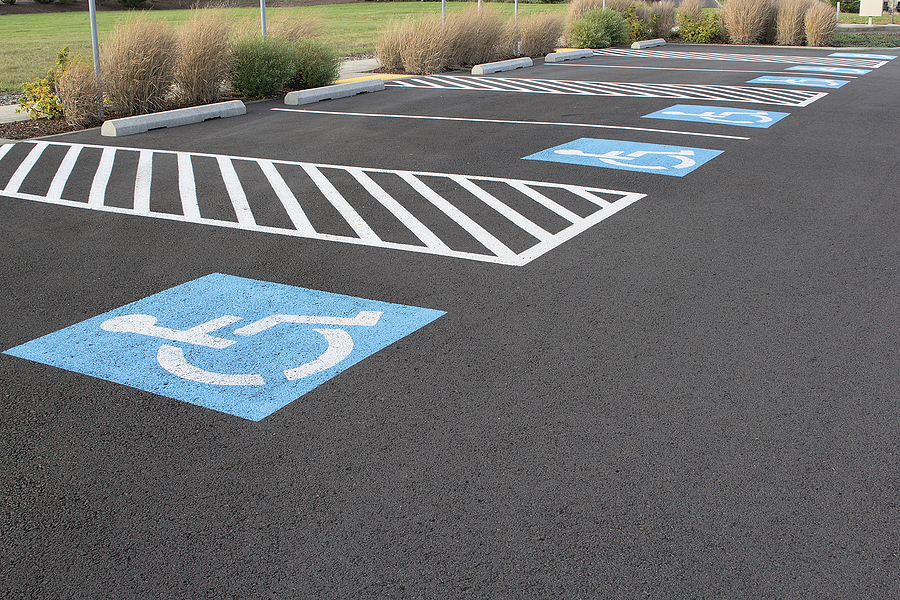
Effective parking lot painting and signage serve as the visible indicators of your commitment to accessibility. Each accessible parking space must be marked with the International Symbol of Accessibility, displayed prominently both on vertical signs and painted on the pavement surface.

Vertical Signs

Vertical signs must be mounted at least 60 inches above the ground and positioned so they cannot be obscured by parked vehicles. The signs should include the International Symbol of Accessibility and, where applicable, additional text indicating “Van Accessible” for designated van spaces.

Pavement Markings

Pavement markings require equal attention to detail. The International Symbol of Accessibility should be painted in each accessible parking space, preferably in blue paint on white background or white paint on blue background for maximum visibility. These markings must be maintained regularly to ensure they remain clearly visible under all weather conditions.

Van Accessible Spaces

For van-accessible spaces, additional “Van Accessible” signage is mandatory, both on vertical signs and painted on the pavement. Access aisles should be marked with diagonal stripes and include “No Parking” text to prevent unauthorized use of these critical areas.

Enforcement and Penalties for Non-Compliance

Indiana takes handicap parking violations seriously, with penalties that can significantly impact your business’s bottom line and reputation. Non-compliance can result in substantial fines that vary depending on the specific violation and local jurisdiction, making prevention far more cost-effective than correction after the fact.

Beyond immediate fines, property owners face the risk of lawsuits from individuals with disabilities who encounter barriers when trying to access their businesses. These legal challenges can result in significant financial settlements and mandatory facility modifications, often costing far more than proactive compliance measures.

Courts may issue injunctive relief orders, requiring immediate modifications to achieve compliance regardless of cost or inconvenience. More severe consequences include the potential loss of occupancy permits or business licenses for repeated violations, effectively shutting down operations until compliance is achieved.

The financial impact extends beyond direct penalties. Legal fees for defending against compliance claims can be substantial, and the reputational damage from accessibility violations can hurt customer relationships and business growth. State or local authorities may also issue corrective action orders requiring immediate remediation, often with tight deadlines that increase implementation costs.

Best Practices for Maintaining Compliant Parking Spaces

Schedule Regular Inspections 

Successful parking lot compliance requires ongoing attention and systematic maintenance. Regular inspections should be scheduled to ensure signage remains visible and properly positioned, while pavement markings stay clear and well-defined. Weather, vehicle traffic, and time can all impact the visibility of these crucial indicators.

Repair Damage Promptly 

Prompt repair of any damage to parking surfaces, signs, or access aisles prevents small issues from becoming major compliance problems. Cracks, fading paint, or damaged signs should be addressed immediately to maintain accessibility standards and avoid potential violations.

Ensure Adequate Lighting 

Adequate lighting plays a crucial role in accessible parking safety. Ensure that handicap parking spaces are well-lit during all hours of operation, providing clear visibility for individuals with varying mobility needs. This lighting should illuminate both the parking spaces and the accessible routes to building entrances.

Enforce Handicap Space Usage 

Implementing an enforcement system prevents unauthorized use of handicap spaces, ensuring they remain available for individuals who need them. This might include employee training on proper procedures for addressing violations or partnering with local authorities for regular monitoring.

Train Staff on Accessibility Requirements 

Staff training on accessibility requirements creates a culture of inclusion and helps ensure compliance across all aspects of your operation. Employees should understand not only the legal requirements but also proper procedures for assisting individuals with disabilities when needed.

Conclusion

Achieving handicap parking compliance represents more than meeting legal requirements—it demonstrates your commitment to serving all members of your community. When you invest in proper accessible parking spaces, you’re opening your business to customers who might otherwise be unable to visit, potentially expanding your customer base while doing the right thing.

The process doesn’t have to be overwhelming. Start by conducting a thorough assessment of your current parking lot against Indiana’s requirements and ADA standards. Partner with qualified contractors experienced in ADA compliance parking to ensure your modifications meet all necessary specifications.

Remember that accessibility standards evolve, so staying informed about changes to regulations helps you maintain compliance over time. Regular consultation with accessibility experts can help you anticipate and prepare for any updates to requirements.

Ready to ensure your commercial parking lot meets all Indiana requirements for handicap parking spaces? Contact ACI Asphalt and Concrete to request a parking lot consultation in Indianapolis. We will evaluate your current compliance status and develop a plan for creating an accessible, welcoming environment for all your customers.

Click Here to Call Now

Related Post: When to Re-Stripe Your Parking Lot

When to Re-Stripe Your Parking Lot 

Maintaining a well-marked and organized parking lot is more than just a detail; it’s a vital component of property management that affects safety, aesthetics, and compliance with local and federal regulations. Whether you manage a retail store, office building, or apartment complex, ensuring that your parking lot is clearly marked is crucial for a positive impression and safe experience. 

But how do you know when it’s time to re-stripe your parking lot? This blog will guide you through the signs, benefits, and cost considerations of re-striping while answering common questions to help you make an informed decision. 

Call 317-549-1833 For Parking Lot Line Striping Services in Indianapolis Indiana

Signs Your Parking Lot Needs Re-Striping 

Fading or worn-out parking lot lines not only detract from your property’s appearance but can also lead to safety hazards and non-compliance with regulations. Here are key signs it’s time for a fresh coat of paint on your parking lot lines:

  • Faded or Dull Lines: If your parking lines, arrows, or other markings are no longer visible from a distance, it’s time to consider re-striping. Clear markings help drivers easily identify parking spots and traffic flow.
  • Peeling Paint: Flaky or peeling paint is not only unsightly but also a sign that your parking lot maintenance needs attention.
  • Confusing Layout: Over time, lines may completely fade, leading to drivers parking at improper angles or creating their own patterns, disrupting the traffic flow.
  • New Regulations: Local codes and ADA guidelines can change. If your parking lot has not been updated recently, it’s worth reassessing compliance requirements.

When Is the Right Time to Re-Stripe? 

How often you should re-stripe your parking lot depends on various factors, including traffic volume, weather conditions, and paint quality. Here are general recommendations to guide you:

  • Annually for High-Traffic Lots: Parking lots with significant traffic or heavy vehicles should typically be re-striped once a year.
  • Every Two Years for Moderate Use: Lots with moderate daily usage might only need re-striping once every two years.
  • After Sealcoating: Any sealcoating job requires re-striping immediately afterward to restore the markings.
  • Seasonal Considerations: Spring and summer are ideal times for striping, as dry and warm weather ensures proper paint application and faster drying times.

Regularly inspecting your parking lot for wear and tear can help you stay ahead of the need for re-striping.  

Enhancing Safety and Compliance 

Parking lot striping is not just about aesthetics; it plays a crucial role in enhancing safety and ensuring regulatory compliance. Here’s how:

  • Improves Traffic Flow: Properly marked lanes, arrows, and stop lines prevent confusion and accidents.
  • Ensures Pedestrian Safety: Crosswalks and designated walkways guide pedestrians safely through your lot, reducing the risk of accidents.
  • Maintains ADA Compliance: Federal ADA guidelines require accessible parking spaces with designated signage and markings. Non-compliance can lead to fines and legal issues.
  • Fire Lane Visibility: Clear fire lane markings ensure emergency vehicle access, meeting local code enforcement requirements.

By maintaining a clearly marked and compliant parking lot, you not only protect your visitors but also safeguard your business from liability. 

Understanding the Costs of Re-Striping 

Planning for parking lot striping involves understanding the costs. Here’s a breakdown of common pricing factors:

Per Parking Space

  • Single Space: $8 – $20
  • Double Space: $16 – $40

Linear Feet

  • $0.08–$0.25 per linear foot for comprehensive re-striping projects.

Additional Costs

  • Stencils for ADA-compliant markings or custom layouts.
  • Traffic control measures during the striping process.
  • Layout adjustments for improved traffic flow or updated compliance requirements.

Factors such as project size, paint type (e.g., water-based vs. oil-based), and regional pricing can also influence the total cost. Investing in high-quality paint and professional striping ensures longevity, saving money in the long run. 

Contact Us for Professional Line Striping

Common Mistakes to Avoid When Re-Striping 

To maximize the lifespan and effectiveness of your parking lot striping, steer clear of these common mistakes:

  • Skipping Surface Preparation: Failing to clean and prepare the pavement leads to poor paint adhesion and premature wear.
  • Overlooking ADA Requirements: Non-compliance with ADA guidelines can result in fines and require costly rework.
  • Using Low-Quality Paint: Cheaper paint may save upfront costs but will fade or peel quicker, requiring frequent reapplication.
  • Ignoring Traffic Flow Patterns: An improperly planned layout can cause congestion and safety hazards.
  • Imprecise Measurements: Incorrect spacing or proportions can waste valuable lot space and leave it looking unorganized.

Always enlist professional parking lot striping services to avoid common pitfalls such as uneven lines, improper spacing, or fading paint. Professionals use the right equipment and expertise to ensure a durable, high-quality result that enhances safety, organization, and the overall appearance of your parking area.

Key Questions About Parking Lot Striping 

Still have questions? Here are answers to some FAQs property managers often ask:

How often should I re-stripe my parking lot?

Most lots need re-striping every 1–2 years, but high-traffic areas may require more frequent updates. 

What type of paint is best for parking lot striping?

Water-based paints are environmentally friendly and ideal for warmer climates, while oil-based paints offer more durability in colder regions. 

How does striping improve safety?

Clear markings reduce confusion, facilitate traffic flow, and guide pedestrians, preventing accidents and ensuring a safe environment. 

How long does parking lot striping take?

Most small to medium-sized lots can be striped in just a few hours, minimizing downtime for your business. 

How can I prepare my parking lot for striping?

Cleaning the surface and addressing any cracks or potholes ensures better adhesion and a smoother finish. 

Maximize the Benefits of Timely Re-Striping 

Re-striping your parking lot is a simple yet impactful step toward enhancing safety, ensuring compliance, and improving curb appeal. Investing in your parking lot’s appearance and functionality demonstrates a commitment to your property’s visitors while protecting your business from avoidable fines or liabilities. 

Is your parking lot due for a refresh? Schedule your service with ACI Asphalt and Concrete  and enjoy the benefits of a well-maintained and clearly marked parking lot. Our team of experts will ensure quality striping that lasts. 

Book Your Consultation Now

Related Post: Reasons to Choose Reflective Paint for Line Striping and Road Markings

Pothole Repair Guide for Parking Lots

Potholes in parking lots can be more than just small nuisances; they can compromise safety, cause costly damage, and harm your property’s reputation. Prompt repair and ongoing parking lot maintenance are vital to keeping your space safe, functional, and welcoming for both vehicles and pedestrians.

This in-depth guide will help you understand everything about parking lot potholes, from what causes them to how to repair and prevent them. Whether you’re a property manager, business owner, or HOA representative, we’ve got you covered.

Call 317-549-1833 For Indianapolis Parking Lot Pothole Repair

What Causes Parking Lot Potholes?

Understanding the culprits behind potholes can help you tackle repairs effectively or even prevent them from forming in the first place. Potholes are often caused by a combination of water, temperature changes, and the constant pressure of vehicles on the road. When water seeps into cracks and freezes, it expands, weakening the pavement. Over time, this repeated cycle, combined with heavy traffic, causes the surface to break apart.

By identifying these factors early, you can take steps to address small cracks before they worsen or implement better road maintenance strategies to avoid costly repairs down the line.

Common Causes of Potholes

Water Damage

Water is a parking lot’s worst enemy. When it seeps into cracks in the asphalt and freezes, it causes the asphalt to expand and weaken. Over time, this leads to potholes. Poor drainage exacerbates the issue.

Traffic and Heavy Loads

High foot traffic and heavy vehicles like delivery trucks place enormous stress on parking lots. Without adequate weight-bearing capacity, the asphalt begins to deteriorate.

Poor Construction

Using low-quality materials or improper construction techniques can create a weak foundation, making your lot more susceptible to damage.

The Risks of Ignoring Parking Lot Potholes

Minor damage to roads, like small cracks or potholes, can quickly escalate into major problems if left unattended. Over time, water, debris, and regular wear can widen these issues, leading to costly repairs and potential safety hazards. Here’s why addressing pothole repair promptly is essential to maintaining road quality and preventing further damage:

Safety Hazards 

Potholes pose a tripping hazard for pedestrians and can lead to accidents, resulting in possible lawsuits.

Damage to Vehicles 

Unrepaired potholes can cause flat tires, misaligned wheels, and other costly vehicle repairs, leaving your customers frustrated and potentially driving them away.

Liability Issues 

Ignoring pothole maintenance can lead to non-compliance with local regulations and ADA standards, exposing you to fines and lawsuits.

View Our Commercial Pothole Repair Services

DIY vs Professional Pothole Repair

When it comes to fixing parking lot potholes, you might be tempted to save money by going the DIY route. However, be warned. Here’s how the two approaches compare:

DIY Pothole Repair 

Pros:

  • Cost-effective for small, less severe potholes.
  • Easy enough for minor, temporary fixes.

Cons:

  • DIY materials are often lower quality and less durable.
  • Repair may not adhere to ADA or local regulations.
  • Lack of expertise can result in recurring issues.

Professional Repair 

Pros:

  • High-quality, durable materials.
  • Repairs meet all compliance standards (ADA, local safety standards, etc.).
  • Long-term solutions and expert insights into underlying structural issues.

Cons:

  • Higher upfront cost compared to DIY.
  • Requires coordinating with contractors.

While DIY may seem appealing for minor fixes, professional repair ensures lasting results and peace of mind.

Professional Pothole Repair Process

Wondering what happens during a professional repair? Here’s a step-by-step breakdown of how experts tackle pothole patching:

  1. Inspection and Assessment – A professional evaluates the pothole to determine its size, depth, and root cause.
  2. Cleaning and Preparation – Debris, water, and loose asphalt are cleared to create a clean surface.
  3. Filling the Pothole – Depending on the type of repair, experts use materials like hot mix asphalt, cold mix asphalt, or polymer-modified asphalt.
  4. Compacting and Leveling – Advanced equipment compacts the material, ensuring a smooth and long-lasting finish.
  5. Final Touches – The repair is sealed and inspected for quality, ensuring the area is safe and compliant.

Factors That Influence Pothole Repair Costs

Several variables determine how much you’ll spend on repairing parking lot potholes. Here’s a breakdown of what to consider:

  • Size and Depth – Larger or deeper potholes require more materials and labor, increasing the price.
  • Materials Used – Hot mix asphalt is more costly but longer-lasting than cold mix.
  • Labor and Equipment – Professional repairs include labor costs, which vary by location.
  • Additional Damages – Issues like poor drainage or a weakened foundation can add to the cost.
  • Compliance – Ensuring ADA compliance for accessible spaces can require special attention and additional materials.

On average, professional repairs might range from $100 to $400 per pothole, but costs can escalate for larger-scale damage.

Preventative Measures to Avoid Future Potholes

Prevention is key to minimizing the appearance of potholes in the first place. Use these tips to protect your parking lot from damage:

  • Regular Inspections – Conduct routine checks to detect early signs of damage, such as small cracks or pooling water.
  • Drainage Maintenance – Ensure gutters and drains are functioning properly to prevent water accumulation.
  • Sealcoating – Apply a protective sealcoat every 2-3 years to shield asphalt from moisture, sunlight, and chemicals.
  • Crack FillingRepair pavement cracks promptly to stop water from penetrating the asphalt foundation.
  • Manage Vehicle Weight – Limit access for heavy vehicles or trucks that place excessive strain on the asphalt.
  • High-Quality Materials – Invest in durable, professional-grade asphalt to ensure a strong foundation that resists wear and tear.
  • Professional Maintenance Plans – Consider outsourcing your parking lot maintenance (PMP) to ensure it’s continuously monitored and maintained.

Why a Parking Lot Maintenance Plan (PMP) Matters

Routine parking lot maintenance is one of the best ways to protect your space from costly repairs. Here’s what a well-rounded plan should include:

  • Regular crack sealing and sealcoating.
  • Scheduled debris removal.
  • Line striping for safety and compliance.
  • Budgeting for emergency repairs.

By staying proactive, you prolong the life of your lot and maintain a polished, professional appearance.

Maintain Your Parking Lot Like a Pro

Pothole repair and parking lot maintenance are essential for keeping your property safe, functional, and visually appealing. Ignoring these issues can lead to expensive repairs, safety liabilities, and lost customers. By understanding the causes of potholes, knowing when to call in professionals, and taking preventative steps, you can save time and money while maintaining a professional image.

Are your parking lot potholes due for repair? Don’t wait for them to get worse. Get a free quote by ACI Asphalt and Concrete today and protect your investment with expert solutions tailored just for you.

Speak With a Manager Now

Related Post: The Impact of Potholes on Your Parking Lot: How to Address and Prevent Them

The Importance of High-Quality Asphalt and Quality Paving Materials

When it comes to enhancing your property’s value and curb appeal, few things make as significant an impact as well-paved surfaces. Whether you’re a homeowner, property owner, or someone searching for the best asphalt solutions, understanding the importance of high-quality asphalt and paving materials is crucial for your next project.

In this blog post, we’ll explore how choosing quality materials does more than just smooth your driveway or parking lot; it ensures durability, boosts aesthetics, saves money in the long run, and adds considerable value to your property.

Call 317-549-1833 For High Performance Asphalt Paving in Indianapolis

Unlocking the Secret to Durable and Long-Lasting Pavements

Investing in high-quality asphalt is a smart choice that pays off over time. Durability and longevity are the hallmarks of quality asphalt, making it essential for any paving project. Let’s explore why durable asphalt is a must-have for property owners.

Withstanding Heavy Traffic and Harsh Weather

High-quality asphalt materials are designed to endure the rigors of daily wear and tear. They can withstand heavy traffic loads, whether from vehicles or foot traffic, without cracking or showing signs of distress. Additionally, premium asphalt is formulated to resist harsh weather conditions, such as scorching summers and freezing winters, preventing damage and maintaining its integrity year-round.

Reducing Long-Term Maintenance Costs

Investing in superior asphalt upfront reduces the need for frequent repairs and maintenance. Quality materials mean fewer potholes, cracks, and other common issues that plague subpar pavements. This not only saves you money on repairs but also minimizes disruptions to your property’s functionality and aesthetics.

Enhancing Property Longevity

A well-constructed asphalt surface extends the lifespan of your property’s paved areas. High-quality paving materials provide a solid foundation, reducing the risk of erosion and structural damage. This longevity contributes to the overall durability of your property, ensuring it remains in excellent condition for years to come.

Elevate Your Property’s Curb Appeal with Aesthetic Paving Materials

Aesthetics play a significant role in the value and perception of any property. The visual appeal of your driveway, parking lot, or walkway can greatly influence first impressions. Here’s how high-quality paving materials contribute to stunning curb appeal.

Creating a Visual Statement

Quality asphalt not only enhances functionality but also adds a touch of elegance to your property. The smooth, even surfaces and rich textures of premium paving materials create a visually pleasing environment that elevates your property’s overall look.

Boosting Property Presentation

Whether you’re welcoming guests or potential buyers, a well-maintained driveway or parking area sets the tone for what lies beyond. High-quality paving materials provide a polished, professional appearance that makes your property stand out in the neighborhood.

Complementing Architectural Styles

With a variety of finishes and colors available, quality asphalt can be tailored to complement any architectural style. Whether you prefer a classic, modern, or rustic look, the right materials can seamlessly blend with your property’s design, enhancing its aesthetic appeal.

Understanding the Economic Benefits of Quality Asphalt

Beyond its visual appeal and durability, quality asphalt offers significant economic advantages. Property owners and asphalt seekers can reap substantial financial benefits by choosing the right materials for their projects.

Increasing Property Value

Investing in high-quality paving materials adds tangible value to your property. Potential buyers and tenants recognize the importance of well-maintained surfaces, and properties with quality asphalt often command higher market prices. This investment can provide a substantial return if you decide to sell or lease your property.

The Cost-Effectiveness of Durable Materials

While quality asphalt may have a higher initial cost, its long-term benefits far outweigh the expense. The reduced need for repairs and maintenance translates to substantial savings over time. Additionally, the extended lifespan of quality materials means fewer replacement costs, making it a cost-effective choice for property owners.

Calculating Long-Term Savings

Consider the cumulative savings from reduced maintenance, fewer repairs, and increased property value. Quality asphalt not only improves your property’s bottom line but also provides peace of mind knowing that your investment is protected for the long haul.

Key Factors in Selecting the Right Asphalt and Paving Materials

Choosing the right materials is crucial for the success of any paving project. Here are key factors to consider when selecting asphalt and paving materials for your property.

Material Quality Matters

Quality should be the foremost consideration when selecting paving materials. Ensure that the materials you choose meet industry standards and are sourced from reputable suppliers. High-quality materials are essential for achieving the durability and longevity you desire.

Environmental Considerations

Eco-friendly materials are increasingly popular among property owners who prioritize sustainability. Look for asphalt options that incorporate recycled materials or use environmentally friendly production processes. These choices not only benefit the environment but also contribute to a greener, more sustainable property.

Tailoring Choices to Project Needs

Every paving project is unique, and the materials you choose should align with your specific needs and goals. Consider factors such as traffic load, climate, and aesthetic preferences when selecting the right materials for your project.

The Importance of Professional Asphalt Paving Services

While selecting the right materials is essential, the expertise of professional paving services is equally crucial. Working with experienced contractors ensures the success and longevity of your paving project.

The Value of Experienced Contractors

Professional paving contractors bring years of expertise to your project. They understand the nuances of different materials and can recommend the best options to achieve your goals. Their knowledge ensures that your project is executed correctly, minimizing the risk of costly mistakes.

The Assurance of Quality Workmanship

Quality materials require skilled installation to maximize their benefits. Professional contractors deliver precision and attention to detail, ensuring that your paving project meets the highest standards of quality and durability.

Ensuring a Seamless Experience

Partnering with reputable paving services provides peace of mind throughout the project. From initial consultation to project completion, professional asphalt paving contractors handle every aspect of the process, allowing you to focus on enjoying your newly paved property.

Conclusion

In conclusion, the importance of high-quality asphalt and paving materials cannot be overstated. From enhancing property aesthetics to increasing property value, quality materials offer numerous benefits that property owners and asphalt seekers should consider.

By investing in durable materials, you not only extend the lifespan of your property’s paved areas but also enjoy long-term cost savings. The economic advantages, combined with improved curb appeal, make quality asphalt a wise investment for any property.

To ensure the success of your paving project, work with experienced contractors who understand the value of high-quality materials. Their expertise guarantees a seamless and successful project that adds tangible value to your property.

If you’re ready to take the next step in enhancing your property with quality asphalt, reach out to us today. Our team of experts is here to guide you through the process and ensure that your project exceeds your expectations.

Ready to equip your Indy commercial property with high quality asphalt pavements? Contact ACI Asphalt and Concrete at 317-549-1833 for licensed, bonded, and insured commercial pavement repair and installation for asphalt in Indianapolis and surrounding townships. We also provide comprehensive paving solutions for road damage, potholes, pavement drainage, line striping, bollards, culverts, ADA compliancy, and much more. Request a free estimate, today!

Related Posts:

How to Enhance Pavement Properties and Performance
Why Quality Pavement is Essential for Your Parking Lot
Mastering High-Quality Commercial Pavement Installation

Protect Your Pavement: Essential Asphalt Crack Repair Tips

Asphalt pavements are a significant investment for any property, playing a crucial role in curb appeal and functionality. Over time, however, wear and tear, fluctuating weather conditions, and heavy usage can lead to the development of cracks. These imperfections, if left untreated, can expand, leading to more severe damage and costly repairs.

In this blog, we will explore essential asphalt crack repair tips to help you maintain a smooth, safe, and aesthetically pleasing pavement. By following these guidelines, you can extend the lifespan of your asphalt and save on future repair costs. Let’s dive into the importance of crack repair and the best practices to keep your pavement in top condition.

Call 317-549-1833 For Professional Asphalt Crack Repair in Indianapolis
Call 317-549-1833 For Professional Asphalt Crack Repair in Indianapolis Indiana

Understanding the Roots of Asphalt Cracks

When it comes to maintaining the pristine condition of your driveways or parking lots, understanding the underlying causes of asphalt cracks is crucial. Various factors contribute to the deterioration of asphalt surfaces, and identifying these can help homeowners, DIY enthusiasts, property managers, and business owners take preventive measures. Weather, water damage, and heavy traffic are the primary culprits that pave the way for cracks.

Weather conditions play a significant role in the formation of cracks. The freeze-thaw cycles, in particular, are notorious for expanding and contracting the asphalt, leading to visible fractures. In regions where temperatures fluctuate drastically, this natural phenomenon is more prevalent, resulting in increased wear and tear over time. The relentless expansion and contraction can be a real challenge for asphalt integrity.

Water damage is another significant factor that contributes to asphalt cracks. Water seeps into the tiny openings on asphalt surfaces, and when temperatures drop, the water freezes and expands, causing the cracks to widen. Over time, this process can lead to severe structural damage if not addressed promptly. Keeping water from penetrating the asphalt is essential for its longevity.

Heavy traffic also adds to the stress on asphalt surfaces. Vehicles exert substantial pressure, especially in high-traffic areas like parking lots and driveways. The weight and movement of vehicles can cause existing cracks to expand or new ones to form, ultimately compromising the surface’s integrity. Effective traffic management can mitigate this issue to some extent.

Types of Asphalt Cracks and Their Visual Clues

Different types of cracks manifest on asphalt surfaces, each with its distinctive characteristics. Recognizing these cracks is an essential first step in addressing them effectively. Let’s explore the common types of asphalt cracks you might encounter, accompanied by visual examples to aid in identification.

Alligator cracking, also known as fatigue cracking, resembles the scales of an alligator’s back. This pattern signifies structural failure in the asphalt surface due to repeated stress, often caused by heavy loads and insufficient support beneath the pavement. Without timely intervention, alligator cracks can deteriorate rapidly, creating an unsafe surface.

Edge cracks typically form along the outer edges of pavements and driveways. These cracks arise from poor drainage, which allows water to accumulate and weaken the edges. Heavy traffic, particularly from vehicles frequently maneuvering along the sides, can exacerbate edge cracks. Addressing drainage issues is a critical step in preventing further damage.

Potholes are perhaps the most notorious form of asphalt deterioration. They occur when water penetrates the surface, weakens the underlying layers, and eventually causes sections of asphalt to collapse. Potholes not only pose safety hazards for vehicles and pedestrians but also worsen over time if left unaddressed. Prompt repair is essential to prevent further escalation.

Early Crack Detection Saves Time and Money

Detecting asphalt cracks early is paramount to preventing more extensive damage down the road. By staying vigilant and proactive, homeowners, DIY enthusiasts, and property managers can save both time and money on repairs. Here are some key tips for early detection and prevention:

Routine Inspections – Regular inspections should be part of your maintenance routine. Walk along your asphalt surfaces periodically to identify any changes or signs of distress. Pay attention to minor cracks, as they can grow quickly if left unattended. Early detection allows for cost-effective solutions before the problem worsens.

Weather Awareness – Monitoring weather conditions is another vital aspect of crack detection. Be mindful of freeze-thaw cycles, as these are prime times for cracks to develop. After severe weather events, take a closer look at your asphalt surfaces to assess any new damage. Addressing issues promptly can prevent further complications.

Crack Detection Technologies – Using crack detection tools can enhance your efforts. There are specialized tools available that help identify cracks not visible to the naked eye. These tools use advanced technology to scan the surface and detect hidden vulnerabilities. Investing in such tools can significantly improve your ability to maintain your asphalt surfaces.

DIY Asphalt Repair Methods Made Easy

For those who love a good DIY project, repairing asphalt cracks yourself can be both cost-effective and rewarding. With the right tools and techniques, you can restore your asphalt surfaces to their former glory. Here’s a comprehensive guide to repairing different types of asphalt cracks.

Crack filling is an effective method for addressing small to medium-sized cracks. Use a high-quality asphalt crack filling compound, readily available in hardware stores. Clean the crack thoroughly, removing debris and vegetation, before applying the filler. Ensure a smooth finish using a trowel or scraper for optimal results.

Patching is suitable for more extensive damage, such as potholes. Begin by cleaning the area and removing any loose debris. Apply an asphalt patching material, ensuring it fills the entire hole. Compact the patch using a tamper or roller to create a seamless surface. Allow sufficient time for the patch to cure before allowing traffic.

Sealcoating provides an additional layer of protection for your asphalt surfaces. After filling and patching, apply a high-quality asphalt sealcoating to the entire surface. Sealcoating not only enhances the appearance but also prevents future damage by acting as a protective barrier. Regular asphalt sealing can extend the lifespan of your pavement.

Knowing When to Call in the Professionals

While DIY repairs can be effective for minor issues, some situations require the expertise of professional asphalt contractors. Understanding when to consult a specialist is crucial for maintaining the integrity of your asphalt surfaces. Here are some scenarios where professional assistance is recommended.

Extensive damage, such as severe alligator cracking or large potholes, is best left to professionals. These issues often indicate underlying structural problems that require specialized equipment and expertise to address effectively. Professionals can assess the damage and recommend the most appropriate solutions.

If you lack the necessary tools or experience, it’s wise to seek professional help. Asphalt repair requires specific equipment and skills to ensure long-lasting results. Professionals have access to industry-grade tools and materials, ensuring a higher quality repair than DIY methods can provide.

Time constraints may also lead you to hire professionals. If you have a busy schedule or lack the time to undertake repairs yourself, hiring a contractor can save you time and stress. They can complete the job efficiently, allowing you to focus on other important tasks.

The Importance of Regular Asphalt Maintenance

Regular maintenance is the key to preserving the longevity and functionality of your asphalt surfaces. By incorporating simple maintenance practices into your routine, you can prevent cracks from forming and extend the life of your pavement significantly. Here’s why regular maintenance is essential.

Preventive maintenance reduces the likelihood of cracks developing in the first place. By addressing minor issues promptly, you can prevent them from escalating into larger, costlier problems. Regular maintenance is a proactive approach that saves you time and money in the long run.

Routine cleaning is an integral part of maintenance. Remove debris, leaves, oil stains, and dirt from your asphalt surfaces regularly. These materials can trap moisture, leading to deterioration over time. A clean surface is less susceptible to water damage and environmental stressors.

Scheduled inspections are crucial for identifying potential issues before they become severe. Set a regular schedule for inspections, especially after extreme weather events or heavy traffic periods. Early detection of problems allows for timely intervention, reducing the need for extensive repairs.

Conclusion

In conclusion, understanding the common causes of asphalt cracks and how to repair them is essential for homeowners, DIY enthusiasts, property managers, and business owners. By recognizing the impact of weather, water damage, and heavy traffic, you can take proactive steps to protect your asphalt surfaces. Detecting cracks early, utilizing DIY repair methods, and knowing when to consult professionals are key components of effective asphalt maintenance.

Regular maintenance, paired with timely crack detection and repair, significantly extends the lifespan of your pavement. By adopting these practices, you can ensure the longevity and safety of your asphalt surfaces, saving time and money in the process. Remember, a well-maintained surface enhances the aesthetic appeal and functionality of your property.

For more information and resources on asphalt maintenance and repair, consider reaching out to local asphalt professionals or visiting reputable online sources. Taking proactive steps today will lead to long-lasting results for your pavement.

Has your property’s asphalt pavement seen better days? Contact ACI Asphalt and Concrete at 317-549-1833 for licensed, bonded, and insured asphalt repair and crack filling services in Indianapolis, Indiana. We also specialize in asphalt driveways and sealcoating services.

Related Posts:

Cracks in Commercial Pavements: Causes, Implications and Prevention Strategies
What You Need to Know About Asphalt Crack Repair Products
How Asphalt Crack Filling Protects Your Investment