An Essential Guide to Asphalt and Concrete Surface Preparation in Indiana

You wouldn’t build a house on shifting sand, and you shouldn’t lay pavement on an unprepared surface. Whether you are managing a commercial parking lot or a residential driveway, the longevity of your pavement is decided long before the first truck of asphalt or concrete mixer arrives. It is determined during the preparation phase.

In Indiana, where the weather can fluctuate wildly from humid summers to freezing winters, the stakes are even higher. Our distinct freeze-thaw cycles put immense stress on outdoor surfaces. Water seeps into minor imperfections, freezes, expands, and eventually turns small cracks into gaping potholes. Without a meticulously prepared base, even the highest quality materials will fail prematurely, leading to costly repairs and safety hazards.

Understanding the nuances of surface preparation is the first step toward protecting your investment. This guide explores the critical steps required to prepare asphalt and concrete surfaces for installation, ensuring they can withstand the rigors of the Hoosier climate.
Call 317-549-1833 For Professional Pavement Installation in Indianapolis Indiana

Asphalt Surface Preparation

Asphalt is a flexible pavement, meaning it relies heavily on the strength of the layers beneath it. If the subgrade or existing surface is weak, the new asphalt will flex too much and crack. Here is how professionals prepare the site.

Cleaning and Clearing

The first step is seemingly simple but strictly governed by standards like those from the Indiana Department of Transportation (INDOT). The surface must be completely free of dust, debris, mud, and organic material. Vegetation growing near the edges must be removed to prevent root systems from compromising the new mat.

Professionals typically use high-powered rotary brooms and blowers to ensure the surface is pristine. If debris remains, the new asphalt layer will not bond with the old one, leading to delamination (peeling).

Repairing Asphalt Damages: Patching and Crack Filling

You cannot hide structural problems with a new layer of asphalt. Existing cracks wider than a quarter-inch must be addressed. According to industry standards, this often involves “routing” the crack—cutting it into a uniform reservoir about 3/4-inch wide and deep—to create a clean channel. This channel is then filled with a hot-pour rubberized sealant. This prevents water from migrating upward into the new pavement or downward into the subbase.

Leveling and Grading

Water is the enemy of asphalt. Proper grading ensures that water drains away from the pavement rather than pooling on top of it. If the existing surface is uneven, “proofrolling” may be necessary. This involves driving a heavy vehicle over the surface to identify soft, yielding areas. These weak spots must be excavated and replaced with compacted aggregate. In some cases, milling (removing the top layer of old asphalt) is required to restore the proper grade and profile.

Priming and Tack Coating

Think of the tack coat as the glue that holds the pavement layers together. It is an asphalt emulsion applied to the existing surface before the new mix is laid. INDOT specifications generally require that tack coats be applied only when the surface is dry and temperatures are sufficiently warm (typically above 50°F or 60°F depending on the material). If this step is skipped or performed poorly, the new asphalt may slide or debond, significantly reducing the pavement’s lifespan.

Request a Free Assessment for Pavement Installation Now

Concrete Surface Preparation

Concrete is rigid and requires a different approach. While asphalt relies on flexibility, concrete relies on a uniform, stable base and a strong bond to the substrate.

Cleaning and Profiling

For concrete, “clean” isn’t enough; the surface needs a specific texture or “tooth” to ensure a mechanical bond. The International Concrete Repair Institute (ICRI) has established Concrete Surface Profiles (CSP) ranging from 1 (nearly flat) to 10 (very rough).

Depending on the thickness of the overlay or coating, contractors will use different methods to achieve the correct CSP number. This often involves removing “laitance”—a weak, milky layer of cement dust that rises to the top during curing—which can cause new coatings to flake off.

Repairing Concrete Damages: Patching and Crack Filling

Just like asphalt, concrete cracks must be repaired before resurfacing. Spalls (areas where the concrete has chipped or broken away) must be patched with a cementitious material that matches the strength of the surrounding slab. If you pour new concrete over active cracks without addressing them, the cracks will likely “reflect” through to the new surface.

Grinding and Leveling

To ensure a smooth ride and prevent tripping hazards, high spots in the concrete are often ground down using diamond-tipped grinders. This process is also used to remove old sealers, paint, or mastics that could interfere with the adhesion of new materials.

Curing and Sealing

Once the concrete is placed, the preparation for its long-term health isn’t over. Curing is the process of maintaining moisture and temperature in the concrete to allow it to reach its full strength. Standards often recommend a wet cure (covering the concrete with wet burlap or plastic) for at least 7 days.

In Indiana, applying a penetrating sealer after the curing process is vital. This barrier prevents deicing salts and moisture from penetrating the slab, which is the leading cause of surface scaling and rebar corrosion.

Tools and Equipment Used for Pavement Installation

Professional preparation requires professional-grade equipment. The difference between a DIY repair and a commercial installation job often comes down to the machinery used.

Essential Tools for Asphalt Prep

  • Cold Planers/Milling Machines: For removing old pavement layers to precise depths.
  • Rotary Power Brooms: For heavy-duty cleaning of dust and debris.
  • Crack Routers: To widen and clean cracks for sealing.
  • Distributor Trucks: For applying a uniform, heated tack coat.

Essential Tools for Concrete Prep

  • Shotblasters: These machines propel steel shot at the floor to clean and profile the concrete in one pass.
  • Diamond Grinders: Used for leveling uneven joints and removing surface contaminants.
  • Scarifiers: Heavy-duty machines that use tungsten carbide cutters to fracture the surface for deeper texture (higher CSP).

Best Practices and Considerations

Achieving a durable surface requires more than just following steps; it requires adapting to the environment.

Environmental Factors

In Indiana, temperature and moisture are the dictators of the schedule. Paving operations should generally not be conducted on frozen ground or when ambient temperatures fall below manufacturers’ or INDOT recommendations. Asphalt cools rapidly; if it is placed in cold weather, it may not compact to the required density, leaving it porous and weak.

Safety Measures

Surface preparation creates silica dust (especially with concrete), which is hazardous if inhaled. Crews must use vacuum-assisted tools and wear appropriate Personal Protective Equipment (PPE), including respirators, to protect their respiratory health.

Quality Control Checks

Before the first yard of material is laid, quality checks are essential. This might include a “water break test” to see if the surface is clean (water should sheet, not bead) or a tensile pull-off test to verify that the prepared surface is sound enough to bond with the new material.

Importance of Professional Pavement Installation

Given the technical requirements and the environmental challenges specific to the Midwest, professional pavement installation is an investment in peace of mind. Experienced asphalt and concrete contractors understand local soil conditions, traffic patterns, and the specific mix designs required to withstand Indiana winters.

They have the equipment to achieve the correct compaction density and the knowledge to execute precise surface profiling, ensuring your pavement remains smooth, safe, and durable for years to come.

Conclusion

A beautiful, long-lasting driveway or parking lot is the result of what happens before the paving equipment arrives. From routing cracks and milling high spots to checking soil density and monitoring temperatures, surface preparation is the invisible foundation of pavement success. By respecting these steps and understanding the unique demands of the Indiana climate, you can ensure your asphalt or concrete surfaces stand the test of time.

If you are unsure about the state of your current pavement or need expert advice on a new installation, don’t leave it to chance. Contact a trusted paving contractor in Indiana who can provide you with professional guidance and quality workmanship. They will have the necessary equipment, knowledge, and experience to properly assess your pavement needs and recommend appropriate solutions.

Ready to start your project on solid ground? Contact Us Today to schedule your free pavement installation assessment in Indianapolis. We can also help create a customized maintenance plan tailored to your specific needs, ensuring that your pavements remain safe and durable for years to come.

Call Now to Book a Quote

Related Post: How Indiana Weather Impacts Your Commercial Pavement
Weather-Proofing Your Projects: How Ready-Mix Concrete Performs in Extreme Conditions

Building a structure that stands the test of time requires more than just a solid design—it demands materials that can endure the unpredictable forces of nature. From the scorching heat of July to the bone-chilling freeze of January, your construction materials are constantly under siege.

For contractors and project managers, weather-proofing isn’t just a buzzword; it’s a critical component of structural integrity and safety. While many materials falter under environmental stress, ready-mix concrete stands out as a resilient champion. But even this robust material requires understanding and precision to perform at its peak.

Whether you are pouring a driveway or laying the foundation for a commercial complex, knowing how concrete interacts with the elements is the key to longevity.

Call 317-549-1833 For Ready Mix Concrete Installation in Central Indiana
Call 317-549-1833 For Ready Mix Concrete Installation in Central Indiana – Custom Batch Sizes!

Understanding Ready-Mix Concrete (RMC)

Ready-mix concrete (RMC) is concrete that is manufactured in a batching plant according to a set recipe or “mix design,” and then delivered to a work site by truck mounted in-transit mixers. This precise manufacturing process allows for specialty concrete to be developed and customized for your specific project needs.

The primary advantage of RMC over on-site mixing is quality control. Because it is batched in a controlled environment, the ratios of water, cement, and aggregates can be fine-tuned to meet specific durability requirements. This precision is exactly what allows ready-mix concrete to be engineered for extreme weather performance, ensuring that the material you pour today will hold up against the storms of tomorrow.

Performance in Extreme Heat

Pouring concrete in sweltering temperatures presents a unique set of challenges. High ambient temperatures accelerate the chemical reaction (hydration) between cement and water. While this might sound efficient, it can actually lead to lower long-term strength and durability if not managed correctly.

The American Concrete Institute (ACI) generally recommends keeping delivered concrete temperatures below 95°F. When concrete gets too hot too fast, the water needed for curing evaporates rapidly—a process that leads to plastic shrinkage cracking. These are the shallow cracks that appear on the surface shortly after finishing, creating weaknesses where water can later infiltrate.

Ready-mix concrete combats this through specialized mix designs. Suppliers can use chilled mixing water or liquid nitrogen to lower the initial temperature of the mix. Additionally, the use of chemical retarders can slow down the setting time, giving crews enough time to place and finish the concrete before it hardens, even when the sun is beating down.

Performance in Freezing Temperatures

In climates like Indianapolis, the freeze-thaw cycle is the silent killer of outdoor structures. When water trapped inside concrete freezes, it expands by about 9%. This expansion creates internal pressure that can cause scaling (flaking of the surface) or deep structural cracking over time.

To withstand these harsh winters, ready-mix concrete relies on a fascinating microscopic defense system: air entrainment. By adding air-entraining admixtures to the mix, producers introduce billions of microscopic air bubbles into the concrete. These tiny chambers act as pressure relief valves. When moisture inside the concrete freezes and expands, the ice moves into these empty air voids rather than cracking the hardened cement paste.

For exterior flatwork exposed to moisture and freezing temperatures, industry standards typically recommend a minimum compressive strength of 4,500 psi and a specific air content (usually between 4.5% and 7.5%, depending on aggregate size). This ensures that even when the mercury drops below zero, your concrete remains intact.

Performance in Heavy Rain & Flooding

While we often worry about temperature extremes, water itself can be a formidable adversary. Excessive moisture ingress can lead to the corrosion of reinforcing steel (rebar) within the concrete, which eventually spalls the concrete from the inside out.

Ready-mix concrete offers superior water resistance through the control of the water-cementitious materials ratio (w/cm). A lower w/cm ratio results in a denser, less permeable concrete. For projects in flood-prone areas or those exposed to constant moisture (Exposure Class W2), engineers often specify a maximum w/cm ratio of 0.50 to ensure low permeability.

Furthermore, because ready-mix is batched with such precision, it avoids the common job-site error of adding too much water to improve workability. This discipline ensures the final product remains watertight and durable, preventing moisture from wicking up through foundations or compromising the structural steel.

Schedule Large or Small Batch RMC Delivery in Indy

Best Practices for Different Climates

Even the highest quality ready-mix concrete needs to be handled correctly to reach its full potential. Here are key strategies for ensuring durability:

In Hot Weather

  • Moist Curing: Prevent rapid evaporation by keeping the concrete surface moist. Use fogging sprays, wet burlap, or curing compounds immediately after finishing.
  • Schedule Smart: Plan pours for the early morning or late evening when ambient temperatures are lower.
  • Protect the Subgrade: dampen the ground before pouring so the dry earth doesn’t suck moisture out of the fresh concrete.

In Cold Weather

  • Don’t Pour on Ice: Never place concrete on frozen ground. The subgrade must be thawed to prevent uneven settling later.
  • Insulation: Use insulating blankets to retain the heat generated by the hydration process. For cold weather concreting, the goal is to maintain the concrete temperature (often above 50°F or 55°F) for several days until it achieves sufficient strength—typically 500 psi—to resist freezing damage.
  • Wait to Seal: Avoid applying sealers in freezing temperatures until the concrete has fully cured and dried.

FAQ’s

Can Ready-Mix Concrete (RMC) be used in cold weather?

Yes, RMC can be used in cold weather as long as proper precautions are taken to ensure the concrete cures properly and does not freeze during the hydration process.

What temperature should concrete be poured at in cold weather?

It is recommended to pour concrete at a minimum temperature of 50°F or 10°C for it to cure properly.

How long does it take for RMC to reach sufficient strength in cold weather?

In cold weather conditions, it can take anywhere from 5-7 days for RMC to reach a sufficient strength of 3,000 psi. However, this may vary depending on the specific temperatures and conditions at the job site.

Conclusion

Weather-proofing your project isn’t about hoping for the best; it’s about engineering for the worst. Ready-mix concrete provides the versatility and engineered precision required to handle whatever the forecast holds. From air-entrained mixes that shrug off frost to dense, low-permeability foundations that resist flooding, RMC is the backbone of resilient construction.

By understanding the specific challenges of your local climate and working with a supplier who understands the science of concrete, you can ensure your project stands strong for generations to come.

Are you planning a project that needs to withstand Indiana’s unpredictable weather? Whether you need a small batch for a residential repair or large-scale delivery for a commercial paving job, we have the expertise and the fleet to get it done. Contact Us Today to schedule your ready-mix concrete delivery and paving services in Indianapolis. Let’s build something that lasts.

Call Now to Inquire

Related Post: Sustainable Concrete: How Ready-Mix is Leading the Green Building Movement

Pouring Concrete in Indiana Winters: Is December Too Cold?

The calendar has flipped to December. The sky over Indiana has turned that familiar shade of steel gray, and the morning frost is becoming a daily visitor. But you have a project that needs finishing. Maybe it is a new driveway that didn’t get poured in October, or a commercial foundation that is behind schedule. You find yourself asking a critical question: Is it too late?

Pouring concrete in the winter is a topic filled with misconceptions. Some believe it is impossible once the temperature drops below freezing. Others think you can treat it just like a summer pour as long as the sun is out. The reality lies somewhere in the middle, governed by chemistry and careful planning.

While construction crews work year-round in the Midwest, pouring concrete in December presents specific challenges that do not exist in July. It requires a different approach, specialized materials, and a strict adherence to temperature guidelines. Proceeding without understanding the science behind concrete hydration can lead to structural failures, surface scaling, and wasted investment. Here is what you need to know before you schedule that concrete truck.

Call 317-549-1833 For Professional Concrete Installation in Indianapolis

How Cold Weather Changes Concrete

To understand the risks, we first have to look at what happens inside the concrete mix. Concrete does not “dry” in the way a wet towel dries; it cures. This curing process is a chemical reaction called hydration, where cement reacts with water to form hard crystals that bind the sand and gravel together.

This chemical reaction generates heat, but it also relies on heat to sustain itself. When the ambient temperature is between 50°F and 85°F, hydration happens at a predictable, steady pace. The concrete gains strength efficiently.

However, when the temperature drops below 50°F, that chemical reaction slows down significantly. If the fresh concrete cools below 40°F, the hydration process nearly stops. The concrete sits there in a dormant state, unable to gain the strength it needs to support weight or resist the elements.

If the water inside the fresh concrete freezes before the material has reached a strength of at least 500 psi, the expanding ice crystals can shatter the internal structure of the mix, reducing its final strength by up to 50%.

The Risks of Freezing Temperatures

Attempting a concrete pour in December without taking specific precautions invites several serious problems. The margin for error shrinks considerably during Indiana winters.

Delayed Setting Times

In colder weather, concrete stays plastic (soft) for much longer. A slab that might be ready for finishing in four hours during the summer could take eight, twelve, or even twenty-four hours in December. This delay leaves the surface vulnerable for a longer period and significantly increases labor costs, as professional concrete paving crews must wait around for the concrete to be ready to finish.

Reduced Durability and Strength

If concrete freezes at an early age, the damage is permanent. Even if it eventually thaws and cures, the matrix of the concrete has been disrupted. This often results in a surface that flakes or scales off within the first year. Furthermore, concrete poured in cold weather generally gains strength much slower. If you remove the formwork too early, assuming the concrete is as strong as it would be in summer, the structure could collapse or crack.

Freeze-Thaw Cycle Damage

Indiana winters are famous for their fluctuations. We often see cycles where the temperature drops below freezing at night and rises above freezing during the day. This freeze-thaw cycle is brutal on fresh concrete. If the concrete is saturated with water and goes through these cycles before it has fully cured, the internal pressure from the expanding ice causes micro-cracking that compromises the longevity of the slab.

Indiana’s December Weather Reality

When planning a project in Indiana, you are battling the averages. According to historical weather data for central Indiana, the average high temperature in December hovers around 39°F to 42°F, while the average lows dip into the mid-20s.

These averages place typical December days squarely in the “danger zone” for standard concrete pouring. While we do get the occasional unseasonably warm week where temperatures hit the 50s, reliance on the forecast is risky. A sudden cold front can drop temperatures drastically within hours. In Indiana, December also brings a moderate risk of snow and ice accumulation, which complicates site preparation and delivery logistics.

Guidelines for Successful Winter Concreting

Does this mean you cannot pour concrete in December? No. It means you cannot pour it the same way you do in June. Successful winter concreting is entirely possible if you follow rigorous best practices designed to keep the concrete warm.

Use Heated Concrete Mixes

When ordering from the batch plant, request hot water or heated aggregates be used in the mix. By heating the components before they even enter the truck, the concrete arrives at the job site at a temperature (usually around 65°F or higher) that jump-starts the hydration process.

Accelerate the Cure

Chemical admixtures known as accelerators are essential in December. Calcium chloride is a common accelerator, though non-chloride accelerators are preferred for reinforced concrete to prevent steel corrosion. These chemicals speed up the hydration reaction, helping the concrete gain strength faster and reducing the window of time it is vulnerable to freezing.

Protect the Ground

Never pour concrete on frozen ground. The frozen earth will suck the heat right out of the fresh mix, causing the bottom of the slab to set slower than the top. This temperature differential leads to crusting and cracking. Additionally, when the ground eventually thaws in the spring, it will settle, causing the concrete above it to crack. You must use heaters or insulating blankets to thaw the ground before the pour begins.

Insulate After the Pour

Once the concrete is down and finished, your job isn’t over. You must trap the heat inside the slab. Using insulating curing blankets is the industry standard. These heavy-duty blankets keep the heat generated by the hydration process from escaping into the cold air. For enclosed structures, space heaters (properly vented) can maintain the ambient temperature above 50°F for the required curing period, typically three to seven days.

Schedule Ready Mix Concrete Delivery Service Now

Learning from Past Projects

Consider two theoretical scenarios common in the Midwest.

In the first scenario, a homeowner rushes to replace a driveway in mid-December. The contractor pours a standard mix on a day when the high is 35°F. They do not use blankets because the forecast says it will stay “around freezing.” Overnight, the temperature drops to 20°F. By spring, the surface of the driveway is pitting and flaking off (spalling). The water inside the top layer froze, expanded, and popped the surface paste off.

In the second scenario, a commercial team pours a foundation in the same weather. They use a mix with a non-chloride accelerator and hot water. They thaw the ground for two days prior using ground heaters. Immediately after finishing, they cover the work with R-rated curing blankets. Despite the freezing nights, the concrete maintains an internal temperature of 55°F. The result is a durable, high-strength foundation that performs perfectly for decades.

The difference was not the weather; it was the preparation.

Navigating Regulations and Recommendations

Because cold weather concreting is risky, there are standards to follow. The American Concrete Institute (ACI) publishes ACI 306R, Guide to Cold Weather Concreting. This is the bible for winter construction.

Most local building codes in Indiana will defer to these standards. For commercial projects, inspectors will likely require temperature logs to prove the concrete was maintained at the correct temperature during the curing window. For residential work, while inspections might be less rigorous regarding temperature logs, adhering to these standards is your only protection against a failed investment.

Planning Your Next Steps

So, is it too cold to pour fresh concrete in December in Indiana? The answer is no—but with a major asterisk. It is not too cold if you are willing to incur the extra costs of heated mixes, chemical accelerators, and thermal protection. If you are hoping to pour a standard mix without these protections, then yes, it is too cold.

Winter concrete work requires expertise. It is not the time for DIY experimentation or cutting corners. If your project can wait until spring, that is often the safest and most cost-effective choice. However, if the timeline is non-negotiable, you can move forward confidently by ensuring your contractor is equipped for cold-weather protocols.

Before you break ground, speak with a professional who understands the local climate and the chemistry of curing.

Looking for reliable concrete work in Indianapolis? If you need a team that understands the nuances of Indiana weather and how to deliver quality results year-round, we can help. Contact Us Today for professional concrete paving and repair in Indianapolis.

Call Us Directly Right Now

Related Post: Which Paving Material Performs Better in Winter?

Sustainable Concrete: How Ready-Mix is Leading the Green Building Movement

The push for a more sustainable future is reshaping industries worldwide, and construction is no exception. As developers and property owners look for eco-friendly building materials, the conversation increasingly turns to concrete—the most widely used man-made material on Earth. The question is no longer just about strength and cost, but about environmental impact. This guide explores how ready-mix concrete is leading the charge in sustainable construction, offering a path to greener, more resilient buildings.

Call 317-549-1833 For Ready Mix Concrete (RMC) Delivery in Indianapolis

What is Sustainable Concrete?

Sustainable concrete is an innovative approach to an age-old material, designed to minimize its environmental footprint throughout its life cycle. The goal is to create a product that is durable and high-performing while reducing resource consumption, energy use, and carbon emissions.

This is often achieved by incorporating supplementary cementitious materials (SCMs), such as fly ash, slag, and silica fume. These industrial byproducts replace a portion of the cement in the mix, which is significant because cement production is a major source of global CO2 emissions. By using SCMs, sustainable concrete not only recycles waste materials but also lowers its overall carbon impact.

How Ready-Mix Concrete Reduces Environmental Impact

Ready-Mix Concrete (RMC), which is batched at a central plant and delivered to the construction site, is a key player in the green building movement. Its production method offers several distinct environmental advantages over traditional on-site mixing.

Precision and Waste Reduction

RMC plants use computerized batching systems to produce exact quantities of concrete needed for a project. This precision minimizes waste, ensuring that resources are used efficiently and less material ends up in landfills.

Optimized Material Use

Centralized production allows for better quality control and more consistent mixes. This means that every batch is optimized for performance, reducing the need for excess materials and ensuring the final product meets stringent specifications.

Reduced Site Disruption

By delivering concrete ready to pour, RMC eliminates the need for on-site storage of raw materials like sand, gravel, and cement. This reduces dust, noise pollution, and overall site congestion, leading to a safer and cleaner construction environment.

Innovations in Sustainable Concrete Production

The industry is constantly evolving, with new technologies making ready-mix concrete an even more eco-friendly choice. These innovations are transforming how we think about this fundamental building material.

Carbon Capture and Utilization

One of the most exciting developments is carbon sequestration, where CO2 is captured and permanently stored within the concrete itself. Technologies now allow producers to inject captured carbon dioxide into the concrete mix during production. The CO2 reacts with the cement and becomes a mineral, effectively locking it away and preventing it from entering the atmosphere. This process not only reduces the carbon footprint but can also improve the concrete’s strength.

Alternative and Recycled Materials

Forward-thinking RMC suppliers are exploring a wide range of alternative materials to create more sustainable mixes. This includes using recycled concrete aggregate from demolition projects, crushed glass, and even certain types of plastic waste. These efforts help conserve natural resources and divert materials from landfills, contributing to a more circular economy.

Efficient Production and Logistics

Modern RMC plants are designed for maximum efficiency. They use advanced technology to optimize energy and water consumption during the batching process. Furthermore, sophisticated logistics software ensures that delivery trucks take the most efficient routes, reducing fuel consumption and emissions.

Request a Bid for RMC Delivery Today!

Benefits of Using Sustainable Concrete

Choosing sustainable ready-mix concrete for your commercial paving or building project offers a range of compelling advantages. It’s a decision that benefits not only the planet but also your bottom line.

Reduced Carbon Footprint

This is the most significant environmental benefit. By incorporating SCMs and utilizing carbon capture technologies, sustainable concrete can reduce a building’s carbon footprint by up to 30%.

Enhanced Durability and Longevity

Many sustainable concrete mixes exhibit superior long-term strength and durability compared to traditional concrete. Lower permeability—the measure of how easily liquids pass through—makes the material more resistant to chemical attacks and freeze-thaw cycles, extending the building’s lifespan.

Improved Energy Efficiency

Concrete’s high thermal mass allows it to absorb and store heat, helping to regulate indoor temperatures. This property can reduce a building’s reliance on heating and cooling systems, leading to lower energy bills over the life of the structure.

Contribution to Green Building Certifications

Using sustainable RMC can help projects earn points toward green building rating systems like LEED (Leadership in Energy and Environmental Design), enhancing the property’s value and marketability.

Your Building’s Future is Green

The future of construction lies in building smarter, more resilient, and more sustainable structures. Ready-mix concrete is not just a material; it’s a solution that helps developers and property managers meet their environmental goals without compromising on quality or performance. As technology continues to advance, the potential for sustainable concrete to revolutionize the industry will only grow.

By partnering with an experienced ready-mix concrete provider, you can make a tangible impact, creating buildings that are built to last and designed with the planet in mind.

Frequently Asked Questions

What is the difference between ready-mix concrete and traditional concrete?

Ready-mix concrete (RMC) is manufactured in a batch plant according to a specific recipe and then delivered to a work site. Traditional concrete is mixed on-site, which can lead to inconsistencies and more waste.

How does ready-mix concrete contribute to sustainable building practices?

RMC reduces waste through precise batching, incorporates recycled materials, and often uses less cement, which lowers its carbon footprint. Its durability also extends the life of buildings, further promoting sustainability.

What types of projects are best suited for ready-mix concrete?

RMC is incredibly versatile and ideal for a wide range of projects, including large-scale commercial buildings, foundations, commercial paving for parking lots, and infrastructure projects like bridges and roads.

How do I choose the right ready-mix concrete mix for my project?

The right mix depends on factors like structural requirements, environmental exposure, and placement methods. A reputable RMC supplier can help you select the perfect mix based on your project’s specific needs.

What are the cost considerations when using ready-mix concrete?

While the initial price per cubic yard might be higher than for materials mixed on-site, RMC often leads to overall cost savings by reducing labor, minimizing waste, and speeding up construction timelines.

How does weather affect the application of ready-mix concrete?

Extreme temperatures can affect concrete’s setting time. RMC suppliers can adjust the mix with special admixtures to counteract the effects of hot or cold weather, ensuring a successful pour regardless of the conditions.

What certifications should I look for in a ready-mix concrete supplier?

Look for suppliers with certifications from organizations like the National Ready Mixed Concrete Association (NRMCA). Certifications like the NRMCA Green-Star Plant demonstrate a commitment to environmental stewardship.

How can I ensure the quality of ready-mix concrete for my project?

Partner with a trusted RMC provider who has a strong reputation for quality control. They should be transparent about their testing procedures and able to provide documentation for their mixes.

In Summary

Ready-mix concrete is a key player in the green building movement, offering a practical path to reducing the environmental impact of construction. By choosing a knowledgeable RMC supplier, you gain a partner dedicated to helping you achieve your project goals while building a more sustainable future.

Ready to start your next project on a solid, sustainable foundation? Explore our innovative ready-mix options! Book RMC delivery in large, small, or custom batches. Request a Quote for ready mix delivery or on-site service, today.

Call Now to Speak With Us

Related Post: Top 10 Mistakes to Avoid with Ready-Mix Concrete

Compliant Pavement Installation: Navigating Indianapolis Regulations

Planning a pavement installation project can feel overwhelming, especially when you’re trying to understand all the municipal codes and regulations that apply. Getting your driveway, parking lot, or walkway wrong isn’t just costly—it can lead to fines, forced removal, and starting over from scratch.

Indianapolis has specific requirements for pavement installation that protect both property owners and the community. These regulations address everything from drainage and accessibility to material standards and environmental impact. While the rules might seem complex at first glance, understanding them upfront can save you significant time, money, and frustration.

This guide will walk you through Indianapolis pavement installation regulations, helping you navigate the permitting process, inspection requirements, and compliance standards. Whether you’re a homeowner planning a new driveway or a business owner considering a parking lot upgrade, you’ll learn what it takes to complete your project successfully and legally.

Call 317-549-1833 For Professional Pavement Installation in Indianapolis Indiana

Understanding Indianapolis Municipal Codes for Pavement

Indianapolis pavement installation regulations fall under several municipal codes designed to ensure safety, accessibility, and environmental protection. The city’s building codes establish minimum standards for construction materials, structural integrity, and installation methods that all pavement projects must meet.

Local Zoning laws

Zoning laws play a crucial role in determining what type of pavement you can install and where. These regulations specify setback requirements, maximum coverage percentages, and restrictions on impervious surfaces. For example, residential properties may have limits on how much of their lot can be covered with non-permeable pavement to prevent drainage issues.

The Indianapolis Department of Public Works

The Indianapolis Department of Public Works enforces additional regulations related to stormwater management. Properties that exceed certain thresholds for impervious surface coverage must incorporate drainage solutions or permeable pavement materials. These requirements help prevent flooding and protect local waterways from runoff pollution.

Americans with Disabilities Act (ADA)

Accessibility standards under the Americans with Disabilities Act (ADA) also influence pavement installation regulations. Public-facing pavements must meet specific slope requirements, surface texture standards, and width specifications to ensure accessibility for individuals with disabilities. For parking lots, ADA compliancy requires designated handicapped parking spaces, proper signage, and safe ramps and curbs for wheelchair access.

Navigating the Permitting Process

Most pavement installation projects in Indianapolis require permits before work can begin. The type of permit you need depends on your project’s scope, location, and impact on drainage systems. Residential driveways typically require a basic building permit, while commercial parking lots or projects affecting public right-of-ways need more comprehensive review.

Permitting Process for Pavement Projects

Start your permitting process by contacting the Indianapolis Department of Public Works or visiting their website to download the appropriate application forms. You’ll need to provide detailed project plans showing the pavement location, dimensions, materials, and drainage considerations. Site plans should include property boundaries, existing structures, and proposed grading.

The permit application process typically takes two to four weeks, depending on project complexity. Simple residential projects may receive approval more quickly, while commercial installations or those requiring special drainage considerations need additional review time. Plan accordingly to avoid project delays.

Permit Fees

Permit fees vary based on project size and type. Residential driveway permits generally cost less than commercial installations, and projects requiring special inspections or environmental review carry additional fees. Speak with the Department of Public Works for current fee schedules and payment options.

Contact Us for a Free Paving Quote

Meeting Inspection Requirements

Indianapolis requires inspections at specific stages of pavement installation to ensure compliance with building codes and regulations. These inspections protect both property owners and the community by verifying that work meets safety and quality standards.

First Inspection

The first inspection typically occurs after excavation and before base material installation. Inspectors verify proper depth, soil preparation, and drainage provisions. This foundation inspection is critical because problems discovered later are expensive and time-consuming to correct.

Second Inspection

A second inspection usually takes place after base material installation but before the final pavement surface. Inspectors check material quality, compaction levels, and grade specifications. Proper base preparation is essential for pavement longevity and performance.

Final Inspection

Final inspections occur after pavement installation is complete. Inspectors verify that the finished product meets all applicable codes, including surface quality, drainage function, and accessibility requirements. Projects cannot receive approval for use until they pass final inspection.

Intentional Scheduling

Schedule inspections at least 24 hours in advance and ensure work areas are accessible and safe for inspection personnel. Failed inspections require corrections before re-inspection, potentially delaying project completion and increasing costs.

Best Practices for Regulatory Compliance

Successful pavement installation starts with thorough planning and understanding of applicable regulations. Begin by researching zoning restrictions, drainage requirements, and permit needs for your specific property and project type. Early preparation prevents costly mistakes and project delays.

Soil Tests

Soil testing is essential for compliance with Indianapolis building codes. Poor soil conditions can lead to pavement failure, requiring expensive repairs or replacement. Professional soil analysis helps determine appropriate base materials and installation methods for your specific site conditions.

Accepted Materials

Choose materials that meet city standards for your project type and location. Indianapolis specifies acceptable materials for different applications, and using non-compliant products can result in failed inspections and required replacement. Work with reputable suppliers who understand local requirements.

Proper Drainage

Proper drainage planning prevents violations of stormwater regulations and protects your investment. Consider permeable pavement options if your project approaches impervious surface limits, and ensure adequate drainage away from structures and neighboring properties.

Consequences of Non-Compliance

Violating Indianapolis pavement installation regulations can result in significant penalties and expenses. The city has authority to issue stop-work orders, impose fines, and require removal of non-compliant work. These consequences can dramatically increase project costs and timelines.

Stop-Work Orders

Stop-work orders halt construction until violations are corrected and proper permits obtained. This can delay project completion for weeks or months, especially if major changes are required. Contractors and property owners may face additional costs for extended equipment rental and labor delays.

Fines for Code Violations

Fines for code violations vary based on the severity and type of violation. Repeated violations or those creating safety hazards carry higher penalties. Property owners remain responsible for fines even when contractors perform the work, making proper planning and oversight essential.

Mandated Removal and Replacement

The most expensive consequence is forced removal and replacement of non-compliant pavement. This requires complete demolition of completed work, proper disposal of materials, and reinstallation according to code requirements. These costs can exceed the original project budget and create significant property disruption.

Working with Professional Paving Companies

Professional paving companies bring expertise in Indianapolis regulations that can prevent costly mistakes and ensure project success. Experienced contractors understand local codes, maintain relationships with inspection personnel, and stay current with regulatory changes.

ACI Asphalt and Concrete has extensive experience with Indianapolis pavement installation regulations and permitting processes. Their team handles permit applications, ensures code compliance, and coordinates required inspections, taking the complexity out of regulatory navigation for property owners.

Professional contractors carry proper licensing and insurance, protecting property owners from liability issues. They also provide warranties on their work, giving you confidence that your pavement installation will meet both regulatory requirements and performance expectations.

When selecting a paving contractor, verify their Indianapolis licensing, insurance coverage, and experience with projects similar to yours. Ask for references from recent projects and confirm their understanding of current regulations affecting your specific installation type.

Conclusion and Next Steps

Understanding and following Indianapolis pavement installation regulations protects both your immediate project investment and long-term property value. Compliant installations avoid expensive corrections, provide reliable performance, and meet resale expectations for future buyers.

Proper planning, permitting, and professional installation create pavement that serves your needs while meeting community standards. The time invested in understanding regulations and working with qualified professionals pays dividends through successful project completion and lasting results.

Ready to start your Central Indiana pavement installation project the right way? ACI Asphalt and Concrete can guide you through every step of the regulatory process while delivering quality results that meet all Indianapolis requirements.

Schedule Your Paving Project Now

Related Post: Understanding Building Codes and Regulations for Commercial Pavements

How to Spot Poor Quality Commercial Pavement Workmanship

When commercial paving is done poorly, it can cause a number of problems that range from costly repairs to safety issues. That’s why it’s important to understand how to spot poor quality commercial pavement workmanship. Poorly executed commercial paving projects can lead to uneven surfaces, cracks and other damage that could be hazardous for pedestrians or vehicles. The good news is there are several ways you can identify potential problems with commercial paving before they become serious issues.

Continue reading to review some simple tips on what to look for when assessing the quality of commercial pavement workmanship.

Call 317-549-1833 For Commercial Asphalt and Concrete Repair in Indianapolis IN.

Performing a Commercial Pavement Quality Check

1. Inspect the Surface: Take a close look at the commercial paving project and keep an eye out for any irregularities in level or cracks in the pavement. Imperfections in commercial paving can be caused by poor preparation, improper materials, and inadequate drainage systems.

2. Check for Cleanliness: Poorly executed commercial paving projects can often look messy, with chunks of asphalt and dirt all over the area. If you notice any disorganization or uncleanliness in the commercial paving project, chances are it was done carelessly.

3. Take a Look at the Sub-Base: The sub-base is an important part of commercial paving projects because it creates a solid foundation for the pavement. If there is insufficient preparation work done on the sub-base, it can lead to instability and further damage in the future. Make sure to check that the commercial paving project includes a solid and well-prepared sub-base before moving forward with any repairs or improvements.

4. Watch Out for Shoddy Edges: Poorly done commercial paving projects can have edges that are not properly sealed, leaving gaps and cracks. Inspect the pavement for any unfinished or faulty edges and make sure they are addressed before the commercial paving project is complete.

Look for Skilled Commercial Paving Service in Indiana

By being aware of these potential problems with commercial paving workmanship, you can save yourself time and money by avoiding costly repairs and other risks. If a commercial paving project does not meet your standards, it is best to consult with an experienced Indiana commercial paving contractor who can help you achieve the desired results.  With the right commercial asphalt and concrete contractors on your side, you can be sure that your commercial pavement job will last for years to come.

Are you looking for a trustworthy commercial pavement and road construction company in the Central Indiana area? Contact ACI Asphalt and Concrete at 317-549-1833 to speak with a licensed and insured paving contractor about commercial pothole repair and cold patching in Indianapolis, Indiana. We serve clients all throughout the state.

Related Posts:

Commercial Asphalt Repair: How To Choose The Right Company
Winter Pavement Care Tips for Commercial Properties
Vegetation Control For Commercial Pavements and Parking Lots

What Causes Soil Instability and How Does it Affect Paving Projects?

Paving contractors can never really know what lies beneath their feet until their project begins. At the start of excavation, contractors can start to learn about the soil, dirt, and clay, and whether or not they foresee running into problems or obstacles. One common problem is unstable soil. This basically means that the dirt is too soft to provide a sufficient foundation for pavement installation. When this happens, pavers must find an alternative solution to get the job done right, and in a safe and reliable manner. Continue reading to learn what causes soil instability and how it affects a paving installation or excavation project.

Asphalt Concrete Paving 317-549-1833

Asphalt Concrete Paving 317-549-1833

Unstable Soil or Dirt

There are three main issues that cause unstable soil. Decomposing plant life and other organic matter loosen soil and diminish its stability. This is more prevalent when soil is near a body of water or some other source of water.

Another cause, or quality, of unstable soil is reduced compaction or lack of compaction capability. This means that the dirt cannot press into itself, making it stronger and more compact. This is especially common for hills and raised areas that were filled-in with dirt. If the soil is not compacted in thin layers, it cannot present a uniform and even appearance, nor provide a stable foundation for pavement.

The third, and most common, reason for unsteady soil is its make-up or composition. Mineral and element imbalances in dirt can inhibit its ability to compact or provide secure surfaces for asphalt. Soil requires a certain balance of air, water, minerals, and organic matter to be at its most stable. For example, if too much water or moisture is present, then soil becomes mud, which cannot be paved on; and it can take several days and even weeks for mud to dry. Not only would this cause extensive delays in construction, it would cost more money too.

The cause and solution for instable soil largely depends on the circumstance. All cases are different, and it is possible to find several different types of dirt in an excavation. Soil that is not usable must be fixed before any paving can occur.

Here are some solutions that have worked in the past to cure unstable dirt:

• Double-Check for Drainage Problems
• Use Drainage Tiles to Relieve Excess Moisture
• Till Soil to Expedite Drying Time
• Install Soil Separation Fabrics to Reduce Contact with Base Materials
• Install Geo-Grids
• Replace Soil with Proper Base Material in Subgrade
• Chemically-Treat the Soil to Enhance Stability
• Use Foam Asphalt Injections
• Contact a Licensed Asphalt Paving Company for Advice

ACI Asphalt and Concrete in Indianapolis

Parking Lot Paving

Parking Lot Paving 317-549-1833

Call ACI Asphalt and Concrete at 317-549-1833 for commercial and industrial asphalt paving services in Indianapolis and its surrounding areas. Our paving contractors provide a wide range of pavement repair and installation services at the most competitive prices in town. Call 317-549-1833 to request a free estimate for Indianapolis paving, today.

Learning About Road Surface Markings

We drive over them, alongside them, behind them, and we obey them. Surface stripes and pavement markings serve a very important purpose in traffic and road systems, and play a major role in the organization, functionality, and safety of drivers and pedestrians. But many drivers are unsure about the different colors, applications, and meanings behind the most common pavement stripes and markings. It is important to know this information so you can be safer on the road. To improve your driving acumen and security, continue reading to learn about pavement stripes and marks.

Asphalt Concrete Paving 317-549-1833

Asphalt Concrete Paving 317-549-1833

Road Stripes and Markings

Road surface markings and striping is any material or device used to assist or convey official information to motorists and pedestrians. They are either mechanical, non-mechanical, or temporary, and used in several applications, including parking lots, roads, highways, toll booths, school zones, pedestrian crossings, and more. And today, there are new innovative technologies available for road marking systems, such as retro-reflectivity, that lasts longer and costs less to apply. So we can count on reliable traffic and pedestrian surface markings for years to come. Below is a review of some common road markers, and the purpose they serve.

Mechanical Markers

Botts’ Dots – A type of mechanical non-reflective marker that is raised off the ground in the form of small mounds, or “dots.” They are used to indicate the edges of traffic lanes and are commonly used in combination with raised reflective markers. Botts’ dots are also used to alert motorists of highway toll booths, school lanes, and speed limit reductions. Since they are easily damaged by snow plows, they are usually used in areas with warmer climates.

Rumble Strips – If you have ever accidentally veered off the road, then you have probably experienced driving over rumble strips. They are repetitive troughs carved into the pavement (generally 1 cm deep and 10 cm wide) on the edges of roads to alert or awake drivers that are falling asleep or not paying attention. When you drive on rumble strips, your vehicle shakes and vibrates as it moves over the deep ridges.

Raised Reflective Markers – Also called road studs, these markers are reflective, making them more visible at night and in poor weather. They are raised off the ground, usually in the form of dots or small squares, and used as travel lane dividers, median markers, exit slip-road markers.

Non-Mechanical Markers

Paint – The most common form of non-mechanical road markers is paint, sometimes containing retroreflective glass beads. The primary colors of road paint depend largely on locality, but generally include white, yellow, red, blue, and orange. Paint markers are used for a wide variety of purposes in terms of road systems and pavement, including driving lanes, parking lots, handicap parking, no-parking zones, time-restricted parking, loading zones, and much more.

Yellow Lines – Yellow lines are used to mark the center of two-way streets that have two-way traffic lanes. If the center yellow lines are dashes instead of solid lines, you can pass on a two-way street with two-way traffic. However, if they are solid, you cannot. So this means you cannot drive to the left of these lines.

White Lines – White lines are applied in the center and on the shoulder of a two-lane road to advise traffic traveling in your direction. If the lines are solid, you cannot legally pass on the road. If they are broken up into dashes, you can legally pass other vehicles if the way is clear.

ACI Asphalt and Concrete Inc.

Parking Lot Paving Indianapolis Indiana

Indianapolis Paving 317-549-1833

Call ACI Asphalt and Concrete Inc. at 317-549-1833 for professional pavement installation and repair in Indianapolis, Indiana. Owner, Lindsey Lewis, and his team of licensed and insured pavers, are fully-equipped to manage any size pavement application or installation project for commercial, industrial, and municipal properties. We provide road striping services, as well as, pavement repair, pavement installation, pothole patching, and more. Call 317-549-1833 to speak with a knowledgeable Indianapolis paving contractor, today.

Should Interlocking Pavement be Installed by a Professional?

It is advised to check out some vital information about DIY pavement repair and installation before deciding to install interlocking stone or pavement on your own. Even if you intend to hire a pavement contractor, it is important to review the step-by-step process to better understand what type of project you are outsourcing and what to expect.

Continue reading to learn exactly what you need to know about this type of pavement installation process.

Asphalt Concrete Paving 317-549-1833

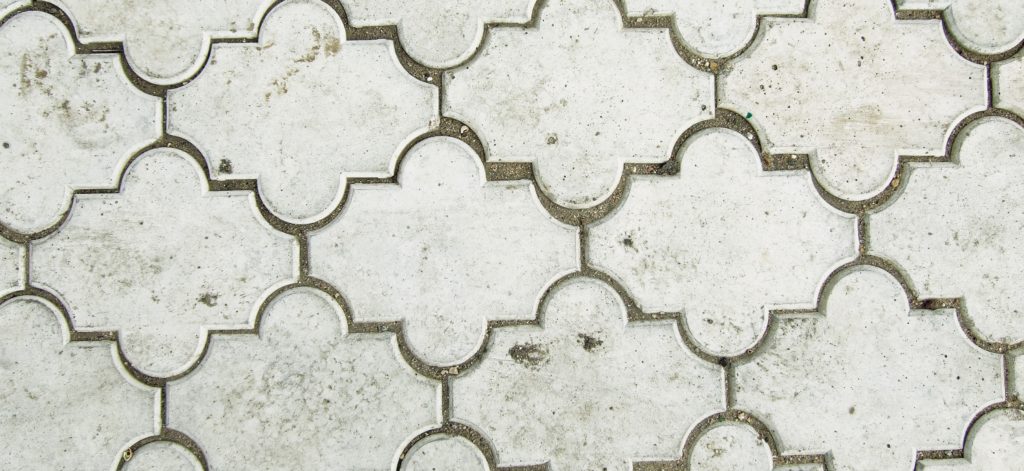
Interlocking stones or pavement is like a jig-saw puzzle; they all start as pieces that ultimately fit together just right. It is different than laying tile because tile jobs require a non-flexible surface and mortar for application. In contrast, interlocking pavement uses special sand as a bonding component and an interconnecting process that creates strong friction between the stones to thwart slipping or movement.

Interlocking Stone Installation

The time, effort, and industry knowledge it takes to achieve a proficient interlocking pavement job is extensive. This is the main reason why it should always be done by a professional paving company, or a person that is experienced in concrete, stone, and asphalt paving.

Many problems can arise during interlocking stone installation that cannot be predicted or foreseen in any way. A professional retains the training, knowledge, and tools to handle any dilemma or obstacle that may arise during installation. They also are likely to offer protection packages, warranties, and satisfaction guarantees on their work.

For newcomers to interlocking pavement world, check out this quick guide to interlocking stone and pavement installation:

• Current Surface Material is Excavated and Removed
• Ground or Soil Underneath is Dug Down to the Required Depth
• A Woven Geotextile Fabric is Fitted and Installed
• A Layered Base Rock and Sand Bedding Foundation is Built on Top
• Stones are Cut and Fitted
• Interlocking Process Takes Place
• Drying Time

A motif of designs and carvings can be implemented in the stone laying and fitting; or a standard look can be done as well. On the topic of designing and fitting the interlocking stone, a professional can be helpful because they are experienced in stone laying and retain tools and equipment to assist them. To get the finish you have in mind, be sure to ask a professional for advice and information that can help you make the best and most cost-effective choices for interlocking pavement installation.

Interlocking Pavement Services in Indianapolis, Indiana

Call ACI Asphalt and Concrete at 317-549-1833 for commercial pavement repair services in Indianapolis, Indiana. Our team of licensed and insured contractors provide a wide range of asphalt and concrete paving services for commercial, industrial, and municipal properties. Don’t choose a rookie concrete company! Instead, trust our licensed commercial pavers to meet all your pavement needs. Request a free estimate, today!