Fix Potholes Fast: A Guide to Parking Lot Repair

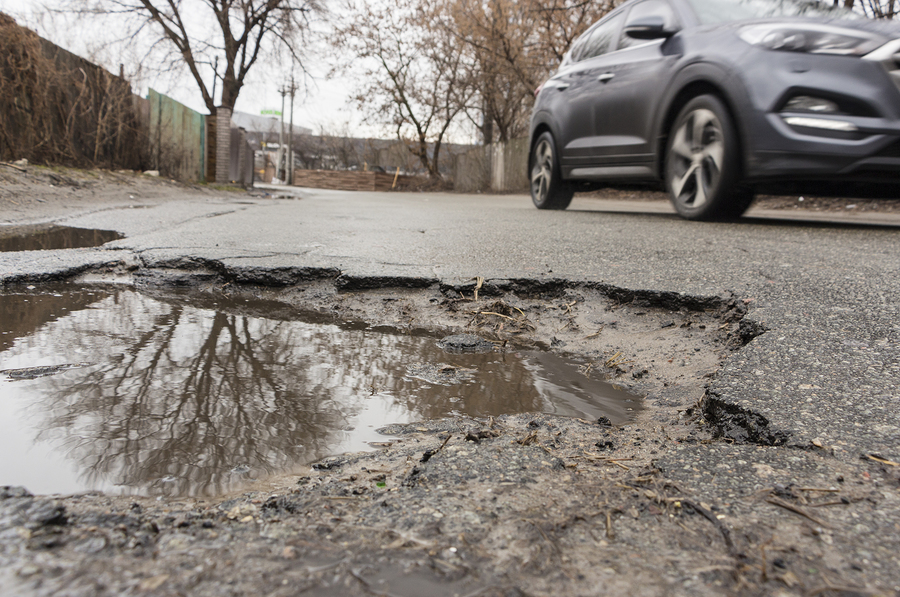
A well-maintained parking lot offers a welcoming first impression. However, when the surface is riddled with cracks and potholes, it can quickly become a significant problem. Those seemingly small craters are more than just an eyesore; they are genuine safety hazards that can lead to vehicle damage and serious liability issues for property owners.

This guide will explain why timely pothole repair is crucial for your property. We’ll explore the risks associated with parking lot potholes, compare DIY fixes with professional pothole repair, and offer practical tips for long-term pothole prevention. Understanding these elements is key to maintaining a safe, attractive, and cost-effective property.
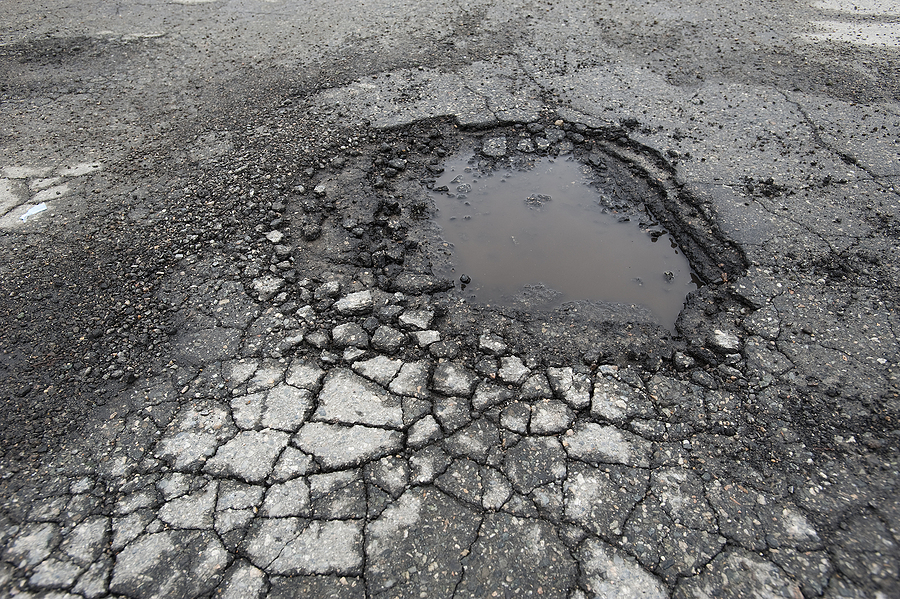
Call 317-549-1833 For Parking Lot Pothole Patching in Indianapolis

Why Pothole Repair Is Essential

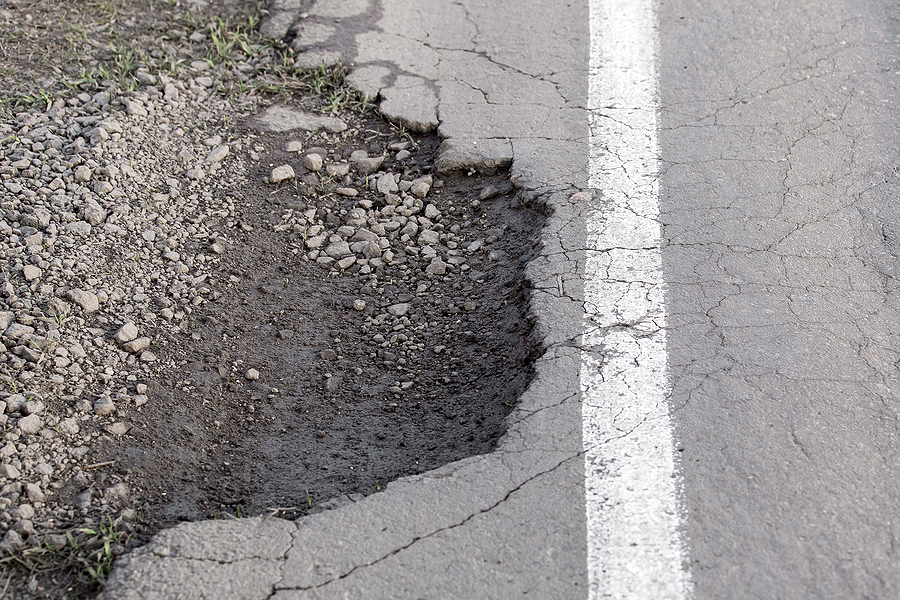
Parking lot potholes are not a problem you can afford to ignore. They pose direct risks to everyone who uses your property and can create significant financial and legal challenges for you as the owner.

Safety Hazards and Premises Liability

Potholes are a major cause of trip-and-fall accidents, which can lead to sprained ankles, broken bones, and other serious injuries. Drivers can also lose control of their vehicles when hitting a deep pothole, potentially causing collisions. As a property manager or business owner, you have a legal responsibility to maintain a safe environment for visitors and employees.

Failing to address these hazards can result in premises liability claims. In fact, neglecting parking lot maintenance and pothole repair can increase these claims by a alarming amount. The legal fees, medical bills, and settlement costs associated with a single lawsuit can far exceed the expense of professional commercial pavement repair.

Costly Vehicle Damage

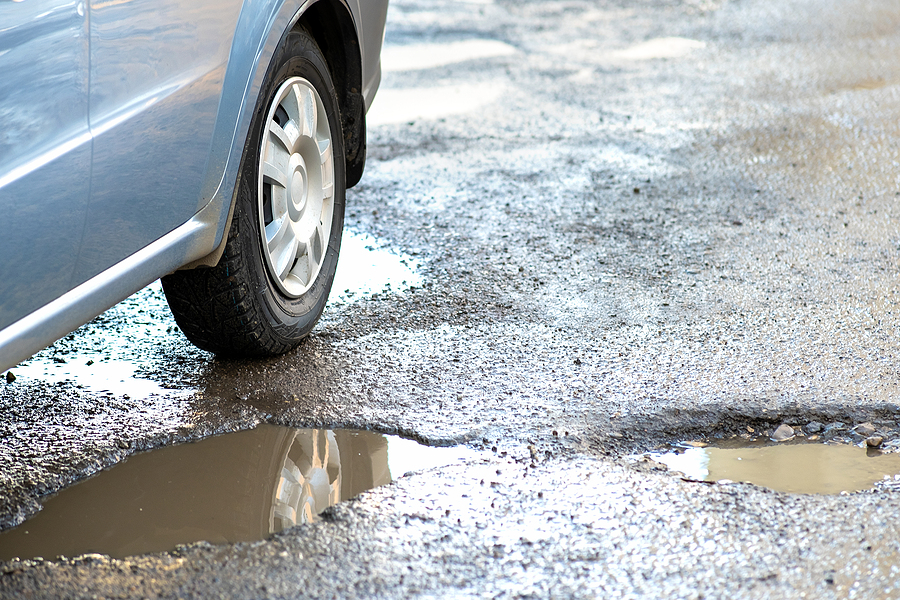
Potholes are notorious for causing expensive damage to vehicles. Driving over a deep crater can lead to:

  • Tire punctures and blowouts
  • Bent rims and damaged hubcaps
  • Suspension and alignment issues
  • Damage to the vehicle’s exhaust system

When customers or tenants consistently face vehicle damage in your parking lot, they may choose to take their business elsewhere, impacting your reputation and bottom line.

The Broader Impact of Neglected Potholes

The consequences of ignoring potholes extend beyond immediate safety and financial risks. They can also damage your property’s reputation and deter potential customers.

Damaged Property Appearance

Your parking lot is the first thing visitors see when they arrive at your property. A surface covered in cracks and potholes sends a message of neglect and poor management. It can make an otherwise beautiful property look run-down and uninviting, diminishing its curb appeal and overall value. For business owners, this can create a negative first impression that is hard to overcome.

Negative Customer Perception

A poorly maintained parking lot can influence how customers perceive your business. It suggests a lack of attention to detail and a disregard for their safety and comfort. This can lead to a loss of trust and loyalty. Customers may choose competitors with safer, more welcoming facilities, directly impacting your revenue. For residential properties, a neglected parking lot can make it harder to attract and retain tenants.

View Our Parking Lot Pothole Repair Solutions

DIY vs. Professional Pothole Repair

When a pothole appears, it might be tempting to try a quick DIY fix. While this seems like a cost-effective solution, it often leads to more significant problems down the line.

The Limits of DIY Pothole Patching

Most DIY pothole patching involves using a cold patch asphalt mix from a local hardware store. While this method can provide a temporary fix, it has several drawbacks:

  • Improper Preparation: DIY repairs often skip crucial steps like cleaning the pothole, removing debris, and applying a bonding agent. Without proper preparation, the patch won’t adhere correctly.
  • Low-Quality Materials: Store-bought cold patch materials are generally less durable than the hot mix asphalt used by professionals.
  • Short-Term Solution: Due to poor adhesion and weaker materials, DIY patches often fail quickly, especially in areas with heavy traffic or harsh weather like Indiana’s freeze-thaw cycles. The pothole will likely reappear, requiring repeated repairs and costing more in the long run.

The Advantages of Professional Repair

Hiring a professional commercial pavement repair company for your parking lot repair ensures a durable, long-lasting solution. Professionals bring expertise, specialized equipment, and high-quality materials to the job. The benefits include:

  • Expert Assessment: Professionals can identify the underlying cause of the pothole, such as water infiltration or a weak sub-base, and recommend the correct repair strategy.
  • Thorough Preparation: The repair process includes cleaning, squaring the edges of the pothole, and applying a tack coat to ensure the new asphalt bonds securely.
  • High-Quality Materials: Professionals use materials like Hot Mix Asphalt or Polymer-Modified Asphalt, which provide superior durability and flexibility. They can also recommend specialized materials like concrete patches or eco-friendly options.
  • Proper Compaction: Using professional-grade equipment, the patch is compacted to the correct density, preventing water from seeping in and causing future damage.

A professional pothole repair may have a higher upfront cost, but it provides a permanent solution that saves you time, money, and hassle in the long run.

The Professional Pothole Repair Process

A professional approach to pothole repair is a systematic process designed for durability. Here are the typical steps involved:

  1. Assessment: A paving expert inspects the pothole and the surrounding pavement to determine the extent of the damage and its root cause.
  2. Preparation: The area is cleaned of all water and debris. The edges of the pothole are squared off with a saw to create a solid boundary for the new patch.
  3. Application: A tack coat (adhesive) is applied to the bottom and sides of the hole to ensure the new asphalt binds with the existing pavement.
  4. Filling: Hot Mix Asphalt or another appropriate material is poured into the prepared hole. The material is layered slightly higher than the surrounding surface to account for compaction.
  5. Compaction: A vibratory plate compactor or roller is used to compress the asphalt, creating a dense, seamless patch that is level with the rest of the parking lot.

Long-Term Pothole Prevention Strategies

Repairing existing potholes is only part of the solution. Proactive maintenance is key to preventing new ones from forming.

  • Regular Inspections: Walk your parking lot regularly, especially after heavy rain or snow, to look for small cracks or signs of wear.
  • Crack Sealing: Fill small cracks as soon as they appear. This prevents water from seeping into the pavement’s sub-base, which is the primary cause of potholes, especially during Indiana’s freeze-thaw cycles.
  • Sealcoating: Apply a sealcoat every 2-3 years. This protective layer shields the asphalt from water, sunlight, and chemicals, extending its lifespan.
  • Ensure Proper Drainage: Check that your parking lot’s drainage system is working correctly. Standing water is a major contributor to pavement deterioration.

Conclusion

A well-maintained parking lot is a vital asset for any commercial property. Timely and professional pothole repair is not just about aesthetics; it’s a critical investment in safety, liability protection, and your property’s long-term value. By addressing parking lot potholes promptly and implementing a preventative maintenance plan, you can create a safer environment for everyone and avoid costly repairs and legal issues.

Don’t wait for a small problem to become a major liability. Protect your investment and ensure the safety of your visitors. Our expert winter cold patching services can address your current parking lot repair needs while preventing future problems.

Request a Pothole Repair Quote

Related Post: Your Complete Guide to Commercial Pothole Patching

The Impact of Freeze-Thaw Cycles on Asphalt and Concrete Pavements 

Every winter, property owners and managers notice the same troubling phenomenon—cracks, potholes, and damage across driveways, parking lots, and pavements. What’s causing this increasingly troublesome wear and tear? The answer often lies in freeze-thaw cycles. These natural processes are not only unavoidable but can be highly damaging to both asphalt and concrete pavements if left unchecked. 

Understanding how freeze-thaw cycles impact your pavement and taking a proactive approach to maintenance can save you from expensive repairs and ensure your surfaces last for years to come. 

Call 317-549-1833 For Professional Winter Cold Patching Service in Indianapolis

What are Freeze-Thaw Cycles? 

At their core, freeze-thaw cycles occur when water freezes and thaws repeatedly in temperatures fluctuating above and below the freezing point (32°F or 0°C). Here’s how it works:

  1. Water enters cracks or pores in asphalt or concrete when temperatures are mild. 
  2. As temperatures drop, the water freezes, expanding by up to 9%, causing stress within the material. 
  3. When temperatures rise, the ice thaws and contracts, leaving room for more water to enter.
  4. This cycle repeats, progressively weakening the surface. 

Environmental Factors Contributing to Freeze-Thaw Cycles 

  • Temperature Fluctuations: Regions with daytime temperatures above freezing and nighttime temperatures below freezing experience frequent cycles. 
  • Precipitation Levels: Rain, snow, and ice contribute to moisture penetration in pavement surfaces. 
  • Porosity: Pavements with small cracks or poorly compacted bases are highly vulnerable due to the ease with which water infiltrates. 

Understanding these contributing factors helps property owners identify when and where their pavements may be most at risk. 

How Freeze-Thaw Cycles Affect Asphalt Pavements 

The Specific Challenges Asphalt Faces 

Asphalt pavements, while popular for their affordability and smooth finish, are particularly vulnerable to freeze-thaw cycles due to their semi-flexible nature. Here’s what happens:

  1. Water seeps into surface microcracks, which naturally form over time due to traffic and general wear. 
  2. During freezing periods, the expansion of trapped water widens these cracks, affecting both surface and structural integrity. 
  3. The resulting gaps encourage more water entry, creating a cycle of deterioration. 

Common Signs of Freeze-Thaw Damage in Asphalt 

  • Cracking: Spider-web-like cracks or linear cracks across the surface. 
  • Potholes: Formed when freeze-thaw cycles weaken the sub-base, causing collapses. 
  • Rutting or Deformation: Grooves appearing in high-traffic areas due to material displacement. 

How Freeze-Thaw Cycles Affect Concrete Pavements 

Why Concrete Is at Risk 

Though concrete is highly durable, it’s not immune to freeze-thaw damage. Concrete has small air pockets, known as pores, which absorb water much like a sponge. When freeze-thaw cycles occur:

  • The expansion pressure builds inside these pores during freezing, creating cracking and scaling (surface peeling). 
  • Deicers exacerbate the issue, as they increase water absorption by reducing freezing points for ice. 

Common Signs of Freeze-Thaw Damage in Concrete 

  • Scaling or Spalling: Flaking on the top layer of concrete is common in damaged areas. 
  • Cracking: Hairline or larger cracks, often radiating outward in a network. 
  • Discoloration: Discoloration or surface pitting where moisture has settled in depressions

Preventing and Mitigating Freeze-Thaw Damage 

For property owners and managers, prevention is key to reducing freeze-thaw impacts. Here are some practical steps to protect your asphalt and concrete pavements:

  • Sealcoating Asphalt Pavements: This protective layer helps prevent water from penetrating the surface. 
  • Apply Concrete Sealers: Similar to asphalt, concrete sealers provide moisture barriers and reduce water absorption through pores. 
  • Remove Debris Regularly: Leaves and debris retain moisture, increasing the risk of water infiltration. 
  • Use Proper Deicers: Avoid chloride-based deicers to minimize chemical erosion of concrete. Opt for less harsh alternatives like calcium magnesium acetate. 
  • Improve Drainage Systems: Redirect water away from paved areas by installing sloped surfaces, gutters, or French drains.

Regular maintenance and vigilant inspections help property owners spot early signs of damage and take swift action before minor cracks evolve into major structural issues. 

Long-Term Solutions and Upgrades 

Sometimes routine maintenance isn’t enough, especially in freeze-prone regions. That’s when long-term upgrades become essential. 

Use of Freeze-Thaw Resistant Materials 

Modern technology has introduced pavement materials designed to withstand freeze-thaw cycles effectively:

  • Air-Entrained Concrete allows excess water to expand within air pockets instead of pushing against the surface, reducing cracking. 
  • Polymer-Modified Asphalt offers increased flexibility and a tighter seal, preventing water infiltration. 

Reinforcing Subgrades and Bases 

A well-prepared subgrade ensures pavement stability, preventing the upheaval and sinking associated with freeze-thaw damage. Consider adding high-quality aggregates or stabilizing the base with geotextiles. 

Infrared Asphalt Repair 

For damaged asphalt areas, infrared repair seamlessly blends new material with existing pavement, filling gaps and eliminating moisture-prone cracks. 

By investing in these strategies upfront, property owners can avoid continuous minor repairs, saving both money and downtime in the long run. 

RECAP

Left unchecked, freeze-thaw cycles can wreak havoc on asphalt and concrete pavements, leading to costly repairs and frustrated property users. By understanding how these natural processes work and taking preventive measures, property owners and managers can preserve their pavements’ integrity and prolong their lifespans. 

Don’t wait for damage to pile up. Schedule a professional assessment to identify potential threats in your pavement and receive tailored maintenance solutions. A proactive approach now saves time, money, and hassle later on. 

Ready to elevate your Indy commercial property with top-tier paving maintenance and renovations? Contact ACI Asphalt and Concrete at 317-549-1833 for licensed, bonded, and insured commercial pavement repair and winter cold patching in Indianapolis and surrounding townships. We also provide comprehensive paving solutions for road damage, potholes, pavement drainage, line striping, bollards, culverts, ADA compliancy, and much more.

Related Posts:

Winter Pavement Care Tips for Commercial Properties
Common Causes for Crack Development in Concrete Pavement
The Best Time of Year to Repair Potholes and Similar Road Damages

Winter Pavement Care Tips for Commercial Properties

As any business owner knows, the sidewalk and parking lot areas around your commercial building can take a beating during the winter months. Between snow, sleet, and ice, it’s important to keep up with regular maintenance to ensure a safe and accessible area for customers and employees. Continue below to learn some tips on how to take care of your commercial pavement during the winter.

For Winter Pavement Repair in Indianapolis, Call 317-549-1833 Today!

Commercial Asphalt and Concrete Maintenance in Winter

Here are the top three most important maintenance tasks you can do to protect your pavements from winter weather damages:

1. Keep up with regular sweeping and cleaning. This will help to remove any built-up salt, sand, or debris that can contribute to deterioration.

2. Inspect the pavement regularly for any cracks or damage. If you catch these early, they can be repaired before they turn into larger problems.

3. Apply a sealant to the pavement surface. This will help to protect it from the elements and prevent further damage.

By following these simple tips, you can help to extend the life of your commercial pavement and keep it looking its best.

Snow Management Tips for Parking Lots

1. Keep your parking lot free of snow and ice to prevent accidents and injuries.

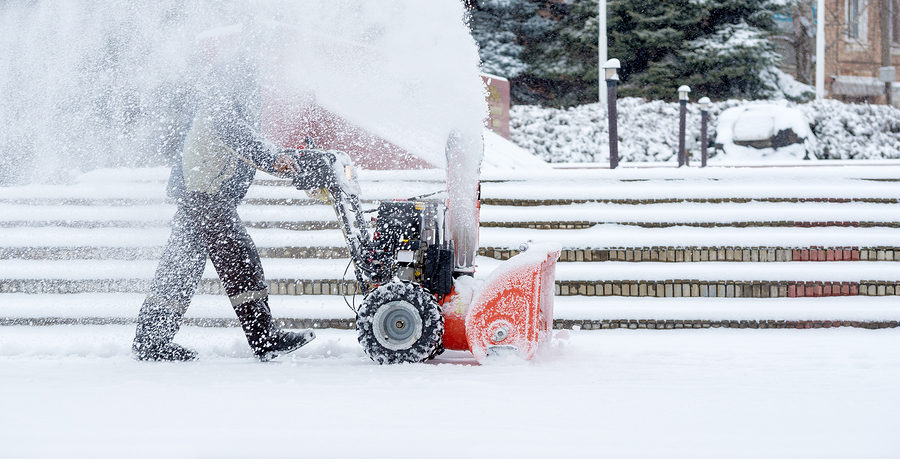
2. Use a snow blower or shovel to clear snow from your parking lot.

3. Apply salt or other deicing products to your parking lot to melt ice and prevent it from forming.

4. Inspect your parking lot regularly to ensure that it is free of snow and ice.

Trust these tips to keep your parking lot safe and accessible during the winter season.

Commercial Pavement Repair in the Winter

It’s no secret that commercial pavements take a beating during the winter months. From the heavy snowfall and ice accumulation to the repeated freezing and thawing cycles, your pavement endures a lot of wear and tear. And while you may not be able to prevent all damage, there are some proactive measures you can take to help minimize it.

One of the best ways to protect your pavement during the winter is to have it regularly inspected and repaired. Even small cracks and divots can turn into large problems if left unaddressed, so it’s important to nip them in the bud as soon as possible. Of course, this isn’t always easy to do when the weather is less than ideal.

That’s why it’s important to partner with a reliable Indianapolis commercial pavement repair company that can provide timely and effective service, even in the midst of winter weather. At ACI Asphalt & Concrete, we’re proud to offer our clients 24/7 emergency repair services so you can rest assured that your pavement is in good hands, no matter what Mother Nature throws your way.

If you’re looking for a commercial pavement repair company you can trust, look no further than ACI Asphalt & Concrete. Contact us today to learn more about our commercial paving services in Indianapolis, or to schedule a free consultation.

Related Posts:

Is Salt Safe to Use on Asphalt?
Which Paving Material Performs Better in Winter?
How to Protect Concrete in Winter

Where to Get Commercial Pothole Repair That Stands the Test of Time

Whether you need all-weather patching, UPM permanent patching, emergency patching, crack filling, or standard pothole repair, ACI Asphalt & Concrete are the seasoned commercial paving contractors to trust for professional results that will last and last! Continue below to learn more about the pothole repair and winter cold patching services we offer for commercial and industrial clients, and why so many Hoosiers have chosen us as their Indianapolis road construction and pavement contractors for more than 30 years.

ACI ASPHALT & CONCRETE CAN FIX THIS FOR YOU.

ACI Can Deliver Year-Round Pavement Maintenance and Repair

Potholes, or chuckholes, affect both asphalt and concrete pavements. At best, they are an infuriating obstacle; but at worst, they can severely damage vehicles and increase employer and property owner liability. Chuckholes come in all shapes and sizes because the winter freeze and thaw cycles expand existing ones, thus setting the stage to develop newer or larger potholes. Winter cold patching is an essential part of a seasonal pavement maintenance program. Filling and sealing chuckholes as they develop will prevent problems in the future and addresses your liability problem.

Here at ACI Asphalt and Concrete, our pavement contracting teams offer a wide range of asphalt and concrete pothole repair solutions for commercial and industrial complexes in Indianapolis and throughout Central Indiana. We also offer free estimates and consultations, as well as, references, advice, information, and more. Not only do we offer free estimates, flexible scheduling, and honest workmanship, we also back all of work with a 100% Satisfaction Guarantee!

What We Can Do For Your Commercial Lot

☑ ROAD RESURFACING
☑ UPM PERMANENT PATCHING
☑ EMERGENCY COLD TAR PATCHING
☑ ALL-WEATHER PATCHING
☑ ROAD GAP REPAIR
☑ OVERLAYS
☑ CRACK FILLING
☑ AND MORE!

So, when you need trusted, high quality pothole repair and winter cold patching services in Indianapolis, Indiana, turn to ACI Asphalt and Concrete for competitive deals and results that last. We are licensed, bonded, and insured paving contractors with more than 30 years of hands-on experience in the pavement repair industry.

Are you ready to get your commercial pavements reinforced for the spring and summer season? Contact us at 317-549-1833 for superior pothole repair and winter cold patching services in Indianapolis, Indiana. We serve both commercial and industrial clients all throughout the Central parts of the state.

You Might Also Like:

How to Report a Pothole in Indianapolis
Frequently Asked Questions About UPM Asphalt
New Types of Pothole Repair Technology for Asphalt

Indianapolis Pavement Repair Company
Indianapolis Pavement Repair Company 317-549-1833

Frequently Asked Questions About Potholes and Pothole Repair

If you are noticing a development of potholes on your commercial or industrial lot, it is important to act and contact a professional Indianapolis paving company for inspections, recommendations, and service. In the meantime, continue reading to review some of the most fundamental questions about potholes, and perhaps gain a better understanding about the problems associated with having unresolved pavement damage.

Indiana Commercial Pothole Repair and Emergency Road Repair 317-549-1833

Pothole Repair FAQS You Do Not Want to Ignore

Potholes are one of the most common damages to asphalt and concrete pavements. They can range in size, depth, and shape, and fluctuate in expansion rates depending on a variety of factors, including traffic rates, weather patterns, ground soil, water drainage, and natural wear and tear. Potholes require immediate repair since they will only continue to expand and worsen as time goes continues. Below are the most frequent questions commercial proprietors ask about their lots and pavements, especially once all the ice and snow melts away in Spring.

What Causes Potholes?

Potholes are created by excess moisture in asphalt and concrete pavements. This is usually a result of snow, ice, and rain. Porous pavements, like concrete, lose their protective coating after a few years as a result of natural wear and tear. The same can happen to asphalt paving as well. When this happens, they become vulnerable to water accumulation in their pores. Accumulated water then freezes and thaws from season to season, causing pavement to deteriorate from within. This leads to pavement cracks, fractures, fissures, and more.

How are Potholes Repaired?

The top 3 most common methods used to repair or patch up potholes include using cold asphalt, hot asphalt, and polyurethane asphalt. Cold asphalt is mixed and poured at a lower temperature than other asphalt mixes. It is also easy to work with and low in cost. Hot asphalt is a common choice for larger-scale pothole repairs because it is less available in smaller quantities. It is mixed and poured at an average temperature of 350 degrees Fahrenheit. Polyurethane asphalt is customary option for pothole patching because they last a long time, which is cost-effective for property owners. So long as the asphalt mix can be properly dried, it can be used all year round, in any season.

Do Potholes Damage Cars?

There are a few indications that point toward pothole damage in a vehicle. As a car or truck owner, you want to keep an eye for tire punctures, bent rims, scraped wheels, suspension troubles, exhaust system troubles, poor steering, and any other physical exterior damages. Strange noises from the engine, engine complications, and a bouncy ride can all be warning signs of pothole damage.

Can Potholes Be Repaired in the Winter?

The process of repairing potholes and other surface defects in asphalt is generally performed during warmer seasons because a hot mix product is used to fill in gaps and openings in damaged pavements. However, winter cold patching makes it possible to repair asphalt potholes in the winter, effectively. Also known as cold tar patching, this method of asphalt pothole repair works well in colder temperatures because the actual product is designed with special polymers that render it ready-to-use at all times.

Do I Need to Repair the Potholes on My Property?

Potholes are a big problem for many reasons. Not only can they cause damage vehicles and cause serious car accidents, but they can also reduce property value, compromise company profit, and even pose safety hazards to people. Proper pothole repair is critical in order to protect your investment and achieve the long-lasting pavement stability you desire.

What are the Best Methods for Pothole Prevention?

Pothole prevention starts with a trusted paving company that knows how to assess an area and provide proper pavement installation, taking into consideration subgrades, water drainage, risk factors, and more. If pavement is not installed and laid properly, it will immediately show signs of defects and instability. Improper pavement installation will surely lead to an increase in pothole formation, and costly pothole repair.

Do you need a few potholes and similar seasonal pavement damages resolved in Indianapolis, Indiana? Contact ACI Asphalt and Concrete at 317-549-1833 for commercial pothole repair and winter cold patching services at the best rates in town.

You Should Also Read:

Why is Proper Pothole Repair So Important?
Can I Repair a Pothole Myself?
How Will Snow Affect My Pavements?

Indianapolis Pavement Repair Company
Indianapolis Pavement Repair Company 317-549-1833

Will Salt Damage Asphalt Pavement?

Whether they have been there for years or you have just recently paved, your asphalt surfaces are an important investment. As a result of the recent snow, you might be asking yourself whether or not you should be applying salt to rid the ice and slush. If you are, you are not alone. Many people worry that throwing salt on asphalt will damage it or cause it to deteriorate. Before tossing out all of your supply, continue reading to learn the real facts about the affects of salt and similar de-icing agents might have on asphalt.

Salt and Reagents are Mostly Safe to Use on Asphalt Pavements.

What You Need to Know About Applying Salt to Asphalt

The truth about snow melting and de-icing salts is that they will not deteriorate or damage your asphalt pavement, nor will they cause potholes to form. However, such salts can cause line striping and road markings to fade more quickly, over time, as well as pose certain environmental risks of not handled and applied properly.

Protect the Environment

When using salts on pavements, it is important to consider the environmental impact it can have on the surrounding Eco-system. To prevent water runoff contamination, be cautious when applying your salt by using it sparingly, and always shoveling snow away first.

Don’t Worry About Potholes

Applying salt on asphalt should not cause it to deteriorate or crack, which means you do not have to be concerned about pothole formation come spring. Potholes develop as a result of annual freeze-thaw cycles, which occurs when water trapped inside pavement pores freezes in the winter, and then thaws in the spring. When water inside pavement freezes, it causes the pavement to expand. When the water thaws, the pavement contracts, which leads to cracks and other ground stability issues.

Salt is Essentially Safe for Asphalt

It is a common misunderstanding that salt will damage asphalt. So long as your asphalt was laid by a trusted and certified Indianapolis asphalt paving company, your asphalt surfaces should be fully-resistant to any potential affects salt and other minerals can have on them. Furthermore, it is important to have asphalt seal coated, and then resealed every three to five years; otherwise, you could start to see pavement deterioration.

Where to Get Superior Asphalt Service in Indianapolis, Indiana

Call ACI Asphalt and Concrete at 317-549-1833 for licensed, bonded, and insured commercial asphalt paving services in Indianapolis, Indiana. We offer a wide range of paving services for commercial and industrial properties, at the most competitive prices in town, including pothole repair and winter cold patching work. Request a free quote, today.

Indianapolis Pavement Repair Company
Indianapolis Pavement Repair Company 317-549-1833

Get the Best Deal for Indiana Winter Cold Patching at ACI Asphalt and Concrete

Here at ACI Asphalt and Concrete, we have the workable solutions for repairing chuckholes and other surface deficiencies during the winter season. And as a family owned and operated company built on old-fashioned values of integrity and excellence, you can expect the most economical prices and unparalleled customer service when you choose us to repair your asphalt pavement. Continue reading to learn about our winter cold patching services, and the various benefits it has to offer your property.

ACI Asphalt and Concrete Emergency Winter Road Repair in Indiana You Can Trust.

Commercial Cold Tar Patching Service for Central Indiana

The freeze-thaw cycles of winter are harsh on asphalt pavements. Not only can it cause new pavement depressions and damages, but it is also highly likely to worsen existing surface defects like potholes and more. If your asphalt pavement is not in the best condition, there is no better time to reinforce it with professional winter cold patching services. The process of repairing potholes and other surface defects in asphalt is generally performed during warmer seasons because a hot mix product is used to fill in gaps and openings in damaged pavements. However, with winter cold patching, it is possible to make emergency asphalt repairs in the winter.

Also known as cold tar patching, this method of asphalt pothole repair works well in colder temperatures because the actual product is designed with special polymers that render it ready-to-use at all times. The material is much softer and more pliable than typical hot mix asphalt. The sticky product works well to fill cracks and holes, as well as bind together existing fragments of aggregate and loose material. Because it molds together like clay or dough, it can simply be scooped and spread with shovels, and then compressed and compacted down to an even level. The cold tar cures very quickly once applied, without the need for heat or heavy rolling equipment.

Certified Commercial Paving Pros With a Strict Attention to Detail

Prior to application, our teams of licensed, bonded, and insured paving contractors will implement a detailed inspection of the area to identify and diagnose the repair needs of your pavement. After disclosing all costs and fees upfront in a written estimate, we can begin our work. We will start by clearing any trash or debris from the surrounding area, and then set up our materials and get to work. The asphalt mix hardens in as little as a few hours, so you can open your lot back up to guests, clients, and customers the very same day!

Our Commercial Asphalt and Concrete Winter Cold Patching Program Offers:

☑ All-Weather Winter Patching
☑ UPM Permanent Patching
☑ Emergency Cold Tar Patching
☑ Road Resurfacing
☑ Road Gap Repair

Request a Free Estimate Today!

How to Get Started With a Free Quote

Contact our office directly at 317-549-1833 during regular business hours to request a free quote for Indianapolis pothole repair winter cold patching, as well as, how we can help you reach your pavement and road construction goals, year-round. Best of all, we back all of our work with a 100% Satisfaction Guarantee!

Indianapolis Pavement Repair Company
Indianapolis Pavement Repair Company 317-549-1833

Who to Contact for Pothole Repair in Indianapolis

Road work is complex. Not only does it require a concentrated, scientific methodology, it also requires quality materials, skilled labor, and most importantly, professional industry acumen. If these standards are not met, pavements steadily lose quality and deteriorate over time. One common result that we all know too well is pothole formation. Potholes are a common road defect, especially this time of year when freeze-thaw cycles are taking over. When they are not patched properly, they will continue to come back, year after year. This is why commercial and industrial property owners, as well as municipal pavements, seem to always have potholes.

It is important to contact the appropriate authorities to have potholes repaired. Residential property owners and commercial companies will need to call different sources, while city potholes must be reported in a particular manner, through a specific portal. The proper authority to contact will vary depending on the location, which can make it difficult to know who to actually contact for pothole and road repair. So, for your convenience, we have compiled the information you need to know about pothole repair and management in Indiana.

Continue reading to learn who to contact for pothole repair, as well as, important information regarding winter road patching and similar pavement repair work.

Indianapolis Pothole Repair 317-549-1833

Causes of Winter Road Defects

The winter climate is hard on pavements. A natural phenomenon known as freeze-thaw cycles occurs each year, which starts with water and moisture seeping deep into the pores of pavement. As a result, pavements contract and expand repeatedly, thus creating cracks, crumbling, and similar atrophic damage. Eventually, craters form, which we know as potholes. Another leading cause of pothole formation is poor or improper pavement installation. It is vital to always hire a licensed and bonded Indianapolis commercial pavement company that retains the proper experience, skills, equipment, and materials to perform their work.

Aside from winter weather and poor craftsmanship, potholes are also commonly caused by natural wear and tear. Pavements, although can be made to last a long time, do not last forever. At some point, they will begin to show signs of deterioration, and eventually develop potholes. For this reason, it is important to address pavement defects and minor repair needs as soon as possible, before it can turn into a larger, more invasive renovation.

Pothole Repair for Asphalt

Cold patch asphalt mix is mostly used to fill potholes on a year-round basis. There are various grades, all designed for specific climates. There is a specially-formulated winter grade for temperatures of 40 degrees Fahrenheit or below, a spring and fall grade for temperatures between 40 and 60 degrees Fahrenheit, and a summer mix for temperatures between 60 and 80 degrees Fahrenheit. When it comes to asphalt, the process of repairing potholes and related road damage is generally performed during spring and summer because a hot asphalt mix product is used. However, with winter cold patching, it is possible to make emergency asphalt repairs in the winter because the mix product is designed with special polymers that render it ready-to-use at all times.

City Potholes

There are various types of pothole repair methods used in the pavement construction industry, both semi-permanent and temporary versions. One of the most popular techniques used to repair potholes for the city is the “throw and roll” method. This is a temporary fix that basically involves patching the hole with the right material, and then letting traffic drive over it to finish the job. This is the quickest and easiest technique for repairing a pothole on a short-term basis. As a result, potholes tend to come back, and worse than before.

3 Ways to Report City Potholes:

RequestIndy

Requestindy is a local online portal that allows users to make new requests, check status updates, watch help videos, and more. There is also a RequestIndy Mobile for smartphones.

Mayor’s Action Center

The Mayor’s Action Center is an online portal that allows you to get free information, provide citizen feedback, and request city services like pothole repair. Users can also report everything from missed trash collections and abandoned vehicles to defective traffic signals, zoning violations, and more. You can also contact them directly at 1-855-463-6848 or 1-317-327-4MAC.

Indiana Department of Transportation (INDOT)

For highways and interstates, pothole and road damage repair requests are filed through the Indiana Department of Transportation (INDOT). You can make free requests or reports concerns, 24 hours a day and 7 days a week on their website, or you can contact them directly at 1-855-INDOT4U (463-6848).

🔎 Indianapolis Pothole Locator:
Use the Indy Pothole Viewer to find potholes near you!

Pothole Prevention

Proper installation and drainage are key factors to pothole prevention. It is important to entrust your pavement’s installation and maintenance needs to a licensed and insured paving company that has extensive local experience. Furthermore, routine maintenance and cleaning are vital to pavement durability, longevity, and performance.

Who to Trust for Commercial Pothole Repair in Central Indiana

Call ACI Asphalt and Concrete at 317-549-1833 for commercial pothole repair and winter cold patching service in Indianapolis, Indiana and its surrounding counties. Our team of licensed and insured contractors provide a wide range of asphalt and concrete paving services for commercial, industrial, and municipal properties. Don’t choose a rookie concrete company! Instead, trust our licensed commercial pavers to meet all your pavement needs. Request a free estimate, today!

How Will Snow Affect My Pavements?

The snow is already here in Indiana. Did you prepare your sidewalks, driveways, and parking lots properly? If not, you will likely begin to see the minor and major affects winter weather can have on our pavements. Not sure if this warning applies to you? Continue reading to learn how snow, ice, and cold temperatures can impact the overall quality and condition of your asphalt and concrete pavements.

Commercial Pavement Repair
Commercial Pavement Repair 317-549-1833

Freeze Thaw Damages

Both asphalt and concrete are susceptible to freeze thaw damages under certain conditions. Concrete is a naturally porous pavement, which means water can permeate within its surface. When this happens in the winter, the water eventually freezes, causing the concrete to expand. When temperatures begin to rise in spring, the water melts within concrete, causing it to contract. This expansion and contraction process is known as freeze thaw cycles, and the damages they cause to pavements are wide ranging.

Although asphalt is not porous, without proper and routine sealcoating, moisture can seep inside and cause freeze thaw damage. The signs of freeze thaw damage on pavements will not really be evident until the snow melts. Sometimes, Indiana can experience snow all the way until spring. The most common effects of freeze thaw cycles on pavement include faded paint, potholes, cracks, alligator cracking, depressions, heaving, and more.

De-Icers

Another common winter threat to our pavements are also a widely-useful tool against slippery, wet surfaces. We are talking about de-icers. When using large amounts over a long period of time on concrete, deicers can cause pavement to deteriorate. Salt is harmful to concrete pavement because it is acidic, and acid can break down the bonds within concrete, leading to crumbling, cracks, and more. Furthermore, concrete pavement freezes faster than other pavements, which often leads to using more deicer. Also, concrete bridges and overpasses are generally constructed with steel; and overtime, steel corrodes from salt.

When it comes to asphalt pavements, deicers are fortunately not so harmful. Asphalt is not affected by deicers because of the way it is engineered. Hot-mix asphalt is contains customized proportions of aggregates like stone, sand, and petroleum, which enables it to withstand the regional environment it was mixed for.

Talk to a Skilled Indianapolis Pavement Contractor

Call ACI Asphalt and Concrete at 317-549-1833 for commercial pavement repair and service in Indianapolis and its surrounding areas. Our licensed and qualified paving contractors provide a wide range of asphalt and concrete pavement repair and installation services at the most competitive prices in town, including crack filling, overlays, resurfacing, and sealcoating. Request a free estimate, today!

Choose Winter Cold Patching Services to Repair Potholes This Season!

The freeze-thaw cycles of winter are harsh on asphalt pavements. Not only can it cause new pavement depressions and damages, it is highly likely to worsen existing surface defects like potholes and more. If your asphalt pavement is not in the best condition, there is no better time to reinforce it with professional winter cold patching services.

Winter Cold Patching - Chuckhole Repair 317-549-1833

Indianapolis Chuckhole Repair 317-549-1833

Here at ACI Asphalt and Concrete, we have the workable solutions for repairing chuckholes and other surface deficiencies during the winter season. And as a locally-owned and operated company built on old-fashioned values of integrity and excellence, you can expect the most economical prices and unparalleled customer service when you choose us to repair your asphalt pavement. Continue reading to learn about our winter cold patching services, and the various benefits it has to offer your property.

Winter Cold Patching

The process of repairing potholes and other surface defects in asphalt is generally performed during warmer seasons because a hot mix product is used to fill in gaps and openings in damaged pavements. However, with winter cold patching, it is possible to make emergency asphalt repairs in the winter. Also known as cold tar patching, this method of asphalt pothole repair works well in colder temperatures because the actual product is designed with special polymers that render it ready-to-use at all times.

The material is much softer and more pliable than typical hot mix asphalt. The sticky product works well to fill cracks and holes, as well as, bind together existing fragments of aggregate and loose material. Because it molds together like clay or dough, it can simply be scooped and spread with shovels, and then compressed and compacted down to an even level. The cold tar cures very quickly once applied, without the need for heat or heavy rolling equipment.

Prior to application, our teams of licensed, bonded, and insured paving contractors will implement a detailed inspection of the area to identify and diagnose the repair needs of your pavement. After disclosing all costs and fees upfront in a written estimate, we can begin our work. We will start by clearing any trash or debris from the surrounding area, and then set up our materials and get to work. The asphalt mix hardens in as little as a few hours, so you can open your lot back up to guests, clients, and customers the very same day!

Take Advantage of Our Winter Cold Patching Program!

All-Weather Winter Patching
UPM Permanent Patching
Emergency Cold Tar Patching
Road Resurfacing
Road Gap Repair
And More!

Request a Free Estimate Today!

Parking Lot Paving

Parking Lot Paving 317-549-1833

Here at ACI, we are truly dedicated to proving superior paving services for the local municipalities in Indianapolis and throughout Central Indiana. In fact, we are truly honored to be members of the local community, and strive to be your affordable solution for professional, high-quality municipal pavement repair and service. Our certified paving contractors are highly trained and have more than 30 years of experience in the commercial and industrial pavement repair industry, so you can trust us to deliver outstanding results in a convenient time frame.

Contact us today at 317-549-1833 to learn more information about our winter road patching and pothole repair services we provide in Indianapolis and throughout Central Indiana.