Do I Need a Concrete Sealcoat for My Lot?

Concrete is a widely used pavement made from combining several natural materials, such as lime cement, gravel, sand, and water. It is a man-made, permeable material used in the construction industry all across the world. As a permeable pavement, concrete is vulnerable to cracking, weather damage, atrophy, and more. Because of its porous characteristics, concrete must be protected. This is where concrete sealers come in handy.

Continue reading to learn about all the benefits associated with using concrete sealers and seal coating.

Indianapolis Commercial Concrete Paving
Indianapolis Commercial Concrete Paving 317-549-1833

Concrete is a Porous Pavement Material

Concrete is porous, as mentioned before. It has several inner channels and tubes that allow water and moisture to pass through. When this liquid freezes and thaws, it creates large gaps and crevices in concrete pavement. Water flow within these inner channels can also cause concrete to deteriorate over time. In order to thwart water seepage in concrete, it is necessary to seal it properly. Concrete sealers do just that!

Seal coating is a process of pavement protection that can more than double the life of concrete. It drastically reduces salt damage, wear and tear caused from traffic, and protects against natural elements like harsh weather and wildlife. It can even prevent dingy smells and musty odors! They strengthen and reinforce pavement so it can last longer and require less maintenance. It reduces cracking, crumbling, breakage, splitting, dusting, fading, and more. The most common residential and commercial uses for paving sealants is for driveways, parking lots, sidewalks, basement floors, and other areas of exposed concrete.

Proper Concrete Protection is a Must

If you want concrete pavement to be impenetrable, a proper sealer must be applied. It is important to consult and outsource a professional paving contractor for accurate industry information and guidance. They retain the latest technologies, proper industry equipment, and extensive knowledge for professional concrete seal coating. Commercial properties commonly used urethane sealers, such as siloxane, siliconate, and silane.  Residential properties tend to use epoxy sealers, like water-based epoxy or penetrating epoxy. These sealants provide a tougher, thicker, chemical-resistant film. Epoxy sealers are perfect for marine applications as well. No matter what sealcoating application you choose, always be sure it is safe to use and safe for the environment.

Where to Get Licensed Concrete Pavement Work in Indianapolis

Call ACI Asphalt and Concrete at 317-549-1833 for commercial and industrial concrete repair and paving services in Indianapolis, Indiana. Our licensed and qualified contractors provide several paving services for both asphalt and concrete, including pavement repair, sealcoating, road work, commercial paving, industrial paving, winter cold patching, and more. We are the industry veterans to trust for skilled craftsmanship and competitive prices! Request a free estimate, today.
4 Types of Concrete Water Stops and What They Do

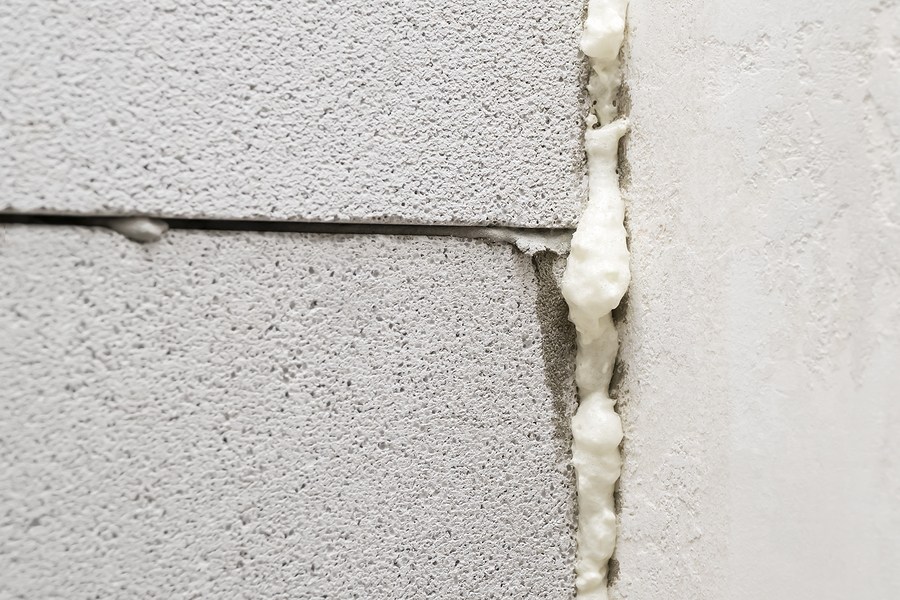
Waterstops are embedded into, and continuously run through, concrete structures or slabs for the purpose of preventing water and other fluids from passing through. There are two main categories for concrete waterstops. The first includes waterstops for concrete joints in which the adjoint concrete sections do not move, while the second category includes waterstops for concrete joints in which the adjoint concrete sections do experience movement.

From there, more types of waterstops exist. Continue reading to learn the top 4 most common concrete waterstops.

Indianapolis Commercial Concrete Contractors
Indianapolis Commercial Concrete Contractors 317-549-1833

Extruded Plastic Waterstops

Extruded plastics and thermosets, such as polyvinyl chloride (PVC) or thermoplastic vulcanized rubber (TPV), are common materials used to manufacture concrete waterstops. Other rubbers used to make waterstops include neoprene, styrene-butadiene, and even natural rubber.

Metal Waterstops

Metal waterstops come in coils as large as 50 m, and usually between 1.0 to 1.5 mm in thickness and 250 to 300 mm in width. Some metal waterstops are coated with polymeric or hydrophilic materials, or both in some cases. Such coatings form a tighter bond with concrete, and therefore, a second barrier against fluids.

Hydrophobic Polymer Waterstops

Hydrophobic polymer waterstops are made from the same kinds of extruded plastics mentioned before, like PVC and TPV. These kinds of waterstops are meant to do two jobs at once: allow direct interlocking into concrete, and prevent movement at the joints. They are generally applied to joints in secondary containment structures to prevent toxic or hazardous fluids from passing through.

Hydrophilic Waterstops

Also known as “water-loving” waterstops, hydrophilic waterstops are rubber strips that are enhanced with hydrophilic agents like bentonite. This modification causes the waterstops to swell when exposed to moisture or fluids. As a result, concrete joints are better sealed against leakage. However, such waterstops are not used in joints that move, such as expansion and contraction joints.

Commercial Concrete Contractors in Indianapolis

Call ACI Asphalt and Concrete at 317-549-1833 for commercial concrete services in Indianapolis, Indiana. Our licensed and qualified paving contractors provide several Indianapolis concrete paving services, including pavement repair, sealcoating, road work, commercial paving, industrial paving, winter cold patching, and more. We are the industry veterans to trust for skilled craftsmanship and competitive prices! Request a free estimate, today.
The Importance of Concrete Stability When Paving Over It With Asphalt

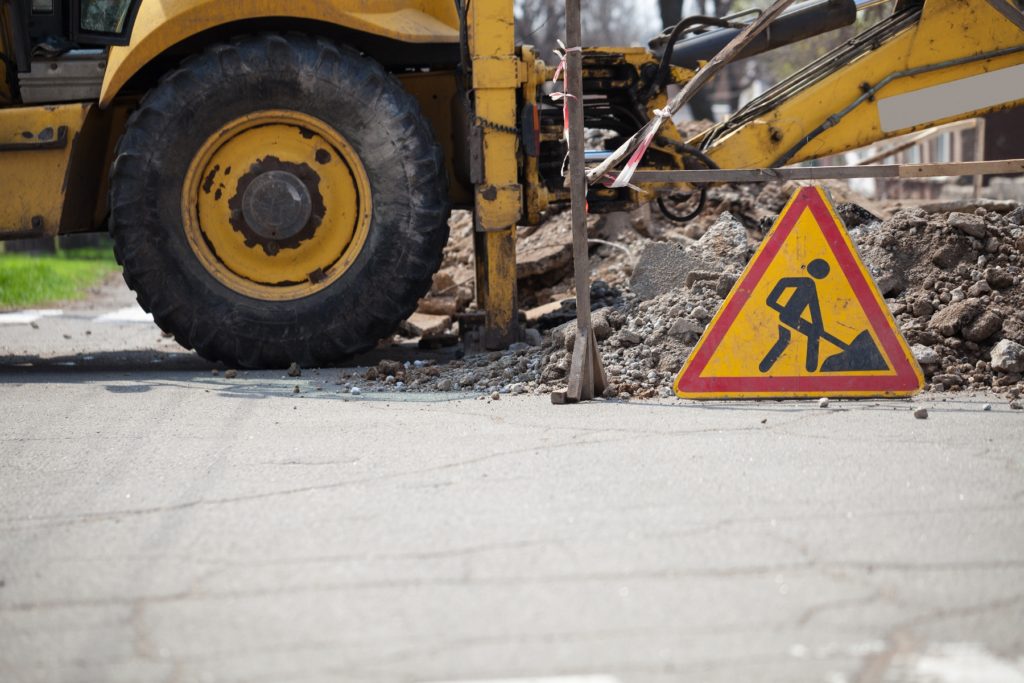
If your commercial lot looks like it has seen better days, it could very-well be time for an upgrade. Pavement upgrades can come in all different forms, depending on unique factors surrounding your lot’s condition. In some cases, concrete lots are well-suited for an asphalt overlay. But many property owners wonder if you can, in fact, pave over old concrete pavement with asphalt. The answer is, yes. However, it takes supreme skill and paving knowledge to get it done correctly. If the concrete foundation is not stable enough, an asphalt overlay will suffer the consequences.

Continue reading to learn why concrete stability is so important to an asphalt overlay project, and who to trust for premium advice regarding your pavement renovation needs.

Indianapolis Commercial Paving 317-549-1833

Stable Concrete Foundations are a Must

Although it is perfectly safe to add asphalt on top of concrete, it must be done properly to get good compaction and lasting results. Not only should it last a long time, it should look good. This is where concrete stability comes into play. Concrete is often used a base material because of its stability benefits, but this does not mean that it is always stable enough for an overlay project. If it is not, there can be a lot of negative and costly side effects.

Poor Concrete Stability

In contrast to asphalt concrete is not compacted, nor does it have to be. That is because it will harden over any surface, naturally. In fact, it is a common industry practice to lay concrete directly over unstable soil because it can bridge the stability imbalance. But overtime, if concrete is laid over an unstable base, its slabs will eventually begin to move and crack at the expansion joints.  Ultimately, what you get is a very unsightly surface filled with cracks, crevices, depressions, and heaves.

Fortunately, a professional paving company can ensure that your concrete base is stable for an asphalt overly, and that the expansion joints will not shift after installation. They accomplish this by making sure the base has an even thickness, and that the concrete has been thoroughly cleaned to ensure proper adhesion. They also properly install paving fabrics, mill portions of the concrete when necessary, and use an industry-specific adhesive material that is extra strong, and will bond the asphalt to the concrete. Lastly, a pro always uses hot-mix asphalt for overlays to get the best results.

Who to Trust for Commercial Pavement Work in Indianapolis

Call ACI Asphalt and Concrete at 317-549-1833 when you need commercial pavement repair for asphalt and concrete. Our licensed and bonded paving contractors provide pavement repair, sealcoating, road work, commercial paving, industrial paving, winter cold patching, and much more. We are the industry veterans to trust for skilled craftsmanship and competitive prices! Request a free estimate, today.
Storm Damage Pavement Repair Tips You Need to Know

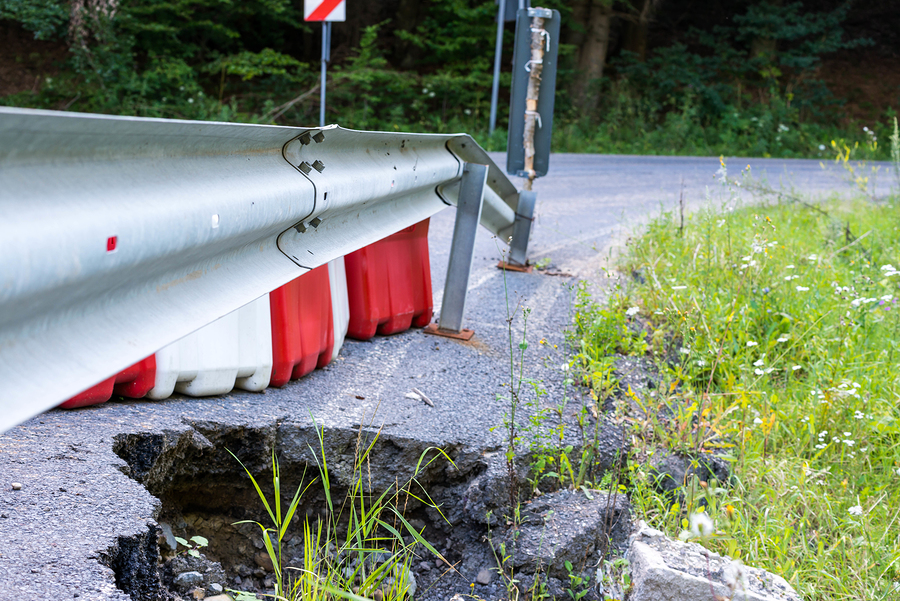
As a commercial property owner, the safety and function of your business’s paved areas are important to your overall bottom line; and in more than one way. From liability and lawsuits, to customer volume, social appeal, and more, the list goes on and on. So, after this recent hailstorm we experienced in Indianapolis, it is wise to address any pavement damages that resulted, sooner than later.

Continue reading to learn what you need to know about storm damage pavement repair, including how to perform an inspection, and who to call for trusted commercial paving work.

Storm Damage Pavement Repair Indianapolis
Storm Damage Pavement Repair 317-549-1833

Perform a Pavement Inspection

After a harsh storm passes, and the weather calms down, always be sure to take a walk around your premises to inspect for unsafe conditions and damages. Be sure to perform this inspection during the day, when the lighting is sufficient; that way, you will have a better view of any damages. Begin with your bollard posts, curbs, steps, rails, and ramps. These areas are particular important in terms of safety and functions.

From there, you will want to turn your focus on the flat surfaces of your pavement, and look for potholes, cracking, crumbling, depressions, or heaving. Once you have a full report of all new and existing damages, you are well-equipped to contact a local commercial pavement repair company and request an on-site assessment.

What to Inspect and/or Look For After a Harsh Storm:

⇾ Bollard Posts
⇾ Culverts and Sewer Drains
⇾ Curbs
⇾ Steps
⇾ Rails
⇾ ADA Ramps
⇾ Traffic and Parking Signs
⇾ Potholes
⇾ Depressions or Concave Surfaces
⇾ Heaves or Raised Bumps
⇾ Standing Water

How to Reinforce Your Pavements to Withstand Harsh Weather

The best options for ensuring your commercial pavements remain strong and sturdy, and therefore, resistant to inclement weather, include sealcoating, routine cleaning, prompt repairs of minor damage, scheduled resealing, and timely overlays or resurfacing. See our blogs, “Important Concrete Maintenance Tips” and “Important Asphalt Maintenance Tips” to learn what you need to know about developing an effective pavement maintenance plan for your commercial property.

Where to Get Emergency Storm Damage Pavement Repair in Indianapolis

Call ACI Asphalt and Concrete Inc. at 317-549-1833 for commercial and industrial pavement repair in Indianapolis, Indiana. Our licensed and qualified paving contractors provide several Indianapolis asphalt and concrete paving services, including pavement repair, sealcoating, road work, commercial paving, industrial paving, winter cold patching, and more. We are the industry veterans to trust for skilled craftsmanship and competitive prices! Request a free estimate, today.
What You Need to Know About Culvert Pavement Repair

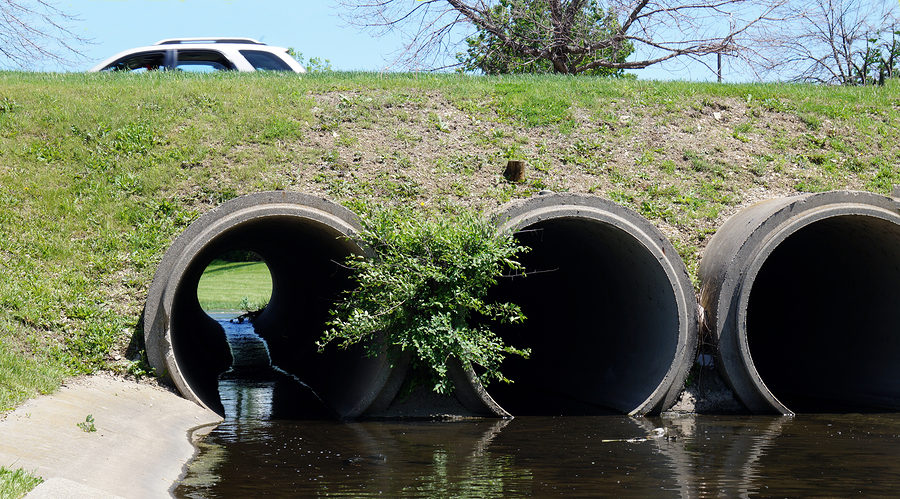
Culverts are trenches or sewer conduits that cross beneath paved groundwork, such as streets, sidewalks, parking lots, and railroads. They are designed to divert water runoff below paved surfaces, and transport it to a local reservoir or basin. In addition to water runoff diversion and architectural land planning, culverts serve the important purpose of providing bridge-like support for vehicular and pedestrian traffic.

Because culverts serve an array of important purposes, both functionally and environmentally, it is important to keep them in optimal condition. As a commercial property owner, it is encouraged to have culvert damage repaired in a timely manner as to avoid larger, more invasive and expensive pavement work down the line.

Continue reading to learn more about culvert pavement repair, as well as, how to obtain a free bid for commercial pavement work near you.

Indianapolis Commercial Paving 317-549-1833

Culvert Pavement Repair

Frequency and intensity of both car and foot traffic, combined with the overall condition and installation of pavement, will determine how soon culvert repair should be addressed. These types of wear and tear can weaken the pavement above a culvert, making it even more important to implement comprehensive repairs to avoid additional or exponential damage; and culvert damage left unaddressed can lead to larger, costly, and more time-consuming repair work. Be sure to choose a licensed and experienced Indianapolis asphalt and concrete repair company for the most accurate and reliable culvert construction and pavement repair services.

The Process of Repairing Culvert Damage

To begin a culvert repair job, certified pavement contractors will use saw to cut the apron approach area, and then peel away the old asphalt using a skid steer. Once the asphalt and removed and the gravel is pushed to the side, the culvert pipe will most likely be exposed. If it is damaged, it will need to be replaced. If the old asphalt is raised, lifted, or bumpy, then the pipe will most likely be damaged as well and need replaced. As a side note, the old asphalt and culvert pipe can be recycled and reused!   

At this point, the base is ready to be set. Most contractors use a bed of crushed stone. Next, the culvert is positioned on top of the crushed stone, and the sides are packed in with this crushed material as well. This guarantees proper placement. When culverts are installed in dirt or poor-quality gravel-like material, it can cause future complications and needed repairs.

Once the stone bed is set and the culvert is situated and packed in, flares are installed to open up the ends of the piping. These flares permit paving contractors to pack-in the gravel and asphalt by hand, in order to taper it to the ditch line properly. They also promote better durability against weed over-growth and storm wash-outs.

When the pipe is replaced and the culvert is set up, the rest of the pavement project can continue as normal. The stone base and layers of asphalt can be applied as usual. When this kind of pavement repair job is done incorrectly, heaving and large bumps will appear.  If there were complications with the initial culvert construction, the new pavement repair job should not be affected in any way, so long as the company uses the proper equipment, tools, and procedures.

Who to Trust for Commercial Culvert Repair in Indiana

Call ACI Asphalt and Concrete at 317-549-1833 for culvert paving repair and installation services in Indianapolis, Indiana Our licensed and qualified paving contractors provide several Indianapolis asphalt and concrete paving services, including pavement repair, sealcoating, road work, commercial paving, industrial paving, winter cold patching, and more. We are the industry veterans to trust for skilled craftsmanship and competitive prices! Request a free quote, today.

Who to Contact for Pothole Repair in Indianapolis

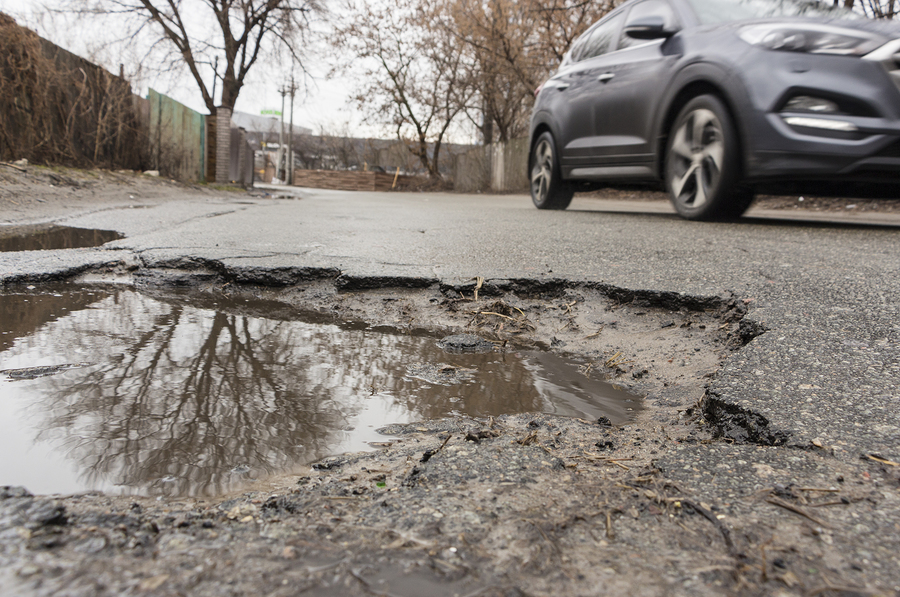
Road work is complex. Not only does it require a concentrated, scientific methodology, it also requires quality materials, skilled labor, and most importantly, professional industry acumen. If these standards are not met, pavements steadily lose quality and deteriorate over time. One common result that we all know too well is pothole formation. Potholes are a common road defect, especially this time of year when freeze-thaw cycles are taking over. When they are not patched properly, they will continue to come back, year after year. This is why commercial and industrial property owners, as well as municipal pavements, seem to always have potholes.

It is important to contact the appropriate authorities to have potholes repaired. Residential property owners and commercial companies will need to call different sources, while city potholes must be reported in a particular manner, through a specific portal. The proper authority to contact will vary depending on the location, which can make it difficult to know who to actually contact for pothole and road repair. So, for your convenience, we have compiled the information you need to know about pothole repair and management in Indiana.

Continue reading to learn who to contact for pothole repair, as well as, important information regarding winter road patching and similar pavement repair work.

Indianapolis Pothole Repair 317-549-1833

Causes of Winter Road Defects

The winter climate is hard on pavements. A natural phenomenon known as freeze-thaw cycles occurs each year, which starts with water and moisture seeping deep into the pores of pavement. As a result, pavements contract and expand repeatedly, thus creating cracks, crumbling, and similar atrophic damage. Eventually, craters form, which we know as potholes. Another leading cause of pothole formation is poor or improper pavement installation. It is vital to always hire a licensed and bonded Indianapolis commercial pavement company that retains the proper experience, skills, equipment, and materials to perform their work.

Aside from winter weather and poor craftsmanship, potholes are also commonly caused by natural wear and tear. Pavements, although can be made to last a long time, do not last forever. At some point, they will begin to show signs of deterioration, and eventually develop potholes. For this reason, it is important to address pavement defects and minor repair needs as soon as possible, before it can turn into a larger, more invasive renovation.

Pothole Repair for Asphalt

Cold patch asphalt mix is mostly used to fill potholes on a year-round basis. There are various grades, all designed for specific climates. There is a specially-formulated winter grade for temperatures of 40 degrees Fahrenheit or below, a spring and fall grade for temperatures between 40 and 60 degrees Fahrenheit, and a summer mix for temperatures between 60 and 80 degrees Fahrenheit. When it comes to asphalt, the process of repairing potholes and related road damage is generally performed during spring and summer because a hot asphalt mix product is used. However, with winter cold patching, it is possible to make emergency asphalt repairs in the winter because the mix product is designed with special polymers that render it ready-to-use at all times.

City Potholes

There are various types of pothole repair methods used in the pavement construction industry, both semi-permanent and temporary versions. One of the most popular techniques used to repair potholes for the city is the “throw and roll” method. This is a temporary fix that basically involves patching the hole with the right material, and then letting traffic drive over it to finish the job. This is the quickest and easiest technique for repairing a pothole on a short-term basis. As a result, potholes tend to come back, and worse than before.

3 Ways to Report City Potholes:

RequestIndy

Requestindy is a local online portal that allows users to make new requests, check status updates, watch help videos, and more. There is also a RequestIndy Mobile for smartphones.

Mayor’s Action Center

The Mayor’s Action Center is an online portal that allows you to get free information, provide citizen feedback, and request city services like pothole repair. Users can also report everything from missed trash collections and abandoned vehicles to defective traffic signals, zoning violations, and more. You can also contact them directly at 1-855-463-6848 or 1-317-327-4MAC.

Indiana Department of Transportation (INDOT)

For highways and interstates, pothole and road damage repair requests are filed through the Indiana Department of Transportation (INDOT). You can make free requests or reports concerns, 24 hours a day and 7 days a week on their website, or you can contact them directly at 1-855-INDOT4U (463-6848).

🔎 Indianapolis Pothole Locator:
Use the Indy Pothole Viewer to find potholes near you!

Pothole Prevention

Proper installation and drainage are key factors to pothole prevention. It is important to entrust your pavement’s installation and maintenance needs to a licensed and insured paving company that has extensive local experience. Furthermore, routine maintenance and cleaning are vital to pavement durability, longevity, and performance.

Who to Trust for Commercial Pothole Repair in Central Indiana

Call ACI Asphalt and Concrete at 317-549-1833 for commercial pothole repair and winter cold patching service in Indianapolis, Indiana and its surrounding counties. Our team of licensed and insured contractors provide a wide range of asphalt and concrete paving services for commercial, industrial, and municipal properties. Don’t choose a rookie concrete company! Instead, trust our licensed commercial pavers to meet all your pavement needs. Request a free estimate, today!

Should You Replace Moldy Concrete Pavement?

A common problem concrete poses is mold. Since concrete is a porous, water can enter inside its numerous nooks and crannies, making for a perfect mold growing environment. Often times, this happens to concrete that is exposed to prolonged moist weather conditions, or concrete in damp and shady areas. Moldy concrete is not only unappealing, it is a health hazard that should be addresses right away. Many property owners want to know if mold on concrete is reversible, or if they must replace their concrete foundations altogether.

Continue reading to learn more about concrete mold abatement and remediation, including who to call for trusted concrete repair service near you.

Indiana Commercial Paving
Indiana Commercial Paving 317-549-1833

Concrete Mold Removal

If you are a commercial property owner or manager, the exterior appearance of your building or complex is important. Not only does a well-groomed commercial property appeal more to customers, it protects against property value deduction and investment loss. One of the most critical areas of a commercial property is its parking lots and walkways. If your business makes it inconvenient for customers or guests to drive, park, or walk, then it is in poor condition. Concrete should be well-maintained and protected in order to sustain a safe, liability-free property. This includes mold removal.

How to Remove Mold on Concrete

There are do-it-yourself methods for removing mold from concrete, however, the process is time-consuming and requires a lot of manual effort. If you have an in-house janitorial or maintenance staff, then this might be the perfect assignment for them, but if you do not, you may want to hire professional pavement cleaning services instead. Unless you have a small area that needs cleaned, concrete mold removal is a big job.

The process involves using a store-bought or homemade (bleach and water) mold remover cleanser, and then applying the cleanser liberally to the affected areas. Once the solution is applied, it is instructed to allow the solution to sit for several minutes before scrubbing away the mold vigorously with a heavy-duty contractor broom. And you must always finish each time with a thorough rinse. The process must also be repeated several times over to completely remove all traces of mold. The number of times it must be repeated depends on the severity of damage and extent of growth.

Once you have cleaned the concrete, it is time to call a professional Indianapolis paving company for concrete sealcoating services. This will help prevent further damage to concrete and slow the rate of deterioration. Without a proper sealcoat, you can expect to scrub mold from your concrete every year. Read our blog, “Frequently Asked Questions about Sealcoating” to learn more about sealcoating.

Commercial Concrete Paving for Central Indiana

Call ACI Asphalt and Concrete at 317-549-1833 when you need commercial pavement repair for asphalt and concrete. Our licensed and bonded paving contractors provide pavement repair, sealcoating, road work, commercial paving, industrial paving, winter cold patching, and much more. We are the industry veterans to trust for skilled craftsmanship and competitive prices! Request a free estimate, today.
Top Commercial Pavement Priorities for 2020

Now that the year is coming to an end, it is an opportune time to collect your thoughts and organize your priorities for the new year. As a business or commercial real estate owner, this task couldn’t be more important when it comes to routine pavement maintenance and repair. Continue reading to learn how to develop the best pavement management plan for 2020!

Commercial Paving 317-549-1833

Pavement Maintenance and Repair

Your commercial pavements are more than just assets and aesthetics; they are also a liability if neglected in a way that poses harm to the surrounding public. For these reasons, it is vital to maintain good-looking, well-performing, and hazard-free pavements. This includes parking lots, curbs, ramps, sidewalks, terraces, Ballard posts, and more. Not only does well-maintained pavement increase curb appeal, and therefore, real estate value, it also provides a safe and functional method of pedestrian and vehicular traffic.

In addition to maintaining pavements routinely, it is equivalently vital to have new pavements installed properly by a licensed and experienced Indianapolis pavement company. Improper pavement installation will always turn into a disaster down the line, creating all sorts of hazards and costly set-backs for property owners and those who use the pavements.

Here is what to look for before getting started on your new year commercial pavement management plan:

    ☑ Cracks
    ☑ Crumbling Pavement
    ☑ Cracked or Crumbling Curbs
    ☑ Depressions or Heaves
    ☑ Broken or Cracked Ballard Posts
    ☑ Cracked Ramps
    ☑ Uneven Stairs
    ☑ Crumbling Stairs
    ☑ Loose Gravel
    ☑ Water Retention and Puddling
    ☑ Unlevel Sidewalks or Pavements
    ☑ Faded Paint or Markings
    ☑ Obstructed Traffic or Parking Signs
    ☑ Oil Stains

Ideal Pavement Maintenance Plan

The best plan you can develop for your commercial pavements will include these 4 points:

Routine Inspections – Always have your eyes on your pavements. Be on the lookout for the defects listed above, as well as any other potential hazards or problems. It is important to have your pavements professionally inspected at least once per year, but better to have them inspected seasonally.

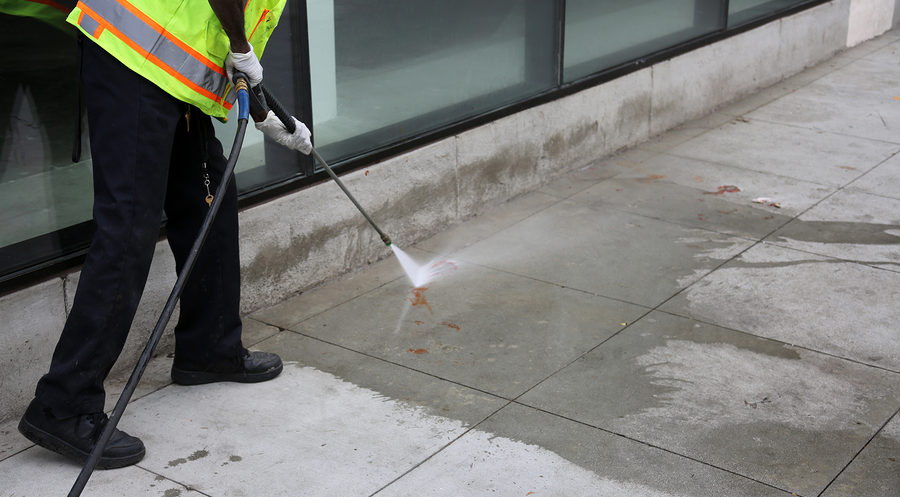
Daily Cleaning – Your pavements should have a daily, weekly, monthly, and quarterly cleaning schedule. You can appoint an in-house custodial staff or outsource the work from another company. Cleaning involves sweeping, debris removal, pressure washing, and more.

Minor Repairs and Re-Painting – When a defect occurs, it is vital to repair it right away before it can get worse. Pavement maintenance should always include routine repairs and services, such as pothole patching and crack filling. It should also include routine painting to ensure your marks are visible.

Pavement Replacement and/or Overlays – When your pavements come to a point where they are hazardous or inefficient, it is time to have them replaced or overlaid. These services should always be performed by a licensed pavement installation company.

Get a Pro Involved

Asphalt and concrete pavements are different, and therefore require a separate set of routine maintenance plans. It is best to discuss your pavement management needs with a licensed paving contractor who can give you personalized advice and guidance based on your individual property.

Commercial Pavement Repair in Indianapolis

Call ACI Asphalt and Concrete at 317-549-1833 for commercial pavement repair and service in Indianapolis, Indiana. Our team of licensed and insured pavers provide a wide range of asphalt and concrete paving services for all commercial and municipal properties in Central Indiana and its surrounding areas. Request a free estimate, today.
How Will Snow Affect My Pavements?

The snow is already here in Indiana. Did you prepare your sidewalks, driveways, and parking lots properly? If not, you will likely begin to see the minor and major affects winter weather can have on our pavements. Not sure if this warning applies to you? Continue reading to learn how snow, ice, and cold temperatures can impact the overall quality and condition of your asphalt and concrete pavements.

Commercial Pavement Repair
Commercial Pavement Repair 317-549-1833

Freeze Thaw Damages

Both asphalt and concrete are susceptible to freeze thaw damages under certain conditions. Concrete is a naturally porous pavement, which means water can permeate within its surface. When this happens in the winter, the water eventually freezes, causing the concrete to expand. When temperatures begin to rise in spring, the water melts within concrete, causing it to contract. This expansion and contraction process is known as freeze thaw cycles, and the damages they cause to pavements are wide ranging.

Although asphalt is not porous, without proper and routine sealcoating, moisture can seep inside and cause freeze thaw damage. The signs of freeze thaw damage on pavements will not really be evident until the snow melts. Sometimes, Indiana can experience snow all the way until spring. The most common effects of freeze thaw cycles on pavement include faded paint, potholes, cracks, alligator cracking, depressions, heaving, and more.

De-Icers

Another common winter threat to our pavements are also a widely-useful tool against slippery, wet surfaces. We are talking about de-icers. When using large amounts over a long period of time on concrete, deicers can cause pavement to deteriorate. Salt is harmful to concrete pavement because it is acidic, and acid can break down the bonds within concrete, leading to crumbling, cracks, and more. Furthermore, concrete pavement freezes faster than other pavements, which often leads to using more deicer. Also, concrete bridges and overpasses are generally constructed with steel; and overtime, steel corrodes from salt.

When it comes to asphalt pavements, deicers are fortunately not so harmful. Asphalt is not affected by deicers because of the way it is engineered. Hot-mix asphalt is contains customized proportions of aggregates like stone, sand, and petroleum, which enables it to withstand the regional environment it was mixed for.

Talk to a Skilled Indianapolis Pavement Contractor

Call ACI Asphalt and Concrete at 317-549-1833 for commercial pavement repair and service in Indianapolis and its surrounding areas. Our licensed and qualified paving contractors provide a wide range of asphalt and concrete pavement repair and installation services at the most competitive prices in town, including crack filling, overlays, resurfacing, and sealcoating. Request a free estimate, today!

How to Remove Mold on Concrete Pavement

Water stops and other moisture barriers are commonly installed beneath concrete foundations; however, these can wear out and deteriorate over time. They can also become defective or break under extreme conditions. In the case that water and moisture seeps into the foundation of concrete walls or floors, there is a chance that mildew growth can occur. No one wants mold growth anywhere on their properties, so when it becomes apparent, immediate action is required. Stopping mold growth in its tracks can greatly reduce the need for costly repairs, restorations, and reconstruction.

Continue reading and learn how to remove mold and mildew from concrete floors, walls, and other surfaces.

Indianapolis Commercial Paving
Indianapolis Commercial Paving 317-549-1833

Eliminating Mold on Concrete

The process of cleaning mold off concrete is fairly straight-forward an easy; however, it does require some initial grunt work. Be prepared to sweat a little when it’s time to scrub mold and mildew out of concrete. It doesn’t require a lot of tools either; simply locate a hard-bristled scrubbing brush, household bleach, clean water, and protective cleaning gloves. Combine the bleach and cold water (1 part bleach to 4 parts water) and liberally apply the solution to the affected area. Once the area is saturated, use the scrubbing brush to powerfully brush and rub out the mold from the concrete.

Once you have finished scrubbing in this solution, allow it to set it for a few hours; longer if the mold is extensive. Finish with a thorough rinse using fresh clean water. Use room-temperature or cold water so to not promote future mold growth. Heat, moisture, and shade is all it takes for mold and fungus to form. It is best to use a power washer to rinse the bleach solution away because the pressure of the water works well to thoroughly rinse away the remaining particles.

If you prefer to not handle bleach or concoct your own solution, you can choose to purchase a store-brand mold-killing detergent. Although store-bought, they provide the same results and require the same steps. For severe cases of mold, it is best to outsource professional decorative concrete contractors for industry-safe mold removal services. It is not safe to appoint an in-house janitorial staff to clean a mold problem.

Mold and mildew removal requires professional equipment, specialized training, and comprehensive procedures. This includes inspections, clean up and removal, hygienic maintenance, testing, insurance, and more. You don’t want to put your investment at risk, but more importantly, you do not want to put anyone’s health at risk. Proper mold removal is vital to protect property value, safety, and appeal.

Concrete Restoration and Replacement

In some cases, concrete is too damaged by mold and mildew growth. When this happens, the best course of action is to have your concrete pavements replaced with new concrete. Be sure to choose a qualified and licensed commercial paving company to provide trusted concrete overlays and repair services you can afford.

Commercial Concrete Repair and Replacement

Call ACI Asphalt and Concrete at 317-549-1833 for licensed, bonded, and insured concrete repair and replacement services in Indianapolis, Indiana. We offer a wide range of asphalt and concrete paving services for commercial and industrial properties, at the most competitive prices in town, including inspections, installation, replacement, repair, and more. Request a free quote, today.