The Basic Differences between Conventional and Airless Asphalt Striping Machines

In the world of asphalt pavement, there are two primary types of striping machines used to create those white and yellow lines in the road we see and depend on every single day. These two striping machines are separated from one other based on the use of air. One option is called a conventional paint striping machine, and the other is called an airless paint striping machine. There are some basic, but notable, differences between the two most commonly used striping machines in the pavement industry.

Continue reading to learn these differences, and a little more about the devices behind the stripes, lines, and commands on the roads and parking lots in your town.

Indianapolis Road Striping and Paving
Indianapolis Road Striping and Paving 317-549-1833

Conventional Paint Striping

A conventional striping device uses air and comes equipped with a 7-gallon paint pot that seals and opens, as well as, a small engine and air compressor. The air compressor is an important component that plays a major role in the machines function. In fact, it feeds air to 4 different places: the sealed paint pot, the gun, a small can that holds a paint thinner, and 2 hoses that connect to the rear of the machine. Let’s take a closer look at these four areas.

When air is fed to the paint pot, it forces the paint to travel downward and out of the can, and then into a hose that leads to the primary spray gun. As air is fed into the primary gun, it transforms the paint into a spray, allowing large-scale, uniform application. If air is not introduced to the paint, it would simply drip or squirt out of the gun.

Air is also introduced to a small container that primarily holds paint thinner, but can also house water instead, depending on the type of paint (latex or oil-based) you are using. This is used to clean the gun tip during the application process. After spraying for an extended period of time, you can open the valve for a second or two to send the paint thinner (or water) through a separate hose and directly to the gun tip. This, of course, prevents build-up and blockages.

As mentioned before, the fourth area that air is fed to inside a pavement striping machine are the two hoses that attach to the back. One hose is for paint, while the other is for air. The hose that carries the paint does not supply the primary gun, but rather, a second gun used for stenciling and other paint applications. The air in the other hose allows the paint to spray properly. When it comes to conventional striping machines, it is important to know they require two separate spray guns: one for oil-based paint and one for latex paint.

Airless Striping Machines

Unlike the conventional machines, airless paint striping machines do not use air. Instead, they come equipped with openings in the gun tips that are specially-designed to promote a “spray-like” dispersion. You can get a better idea of this concept by thinking about a garden hose. When a hose is on, you can place your fingers on top of the opening to change the way the water comes out. By simply reducing the size of the hose’s opening, you can alter the speed, force, and spread of the water.

The same idea apples to the openings on airless striping machines. The holes, or openings, in the tip of the paint gun are designed to be very tiny and uniquely shaped in order to achieve spray-like paint dispersal and application. Since these machines do not come with a paint pot, they are much lighter in weight. Many people prefer the airless machines since they simply come with one hose, one motor, one engine, and one pump.

Indianapolis Line Striping Road Marking Services

Call ACI Asphalt and Concrete at 317-549-1833 for professional line striping and road marking services in Indianapolis, Indiana. Our licensed road construction contractors provide a wide range of asphalt and concrete work for commercial and industrial properties, including inspections, installation, replacement, repair, and more. We also offer free estimates and consultations, flexible scheduling, references upon request, and more. Best of all, our work is backed by our 100% Satisfaction Guarantee, so you can rest assure that your investment is sound. Request a free quote, today.

Choose ACI Asphalt and Concrete for Parking Lot Repair in Indianapolis You Can Afford!

As a business owner, you understand the value in maintaining optimal safety conditions and appearances for your commercial property. One of the most important areas to maintain is your parking lot. A crumbling, uneven, faded parking looks unprofessional. It can also cause safety and water drainage issues. Unfortunately, these pavement problems and parking lot conditions can lower customer satisfaction, and even influence potential customer’s decision on entering your premises or using your services.

Professionalism comes in many forms, and the appearance of your commercial property’s parking lot is one of them. In many cases, business owners are desperate to have their property’s parking lots repaired or repaved, but fear they cannot afford the service. This is where they are wrong!

ACI Asphalt and Concrete is a professional pavement repair and installation company that provides cost-effective and affordable services for anyone’s budget!

Commercial Industrial Pavement Repair

We are True Qualified Professionals

We are a licensed, bonded, and insured paving company that specializes in asphalt and concrete pavements. We offer a wide range of pavement services for both commercial and industrial properties, including asphalt and concrete paving, pavement repair, pothole repair, pavement maintenance, winter cold patching, pavement replacement, and much more!

As a locally owned and operated company, we understand the value of a working man’s dollar. For this reason, we offer the most competitive prices for our pavement installation and repair services in town!

Now is the time to call and ask about our seasonal specials, services, and availability. Being that winter is almost here, our schedules are filling up fast. Get in touch with us soon to request a consultation to have your parking lot damages assessed, and then discuss realistic and affordable paving options that work for you. Talk to one of our friendly and knowledgeable pavers to realize you can finally repave your business’s parking lot within your budget!

Indianapolis Parking Lot Paving Services You Can Trust

Call ACI Asphalt and Concrete at 317-549-1833 to learn more about the parking lot repair and installation services we offer in Indianapolis, Indiana. Our licensed road construction contractors provide a wide range of asphalt and concrete work for commercial and industrial properties, including inspections, installation, replacement, repair, and more. We also offer free estimates and consultations, flexible scheduling, references upon request, and more. Best of all, our work is backed by our 100% Satisfaction Guarantee, so you can rest assure that your investment is sound. Request a free quote, today.

Factors to Consider When Choosing a Sealcoat

Sealcoating is an important part of asphalt installation and maintenance. Just like any asset, asphalt requires some protection and routine care to preserve its value. When it comes to choosing a sealcoat for your asphalt pavement, it is important to recognize a few factors that one should consider before making any final purchases.

Continue reading to review some common factors to consider before choosing a sealcoat for your pavement.

Indianapolis Asphalt Seal Coating 317-549-1833 Indianapolis Asphalt Seal Coating 317-549-1833
Indianapolis Asphalt Seal Coating 317-549-1833

How to Extend the Life of Your Pavement

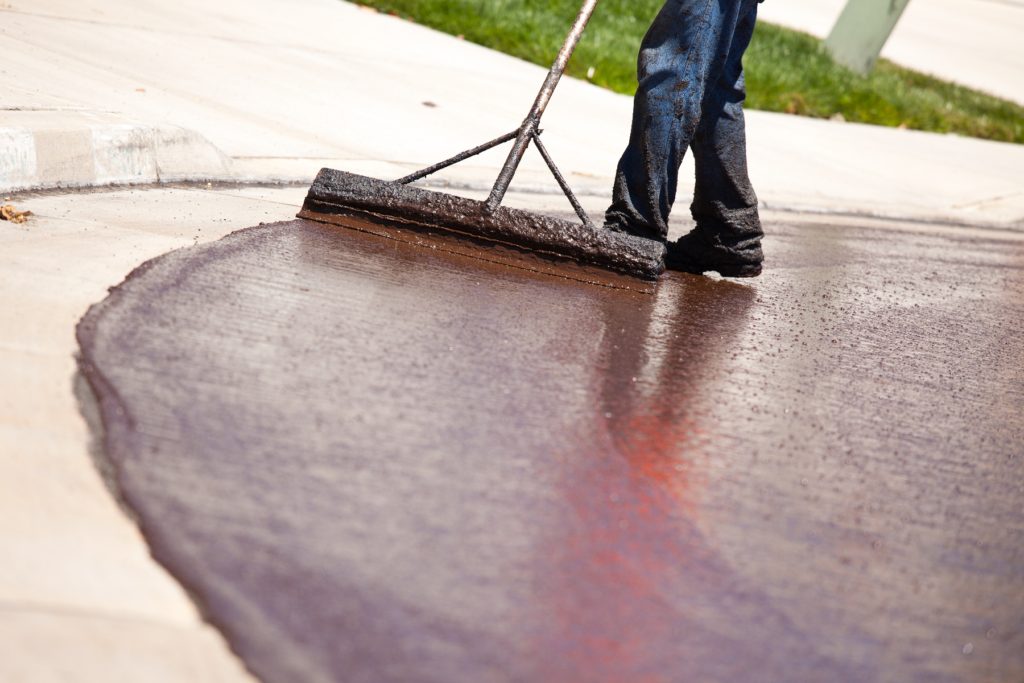
Sealcoats serve multiple purposes for asphalt pavements, primarily for protective and aesthetic reasons. They provide a protective coating on asphalt pavement, preserving its fresh black luster and preventing imperfections on its surface. It is applied by either brush or spray to seal out moisture and prevent cracking, potholes, and other general pavement damages. They are meant to last anywhere between two and four years, depending on the rate of natural wear and tear. They are best known for the uniform black appearance they give pavement, as well as, the degree of protection against moisture. This protection against moisture is the key to preventing cracking, crumbling, and pot holes.

If you are in the market for sealcoat, be sure to consider these important factors before you decide to buy one:

1. Cohesiveness
2. Adhesiveness
3. Preparation Time
4. Cure Time
5. Ease of Workability/Application
6. Elasticity
7. Weather Resistance
8. Moisture Resistance
9. Resistance to Natural Wear and Tear

It is highly recommended to consult a professional paving contractor for advice about choosing the proper sealcoat for your asphalt project. There are various circumstances that can influence the type of sealcoat you should use, and countless brands to choose from. A licensed paver can not only offer you accurate and reliable advice, they can provide the sealcoating service for you at an affordable cost!

Indianapolis Sealcoating for Commercial Pavements and Roads

Call ACI Asphalt and Concrete at 317-549-1833 for commercial sealcoating and asphalt maintenance services in Indianapolis, Indiana. Our licensed road construction contractors provide a wide range of asphalt and concrete work for commercial and industrial properties, including inspections, installation, replacement, repair, and more. We also offer free estimates and consultations, flexible scheduling, references upon request, and more. Best of all, our work is backed by our 100% Satisfaction Guarantee, so you can rest assure that your investment is sound. Request a free quote, today.

3 Types of Tar-Free Coal Seal Coats for Asphalt

Seal coats are used for a number of reasons. They not only improve the appearance of asphalt by maintaining that desirable uniform dark-black color, but they also protect pavement from oxygen, moisture, natural wear and tear, and other likely damages. Sealcoating is applied by brush or spray methods, and typically lasts anywhere from 2 to 4 years, depending on the region, climate, and other variables. Reapplication is necessary to support longevity and value in asphalt pavements. There are various forms of asphalt mix, most of which are made from emulsions and aggregate materials. Asphalt emulsions are essentially liquids that would otherwise separate without a form of additive.

Continue reading to learn three examples of common coal tar-free asphalt emulsions.

Indianapolis Asphalt Seal Coating 317-549-1833

Types of Asphalt Seal Coats

Sealcoats are safer and easier to apply when they contain water. After application, the water evaporates, the remaining binders (oils and solids) cure to a perfect uniform lawyer that effectively blocks out moisture and oxygen; two elements that are most damaging to asphalt. Here are three kinds of asphalt seal coats:

Chip Seal

This is a sealcoat asphalt emulsion that is made from 60% asphalt and 40% water. The top is finished with one or more layer of fine aggregate material. This process is often referred to as asphaltic surface treatment, and is frequently used on rural roads with lower volumes of traffic. It is a popular alternative to asphalt re-sealing, but not always the best choice for all pavements. It is primarily used to reinforce roads and make new roads more durable.

Fog Seal Emulsions

Fog seal emulsions are generally 30% binder material, and 50% or more of water. It also contains various polymers and additives to enhance the product’s performance. There are a few different types of fog seal emulsions. They include acrylic emulsions, coal tar pitch emulsions, asphalt petroleum-based emulsions, and Gilsonite® emulsions.

Slurry Sealcoat

Slurry sealcoats are asphalt emulsions that are made with aggregate materials, mineral fillers, and additives. This mixture of ingredients bonds with the pavement surface and creates a barrier against weather, moisture, and oxygen.

Commercial Pavement Installation and Repair in Indianapolis

Call ACI Asphalt and Concrete at 317-549-1833 for commercial pavement installation and repair services in Indianapolis, Indiana. Our licensed road construction contractors provide a wide range of asphalt and concrete work for commercial and industrial properties, including inspections, installation, replacement, repair, and more. We also offer free estimates and consultations, flexible scheduling, references upon request, and more. Best of all, our work is backed by our 100% Satisfaction Guarantee, so you can rest assure that your investment is sound. Request a free quote, today.

What is Recycled Asphalt Pavement?

Recycled asphalt pavement, or RAP, is a common paving material used in several applications all over the world. In lamest terms, RAP is old asphalt that has been removed and reprocessed for reuse. It is milled into gravel and mixed with other high-quality, well-graded aggregates coated by asphalt cement. When compressed, it binds back together to form new pavement. It is an effective and eco-friendly selection for driveway, parking lot, and roadway paving.

Continue reading to learn even more helpful and interesting facts about recycled asphalt pavement!

Asphalt Concrete Paving 317-549-1833

RAP Application

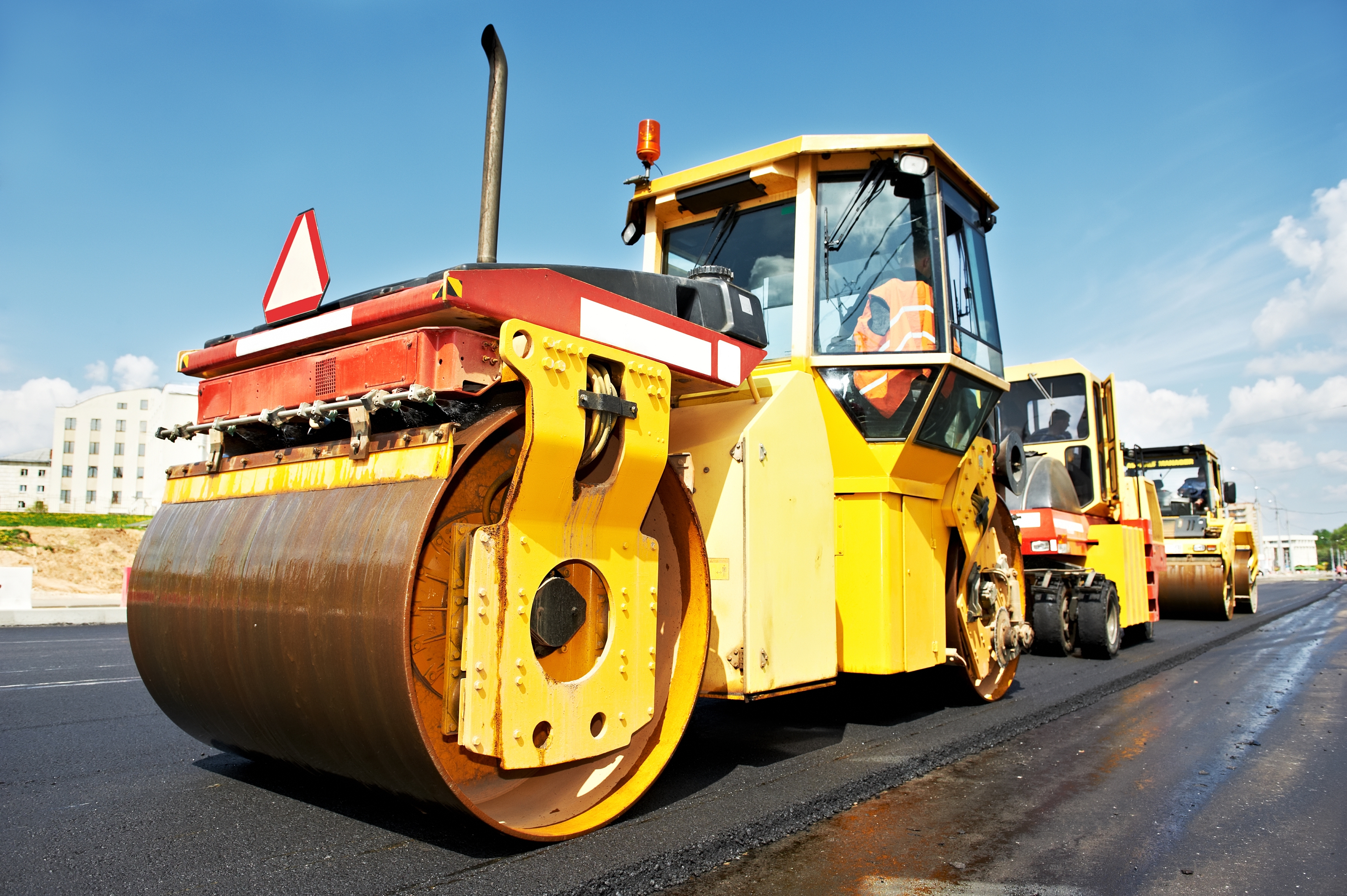
If you are familiar with the application process of standard hot mix asphalt, then you will should have no problem comprehending the application procedures for recycled asphalt pavement (RAP). This is because they are very similar to one another, in the beginning. First comes proper grading and excavation, followed by water runoff planning, debris clearing, and then tact coat application. This type of paving material is best lain with an automated paver and vibratory roller. This allows for efficient and uniform paving results and smoother finishes.

Since RAP still contains many of its natural oils, post-application is naturally finished off when the sun heats the surface, allowing the oils to bind the pavement into one, uniform surface area. This produces much less dust and leaves behind a finer finish.

Many people choose RAP over processed gravel and other paving options because it is long-lasting, cost-effective, and eco-friendly. RAP is sturdy and won’t become muddy or soupy in rain or wet weather. Also, it can make a fantastic base if you ever choose to pave over it with another asphalt material.

It is important to trust a paving professional with RAP application, as well as, any other pavement or sealcoat application. They retain the proper tools, training, and insurance to provide safe and consistent results. DIY paving projects are extremely messy, risky, and time-consuming. It is wise to trust the project to a professional in the field.

Asphalt and Concrete Paving Contractors in Indianapolis

Call ACI Asphalt and Concrete at 317-549-1833 for professional paving repair services in Indianapolis, Indiana. Our licensed road construction contractors provide a wide range of asphalt and concrete work for commercial and industrial properties, including inspections, installation, replacement, repair, and more. We also offer free estimates and consultations, flexible scheduling, references upon request, and more. Best of all, our work is backed by our 100% Satisfaction Guarantee, so you can rest assure that your investment is sound. Request a free quote, today.

Factors to Consider When Sealcoating in the Fall

Asphalt Concrete Paving 317-549-1833

Asphalt Concrete Paving 317-549-1833

Whether you plan to hire a professional service, or choose to do it yourself, sealcoating pavements is a job best completed in the fall. The weather this time of year, especially in Indiana, is the perfect climate for seal coating purposes. The low humidity and sunny days make the perfect formula for efficient and well-crafted sealcoats.

If you do plan to hire a professional company, it is wise to get a jump start on scheduling your sealcoating services. This is because fall-time is the busiest time of year for pavers. Many companies, mostly the ones that have been in business for quite some time, set cut-off dates because they cannot take on any more projects. Once winter hits, sealcoating is not an option any longer. Proper owners have no choice but to wait for early spring to come, and schedule their much-needed pavement maintenance services then.

If you are planning to seal coat your own pavement, then be sure to brush up on your pavement maintenance knowledge, as well as your inventory. Research the best sealcoats on the market and purchase all the needed supplies. Next, continue reading to learn some factors to consider before starting your fall paving project!

Temperature, Time, and Weather Factors

Indianapolis Seal Coating 317-549-1833

Indianapolis Seal Coating 317-549-1833

When it comes to seal coating on your own, be sure to review some important factors for a successful outcome. Most factors involve either temperature, time, and weather. But there are several others factors involving other focuses too. They are as follows:

Ideal hours for sealcoating projects are generally all day. Start early in the morning, as soon as the sun rises, and you should have plenty of sun and daylight to finish the job.

Ideal temperatures for effective sealcoating should be 50 degrees and rising, which means the temperatures should climb as the day progress. If it’s too cold, sealcoat cannot dry or cure properly.

If you have to seal coat in temperatures at or lower than 50 degrees, be sure the work area will receive at least three hours of sunlight for full drying and curing purposes.

Avoid seal coating in the shade. Without abundant sunlight, sealcoat cannot dry or cure effectively. If you must seal coat in the shade, be sure to apply just before the sunlight hits, so that is gets at least 2 hours of sun. In areas that never get sunlight, you will have better chances of waiting until the spring when the ground is warmer to help with drying and curing.

Avoid sealcoat projects on cloudy days. Just like in the cold and shade, sealcoat cannot dry and cure properly on a chilly sunless day. The only cloudy days you can effectively sealcoat on are higher temperature days when the warmth is enough to dry the material.

If sealcoating at night, be sure the temperatures will not get lower than 65 degrees. This means it may be too late in the season for some states. Then, wait until late morning before walking on the fresh sealcoat so that it can get some morning sun.

ACI Asphalt and Concrete Inc.

Pavement Services Indianapolis Indiana

Pavement Services Indianapolis Indiana 317-549-1833

Call ACI Asphalt and Concrete Inc. at 317-549-1833 for seal coating services in Indianapolis, Indiana. Owner, Lindsey Lewis, is happy to discuss your sealcoating needs and inquires. We offer commercial and industrial-level pavement repair, maintenance, installation, sealcoating, winter cold patching, and much more. Call 317-549-1833 for professional asphalt sealcoating in Indianapolis, IN.

Is it Better to Apply a Thicker Layer of Seal Coat?

Since summer is coming to an end shortly, and fall will be here before we know it, pavement maintenance is something to think about now. Before the inclement weather reaches our driveways, sidewalks, and parking lots, we property owners should be getting a head-start to protect our pavements so they can withstand what fall and winter has in store. This is exactly what sealcoating services are for!

Applying a sealcoat to pavement adds an extra layer of protection against harsh elements and natural wear and tear. But applying too much sealcoat can be problematic. Many people assume that a thicker layer of sealcoat is better and more protective, but professionals will refute this assumption quickly.

Continue reading to learn why it is not better to apply a thicker layer of sealcoat on asphalt and concrete pavements.

Indianapolis Asphalt Seal Coating 317-549-1833 Indianapolis Asphalt Seal Coating 317-549-1833
Indianapolis Asphalt Seal Coating 317-549-1833

Seal Coating Basics

Seal coating should be applied by trained and licensed professionals who retain the proper tools and equipment to proficiently and effectively complete the project. Licensed pavers are well-aware that a thicker layer of sealcoat does not equal more protection. Instead, it renders pavement more vulnerable than before.

Here’s why:

☑ Thick Seal Coats Do Not Cure Evenly

☑ Thick Seal Coats are More Prone to Surface Cracks

☑ Thick Seal Coats Take a Long Time to Cure-Increasing Project Schedule and Labor

☑ Thick Seal Coats Cause Degradation and Decrease Lifespan of Sealer

☑ Thick Seal Coats are Prone to Tracking

☑ Thick Seal Coats are Prone to Peeling

Over-Sealed Pavement

When pavement, such as asphalt driveways, have been over-sealed, you can see the signs. For one, it will look extremely flat and smooth, and will not have any visible texture. Asphalt pavement should always retain texture. Too much sealant will only make the condition of pavement worse. In order to fix an over-sealing job, pavers may have to provide an overlay or slurry sealcoat, which is not always desirable. It is best to simply wait a few years until the pavement needs resealed or replaced. Just remember, when it comes to sealcoating, more is definitely not better!

Trusted Indianapolis Commercial Sealcoating Services

Call ACI Asphalt and Concrete at 317-549-1833 for professional pavement sealcoating services in Indianapolis, Indiana. Our licensed road construction contractors provide a wide range of asphalt and concrete work for commercial and industrial properties, including inspections, installation, replacement, repair, and more. We also offer free estimates and consultations, flexible scheduling, references upon request, and more. Best of all, our work is backed by our 100% Satisfaction Guarantee, so you can rest assure that your investment is sound. Request a free quote, today.

Coal Tar-Based Seal Coats Versus Asphalt-Based Seal Coats

In the paving industry, there has been a long-term debate regarding the pros and cons of both coal tar and asphalt seal coats. And anyone that works in the industry is either for one way or the other, having a strong opinion and preference about each. Although coal tar was used prior to World War II, asphalt-based seal coats were an innovative and exciting addition to the paving industry in the 1980’s.

Continue reading to learn more about these two types of seal coating materials, as well as, the pros and cons of of each.

Indianapolis Asphalt Seal Coating 317-549-1833

Coal Tar Seal Coats

As mentioned, coal tar-based seal coats were used prior to World War II, and have been the customary seal coat for asphalt pavements east of the Rocky Mountains for many years. But in the recent years, many states and municipalities have banned the use and sale of coal tar seal coats for environmental and health reasons. Such states include Washington, Illinois, New York, Minnesota, Maryland, Washington State, The District of Columbia, and Austen Texas. The reason for such bans has to do with coal tar seal coat toxicity. It contains 20 to 30 percent coal tar pitch, which is a steel manufacturing by-product made of 50% polycyclic aromatic hydrocarbons (PAHs), which are harmful to humans and the environment. In fact, it is considered a human carcinogen.

Although there are drawbacks to coal tar emulsions, there are a few strong points worth mentioning as well. Coal tar seal coating is highly durable and the application process is easy. It’s also oil and fuel resistant. It is said that the application of coal tar seal coating has to be precise in order to prevent harming the environment and jeopardizing human health; but everyone has their own opinions about this!

Asphalt Seal Coats

Many in the industry look to asphalt-based seal coats as an alternative to the off-putting coal tar based materials. It is a byproduct of petroleum refining and provides a deep, rich black topcoat color. They are much better for the environment because they do not emit harmful volatile organic compounds (VOC’s). This makes this a great alternative to coal tar emulsions. It is also easy to install and less prone to cracking. A few downfalls to asphalt-based sealcoats include their vulnerability to fuel and oil. Unlike coal tar sealcoats, asphalt-based sealers are less resistant to oil, gasoline, and more.

Indianapolis Commercial Paving and Sealcoating Services

Call ACI Asphalt and Concrete at 317-549-1833 for commercial pavement repair and sealcoating service in Indianapolis, Indiana. Our licensed road construction contractors provide a wide range of asphalt and concrete work for commercial and industrial properties, including inspections, installation, replacement, repair, and more. We also offer free estimates and consultations, flexible scheduling, references upon request, and more. Best of all, our work is backed by our 100% Satisfaction Guarantee, so you can rest assure that your investment is sound. Request a free quote, today.

Tips for Planning a Parking Lot Expansion

Parking lot expansion is a common pavement installation undertaking for commercial properties that need more parking space. Also, the addition of new equipment, inventory increases, and vehicles can be plenty reason enough to expand a parking lot as well. Regardless of why you wish or need to expand a commercial or industrial parking lot, it is important to be well-informed of the basics to parking lot expansion ahead of time, and to learn what to expect from your commercial pavers.

Continue reading for a few simple tips for planning a parking lot expansion.

Parking Lot Paving Services 317-549-1833

Parking Lot Installation Basics

Whether you have an asphalt or concrete parking lot, additional parking lot installation and expansion is possible. However, there are a few things to consider before moving forward with parking lot installation or expansion project. With these simple tips in mind, you can better make an informed decision you can rely on.

Here are 3 important tips when planning to expand your parking lot:

❶ Be Aware of Your Parking Lot Pavement Needs

It is important to be informed of all your parking lot’s individual needs. This means discussing drainage, preventative maintenance, seal coating, and more. Ask your paving contractor how new asphalt or concrete is added to expand a parking lot, as well as, how they plan to incorporate the proper drainage solutions for the added surface area. If your current lot has issues, it is wise to discuss those issues with your contractor and have them resolved before new pavement is installed. Find out what all your parking lot needs are with your contractor before signing on the dotted line.

❷ Outsource Professional Pavement Installation

For the most professional parking lot expansion, you will need to hire a well-qualified pavement company. This means they should be licensed, bonded, and insured, with several years of experience. Ask about their equipment and whether or not their employees are certified and pre-screened. All of these and more are indications that they are a well-established and trusted paving company in the local community. You can also look for client reviews online and ask to see completed parking lot jobs they’ve done in the past to see what their skill levels look like.

❸ Learn About Parking Lot Maintenance

Anyone can have a new parking addition added to their existing lot, but the key is to maintain it for as long as possible! If you are investing in a new or expanded parking lot, it is strongly encouraged to learn proper and effective parking lot maintenance. Routine care for parking lots is vital in order to extend the life of your pavement and reduce the need for future repairs. This includes daily sweeping, staying on top of cracks and pothole repairs, and opting for a quality seal coat. Ask your paving contractor for details about parking lot maintenance and care.

Parking Lot Repair and Paving Professionals in Indianapolis

Call ACI Asphalt and Concrete at 317-549-1833 for parking lot repair and installation services in Indianapolis, Indiana. Our licensed road construction contractors provide a wide range of asphalt and concrete work for commercial and industrial properties, including inspections, installation, replacement, repair, and more. We also offer free estimates and consultations, flexible scheduling, references upon request, and more. Best of all, our work is backed by our 100% Satisfaction Guarantee, so you can rest assure that your investment is sound. Request a free quote, today.

The Difference Between Hot Asphalt and Warm Asphalt Mix

Asphalt is a highly-beneficial paving material that can be used in various applications within the construction industry. There are several types of asphalt mixes, including hot mix asphalt (HMA), warm mix asphalt (WMA), cold mix asphalt, cut-back asphalt concrete, mastic asphalt concrete, and variations of them all. By customizing aggregate material composition, binders, and more, contractors can achieve the proper asphalt pavement mix needed for the job. In this blog, we will discuss the principle differences between the two most popular forms of asphalt: HMA and WMA.

Continue reading to learn more about hot mix asphalt and warm mix asphalt, and what makes them so different.

Commercial & Industrial Paving Contractors
Asphalt Concrete Paving 317-549-1833

Hot Mix Asphalt

Hot mix asphalt is just that: hot. It is poured at a high temperature of 300 to 350 degrees Fahrenheit, and is only applied when outdoor temperatures exceed 40 degrees Fahrenheit because it cools so rapidly. In the United States, it is the most common method of asphalt paving used for high-traffic pavements like highways, roads, interstates, and more. This is largely due to its advantageous qualities. Hot mix asphalt is water and weather resistant, flexible, and environmentally-friendly. Interesting uses for HMA includes environmental liners for places like reservoirs, landfills, and fish hatchery ponds.

Warm Mix Asphalt

Warm mix asphalt is manufactured and shipped at lower temperatures, usually between 200 and 250 degrees Fahrenheit, and it has a slower cooling rate than HMA. This means it can be used in colder seasons or climates for road, highway, and interstate construction. For the same reason, it can be shipped long distances as well. WMA is used in roughly 30 percent of paving projects around the country because of its slow cooling rate, versatility, environmental benefits, and health benefits for workers. Since WMA is poured at lower temperatures, it reduces the amount of dust, smoke, and fumes created when applying HMA. This is safer for workers as well as the surrounding environment. It is also a wise choice for paving in tunnels, especially on a poor air quality day!

Indianapolis Asphalt and Concrete Paving Services

Call ACI Asphalt and Concrete at 317-549-1833 for commercial asphalt paving in Indianapolis, Indiana. Our licensed road construction contractors provide a wide range of asphalt and concrete work for commercial and industrial properties, including inspections, installation, replacement, repair, and more. We also offer free estimates and consultations, flexible scheduling, references upon request, and more. Best of all, our work is backed by our 100% Satisfaction Guarantee, so you can rest assure that your investment is sound. Request a free quote, today.