How to Decrease Stormwater Runoff on Commercial Pavements

Stormwater runoff is a major environmental challenge in urban and suburban settings. As more land is covered with impermeable surfaces like asphalt and concrete, the natural water cycle is disrupted. For commercial properties, managing stormwater is not just about environmental responsibility—it’s also about compliance, cost savings, and long-term durability.

In this blog, we’ll explore effective strategies to reduce stormwater runoff on commercial pavements, offering actionable insights for property managers, contractors, and business owners.

Call 317-549-1833 For Commercial Pavement Drainage Systems in Indianapolis

Why Is Stormwater Runoff a Problem?

Stormwater runoff occurs when rainwater flows over paved surfaces and cannot soak into the ground. Instead, it collects pollutants—oil, debris, chemicals—and carries them into storm drains, rivers, and lakes.

Environmental and Structural Impacts:

  • Water Pollution: Contaminants from parking lots and driveways enter natural waterways.
  • Flooding: Heavy runoff can overwhelm storm sewer systems.
  • Erosion: Concentrated flows damage landscaping and infrastructure.
  • Regulatory Fines: Non-compliance with stormwater regulations can lead to penalties.

For commercial properties, managing runoff is essential for meeting environmental codes and maintaining the integrity of pavements over time.

Effective Ways to Decrease Stormwater Runoff on Commercial Pavements

There are several proven methods to reduce and manage stormwater runoff. These strategies fall into three key categories: permeable materials, green infrastructure, and smart design.

1. Use Permeable Pavement Solutions

One of the most effective ways to address runoff is to replace traditional impervious surfaces with permeable pavements that allow water to infiltrate through the surface.

Common Permeable Pavement Options:

  • Permeable Asphalt: A specially designed asphalt mix with open-grade aggregates to allow infiltration.
  • Pervious Concrete: Concrete with reduced fine aggregates, increasing void space for water passage.
  • Interlocking Pavers: Modular units with gaps or joints filled with aggregate for permeability.
  • Plastic Grid Systems: Reinforced turf or gravel systems ideal for overflow parking and emergency access roads.

Benefits of Permeable Pavement:

  • Reduces runoff volume and velocity
  • Recharges groundwater
  • Filters pollutants before water reaches the storm drain
  • Enhances site aesthetics

Learn More About Permeable Pavements

2. Install Green Infrastructure Features

Green infrastructure mimics natural hydrology by absorbing and filtering rainwater at the source.

Best Green Infrastructure Options for Commercial Spaces:

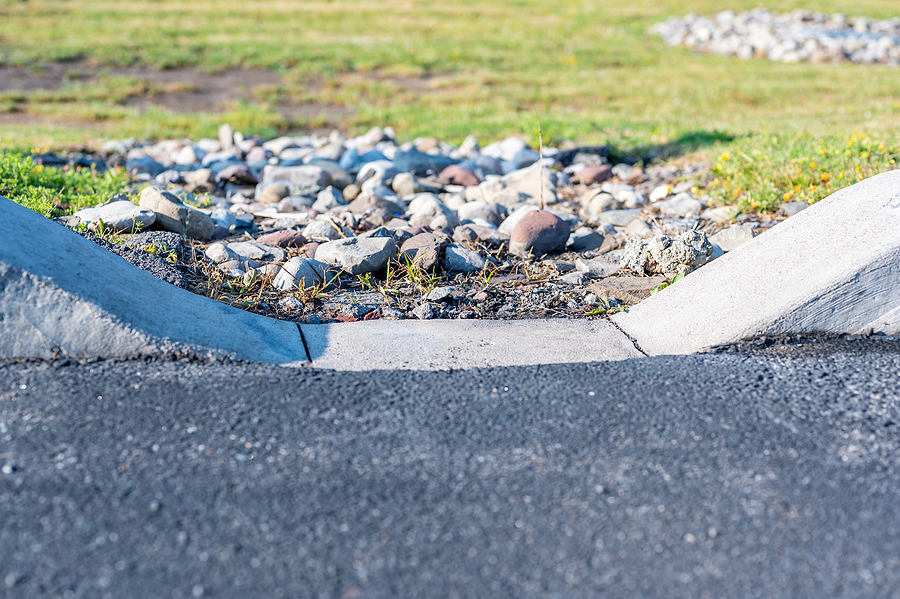
  • Rain Gardens: Shallow, vegetated basins designed to absorb runoff from surrounding pavement.
  • Bioswales: Landscaped, sloped channels that slow and filter stormwater through soil and vegetation.
  • Green Roofs: Vegetated rooftop systems that absorb rainfall and reduce heat island effects.
  • Tree Trenches: Linear systems of trees planted along parking lot perimeters to intercept rainwater.

Key Advantages:

  • Improves site biodiversity and curb appeal
  • Reduces urban heat
  • Can be integrated with zoning incentives in some municipalities

3. Design Smart Drainage Systems

Even with permeable solutions, efficient drainage design is critical to control the flow and direction of stormwater.

Smart Drainage Design Tips:

  • Slope Surfaces Properly: Ensure pavement slopes direct water toward infiltration zones or bioswales.
  • Install Catch Basins: Grated inlets that collect runoff and funnel it into underground systems.
  • Use Retention and Detention Basins: Ponds that temporarily store runoff and slowly release it.
  • Incorporate Underground Storage Tanks: Subsurface systems that hold stormwater during peak events.

4. Maintain Pavement and Drainage Systems Regularly

Prevention is just as important as design. Routine maintenance ensures long-term performance of both traditional and permeable surfaces.

Key Maintenance Practices:

  • Clean Permeable Pavement: Vacuum sweep regularly to prevent clogging.
  • Inspect Drainage Inlets: Remove sediment, trash, and debris.
  • Trim Vegetation: Keep bioswales and rain gardens healthy and weed-free.
  • Check for Erosion: Repair ruts or gullies around drainage features.

Additional Tips to Reduce Stormwater Impact

For businesses with existing impervious surfaces, full replacement may not be feasible immediately. Fortunately, there are retrofit options and behavior changes that can help reduce runoff.

Low-Cost Retrofitting Ideas:

  • Install rain barrels to collect roof runoff.
  • Replace portions of concrete with gravel strips.
  • Use permeable pavers for walkways or sidewalk extensions.
  • Paint lot lines to minimize unnecessary paved areas.

Policy and Planning:

  • Work with civil engineers to develop a stormwater management plan.
  • Apply for grants or credits from local stormwater utilities.
  • Ensure compliance with MS4 (Municipal Separate Storm Sewer System) requirements.

Benefits of Reducing Stormwater Runoff

Beyond regulatory compliance, businesses stand to gain several advantages by investing in smarter stormwater management:

  • Improved Site Longevity: Reduced flooding and erosion mean longer-lasting pavements.
  • Lower Utility Costs: Reduced demand on stormwater infrastructure.
  • Enhanced Property Value: Aesthetically pleasing and eco-friendly designs attract tenants and customers.
  • Sustainability Branding: Businesses can showcase green practices to customers and stakeholders.

Conclusion

Stormwater runoff doesn’t have to be a costly, damaging problem. By integrating permeable pavements, green infrastructure, and proper drainage design, commercial property owners can create environmentally responsible and cost-effective spaces.

As climate patterns shift and regulations tighten, taking proactive steps now ensures your site is compliant, resilient, and sustainable.

Need help managing stormwater runoff in Indianapolis? ACI Asphalt and Concrete is your trusted local expert in stormwater-smart pavement solutions. Whether you’re considering permeable pavement, site retrofitting, or new construction, our team can help you design, install, and maintain commercial surfaces that protect your property and the planet.

Book Your Consultation Now

Related Post: Should I Be Worried About Standing Water on My Asphalt Lot?

Expert Concrete Repair for Commercial Properties: Durable and Cost-Effective Solutions

Concrete pavements are the foundation of commercial properties, ensuring safety, functionality, and curb appeal. However, over time, wear and tear can lead to damage. Ignoring these damages can result in costly repairs, potential liabilities, and unhappy customers or tenants. With proper maintenance and timely repairs, you can extend the lifespan of your pavement while enhancing your property’s value and safety.

This guide explores the essentials of concrete repair for commercial properties, from identifying damage types to choosing repair methods, preventative maintenance, and complying with regulations. Whether you’re a property owner or manager, this comprehensive guide will help you make informed decisions and keep your pavements in excellent condition.

Call 317-549-1833 For Commercial Concrete Repair in Indianapolis Indiana

Identifying Common Types of Concrete Damage

Before jumping into repairs, it’s important to first identify the type and severity of damage. Here are some common issues:

Cracks

Cracks are the most common type of damage and occur due to weather fluctuations, heavy loads, or poor installation. Left unaddressed, they can worsen over time.

Potholes

These are large depressions caused by water infiltration and repeated traffic. Potholes can damage vehicles and create safety hazards.

Uneven Surfaces

Often caused by shifting soil or improper installation, uneven surfaces pose trip-and-fall risks for pedestrians.

Spalling

This refers to the surface of the concrete breaking away, creating a rough and unattractive appearance that can lead to further deterioration.

By regularly inspecting your pavements, you can identify these issues early and take prompt action.

Step-by-Step Guide to Repairing Concrete Pavement

Understanding the right surface repair methods can save both time and money. Below are proven techniques for commercial pavement repair:

  1. Patching – Patching is ideal for repairing small cracks and potholes. It involves filling the damaged areas with concrete or asphalt mix to restore surface integrity.
  2. Overlays – For extensive surface damage, overlays involve adding a new layer of concrete over the existing pavement.
  3. Crack Sealing – Sealing cracks with a specialized sealant prevents water from seeping in, which can lead to further damage.
  4. Joint Repair – Expansion joints in concrete can deteriorate over time. Repairing or replacing these joints helps prevent cracking and ensures structural stability.
  5. Grinding – Grinding down uneven surfaces creates a smoother finish and addresses minor height differences that cause trip hazards.

Each method has its benefits and costs, so it’s crucial to match the repair technique to the specific issue and condition of your pavement.

Pro Tip: Obtain multiple quotes from contractors to ensure competitive pricing and quality service.

Check Out Our Concrete Paving Services

Preventative Maintenance Extending the Life of Your Pavement

Preventative maintenance is key to avoiding costly repairs down the road. Here’s how to keep your pavements in top shape:

  • Regular Inspections – Conduct routine checks to catch cracks or damage early before they worsen.
  • Sealants – Apply sealants to protect against water infiltration and chemical spills.
  • Proper Drainage – Ensure water drains away from pavement to prevent erosion and water damage.
  • Routine Cleaning – Remove debris, grime, and chemicals that can harm the concrete.
  • Limit Heavy Loads – Avoid unnecessary stress on the pavement by controlling heavy vehicle traffic.
  • Seasonal maintenance, especially before winter, can be particularly effective in safeguarding your pavements from harsh weather-related wear and tear.

Bonus Tip: Educate tenants and visitors on proper pavement usage—for example, avoid parking in unauthorized areas with heavy vehicles.

Regulatory Compliance ADA Compliancy and Building Codes

For commercial properties, complying with local regulations isn’t just a legal obligation but also an essential component of maintaining a safe and accessible property.

ADA Compliance

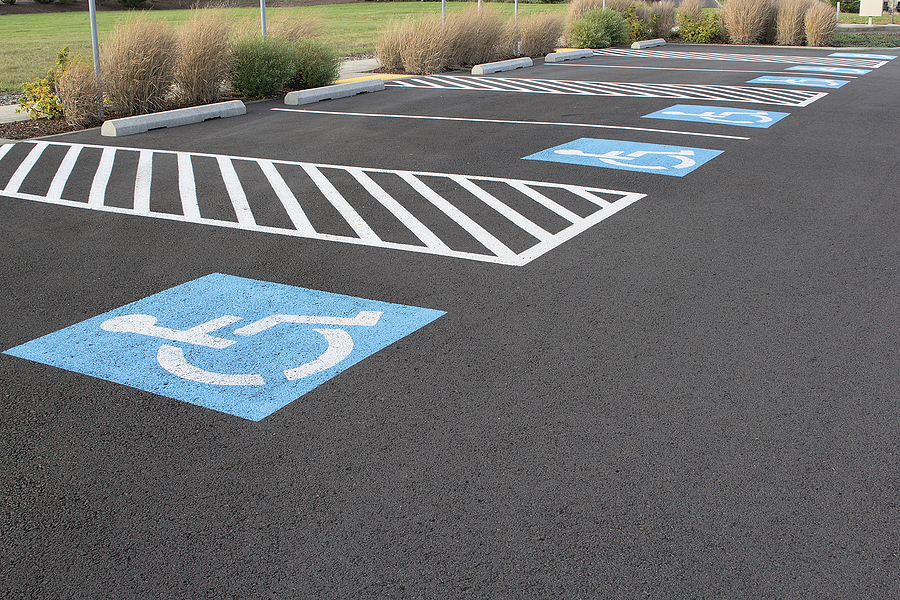
The Americans with Disabilities Act (ADA) requires commercial properties to have accessible routes for individuals with disabilities. This includes smooth, crack-free pavements and clearly marked handicap parking spots.

Safety Standards

Local building codes often outline materials and construction practices to ensure safety for pedestrians and vehicles.

Environmental Regulations

Some regions mandate proper disposal of construction waste to minimize environmental impact.

Before beginning any repair work, check with your local municipality to obtain the necessary permits and ensure compliance with all relevant standards.

Pro Tip: Partner with contractors experienced in ADA compliance to avoid costly fines or legal issues.

Sustainable Pavements Supporting the Environment

Given the growing focus on sustainability in commercial properties, and today is World Environment Day, there’s no better time to talk about eco-friendly pavement repair options. From recycled materials to energy-efficient practices, there are several ways to align your repair efforts with green initiatives:

  • Use Recycled Materials – Opt for recycled concrete or asphalt whenever possible.
  • Minimize Waste – Ensure that leftover materials are properly reused or disposed of.
  • Eco-Friendly Sealants – Choose sealants formulated with low environmental impact.
  • Local Materials – Sourcing materials locally reduces the carbon footprint associated with transport.

By integrating sustainable practices, not only do you contribute to the environment, but it also positions your property as forward-thinking and socially responsible.

Conclusion

Concrete pavement repair might not be the most glamorous aspect of property management, but its importance can’t be overstated. Timely repairs and proactive maintenance keep your property safe, aesthetically pleasing, and compliant with regulations.

From dealing with cracks and potholes to applying eco-friendly solutions, there are plenty of ways to maintain your pavements without breaking your budget. By following these best practices, you’ll not only extend the lifespan of your pavements but also save money in the long run.

Questions or concerns about your pavement issues? Contact ACI Asphalt and Concrete today for a consultation. Our experts will help you find the most cost-effective and compliant solutions to keep your property in peak condition.

Get a Concrete Repair Quote Now

Related Post: Commercial Concrete Repair: Preserving and Protecting Your Investment

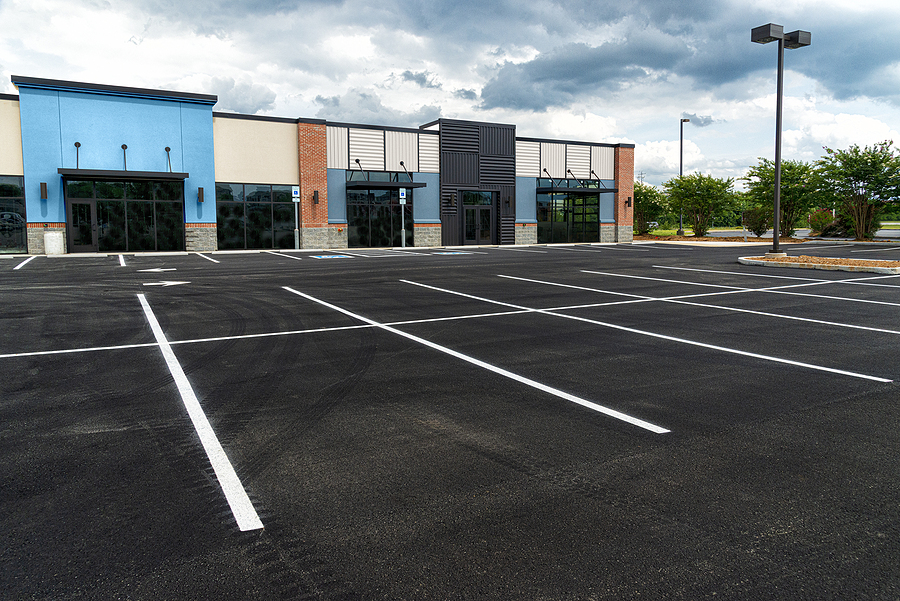
When to Re-Stripe Your Parking Lot 

Maintaining a well-marked and organized parking lot is more than just a detail; it’s a vital component of property management that affects safety, aesthetics, and compliance with local and federal regulations. Whether you manage a retail store, office building, or apartment complex, ensuring that your parking lot is clearly marked is crucial for a positive impression and safe experience. 

But how do you know when it’s time to re-stripe your parking lot? This blog will guide you through the signs, benefits, and cost considerations of re-striping while answering common questions to help you make an informed decision. 

Call 317-549-1833 For Parking Lot Line Striping Services in Indianapolis Indiana

Signs Your Parking Lot Needs Re-Striping 

Fading or worn-out parking lot lines not only detract from your property’s appearance but can also lead to safety hazards and non-compliance with regulations. Here are key signs it’s time for a fresh coat of paint on your parking lot lines:

  • Faded or Dull Lines: If your parking lines, arrows, or other markings are no longer visible from a distance, it’s time to consider re-striping. Clear markings help drivers easily identify parking spots and traffic flow.
  • Peeling Paint: Flaky or peeling paint is not only unsightly but also a sign that your parking lot maintenance needs attention.
  • Confusing Layout: Over time, lines may completely fade, leading to drivers parking at improper angles or creating their own patterns, disrupting the traffic flow.
  • New Regulations: Local codes and ADA guidelines can change. If your parking lot has not been updated recently, it’s worth reassessing compliance requirements.

When Is the Right Time to Re-Stripe? 

How often you should re-stripe your parking lot depends on various factors, including traffic volume, weather conditions, and paint quality. Here are general recommendations to guide you:

  • Annually for High-Traffic Lots: Parking lots with significant traffic or heavy vehicles should typically be re-striped once a year.
  • Every Two Years for Moderate Use: Lots with moderate daily usage might only need re-striping once every two years.
  • After Sealcoating: Any sealcoating job requires re-striping immediately afterward to restore the markings.
  • Seasonal Considerations: Spring and summer are ideal times for striping, as dry and warm weather ensures proper paint application and faster drying times.

Regularly inspecting your parking lot for wear and tear can help you stay ahead of the need for re-striping.  

Enhancing Safety and Compliance 

Parking lot striping is not just about aesthetics; it plays a crucial role in enhancing safety and ensuring regulatory compliance. Here’s how:

  • Improves Traffic Flow: Properly marked lanes, arrows, and stop lines prevent confusion and accidents.
  • Ensures Pedestrian Safety: Crosswalks and designated walkways guide pedestrians safely through your lot, reducing the risk of accidents.
  • Maintains ADA Compliance: Federal ADA guidelines require accessible parking spaces with designated signage and markings. Non-compliance can lead to fines and legal issues.
  • Fire Lane Visibility: Clear fire lane markings ensure emergency vehicle access, meeting local code enforcement requirements.

By maintaining a clearly marked and compliant parking lot, you not only protect your visitors but also safeguard your business from liability. 

Understanding the Costs of Re-Striping 

Planning for parking lot striping involves understanding the costs. Here’s a breakdown of common pricing factors:

Per Parking Space

  • Single Space: $8 – $20
  • Double Space: $16 – $40

Linear Feet

  • $0.08–$0.25 per linear foot for comprehensive re-striping projects.

Additional Costs

  • Stencils for ADA-compliant markings or custom layouts.
  • Traffic control measures during the striping process.
  • Layout adjustments for improved traffic flow or updated compliance requirements.

Factors such as project size, paint type (e.g., water-based vs. oil-based), and regional pricing can also influence the total cost. Investing in high-quality paint and professional striping ensures longevity, saving money in the long run. 

Contact Us for Professional Line Striping

Common Mistakes to Avoid When Re-Striping 

To maximize the lifespan and effectiveness of your parking lot striping, steer clear of these common mistakes:

  • Skipping Surface Preparation: Failing to clean and prepare the pavement leads to poor paint adhesion and premature wear.
  • Overlooking ADA Requirements: Non-compliance with ADA guidelines can result in fines and require costly rework.
  • Using Low-Quality Paint: Cheaper paint may save upfront costs but will fade or peel quicker, requiring frequent reapplication.
  • Ignoring Traffic Flow Patterns: An improperly planned layout can cause congestion and safety hazards.
  • Imprecise Measurements: Incorrect spacing or proportions can waste valuable lot space and leave it looking unorganized.

Always enlist professional parking lot striping services to avoid common pitfalls such as uneven lines, improper spacing, or fading paint. Professionals use the right equipment and expertise to ensure a durable, high-quality result that enhances safety, organization, and the overall appearance of your parking area.

Key Questions About Parking Lot Striping 

Still have questions? Here are answers to some FAQs property managers often ask:

How often should I re-stripe my parking lot?

Most lots need re-striping every 1–2 years, but high-traffic areas may require more frequent updates. 

What type of paint is best for parking lot striping?

Water-based paints are environmentally friendly and ideal for warmer climates, while oil-based paints offer more durability in colder regions. 

How does striping improve safety?

Clear markings reduce confusion, facilitate traffic flow, and guide pedestrians, preventing accidents and ensuring a safe environment. 

How long does parking lot striping take?

Most small to medium-sized lots can be striped in just a few hours, minimizing downtime for your business. 

How can I prepare my parking lot for striping?

Cleaning the surface and addressing any cracks or potholes ensures better adhesion and a smoother finish. 

Maximize the Benefits of Timely Re-Striping 

Re-striping your parking lot is a simple yet impactful step toward enhancing safety, ensuring compliance, and improving curb appeal. Investing in your parking lot’s appearance and functionality demonstrates a commitment to your property’s visitors while protecting your business from avoidable fines or liabilities. 

Is your parking lot due for a refresh? Schedule your service with ACI Asphalt and Concrete  and enjoy the benefits of a well-maintained and clearly marked parking lot. Our team of experts will ensure quality striping that lasts. 

Book Your Consultation Now

Related Post: Reasons to Choose Reflective Paint for Line Striping and Road Markings

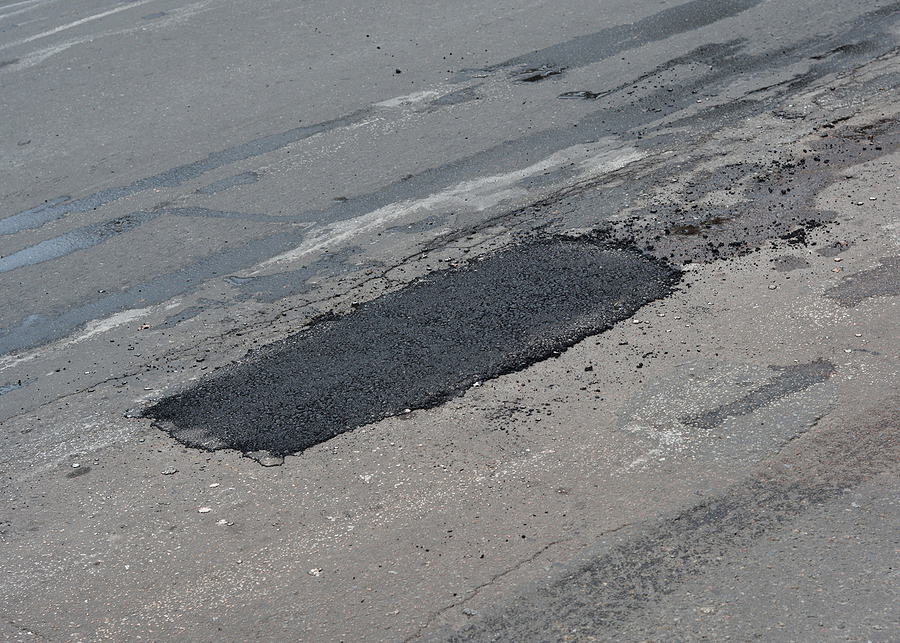
Pothole Repair Guide for Parking Lots

Potholes in parking lots can be more than just small nuisances; they can compromise safety, cause costly damage, and harm your property’s reputation. Prompt repair and ongoing parking lot maintenance are vital to keeping your space safe, functional, and welcoming for both vehicles and pedestrians.

This in-depth guide will help you understand everything about parking lot potholes, from what causes them to how to repair and prevent them. Whether you’re a property manager, business owner, or HOA representative, we’ve got you covered.

Call 317-549-1833 For Indianapolis Parking Lot Pothole Repair

What Causes Parking Lot Potholes?

Understanding the culprits behind potholes can help you tackle repairs effectively or even prevent them from forming in the first place. Potholes are often caused by a combination of water, temperature changes, and the constant pressure of vehicles on the road. When water seeps into cracks and freezes, it expands, weakening the pavement. Over time, this repeated cycle, combined with heavy traffic, causes the surface to break apart.

By identifying these factors early, you can take steps to address small cracks before they worsen or implement better road maintenance strategies to avoid costly repairs down the line.

Common Causes of Potholes

Water Damage

Water is a parking lot’s worst enemy. When it seeps into cracks in the asphalt and freezes, it causes the asphalt to expand and weaken. Over time, this leads to potholes. Poor drainage exacerbates the issue.

Traffic and Heavy Loads

High foot traffic and heavy vehicles like delivery trucks place enormous stress on parking lots. Without adequate weight-bearing capacity, the asphalt begins to deteriorate.

Poor Construction

Using low-quality materials or improper construction techniques can create a weak foundation, making your lot more susceptible to damage.

The Risks of Ignoring Parking Lot Potholes

Minor damage to roads, like small cracks or potholes, can quickly escalate into major problems if left unattended. Over time, water, debris, and regular wear can widen these issues, leading to costly repairs and potential safety hazards. Here’s why addressing pothole repair promptly is essential to maintaining road quality and preventing further damage:

Safety Hazards 

Potholes pose a tripping hazard for pedestrians and can lead to accidents, resulting in possible lawsuits.

Damage to Vehicles 

Unrepaired potholes can cause flat tires, misaligned wheels, and other costly vehicle repairs, leaving your customers frustrated and potentially driving them away.

Liability Issues 

Ignoring pothole maintenance can lead to non-compliance with local regulations and ADA standards, exposing you to fines and lawsuits.

View Our Commercial Pothole Repair Services

DIY vs Professional Pothole Repair

When it comes to fixing parking lot potholes, you might be tempted to save money by going the DIY route. However, be warned. Here’s how the two approaches compare:

DIY Pothole Repair 

Pros:

  • Cost-effective for small, less severe potholes.
  • Easy enough for minor, temporary fixes.

Cons:

  • DIY materials are often lower quality and less durable.
  • Repair may not adhere to ADA or local regulations.
  • Lack of expertise can result in recurring issues.

Professional Repair 

Pros:

  • High-quality, durable materials.
  • Repairs meet all compliance standards (ADA, local safety standards, etc.).
  • Long-term solutions and expert insights into underlying structural issues.

Cons:

  • Higher upfront cost compared to DIY.
  • Requires coordinating with contractors.

While DIY may seem appealing for minor fixes, professional repair ensures lasting results and peace of mind.

Professional Pothole Repair Process

Wondering what happens during a professional repair? Here’s a step-by-step breakdown of how experts tackle pothole patching:

  1. Inspection and Assessment – A professional evaluates the pothole to determine its size, depth, and root cause.
  2. Cleaning and Preparation – Debris, water, and loose asphalt are cleared to create a clean surface.
  3. Filling the Pothole – Depending on the type of repair, experts use materials like hot mix asphalt, cold mix asphalt, or polymer-modified asphalt.
  4. Compacting and Leveling – Advanced equipment compacts the material, ensuring a smooth and long-lasting finish.
  5. Final Touches – The repair is sealed and inspected for quality, ensuring the area is safe and compliant.

Factors That Influence Pothole Repair Costs

Several variables determine how much you’ll spend on repairing parking lot potholes. Here’s a breakdown of what to consider:

  • Size and Depth – Larger or deeper potholes require more materials and labor, increasing the price.
  • Materials Used – Hot mix asphalt is more costly but longer-lasting than cold mix.
  • Labor and Equipment – Professional repairs include labor costs, which vary by location.
  • Additional Damages – Issues like poor drainage or a weakened foundation can add to the cost.
  • Compliance – Ensuring ADA compliance for accessible spaces can require special attention and additional materials.

On average, professional repairs might range from $100 to $400 per pothole, but costs can escalate for larger-scale damage.

Preventative Measures to Avoid Future Potholes

Prevention is key to minimizing the appearance of potholes in the first place. Use these tips to protect your parking lot from damage:

  • Regular Inspections – Conduct routine checks to detect early signs of damage, such as small cracks or pooling water.
  • Drainage Maintenance – Ensure gutters and drains are functioning properly to prevent water accumulation.
  • Sealcoating – Apply a protective sealcoat every 2-3 years to shield asphalt from moisture, sunlight, and chemicals.
  • Crack FillingRepair pavement cracks promptly to stop water from penetrating the asphalt foundation.
  • Manage Vehicle Weight – Limit access for heavy vehicles or trucks that place excessive strain on the asphalt.
  • High-Quality Materials – Invest in durable, professional-grade asphalt to ensure a strong foundation that resists wear and tear.
  • Professional Maintenance Plans – Consider outsourcing your parking lot maintenance (PMP) to ensure it’s continuously monitored and maintained.

Why a Parking Lot Maintenance Plan (PMP) Matters

Routine parking lot maintenance is one of the best ways to protect your space from costly repairs. Here’s what a well-rounded plan should include:

  • Regular crack sealing and sealcoating.
  • Scheduled debris removal.
  • Line striping for safety and compliance.
  • Budgeting for emergency repairs.

By staying proactive, you prolong the life of your lot and maintain a polished, professional appearance.

Maintain Your Parking Lot Like a Pro

Pothole repair and parking lot maintenance are essential for keeping your property safe, functional, and visually appealing. Ignoring these issues can lead to expensive repairs, safety liabilities, and lost customers. By understanding the causes of potholes, knowing when to call in professionals, and taking preventative steps, you can save time and money while maintaining a professional image.

Are your parking lot potholes due for repair? Don’t wait for them to get worse. Get a free quote by ACI Asphalt and Concrete today and protect your investment with expert solutions tailored just for you.

Speak With a Manager Now

Related Post: The Impact of Potholes on Your Parking Lot: How to Address and Prevent Them

Green Infrastructure Techniques Permeable Pavements for a Sustainable Future

Cities worldwide are prioritizing sustainable solutions to combat the environmental challenges of urbanization. Green infrastructure techniques, such as permeable pavements, are at the forefront of this innovation. This blog provides civil engineers and urban planners with an in-depth understanding of permeable pavement, its benefits, design considerations, and how it aligns with sustainable urban development goals.

Call 317-549-1833 For Commercial Permeable Pavement Installation & Repair in Indianapolis Indiana

Understanding Green Infrastructure 

Green infrastructure focuses on environmentally friendly designs that manage water, reduce energy consumption, and promote sustainability in urban areas. Unlike traditional infrastructure that relies on gray systems (e.g., concrete storm drains), green solutions mimic natural processes to manage stormwater and reduce environmental impact. Permeable pavements are an essential part of this innovation, offering a sustainable alternative to conventional asphalt and concrete paving.

What Are Permeable Pavements? 

Permeable pavements are specialized surfaces that allow water to pass through their pores or joints, reducing runoff and promoting natural groundwater infiltration. Available in materials like porous asphalt, porous concrete, and interlocking stone pavers, this eco-friendly pavement solution directly addresses water management issues in urban settings. 

Unlike traditional materials, which block water from soaking into the ground, permeable pavements act as filters. They reduce strain on stormwater systems, minimize erosion, and protect water bodies from pollutants.

Benefits of Permeable Pavement 

The implementation of permeable pavements offers numerous advantages, including:

1. Stormwater Management 

Permeable pavements significantly decrease stormwater runoff by allowing water to percolate into the ground. This reduces flooding risks and prevents contaminants like oil and debris from affecting nearby water bodies.

2. Environmental Advantages 

Permeable pavement contributes to sustainable urban water cycles, replenishes groundwater, and reduces the urban heat island effect by allowing water to cool the surrounding surface.

3. Cost Savings 

While the upfront costs may be higher than traditional concrete paving, permeable pavement reduces long-term costs by lowering stormwater management expenses and extending the lifespan of stormwater systems.

4. Regulatory Compliance 

Green infrastructure practices are increasingly being mandated. Permeable pavement helps cities comply with stormwater regulations and achieve sustainable development goals.

5. Improved Aesthetic Appeal 

Interlocking pavers and decorative porous surfaces provide a visually appealing alternative to traditional paving, enhancing a project’s design.

Learn More About Sustainable Paving

Design and Installation Process 

Layer Composition 

A typical permeable pavement system consists of three layers:

  • Porous Surface: Allows water to infiltrate.
  • Aggregate Layer: Filters and stores water.
  • Subgrade Layer: Provides drainage and structural support.

Design Considerations 

Key design factors civil engineers must prioritize include:

  • Traffic Load: Design must accommodate the expected vehicular or pedestrian load.
  • Climate Suitability: Ideal for areas with moderate climates but can be adapted for colder regions with proper materials.
  • Water Management Goals: Align with infiltration rates and local stormwater requirements.
  • Local Compliance: Meet municipal codes and regulations guiding pavement installation.

Installation Steps 

  1. Prepare the subgrade for stability and drainage.
  2. Lay a layer of aggregates followed by a filtration layer.
  3. Install the porous pavement surface layer or interlocking paver stones.
  4. Ensure all layers meet design grades for proper drainage.

Hiring a commercial paving company with experience in sustainable pavements is essential to ensure correct installation.

Maintenance and Longevity 

Maintaining permeable pavements involves keeping their pores clear of debris and sediment to ensure consistent performance. Best practices include:

  • Sweeping and Vacuuming: Regular cleaning to prevent clogging.
  • High-Pressure Washing: Removes accumulated sediments.
  • Snow Removal Tips: Avoid de-icing salts that can damage pavement; use sand instead.
  • Routine Inspections: Check for structural damage or water pooling.

With proper pavement maintenance, permeable pavements can last 20-30 years, comparable to or exceeding traditional asphalt paving.

Cost Analysis and Funding Opportunities 

Initial Costs 

The upfront cost of permeable pavement is typically 20-40% higher than traditional materials. However, these expenses are offset by reduced stormwater system costs, fewer flooding incidents, and lower environmental enforcement penalties.

Funding Opportunities 

Several grants and funding programs can help offset initial costs, including:

  • EPA’s Green Infrastructure Funding
  • State Revolving Funds (SRFs)
  • FEMA Hazard Mitigation Assistance Grants
  • USDA Conservation Service Programs
  • Local Government Initiatives
  • Private Foundation Grants

Partnering with a commercial paving company in Indiana that is familiar with funding applications can increase your chances of securing support.

FAQs About Permeable Pavements 

How does permeable pavement handle heavy traffic loads? 

Permeable pavements are designed to handle light to moderate traffic loads. For heavy industrial applications, ensure the subgrade and aggregate layers are reinforced properly.

What are the ideal climate conditions for permeable pavement? 

While suitable for most climates, permeable pavement performs best in areas with moderate rainfall. Cold climates require thermal-resistant materials to prevent cracking.

How often does permeable pavement need maintenance? 

Routine cleaning every 3-6 months and annual inspections are recommended.

Can permeable pavement be used for residential driveways? 

Yes, but it’s more common in commercial projects due to higher initial costs.

How does it affect stormwater runoff? 

Permeable pavement reduces runoff by allowing water to filter into the soil, mitigating flooding and erosion while protecting nearby water bodies.

Is permeable pavement ADA compliant for pedestrian use? 

Yes, many designs meet ADA standards, offering safe, slip-resistant surfaces for pedestrians.

Conclusion

Permeable pavements exemplify how green building materials can balance functionality, aesthetics, and environmental stewardship. By incorporating these sustainable pavements into urban projects, civil engineers and urban planners play a direct role in creating resilient, eco-friendly communities. 

Are you ready to integrate permeable pavements into your commercial paving project? Contact ACI Asphalt and Concrete today for a consultation and discover how we can help you transform your plans into a sustainable reality.

Talk to a Pavement Contractor Now

Related Post: Building a Greener Future: Sustainable Road Construction Practices

Fire Lane Markings: How to Keep Your Pavements Compliant

Fire lanes aren’t just the red lines we often see in parking lots and along curbs. They are critical lifelines that ensure emergency vehicles have clear access when seconds matter most. For commercial property owners, business owners, and property managers, maintaining compliant fire lane markings is both a legal obligation and a safety necessity.

This guide walks you through the importance of fire lane markings, the regulations you need to know, best practices for application, and common pitfalls to avoid. By the end, you’ll have the tools to ensure your fire lanes are both compliant and effective in protecting lives and property.

Call 317-549-1833 For Fire Lane Marking Application in Indianapolis Indiana

Why Fire Lane Markings Matter for Safety and Compliance

Fire lane markings serve a dual purpose. First, they guarantee unobstructed access for fire trucks, ambulances, and other emergency vehicles. Second, they communicate clear parking and traffic guidelines to drivers, preventing unauthorized use of these critical zones.

Failing to comply with fire lane regulations can result in fines, legal liability, and, most critically, increased risk during emergencies. Indiana’s state laws emphasize the need for proper fire lane visibility, width, and maintenance, making compliance essential for property owners and managers.

Fire Lane Regulations 

Before painting your fire lanes, it’s vital to understand the regulations that impact their size, placement, and visibility. These vary across jurisdictions, including state and local laws. Here’s a closer look at what you need to know:

National Standards

The National Fire Protection Association (NFPA) provides general guidelines for fire lanes, which include:

  • Width Requirement: Fire lanes must be at least 20 feet wide to accommodate fire trucks and other emergency vehicles.
  • Clearance Height: A vertical clearance of 13 feet 6 inches must be maintained.
  • Marking Visibility: Lines and signage must be highly visible at all times, even in low-light conditions.

Indiana’s Local Regulations 

Indiana has specific fire lane standards that property owners must follow:

  • Marked Areas: Fire lanes must have clearly painted lines and stenciled text, with “FIRE LANE – NO PARKING” displayed in block letters.
  • Color Standards: Red and white are the commonly mandated colors for fire lane markings and curb signage.
  • Penalties for Non-Compliance: Fines and potential legal action can result if fire lanes are improperly marked or obstructed.

Regularly check for updates to Indiana’s fire codes, as amendments can affect marking standards. Collaborating with local authorities can also ensure compliance during inspection periods.

Best Practices for Fire Lane Marking

Once you understand the regulations, it’s important to ensure the markings are applied correctly. Here are the key steps to get it right:

1. Use High-Quality Materials 

Invest in durable line striping paints designed for heavy traffic and fluctuating weather conditions. Thermoplastic markings are highly recommended for their longevity, as they can withstand wear and tear better than standard paints.

2. Maintain Consistent Visibility 

Visibility is non-negotiable for pavement compliance. Use reflective materials or glass bead additives in your paint to ensure your fire lanes remain visible at night and in low-light environments.

3. Placement Matters 

Ensure fire lanes are strategically placed near entrances, exits, and areas where emergency vehicles need quick access. Work with a professional paving contractor to assess your property layout.

4. Stencil Clearly 

Reinforce your fire lane lines with clear stencils displaying “FIRE LANE – NO PARKING” in highly visible block letters. Follow guidelines for dimensions that meet local visibility standards.

5. Schedule Regular Maintenance 

Parking lot maintenance is vital for keeping markings effective. Repaint faded lines immediately, and regularly inspect your fire lanes for debris or obstruction. Proper maintenance not only keeps you compliant but also significantly reduces risks during emergencies.

Learn About Our Pavement Marking Services

Common Mistakes to Avoid

Even with good intentions, property owners often make errors in their fire lane marking processes. Here are the top mistakes to watch out for:

Fading Paint and Reduced Visibility 

Paint wears down over time due to heavy traffic, weather exposure, and UV damage. Failing to re-stripe fire lanes regularly can lead to faded markings, reducing their effectiveness and potentially putting you out of compliance.

  • Solution: Conduct bi-annual inspections and use long-lasting, weather-resistant materials to minimize fading.

Incorrect Dimensions and Placement 

Markings that don’t adhere to the required width, clearance, or positioning guidelines may not provide sufficient access for emergency vehicles.

  • Solution: Work with a professional line striping company that is familiar with Indiana’s fire lane requirements to ensure accuracy.

Overlooked Local Fire Codes 

Local fire codes sometimes have specific standards that differ from federal guidelines, putting uninformed property owners at risk of citations.

  • Solution: Regularly consult your local fire department or code enforcement to stay informed about current compliance standards.

Obstructions Blocking Fire Lanes 

Parked vehicles, landscaping equipment, or even improperly placed trash bins can obstruct fire lanes, rendering them useless in emergencies.

  • Solution: Implement clear signage and enforce towing policies for violations. Collaborate with landscaping and maintenance crews to ensure fire lanes stay clear.

Delayed Re-Striping 

Fading markings are easy to overlook until they become non-compliant during an inspection.

  • Solution: Set reminders for periodic repainting and consult professionals for ongoing maintenance to avoid fines and ensure safety.

Prevent Emergencies Before They Happen 

Compliant fire lane markings aren’t just a legal requirement; they’re an essential part of creating a safe environment for your building’s occupants and visitors. By understanding regulations, following best practices, and avoiding common mistakes, you ensure that your property is prepared for emergency scenarios. Your pavement isn’t just a surface; it’s a lifeline. Ensure every vehicle has a clear path when it matters most.

Need help ensuring your paving or parking lot project meets compliance standards? Contact ACI Asphalt and Concrete, today. We offer professional parking lot line striping services to keep your commercial property safe, efficient, and 100% compliant.

Contact Us Now

Related Post: Reasons to Choose Reflective Paint for Line Striping and Road Markings

How Long Does Concrete Last? Lifespan, Tips, and More

Concrete is one of the most durable and widely used materials in construction, valued for its strength and versatility. However, its longevity isn’t limitless. Whether you’re considering a new pavement installation or wondering how long your driveway or foundation will last, understanding the lifespan of concrete is critical for making informed decisions. This guide will take you through the factors that affect concrete longevity, tips to make it last longer, and when repair or replacement becomes necessary.

By the end of this post, you’ll have a clear understanding of concrete lifespan and practical steps to protect your investment. Plus, we’ll answer some frequently asked questions to simplify your maintenance and repair efforts.

Call 317-549-1833 For Commercial Concrete Repair in Indianapolis

Why Concrete Lifespan Matters for Property Owners

Concrete structures are significant investments for homes and commercial properties. A driveway, foundation, or patio made from high-performance concrete can serve your property for decades if carefully maintained. However, neglect or exposure to harsh conditions can lead to:

  • Premature cracks and failures.
  • Expensive repairs or replacement.
  • A decrease in property value.

Understanding what impacts the lifespan of concrete will help you make decisions that save money and preserve the integrity of your property for years to come.

Factors Affecting the Lifespan of Concrete

Several factors influence how long concrete can last. While it’s a robust material, its durability depends on proper installation, environmental conditions, and ongoing care. Here’s what to consider:

1. Climate

  • Freeze-Thaw Cycles: Water enters small cracks, freezes, and expands, leading to further cracking in colder regions.
  • Heat Exposure: Persistent sun and heat can make concrete surfaces brittle over time.
  • Midwest Impact: Regular cycles of freezing, thawing, and heavy rainfall common in the Midwest amplify the need for sealing and concrete drainage solutions.

2. Usage

  • Residential vs. Commercial Applications: Residential driveways may last longer than high-traffic commercial parking lots due to lower load stress.
  • Heavy Traffic & Loads: Truck deliveries or heavy machinery can accelerate wear, necessitating reinforced concrete or fiber-reinforced concrete (FRC) options.

3. Maintenance

  • Routine sealing can extend a concrete surface’s lifespan by up to 50%.
  • Poor drainage systems can weaken foundations, emphasizing the need for proper installation and regular cleaning.

4. Type of Concrete

Different types of concrete have varying durability levels:

Properly selected and installed concrete suited for your local conditions can make all the difference in its performance.

Learn More About Concrete Installation

What Is the Average Lifespan of Concrete?

The lifespan of concrete varies based on its type, purpose, and maintenance. It’s important to consider environmental stressors and whether the concrete was installed with reinforcements or sealants tailored to the region. Here are some typical ranges:

  • Driveways & Sidewalks: 25–50 years with proper concrete maintenance.
  • Concrete Foundations: 50–100 years, assuming no water infiltration and proper installation.
  • Commercial Concrete Uses (e.g., parking lots): 20–30 years under high traffic.
  • Decorative Concrete Surfaces (e.g., patios or pool decks): 20–40 years when well-maintained.

Maximizing Concrete Lifespan

Want to ensure your pavement or foundation stands the test of time? These maintenance practices can significantly extend the longevity of your concrete:

1. Seal Regularly

  • For surfaces like driveways and outdoor slabs, sealing every 2-3 years can prevent water ingress, protect against freeze-thaw damage, and resist staining.
  • Use sealants designed for your climate, such as penetrating sealers in wet environments or freeze-thaw-resistant sealers in cold regions.

2. Watch for Drainage Issues

  • Poor drainage can lead to water pooling, which weakens the concrete over time. Ensure water flows away from the concrete surface using proper grading and downspouts.

3. Repair Cracks Early

  • Filling minor cracks and scheduling regular concrete repairs stops them from spreading and causing structural damage.

4. Clean Regularly

  • Keep surfaces free of debris and chemicals that can weaken concrete, such as deicing salts.
  • Power washing once a year (at a safe PSI) helps prevent buildup and corrosion.

5. Reinforce Wisely

  • Fiber-reinforced concrete and rebar reinforcements add strength, especially for commercial or heavy-load areas.

6. Avoid Heavy Impacts

  • Avoid allowing heavy trucks or machinery on driveways not designed for such weights to prevent premature wear.

When to Replace Concrete

Even with the best care, concrete has a finite lifespan. Here are signs it’s time to replace it:

  • Multiple or deep cracks that compromise the structure’s integrity.
  • Uneven surfaces that could pose a safety hazard.
  • Eroded or crumbling edges.
  • Persistent drainage or water pooling issues.
  • Repairs exceeding 50% of the replacement cost.

For reference, the cost of repairing concrete ranges from $3 to $8 per square foot, while replacement costs range between $5 and $10 per square foot.

FAQs About Concrete Lifespan and Maintenance

How often should I seal my concrete driveway?

Generally, every 2-3 years. If you notice wear on the sealant or live in harsh climates, seal more frequently.

What are the signs of concrete damage that require immediate attention?

Deep cracks, uneven settling, water pooling, crumbling edges, or exposed reinforcements.

Can weather conditions affect the lifespan of my concrete surfaces?

Yes. Freeze-thaw cycles, excessive heat, and exposure to moisture can reduce durability if neglected.

Is it better to repair or replace damaged concrete?

If repairs cost more than 50% of the replacement cost or the structure’s integrity is compromised, replacement is likely better.

Does ready mix concrete last longer than traditional concrete?

Yes, RMC often contains additives and is mixed under controlled conditions, improving its durability and lifespan.

How does concrete reinforcement affect its lifespan?

Reinforcements like fiber and rebar significantly extend lifespan by adding strength, flexibility, and resistance to stress and cracking.

Prolonging the Life of Your Concrete 

Concrete can last decades, but its durability depends on thoughtful planning, high-quality materials, and ongoing maintenance. Freeze-thaw cycles, heavy loads, and neglect can all shorten its lifespan, but proactive measures like regular sealing, cleaning, and timely repair can add years to your investment.

If you’re looking to maximize the lifespan of your concrete through expert pavement installation, concrete repair, or reinforced concrete solutions, contact ACI Asphalt and Concrete today. Our team specializes in using durable concrete options tailored to your specific needs and environment.

Speak With a Concrete Contractor Now

Related Post: Commercial Concrete Repair: Preserving and Protecting Your Investment

Pothole Formation and Prevention: A Guide for Property Managers and Owners

Maintaining the condition of your property’s pavement is more than just an aesthetic necessity; it’s a critical component of overall property management. Potholes, though seemingly minor at first glance, can quickly escalate into safety hazards and costly repairs. For property managers, commercial property owners, and business owners, understanding how potholes form and how to prevent them is an essential step toward protecting your investment.

This guide explores the causes of potholes, their impact on your property, proactive prevention strategies, and actionable steps you can take to maintain safe and durable pavement.

Call 317-549-1833 For Commercial Pothole Repair in Indianapolis

Top Causes of Potholes 

Potholes don’t appear overnight. Their formation is the result of several key factors, which often work together to cause pavement deterioration.

The Freeze-Thaw Cycle 

One of the most common culprits of potholes is the freeze-thaw cycle. During colder months:

  1. Water seeps into small cracks and crevices in the pavement.
  2. When temperatures drop, the water freezes and expands, causing the pavement to push outward.
  3. Once the ice thaws, the pavement contracts, leaving spaces underneath prone to collapse.

This constant expansion and contraction weakens the pavement over time, eventually leading to potholes.

Traffic Volume and Weight 

High-traffic areas, especially those frequented by heavy vehicles like delivery trucks, are more susceptible to potholes. The repeated pressure on pavement causes gradual cracking, as the weight overwhelms weaker spots.

Drainage Issues and Water Accumulation 

Water is one of the biggest threats to asphalt. Poor drainage or accumulation of water on the surface can accelerate wear and tear. Stagnant water seeps into cracks, further exacerbating damage during freeze-thaw cycles or under heavy traffic.

By addressing these causes early, you can significantly reduce the risk of pothole formation.

Impact of Potholes on Your Property 

Beyond unsightly cracks, potholes have tangible consequences that impact the safety, appearance, and value of a property.

Safety Hazards and Liability 

Potholes can pose serious safety hazards for vehicles and pedestrians. Damaged pavement can cause slips, trips, and falls, leading to potential liability for property owners. For drivers, potholes can result in costly tire blowouts, wheel damage, or misalignments, further increasing potential legal risks for property managers.

Aesthetic Concerns and Property Value 

First impressions matter, especially for businesses that rely on physical locations to attract more customers. Parking lot potholes or deteriorating pavement can make a negative impression, detracting from the professionalism of your property and lowering its perceived value.

Potential Damage to Vehicles 

Whether it’s a commercial parking lot or a private road, potholes can lead to vehicle damage for your tenants, customers, or employees. Supporting their day-to-day functionality by maintaining smooth, pothole-free pavement fosters goodwill and enhances the overall experience on your property.

Prevention and Maintenance Strategies 

While potholes may seem inevitable, proactive maintenance and preventive measures can minimize their occurrence and impact. Here’s how property managers and owners can protect their pavement.

Regular Inspections and Early Detection 

Conduct routine pavement inspections to identify cracks, drainage issues, or signs of wear before they worsen. Prioritize high-traffic areas for more frequent checks, especially before and after the winter season.

Proper Drainage Solutions 

Ensure your property has adequate pavement drainage systems to prevent water from pooling on the surface. Clear drains regularly and invest in grading or water runoff solutions in problem areas.

Sealcoating and Crack Filling 

Sealcoating provides a protective layer that shields asphalt from moisture, UV rays, and vehicle wear. Reapply sealcoating every 3–5 years, and promptly fill cracks with hot-applied sealants to prevent water infiltration.

Quality Asphalt Materials and Installation 

Partner with reputable contractors to ensure high-quality asphalt materials and professional installation. Poor workmanship often leads to premature failures and higher repair costs over time.

Traffic Calming Measures 

Implement speed bumps or reduce speed limits in high-traffic areas to minimize wear and tear caused by heavy vehicles or fast-moving traffic.

By adopting these strategies, property owners can extend the lifespan of their pavement and avoid costly repairs.

Contact Us for Pothole Repair in Indianapolis

Repair Options for Potholes 

Despite your best efforts, potholes can sometimes form. When they do, it’s important to act quickly to prevent further damage. Here are the key repair methods to consider:

Temporary vs. Permanent Repairs 

  • Temporary Repairs involve filling potholes with cold patch materials. These are quick fixes but are not as durable and may require follow-up work.
  • Permanent Repairs use hot mix asphalt to thoroughly patch and compact potholes, offering a longer-lasting solution.

Asphalt Patching Techniques 

Depending on the extent of damage, your contractor may recommend techniques such as:

  • Throw-and-Roll: A quick and cost-effective patching method where cold asphalt mix is compacted into the pothole.
  • Full-Depth Patching: A more durable solution where damaged asphalt is completely removed and replaced with fresh asphalt.

Resurfacing or Replacement 

If your pavement shows extensive damage beyond individual potholes, resurfacing or replacing the asphalt may be the best approach. This involves removing the top layer of asphalt and laying down a fresh one, effectively extending the life of your pavement.

Cost Considerations 

Pothole repair and prevention come with costs, but proactive maintenance ultimately saves money in the long run.

Budgeting for Maintenance and Repairs 

Create a dedicated budget for asphalt maintenance, paving repairs, and inspections. Planning ahead reduces financial strain and ensures timely attention to problem areas.

Long-Term Cost Savings from Prevention 

Investing in preventive measures like sealcoating or proper drainage saves money over time by reducing the frequency and extent of expensive repairs.

FAQs About Potholes 

How do I report city potholes outside my property? 

Each city has its own reporting process. Most offer online portals or apps where you can log issues for municipal inspection and repair.

How often should I schedule pavement inspections? 

Conduct inspections at least twice a year, focusing on spring (after winter damage) and fall (before the next freeze-thaw cycle).

Can I repair potholes myself? 

While DIY options exist, professional repairs ensure better quality and durability, especially for commercial property and parking lot potholes.

How long do asphalt repairs last? 

The longevity of asphalt repairs depends on the repair type and quality. Permanent repairs, like hot asphalt patching, can last for years when done properly.

Protect Your Commercial Property with Proactive Pothole Maintenance 

For property managers and business owners, maintaining smooth pavement is a combination of safety, cost-efficiency, and aesthetic appeal. By addressing pothole causes, implementing preventive strategies, and responding quickly to damage, you can preserve the integrity of your property and provide a positive experience for those who use it.

To protect your property and minimize risks, consider partnering with a professional commercial paving contractor to manage inspections, prevention, and repairs. Proactive care today ensures your pavement stands the test of time while saving you money in the long run.

Don’t wait for potholes to worsen and cause unnecessary damage—take action now to preserve the safety and longevity of your pavement. Contact ACI Asphalt and Concrete in Indianapolis today for reliable, professional pothole repair services!

Get a Pothole Repair Quote Now

Related Post: Pothole Reporting in Indianapolis: What You Need to Know

How Tax Incentives Can Offset Costs for Commercial Pavement Repairs in Indiana

Well-maintained pavement is more than just a visual upgrade for commercial properties; it’s an investment in safety, functionality, and regulatory compliance. Cracks and potholes in your parking lots not only harm curb appeal but also pose liability risks and potential hazards for your customers, tenants, and employees. However, undertaking timely commercial pavement repairs doesn’t just save you from bigger long-term expenses. It may also come with financial relief in the form of tax incentives.

For Indiana-based business owners, property managers, and real estate developers, understanding these tax advantages could mean significant savings. This blog explores tax incentives for commercial pavement repair in Indiana, eligibility requirements, and how you can claim them to offset costs.

Call 317-549-1833 For Commercial Pavement Repair in Indiana

Tax Incentives for Property Maintenance in Indiana 

Indiana is known for offering attractive tax incentives to encourage property improvements, including those aimed at maintaining infrastructure like parking lots and driveways. These incentives often come in the form of tax credits or deductions aimed at encouraging property owners to keep their commercial spaces in excellent condition. 

The basic idea behind these programs is that when you proactively invest in maintaining your property, whether that includes commercial paving or other repairs, you’re not just benefiting your property but also positively contributing to the local economy. The government recognizes this and extends these benefits to help offset your expenses. 

Common Types of Tax Incentives for Property Owners

Maintenance Deductions 

Property owners may deduct the cost of maintenance, including pavement and pothole repair, as ordinary business expenses. These deductions allow you to reduce taxable income, directly influencing your bottom line. 

Capital Improvement Credits 

If the pavement upgrade is considered a capital improvement (significant changes that extend the life or value of the property), you might qualify for depreciation or additional credits over multiple years. 

Regulatory Compliance Incentives 

Repairs related to regulatory compliance, such as ADA accessibility upgrades to parking lots, often come with targeted tax credits to ease the financial pressure of meeting legal requirements. 

Now, let’s drill down into the specific offerings for Indiana businesses tackling commercial paving projects. 

Tax Incentives for Indiana Pavement Repairs 

Indiana offers specific tax benefits tailored to key property improvements, and commercial pavement repairs qualify under certain conditions. Here are the main programs that could help reduce the financial burden of maintaining your property’s pavement: 

Pavement Maintenance Deductions 

Repairs designed to restore your pavement to its original state, such as pothole repair, asphalt resurfacing, and seal coating, are typically considered routine maintenance. The costs for these repairs can often be fully deducted in the year they are incurred. This reduces your taxable income and directly cuts your tax bill. 

Energy-Efficient Parking Lot Upgrades 

If your parking lot improvements include Eco-friendly features such as permeable pavement or LED lighting for parking areas, you could qualify for additional credits through Indiana’s energy efficiency incentives. 

Local Business Property Tax Credits 

Depending on your county or municipality, Indiana businesses may also access local-level tax credits for enhancements to business properties, including commercial paving. It’s worth checking with your local government to see whether any location-specific programs are available. 

Regulatory Compliance Tax Credits 

Indiana provides tax credits for property owners making improvements to meet ADA (Americans with Disabilities Act) requirements. Adding handicap parking spaces, improving ramp accessibility, or re-striping a parking lot can make you eligible for these incentives. 

Request Information About Commercial Pavement Repair

Eligibility Requirements for Tax Incentives 

Tax incentives are indeed attractive, but they come with specific criteria. For Indiana’s incentives related to commercial pavement repair, you’ll typically need to meet the following requirements:

Business Use 

The property must be classified as a commercial or industrial enterprise to qualify. Residential improvements are typically excluded. 

Qualified Repairs or Improvements 

Routine maintenance such as pothole repair, seal coating, and fixing cracks usually qualifies for deductions. Extensive projects considered capital improvements will need to meet additional requirements for tax credits or depreciation. 

Proper Documentation 

To claim these incentives, you’ll need detailed invoices and receipts from licensed contractors outlining the services provided, materials used, and costs incurred. 

Compliance Proof 

For regulatory compliance credits, evidence of ADA-compliant upgrades, including before-and-after photos, may be required. 

How to Claim Indiana Tax Incentives for Pavement Repairs 

Claiming these tax incentives doesn’t have to be complicated. Follow this step-by-step guide to ensure you’re on track to maximize your benefits from commercial paving investments:

1. Consult a Tax Professional 

Reach out to a CPA or tax advisor who specializes in property-related incentives to understand your eligibility. 

2. Gather Necessary Documentation 

Collect all billing records, contractor invoices, and any supporting documents related to your pavement repairs. This should include dates, a breakdown of costs, and descriptions of the work performed. 

3. Determine the Classification of Repairs 

Determine whether the project falls under maintenance, capital improvements, or regulatory compliance upgrades. This affects how the repair costs are treated on your taxes. 

4. Claim Deductions or Credits on Your Tax Return 

Use the appropriate forms to declare deductions or credits when filing taxes. For example, Indiana may require Schedule IN-112R to claim certain property tax benefits. Your tax professional can guide you through this process. 

5. File Early and Stay Organized 

Submitting your claim well before the deadline ensures that any missing documentation or clarifications requested by the IRS can be resolved in a timely manner. 

6. Stay Updated on Tax Law Changes 

Tax incentives often evolve, and new programs may be introduced. Regular consulting with your financial advisor will help you stay ahead of the curve. 

Wrapping Up

Investing in commercial pavement repairs offers more than aesthetic and functional benefits; it’s also a strategic move to save money on taxes. Business owners in Indiana can take advantage of state-specific tax incentives designed to reduce the financial burden of maintaining their properties while remaining compliant with local regulations. 

Whether you’re renovating a parking lot, tackling some much-needed pothole repairs, or upgrading for regulatory compliance, there’s likely a tax incentive designed to offset part of your costs. Not only will this make your property safer and more inviting, but it will also help you achieve regulatory compliance while positively impacting your finances. 

If you’re unsure where to begin, consult with a tax professional or connect with a commercial paving specialist to assess your property and determine the optimal strategy for taking advantage of Indiana’s tax incentives. With the right planning, your pavement repairs can become a value-adding investment for your business. 

Get ready to move forward with your commercial pavement repairs like pothole maintenance, regulatory upgrades, and more. Consult ACI Asphalt and Concrete for trusted guidance and service in Indianapolis.

Call Now to Get Started

Related Post: How Commercial Pavement Upgrades Boost Your ROI

The Advantages of Using Ready Mix Concrete for Commercial Construction 

Construction projects often demand materials that combine efficiency, durability, and high performance. Enter ready mix concrete (RMC), a pre-mixed concrete solution prepared offsite in a controlled environment and delivered directly to construction sites. Known for its consistency and convenience, RMC is becoming increasingly popular in commercial construction projects, from high-rise buildings to large-scale infrastructure development. 

If you’re a construction manager or contractor looking to streamline your projects, this blog will guide you through the many benefits, applications, and best practices of using ready mix concrete. By the end, you’ll understand how it can save you time, reduce costs, and elevate the quality of your work. 

Call 317-549-1833 For Professional Ready Mix Concrete Delivery and Paving in Indianapolis

Why Choose Ready Mix Concrete? 

When managing complex construction projects, working with materials that guarantee quality and reliability is paramount. Here are the standout benefits of ready mix concrete for commercial construction. 

1. Cost-Effectiveness 

While RMC may seem like an upfront investment, it reduces long-term costs significantly by minimizing waste, enhancing accuracy, and requiring less labor-intensive preparation. With RMC, you avoid the inconsistencies associated with mixing onsite, which helps reduce material loss and rework. 

Additionally, when you choose RMC delivery, you get precise quantities, ensuring you only pay for what you need. This level of efficiency directly impacts your project’s bottom line. 

2. Time Savings 

Time is money in construction, and RMC helps speed up project timelines. Using commercial concrete eliminates the need for onsite mixing, which can be time-consuming and labor-intensive. 

Since RMC arrives prepared and ready to pour, you can get straight to the concrete installation process. This streamlined approach enables faster completion, which is essential for commercial contractors juggling multiple projects. 

3. Consistency and Quality Control 

One major advantage of RMC is its consistent quality. Produced in controlled batch plants with precise proportions of aggregates, water, and cement, RMC delivers a uniform mix every time. 

This level of consistency is critical for large-scale projects, where material quality can impact structural durability and longevity. With pre-tested formulations, you gain peace of mind knowing your concrete paving and load-bearing structures meet rigorous standards. 

Applications of Ready Mix Concrete in Commercial Use 

RMC has a wide range of applications in commercial construction, making it a versatile material for diverse projects. Here are just a few examples where RMC plays a key role: 

1. High-Rise Buildings 

Skyscrapers rely on high-strength concrete solutions that deliver durability without adding excessive weight to the structure. RMC is tailored to these requirements, ensuring strength and stability. 

2. Infrastructure Projects 

Projects like bridges, highways, and airport runways benefit from the long-lasting durability of RMC. Its superior quality and load-bearing capabilities make it ideal for these applications. 

3. Industrial Facilities 

Factories, warehouses, and storage hubs use RMC for their concrete paving and flooring needs. Its resistance to heavy machinery and high traffic ensures lasting performance in industrial settings. 

4. Parking Structures 

For multi-level parking lots, where both durability and appearance matter, RMC offers the perfect combination of strength and smooth finishes. 

5. Sports Arenas and Outdoor Venues 

RMC helps create uniform, durable surfaces for sports complexes and other large venues by ensuring crack resistance and longevity. 

Learn More About Ready Mix Concrete Service

Different Types of Commercial Concrete Mixes 

The versatility of ready mix concrete lies in its variety of mix designs. Each mix is tailored to suit specific applications, offering the ideal balance of strength, durability, and workability for different projects. 

Here are a few commonly used RMC types in commercial construction: 

1. Standard Mixes 

These are designed for general purposes, such as concrete paving and flooring, where moderate strength and durability suffice. 

2. High-Strength Concrete (HSC) 

HSC is ideal for high-rise buildings and heavy-load structures. With superior compressive strength, it supports large-scale projects without sacrificing stability. 

3. Self-Consolidating Concrete (SCC) 

SCC flows easily into complex formwork without the need for vibration, making it suitable for intricate architectural designs

4. Fiber-Reinforced Concrete 

This mix incorporates fibers for added stability and crack resistance, commonly used in industrial floors or heavy-duty projects. 

5. Lightweight Concrete 

Containing lightweight aggregates, this type of mix is ideal for reducing the overall weight of non-load-bearing structures, such as panels or ceilings. 

Best Practices for Using RMC in Construction 

To get the most out of commercial concrete, it’s important to follow best practices before, during, and after delivery. Here are some tips to ensure a smooth experience. 

Ordering the Right Mix 

  • Consult with concrete experts to select the mix that meets your specifications. 
  • Provide accurate details about the quantity, delivery schedule, and site conditions for a seamless RMC delivery. 

Pouring with Precision 

  • Prepare the site well in advance, leveling the area and setting up formwork securely. 
  • Ensure the concrete is poured evenly and spread uniformly to avoid weak spots. 

Curing for Longevity 

  • Proper curing is essential for maximizing the strength and durability of your structure. 
  • Keep the concrete moist using curing blankets or water sprays for at least 7 days, depending on the mix design. 

Safety First 

  • Ensure all workers wear protective clothing and follow safety protocols during the concrete installation process. 

In Conclusion

With its cost-effectiveness, time-saving features, and consistent quality, it’s no wonder ready mix concrete has become the material of choice for construction managers and contractors worldwide. Its wide range of applications and tailored mix designs make it an indispensable resource for commercial projects of any size or scope. 

Are you ready to enhance your next project with RMC? Consult ACI Asphalt and Concrete and get a free RMC quote. Together, we’ll ensure your concrete needs are met with unmatched precision and excellence. 

Get a Free RMC Quote Now

Related Post: Laying It Down: A Comprehensive Guide to Ready Mix Concrete Applications