The Benefits of Asphalt Recycling

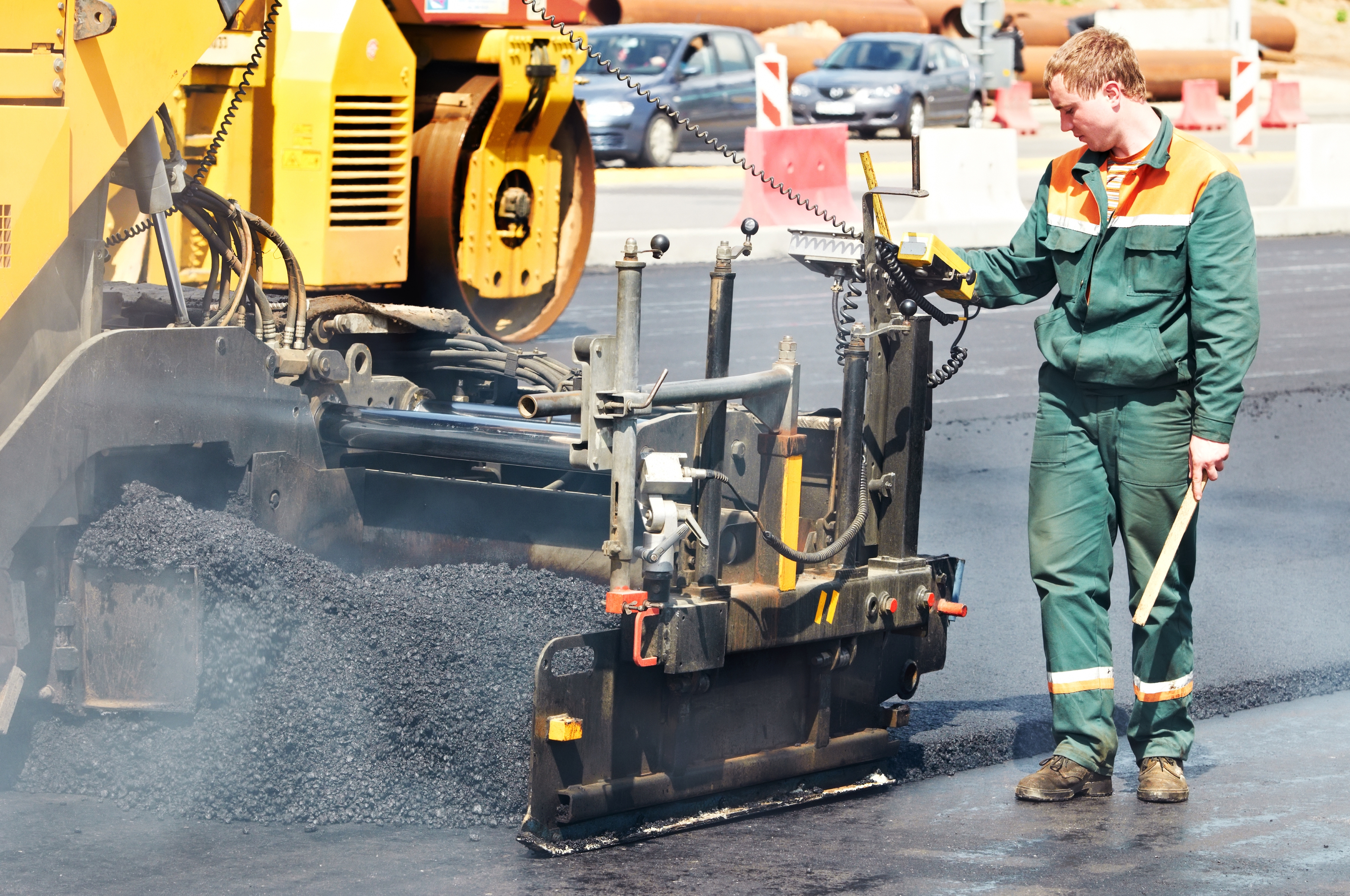
Asphalt is 100% recyclable, and existing asphalt pavement can be milled by machine or steer skid from driveways, roads, streets, and more, and refined as a by-product. Asphalt that is milled from these locations is called RAP, or reclaimed asphalt pavement. Since most paving contractors and homeowners do not have access to their own asphalt processing and screening facility, they often pay a hot mix plant a small fee to take it off their hands. Once it is processed and screened at the hot mix plant, it is turned into recycled asphalt hot mix. This recycled asphalt is also 100% recyclable, and provides several benefits to us and our environment.

Continue reading to learn more about the various advantages of asphalt recycling.

Indianapolis Asphalt Repair
Indianapolis Asphalt Repair 317-549-1833

Good for the Environment

Recycling asphalt is highly beneficial first and foremost to our surrounding Eco-system, as well as, our environment as a whole. Not only does it significantly reduce the need for new mining and quarrying, it also reduces our consumption of scarce natural resources, like oil and aggregate material.

Cost Benefits

The price of recycled asphalt is significantly less compared to that of new asphalt. You can expect a savings of anywhere from 30 to 80 dollars per ton of asphalt mix. This is a great solution for municipal budget conflicts, labor costs and wages, and more. Recycled asphalt also helps paving contractors by eliminating disposal costs, increasing profitability, reducing the need for a hot mix plant, a allowing the ability to produce virgin asphalt and asphalt material all day long.

Strength and Longevity

Recycled asphalt is very durable and can last for many years if properly graded and maintained, and contains sufficient asphalt content. It must also be correctly recycled to achieve these credentials. This means it has to be properly mixed at the plant and never overheated during the recycling process. You can expect recycled asphalt hot mix to last up to 15 years or more, depending on the region you live.

Commercial and Industrial Pavement Repair in Indianapolis

Call ACI Asphalt and Concrete at 317-549-1833 for professional pavement repair in Indianapolis, Indiana. Our licensed road construction contractors provide a wide range of asphalt and concrete work for commercial and industrial properties, including inspections, installation, replacement, repair, and more. We also offer free estimates and consultations, flexible scheduling, references upon request, and more. Best of all, our work is backed by our 100% Satisfaction Guarantee, so you can rest assure that your investment is sound. Request a free quote, today.
The Difference Between Crack Sealing and Crack Filling

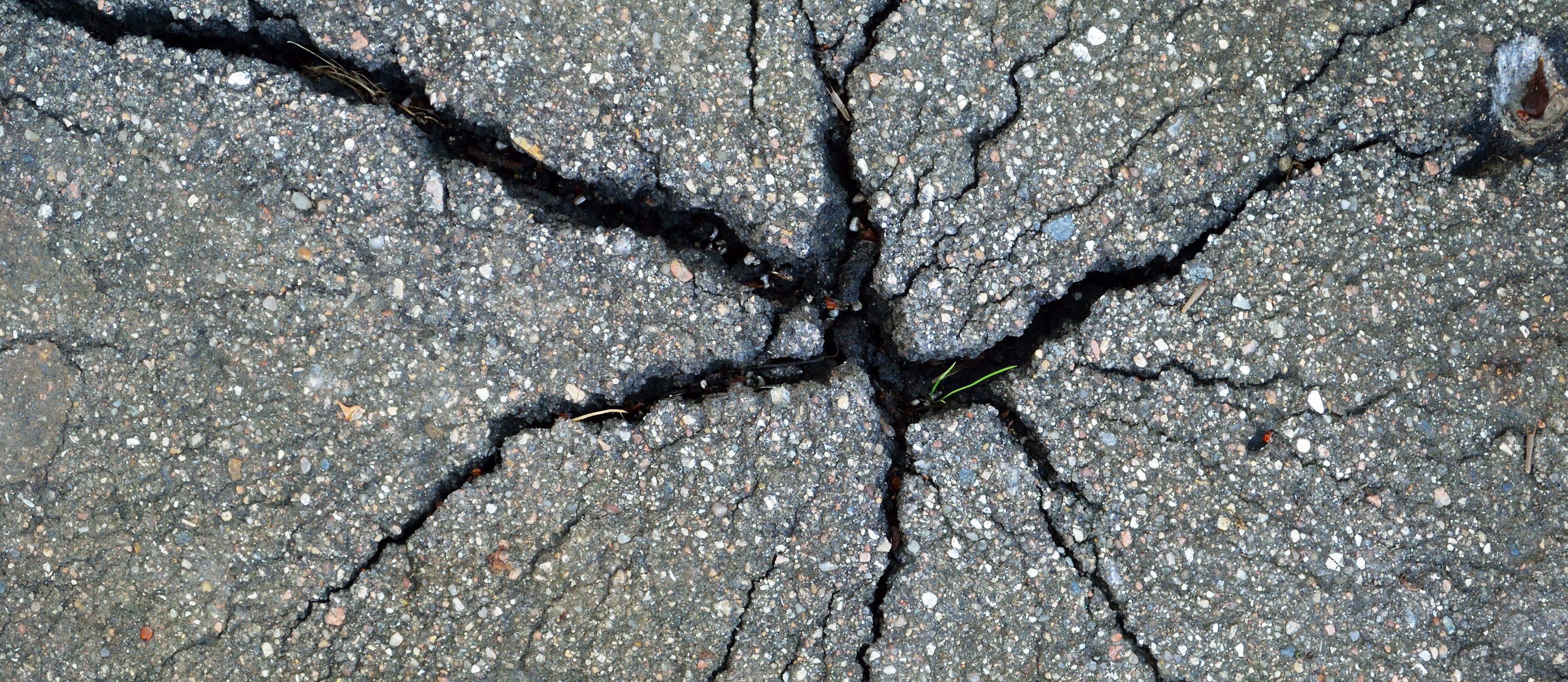
All asphalt pavements will eventually require some sort of restoration, repair, or maintenance. This includes crack repair. But there is more than one way to treat cracks in asphalt pavement, and many people confuse them for one another. Cracks in asphalt pavement can either be sealed or filled, depending on several variables. Many people confuse the two terms as being the same task, when in fact, they are two separate methods to crack repair. It is important to understand their differences to accurately match the most effective and durable crack treatment.

Continue reading to learn the difference between crack filling and sealing, and when to use one over the other.

Indianapolis Concrete Repair 317-549-1833

Working Cracks

In order to understand the methods behind crack sealing and filling, you need to know what the term, “working cracks” refers to. A working crack is a crack that is either vertical or horizontal, and is exhibiting movements greater than 2.5 millimeters. Examples of working cracks include transverse cracks, and in some cases, longitudinal cracks. The method of crack repair that should be used largely depends on the movement criteria of a crack.

Crack Filling

Non-working cracks, crack movements less than 2.5 millimeters, are better repaired using the crack filling method. During this process, specially-manufactured non-rubberized materials are placed within non-working cracks. Examples of such material includes crumb rubber, asphalt emulsion, AC-3, and more. This not only reinforces the pavement, it also drastically reduces water infiltration which can cause cracks to expand. Generally, longitudinal cracks are the most common types of non-working cracks, but in some cases, diagonal cracks and block cracks fit into the
non-working category as well.

Crack Sealing

Crack sealing is a method of crack repair for working cracks, like transverse cracks. In this process, special material is applied on top of, or above, working cracks, not inside. It is applied in a unique configuration to give the pavement less permeability, stopping water infiltration, salt, and other debris. Just like crack fillers, crack sealants are also rubberized products. These bend, stretch, and flex along with the surrounding pavement’s movement, preventing further cracking.

So in short, if you have cracks that are not really moving or expanding, then crack filling is the right treatment for your pavement. But if your cracks are in motion, then you will need to think about crack sealing services instead.

ACI Asphalt and Concrete Inc.

Call ACI Asphalt and Concrete at 317-549-1833 for professional crack filling and repair services in Indianapolis, Indiana. Our licensed road construction contractors provide a wide range of asphalt and concrete work for commercial and industrial properties, including inspections, installation, replacement, repair, and more. We also offer free estimates and consultations, flexible scheduling, references upon request, and more. Best of all, our work is backed by our 100% Satisfaction Guarantee, so you can rest assure that your investment is sound. Request a free quote, today.
The Basic Differences between Conventional and Airless Asphalt Striping Machines

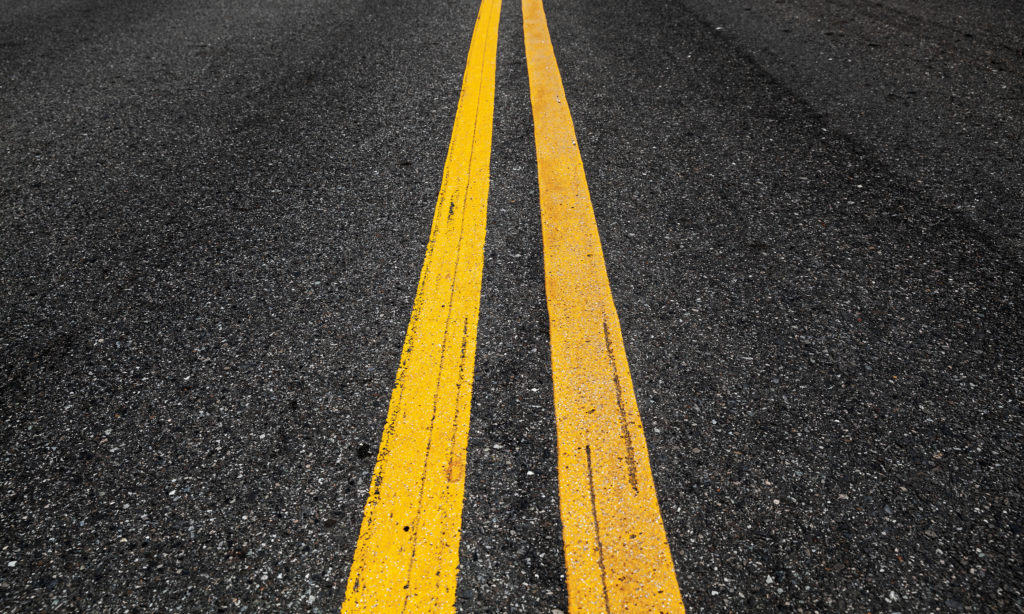
In the world of asphalt pavement, there are two primary types of striping machines used to create those white and yellow lines in the road we see and depend on every single day. These two striping machines are separated from one other based on the use of air. One option is called a conventional paint striping machine, and the other is called an airless paint striping machine. There are some basic, but notable, differences between the two most commonly used striping machines in the pavement industry.

Continue reading to learn these differences, and a little more about the devices behind the stripes, lines, and commands on the roads and parking lots in your town.

Indianapolis Road Striping and Paving
Indianapolis Road Striping and Paving 317-549-1833

Conventional Paint Striping

A conventional striping device uses air and comes equipped with a 7-gallon paint pot that seals and opens, as well as, a small engine and air compressor. The air compressor is an important component that plays a major role in the machines function. In fact, it feeds air to 4 different places: the sealed paint pot, the gun, a small can that holds a paint thinner, and 2 hoses that connect to the rear of the machine. Let’s take a closer look at these four areas.

When air is fed to the paint pot, it forces the paint to travel downward and out of the can, and then into a hose that leads to the primary spray gun. As air is fed into the primary gun, it transforms the paint into a spray, allowing large-scale, uniform application. If air is not introduced to the paint, it would simply drip or squirt out of the gun.

Air is also introduced to a small container that primarily holds paint thinner, but can also house water instead, depending on the type of paint (latex or oil-based) you are using. This is used to clean the gun tip during the application process. After spraying for an extended period of time, you can open the valve for a second or two to send the paint thinner (or water) through a separate hose and directly to the gun tip. This, of course, prevents build-up and blockages.

As mentioned before, the fourth area that air is fed to inside a pavement striping machine are the two hoses that attach to the back. One hose is for paint, while the other is for air. The hose that carries the paint does not supply the primary gun, but rather, a second gun used for stenciling and other paint applications. The air in the other hose allows the paint to spray properly. When it comes to conventional striping machines, it is important to know they require two separate spray guns: one for oil-based paint and one for latex paint.

Airless Striping Machines

Unlike the conventional machines, airless paint striping machines do not use air. Instead, they come equipped with openings in the gun tips that are specially-designed to promote a “spray-like” dispersion. You can get a better idea of this concept by thinking about a garden hose. When a hose is on, you can place your fingers on top of the opening to change the way the water comes out. By simply reducing the size of the hose’s opening, you can alter the speed, force, and spread of the water.

The same idea apples to the openings on airless striping machines. The holes, or openings, in the tip of the paint gun are designed to be very tiny and uniquely shaped in order to achieve spray-like paint dispersal and application. Since these machines do not come with a paint pot, they are much lighter in weight. Many people prefer the airless machines since they simply come with one hose, one motor, one engine, and one pump.

Indianapolis Line Striping Road Marking Services

Call ACI Asphalt and Concrete at 317-549-1833 for professional line striping and road marking services in Indianapolis, Indiana. Our licensed road construction contractors provide a wide range of asphalt and concrete work for commercial and industrial properties, including inspections, installation, replacement, repair, and more. We also offer free estimates and consultations, flexible scheduling, references upon request, and more. Best of all, our work is backed by our 100% Satisfaction Guarantee, so you can rest assure that your investment is sound. Request a free quote, today.
The Difference Between Hot Asphalt and Warm Asphalt Mix

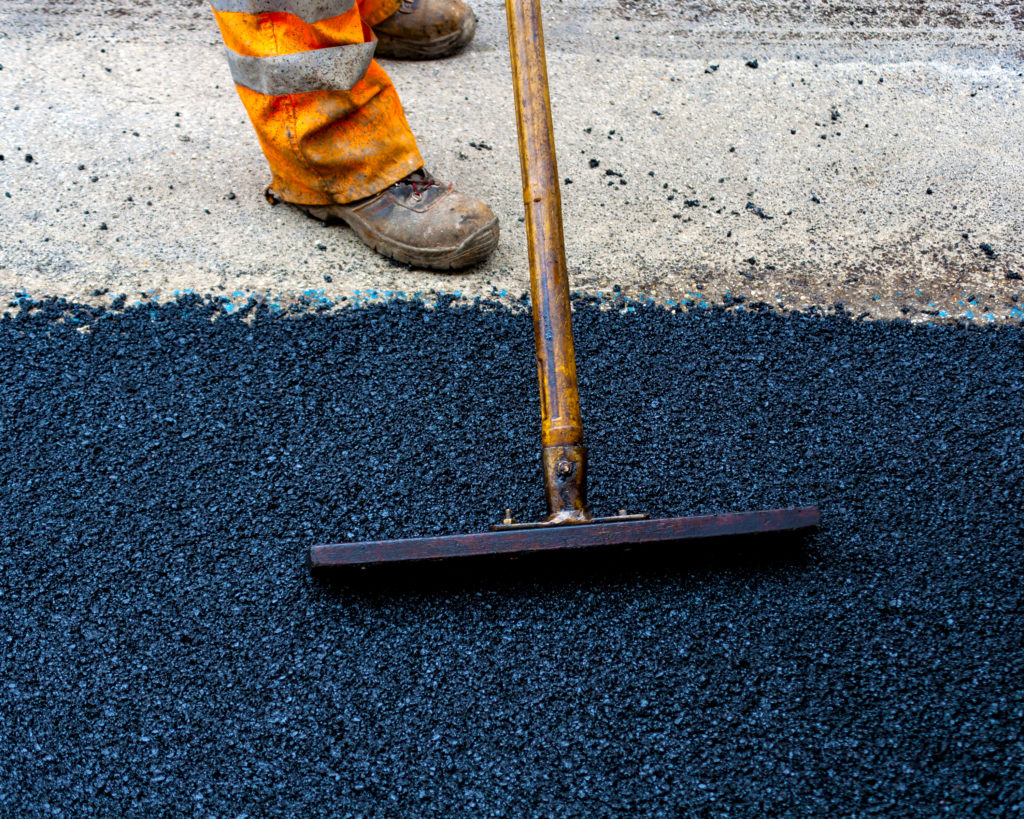
Asphalt is a highly-beneficial paving material that can be used in various applications within the construction industry. There are several types of asphalt mixes, including hot mix asphalt (HMA), warm mix asphalt (WMA), cold mix asphalt, cut-back asphalt concrete, mastic asphalt concrete, and variations of them all. By customizing aggregate material composition, binders, and more, contractors can achieve the proper asphalt pavement mix needed for the job. In this blog, we will discuss the principle differences between the two most popular forms of asphalt: HMA and WMA.

Continue reading to learn more about hot mix asphalt and warm mix asphalt, and what makes them so different.

Commercial & Industrial Paving Contractors
Asphalt Concrete Paving 317-549-1833

Hot Mix Asphalt

Hot mix asphalt is just that: hot. It is poured at a high temperature of 300 to 350 degrees Fahrenheit, and is only applied when outdoor temperatures exceed 40 degrees Fahrenheit because it cools so rapidly. In the United States, it is the most common method of asphalt paving used for high-traffic pavements like highways, roads, interstates, and more. This is largely due to its advantageous qualities. Hot mix asphalt is water and weather resistant, flexible, and environmentally-friendly. Interesting uses for HMA includes environmental liners for places like reservoirs, landfills, and fish hatchery ponds.

Warm Mix Asphalt

Warm mix asphalt is manufactured and shipped at lower temperatures, usually between 200 and 250 degrees Fahrenheit, and it has a slower cooling rate than HMA. This means it can be used in colder seasons or climates for road, highway, and interstate construction. For the same reason, it can be shipped long distances as well. WMA is used in roughly 30 percent of paving projects around the country because of its slow cooling rate, versatility, environmental benefits, and health benefits for workers. Since WMA is poured at lower temperatures, it reduces the amount of dust, smoke, and fumes created when applying HMA. This is safer for workers as well as the surrounding environment. It is also a wise choice for paving in tunnels, especially on a poor air quality day!

Indianapolis Asphalt and Concrete Paving Services

Call ACI Asphalt and Concrete at 317-549-1833 for commercial asphalt paving in Indianapolis, Indiana. Our licensed road construction contractors provide a wide range of asphalt and concrete work for commercial and industrial properties, including inspections, installation, replacement, repair, and more. We also offer free estimates and consultations, flexible scheduling, references upon request, and more. Best of all, our work is backed by our 100% Satisfaction Guarantee, so you can rest assure that your investment is sound. Request a free quote, today.
What is Perpetual Pavement?

Asphalt is a wonderful and versatile pavement that provides a wide range of benefits, both financial and environmental. The smooth ride, enhanced safety, and appealing luster are just a few of the many admirable attributes of asphalt pavement. But what is perpetual pavement? Is it the same thing? What applications is it used in? For answers to these questions and more, continue reading and eliminate the confusion between perpetual and porous pavement.

Indianapolis Asphalt Seal Coating 317-549-1833

Perpetual Pavement

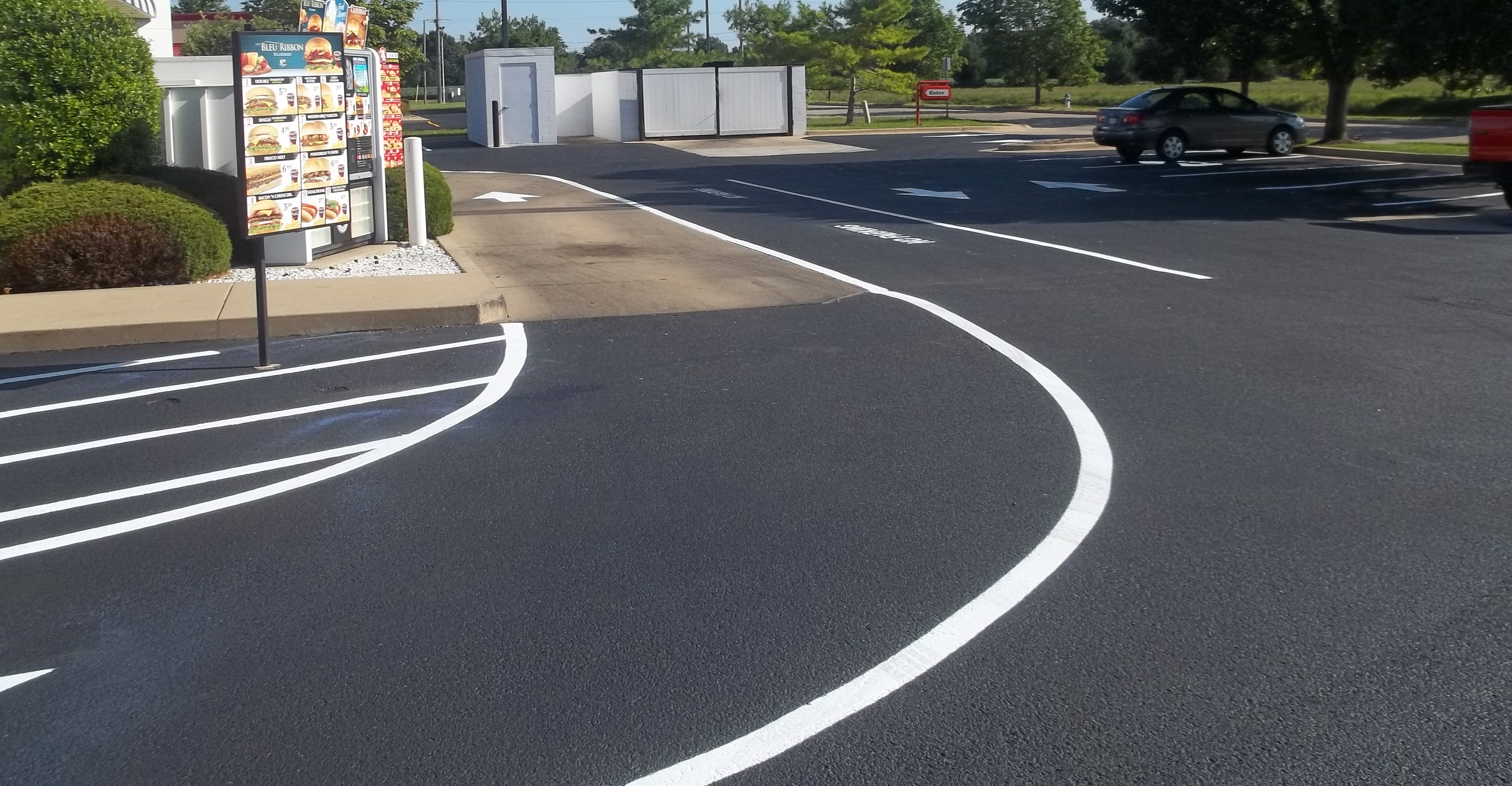
Perpetual pavement is simply asphalt! However, it is a type of asphalt that combines all the smoothness and safety of asphalt, but in multiple layers. Perpetual pavement uses an advanced design process that lays asphalt in multiple layers to increase durability, strength, and longevity in roads and highways. This makes it perfect for areas with high traffic volume.

The first (bottom) layer of perpetual asphalt is flexible but strong, and resists pliable pressure caused by heavy traffic and more. This prevents the occurrence of cracks forming at the very bottom of pavement foundations.

The permanent structural portion of laying perpetual pavement is finished in the intermediate layer, following the bottom layer. This intermediate layer provides more strength and durability, as well as, extends lifespan of asphalt.

The last layer of perpetual asphalt is the rut-resistant hot-mix asphalt portion. It produces years of lasting resistance and durability that’s well passed the scheduled date for restoration.

The advantages of perpetual pavement services are well-worth the effort. Since the process is quick and efficient, construction times are reduced and traffic is not blocked or delayed for long periods of time. Also, this type of pavement installation provides exceptionally long-lasting strong pavement that is virtually uninfluenced by harsh weather and heavy traffic volume.

Commercial Asphalt and Concrete Paving Service in Indianapolis

Call ACI Asphalt and Concrete at 317-549-1833 for commercial or industrial asphalt installation and repair services in Indianapolis, Indiana. Our licensed road construction contractors provide a wide range of asphalt and concrete work for commercial and industrial properties, including inspections, installation, replacement, repair, and more. We also offer free estimates and consultations, flexible scheduling, references upon request, and more. Best of all, our work is backed by our 100% Satisfaction Guarantee, so you can rest assure that your investment is sound. Request a free quote, today.
Why Do Some Asphalt Parking Lots Have So Many Puddles?

Managing a commercial property is comprehensive. You have your interior maintenance obligations, as well as, exterior maintenance obligations. Both are imperative for sustaining commercial buildings and protecting property investments. As for exterior needs, most commercial properties have parking lots, sidewalks, or parking spaces that need managed routinely. Some parking lots look fantastic and offer desirable driving conditions, while other seem to have some issues.

One common problem with public and commercial asphalt parking lots is puddles and excessive water accumulation. As they notice more and more puddles accumulating around their parking lots, many business owners ask why this happens.

Continue reading to learn why some parking lots have several puddles, and what needs to be done to eliminate this excess water problem.

Indianapolis Parking Lot Repair 317-549-1833

Parking Lot Puddle Problems

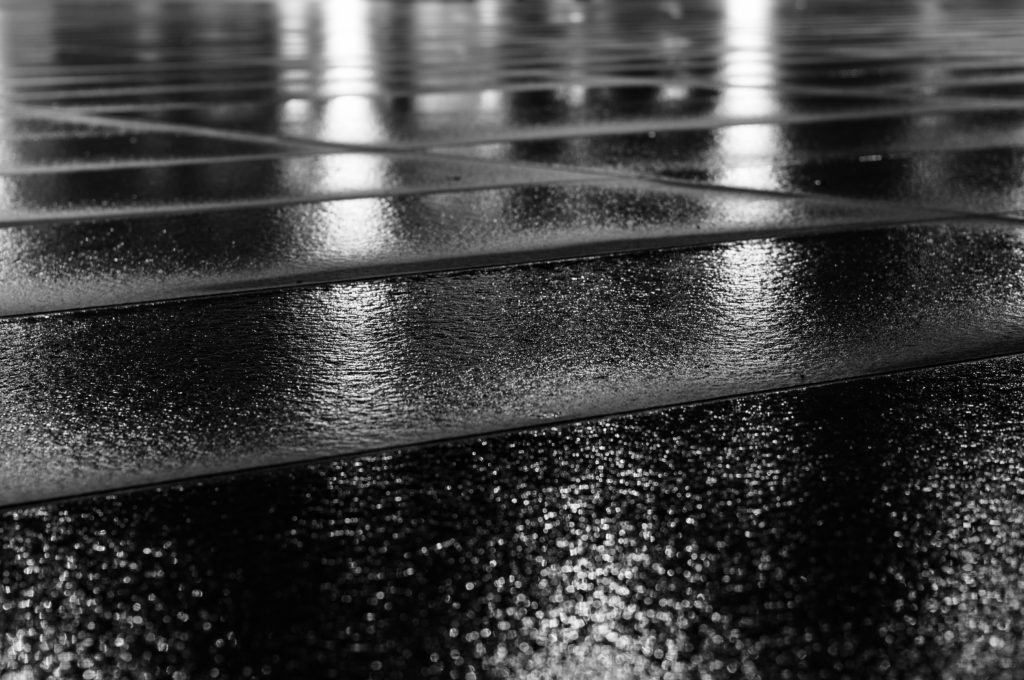
Parking lots can have a lot of puddles for a number of reasons, including sub-base issues and poor water drainage. But the most common culprit behind mass parking lot puddles is rutting and depressions. Asphalt is a flexible pavement and flexes with natural forces and heavy weight. Overtime, if cars are parked in the same spot repeatedly, it can cause the asphalt to slowly deform and indent. This is called rutting. These indentations will collect rain water and water run-off, and not drain quickly since asphalt is not as porous as concrete. Wheel paths and parking spots are especially prone to asphalt rutting.

Another cause of parking lot puddles that’s related to rutting is grade depressions. These are areas of the pavement that are lower than the surface line. Grade depressions and rutting cause puddles of water to accumulate on parking lot surfaces; but what causes rutting and depression?

Poor compaction is generally the cause behind rutting and grade depression problems. During the pavement installation process, a roller is used to compact the asphalt. If improper technique, equipment, or roller size is used, poor compaction will result. Compaction is meant to make asphalt pavements extremely durable and strong. If compaction is not done properly, the asphalt is not as durable and will be subjected to rutting and grade depressions; which as you know now, lead to parking lot puddle accumulation.

The problem with poor asphalt compaction is that you don’t see it until your parking lot starts to suffer aesthetically. This is why it is vital to use a reputable pavement company for accurate and dependable asphalt installation and repair services.

Parking Lot Installation and Repair Contractors in Indianapolis

Call ACI Asphalt and Concrete at 317-549-1833 for professional parking lot repair services in Indianapolis, Indiana. Our licensed road construction contractors provide a wide range of asphalt and concrete work for commercial and industrial properties, including inspections, installation, replacement, repair, and more. We also offer free estimates and consultations, flexible scheduling, references upon request, and more. Best of all, our work is backed by our 100% Satisfaction Guarantee, so you can rest assure that your investment is sound. Request a free quote, today.
4 Benefits of Infrared Asphalt Repair

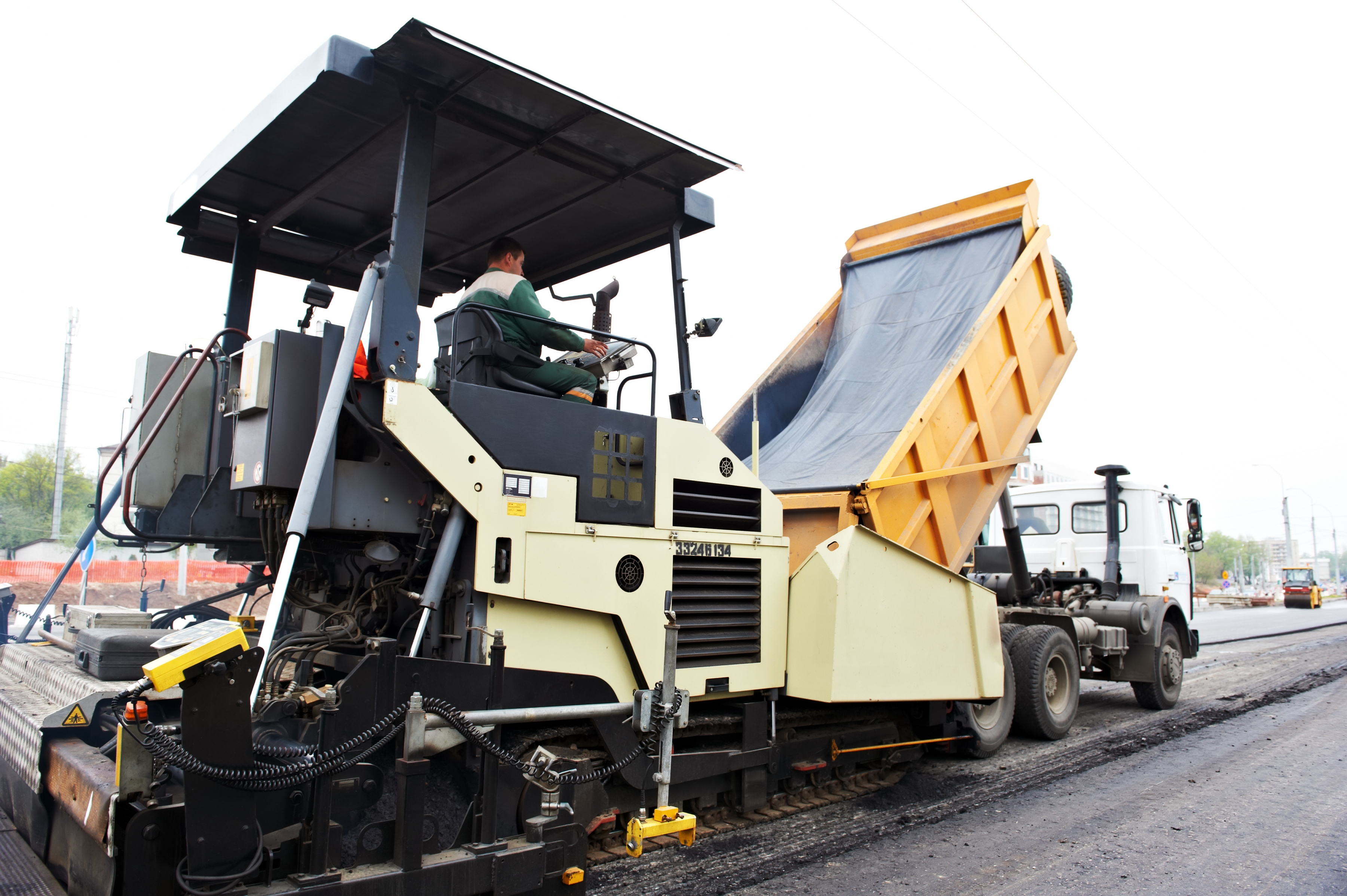
Infrared technology has constructively changed the way we repair asphalt. Not only is infrared asphalt repair more efficient, it’s faster than the methods used prior to its introduction to the industry. Once taking an entire team to complete, an infrared project only requires a two to three man crew. There are several advantages to infrared asphalt technology, all of which can be categorized into four main benefits: economical, operational, environmental, and value.

Continue reading to learn about these four key benefits to innovative infrared asphalt pavement technology.

Indianapolis Asphalt Repair

Economic Benefits

Infrared technology has a few note-worthy economical aspects. For one, it primarily uses existing asphalt, so very little new material is needed, reducing material purchasing costs by 80 percent or more. Also, for this same reason, very little material is discarded, which reduces disposal costs by 90 percent.

Costs for transporting and plant production, as well as, the cost for city highway and road repairs are reduced dramatically. More roads can be repaired at a cheaper cost to the city, and fast! Quick project completion times reduces traffic jams and construction roadblocks for daily commuters. This makes infrared pavement repair beneficial to everyone!

Operational Benefits

What once took a team of up to six men or more, now only requires a two or three man crew. Infrared technology allows for faster and more efficient project completion. The project is easy to set up, which allows workers to get started right away, wasting no time on the clock at all. This cuts labor costs for pavement repair companies, which in turn reduces the cost of road repairs for the city; not to mention quick turn-over times that eliminates construction road blocks and traffic.

Another great operational advantage is the lack for excavation. No jack-hammering, digging, or milling is necessary when using this technology, so no underground systems are disrupted. This includes telephone lines, plumbing, and more. No matter how large or small the patch in the pavement is, it can be repaired with infrared technology, and all at once in a continuous route so to not block off large portions of the road or highway.

Environmental Benefits

One of the greatest aspects of infrared asphalt repair is its eco-friendly benefits. All the existing asphalt material in and around a hole is heated up and reused with infrared technology. So the need to manufacture new material is decreased substantially since mostly existing material is used to patch holes and cracks. This reduces the amount of disposed asphalt material sent to landfills by 90 percent!

Since operation is quick and easy, there is no noise pollution like jackhammers and loud construction equipment. It’s easy for the workers to implement, and it’s easy on the community’s hears. Also, quick and easy operation means less equipment needed, which means less diesel fuel being used since only one lorry is necessary for the job, rather than two or more.

Value

Infrared asphalt repair has proven to be an efficient and effective method to patch holes and more in pavement. Heating the tarmac allows for a solid, leak-proof seal. This prevents future admission of water and moisture that leads to cracking and deterioration. It provides a smooth, uniform surface that is easy and pleasant to drive on.

Indianapolis Commercial Asphalt Paving Contractors

Call ACI Asphalt and Concrete at 317-549-1833 for professional asphalt paving services in Indianapolis, Indiana. Our licensed road construction contractors provide a wide range of asphalt and concrete work for commercial and industrial properties, including inspections, installation, replacement, repair, and more. We also offer free estimates and consultations, flexible scheduling, references upon request, and more. Best of all, our work is backed by our 100% Satisfaction Guarantee, so you can rest assure that your investment is sound. Request a free quote, today.
What are Recycled Asphalt Millings?

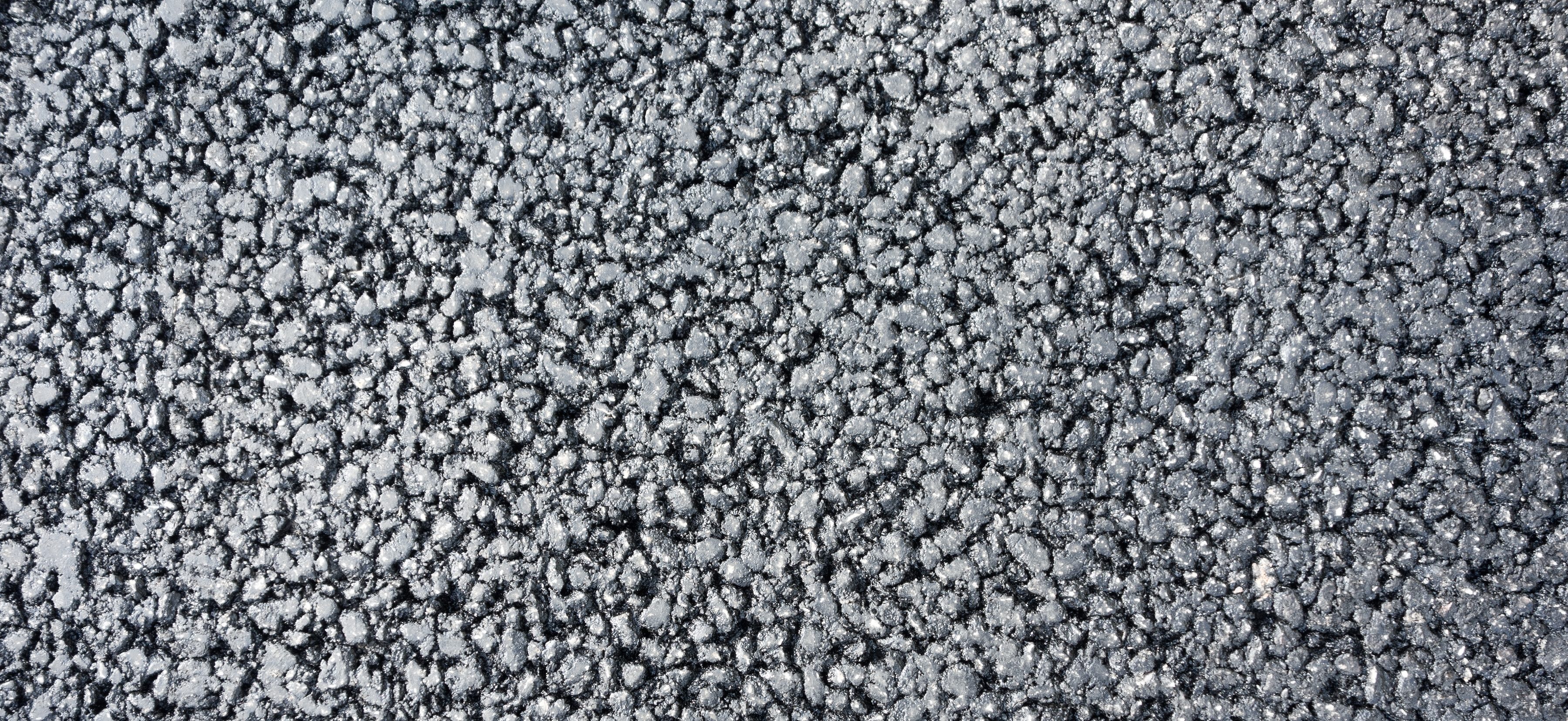
Recycled asphalt millings are essentially the product you get when old asphalt is ground up into gravel-sized pieces. You may also hear it be referred to as “crushed” or “recycled” asphalt. When a road needs repaired or replaced, a milling machine can be used to “mill” the existing asphalt pavement, and the gravel produced from the machine is saved for other purposes. Asphalt milling is an inexpensive, versatile, and environmentally-friendly alternative to traditional paving procedure and products, and can be a wonderful choice for asphalt repair or refurbishing.

Continue reading to learn more about asphalt millings and how they are beneficial for home and property owners.

Asphalt Concrete Paving 317-549-1833

Recycled Asphalt

Recycled asphalt millings offer a wide variety of benefits and purposes for both commercial and residential property owners. They offer a long-term solution for roads, streets, driveways, paths, parking lots, bike trails, and more; all for a lower cost than laying new asphalt pavement. It is less susceptible to natural wear and tear, harsh weather, and changing climates; and it produces less mud, dirt, and dust. So not only is it affordable, it is long-lasting and durable as well!

A full truck-load of recycled asphalt millings will generally contain around 20 tons of material and cover nearly 1800 square feet in a three inch thick layer. Prices vary from company to company, but you always get the best deal for full truck loads or bulk orders.

Crushed asphalt is environmentally-friendly because it doesn’t require the use of new materials, and old materials are reused and re-purposed. The do not require refinishing, replacing, or resurfacing, and only strengthens over time. It is the perfect alternative to new asphalt pavement installation, and can dramatically transform the look of any property! Consult a professional asphalt paver for details about pricing, installation, design options, and more.

Indianapolis Asphalt and Concrete Repair Near You

Call ACI Asphalt and Concrete at 317-549-1833 for professional asphalt repair services in Indianapolis, Indiana. Our licensed road construction contractors provide a wide range of asphalt and concrete work for commercial and industrial properties, including inspections, installation, replacement, repair, and more. We also offer free estimates and consultations, flexible scheduling, references upon request, and more. Best of all, our work is backed by our 100% Satisfaction Guarantee, so you can rest assure that your investment is sound. Request a free quote, today.
FAQs Regarding Asphalt Pavement

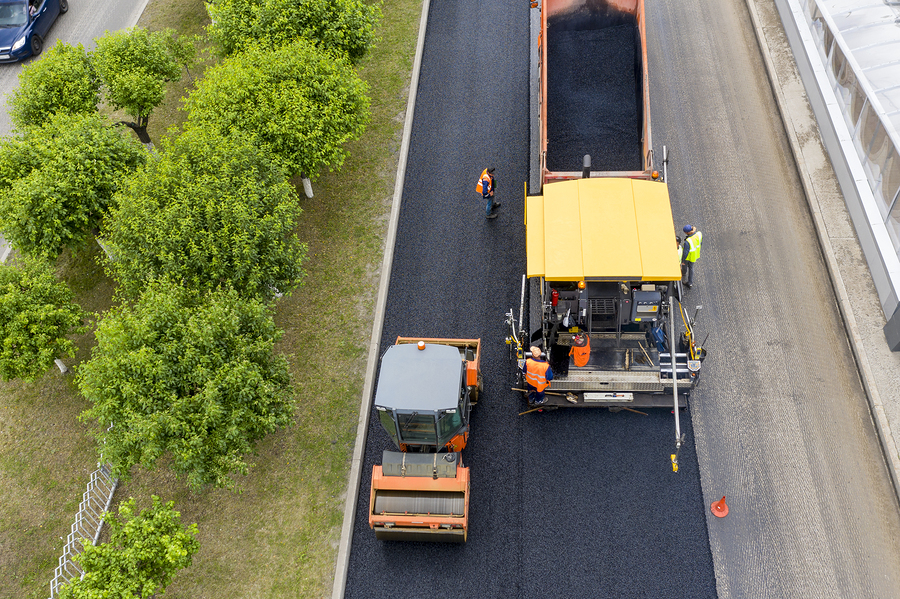
If you were to ask a professional and experienced pavement contractor what the most frequently asked questions are about commercial asphalt paving, he or she would have plenty to tell you; most of which likely consisting of misunderstandings and untruths. Concrete and asphalt, and other paving materials, are not topics of common knowledge for commercial property owners, so questions are frequent, expected, and invited by most paving professionals. The more questions you ask, the more you understand about paving installation, maintenance, procedures, and more; thus protecting your investment in the long run.

Continue reading and learn some important facts about asphalt, and better prepare yourself for making final pavement decisions for your property.

Commercial Road Work and Paving
Commercial Road Work and Paving 317-549-1833

Lifespan of Asphalt Paving

Many people inquire about the lifespan of asphalt and are told that it can last for 15 years or more with proper maintenance and care. This is true! In fact, with proper installation and sealcoating, asphalt pavements can last up to 20 years and perhaps longer in regions with milder climates. Seal-coating is a protective layer that further slows the natural wear and tear (cracking, crumbling, potholes, dips, swells, etc.) that outdoor pavements are subject to on a daily basis. It also protects against chemical spills, oil accretions, water permeation, oxidation, fading, and more. It can even speeds up how fast snow and ice melts! It is important to have your asphalt surfaces routinely seal-coated for ultimate protection.

Eco-Friendly Aspects of Asphalt

Asphalt is a recyclable material, made of recyclable materials. This quality makes asphalt a very Eco-friendly choice for commercial properties. For this reason, over 100 million tons of asphalt material is used each year to construct our city’s parking lots, roads, highways, and more! Porous asphalt is additionally Eco-friendly due to the fact that it allows water to penetrate its surface and return to the natural water table after filtering through the soil and bedrock.

Asphalt in Cold Weather

In colder regions or seasons, asphalt pavements are known to outlast and outperform concrete pavements. The principle reason for this is that concrete is a permeable pavement, allowing water to penetrate its pores and undergo freeze-thaw cycles. This causes concrete to expand, crack, and deteriorate overtime. Asphalt paving can withstand harsh winter weather, salt damage, and precipitation better than concrete can.

Types of Asphalt

There are several types of asphalt, each mixed differently for the precise job or need. It is important to match the right type of asphalt mix to the job your commercial property requires. Each job requires a specific asphalt mix, from parking lots to driveways and more.

Trusted Indianapolis Asphalt and Concrete Road Repair

Call ACI Asphalt and Concrete at 317-549-1833 for commercial asphalt paving and service in Indianapolis and its surrounding areas. Our licensed and qualified paving contractors provide a wide range of asphalt and concrete pavement repair and installation services at the most competitive prices in town, including crack filling, overlays, resurfacing, and sealcoating. Request a free estimate, today!

Infrared Pothole Repair

A popular and effective method for road patching and pothole repair is a process that uses infrared heating technology. This method of asphalt patching has several benefits, making it a top choice for pavement repair companies across the country. Not only does the infrared asphalt repair technology allow for faster repair times and better results, it also reduces environmental impacts, noise pollution, labor costs, and the amount of equipment needed for the job. And perhaps best of all, it’s cheaper than the older methods of asphalt road repair!

Continue reading to learn more about infrared asphalt and pothole repair, and all the wonderful benefits it offers.

Indianapolis Asphalt Repair 317-549-1833

Infrared Asphalt Road Patching

Potholes are trouble. And no one likes them. And no one sees them. Which is why they are such trouble! The new infrared asphalt road patching technology eliminates this frustrating dilemma by allowing faster repair rates and simpler repair procedures. Here’s how it works: An infrared heating unit heats up asphalt on roads, melting it in its place and changing it into a workable and alterable state of composition. From here, pavement repair contractors add new asphalt that melds perfectly with the old asphalt. Then they use specialized equipment to smooth out and re-pave the soft asphalt until it’s entirely level and feathered into the surrounding pavement. This eliminates seams and lines, reducing water infiltration and future freeze/thaw damages.

Environmental Benefits

There are several industry, commercial, and societal benefits to the infrared asphalt repair process; however, there are several environmental benefits too! Just another great reason why this new technology is a wonderful addition to the pavement repair industry. Environmental benefits start with the simple fact that reusing existing asphalt tarmac is less environmentally wasteful than removing old asphalt and replacing it with new material. All of the existing tarmac is 100% recycled and reused! Also, since the technology has become popular, materials sent to landfills have reduced as much as 90 percent, as well as, the use of new asphalt materials!

Commercial Paving Services in Indianapolis

Call ACI Asphalt and Concrete at 317-549-1833 for commercial pavement repair in Indianapolis and its surrounding areas. Our licensed and qualified paving contractors provide a wide range of asphalt and concrete pavement repair and installation services at the most competitive prices in town, including crack filling, overlays, resurfacing, and sealcoating. Request a free estimate, today!