Tips for Planning a Parking Lot Expansion

Parking lot expansion is a common pavement installation undertaking for commercial properties that need more parking space. Also, the addition of new equipment, inventory increases, and vehicles can be plenty reason enough to expand a parking lot as well. Regardless of why you wish or need to expand a commercial or industrial parking lot, it is important to be well-informed of the basics to parking lot expansion ahead of time, and to learn what to expect from your commercial pavers.

Continue reading for a few simple tips for planning a parking lot expansion.
Parking Lot Paving Services 317-549-1833

Parking Lot Installation Basics

Whether you have an asphalt or concrete parking lot, additional parking lot installation and expansion is possible. However, there are a few things to consider before moving forward with parking lot installation or expansion project. With these simple tips in mind, you can better make an informed decision you can rely on.

Here are 3 important tips when planning to expand your parking lot:

❶ Be Aware of Your Parking Lot Pavement Needs

It is important to be informed of all your parking lot’s individual needs. This means discussing drainage, preventative maintenance, seal coating, and more. Ask your paving contractor how new asphalt or concrete is added to expand a parking lot, as well as, how they plan to incorporate the proper drainage solutions for the added surface area. If your current lot has issues, it is wise to discuss those issues with your contractor and have them resolved before new pavement is installed. Find out what all your parking lot needs are with your contractor before signing on the dotted line.

❷ Outsource Professional Pavement Installation

For the most professional parking lot expansion, you will need to hire a well-qualified pavement company. This means they should be licensed, bonded, and insured, with several years of experience. Ask about their equipment and whether or not their employees are certified and pre-screened. All of these and more are indications that they are a well-established and trusted paving company in the local community. You can also look for client reviews online and ask to see completed parking lot jobs they’ve done in the past to see what their skill levels look like.

❸ Learn About Parking Lot Maintenance

Anyone can have a new parking addition added to their existing lot, but the key is to maintain it for as long as possible! If you are investing in a new or expanded parking lot, it is strongly encouraged to learn proper and effective parking lot maintenance. Routine care for parking lots is vital in order to extend the life of your pavement and reduce the need for future repairs. This includes daily sweeping, staying on top of cracks and pothole repairs, and opting for a quality seal coat. Ask your paving contractor for details about parking lot maintenance and care.

Parking Lot Repair and Paving Professionals in Indianapolis

Call ACI Asphalt and Concrete at 317-549-1833 for parking lot repair and installation services in Indianapolis, Indiana. Our licensed road construction contractors provide a wide range of asphalt and concrete work for commercial and industrial properties, including inspections, installation, replacement, repair, and more. We also offer free estimates and consultations, flexible scheduling, references upon request, and more. Best of all, our work is backed by our 100% Satisfaction Guarantee, so you can rest assure that your investment is sound. Request a free quote, today.
The Difference Between Hot Asphalt and Warm Asphalt Mix

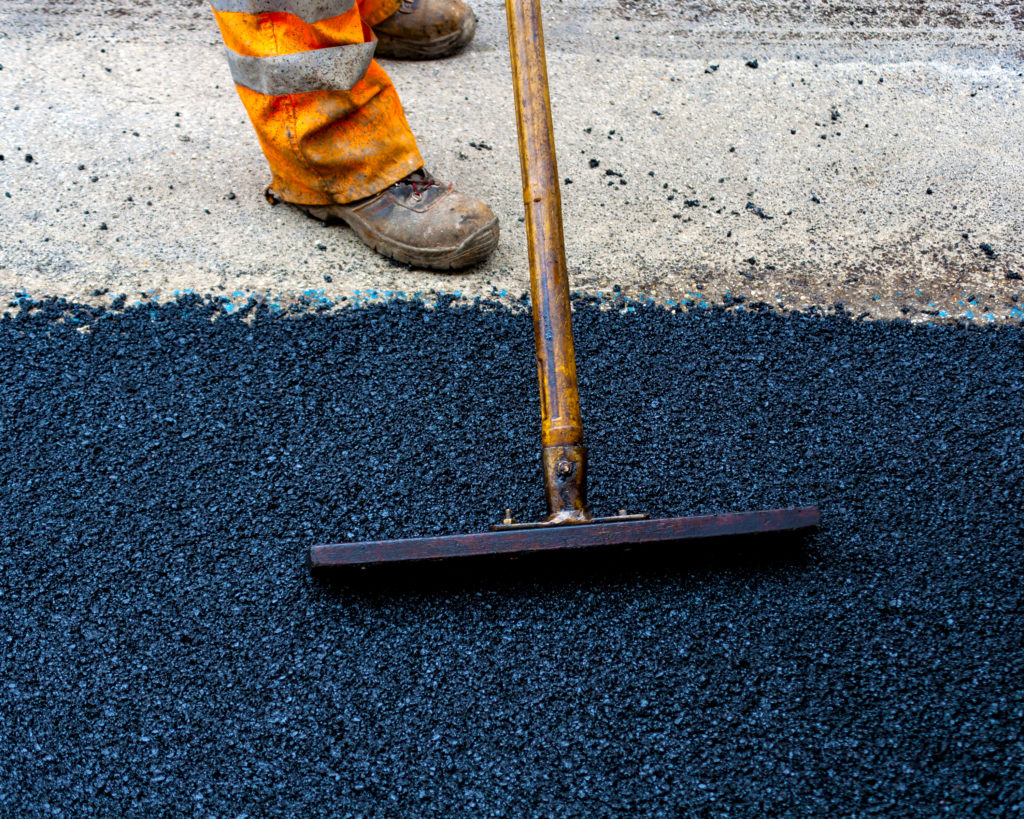
Asphalt is a highly-beneficial paving material that can be used in various applications within the construction industry. There are several types of asphalt mixes, including hot mix asphalt (HMA), warm mix asphalt (WMA), cold mix asphalt, cut-back asphalt concrete, mastic asphalt concrete, and variations of them all. By customizing aggregate material composition, binders, and more, contractors can achieve the proper asphalt pavement mix needed for the job. In this blog, we will discuss the principle differences between the two most popular forms of asphalt: HMA and WMA.

Continue reading to learn more about hot mix asphalt and warm mix asphalt, and what makes them so different.

Commercial & Industrial Paving Contractors
Asphalt Concrete Paving 317-549-1833

Hot Mix Asphalt

Hot mix asphalt is just that: hot. It is poured at a high temperature of 300 to 350 degrees Fahrenheit, and is only applied when outdoor temperatures exceed 40 degrees Fahrenheit because it cools so rapidly. In the United States, it is the most common method of asphalt paving used for high-traffic pavements like highways, roads, interstates, and more. This is largely due to its advantageous qualities. Hot mix asphalt is water and weather resistant, flexible, and environmentally-friendly. Interesting uses for HMA includes environmental liners for places like reservoirs, landfills, and fish hatchery ponds.

Warm Mix Asphalt

Warm mix asphalt is manufactured and shipped at lower temperatures, usually between 200 and 250 degrees Fahrenheit, and it has a slower cooling rate than HMA. This means it can be used in colder seasons or climates for road, highway, and interstate construction. For the same reason, it can be shipped long distances as well. WMA is used in roughly 30 percent of paving projects around the country because of its slow cooling rate, versatility, environmental benefits, and health benefits for workers. Since WMA is poured at lower temperatures, it reduces the amount of dust, smoke, and fumes created when applying HMA. This is safer for workers as well as the surrounding environment. It is also a wise choice for paving in tunnels, especially on a poor air quality day!

Indianapolis Asphalt and Concrete Paving Services

Call ACI Asphalt and Concrete at 317-549-1833 for commercial asphalt paving in Indianapolis, Indiana. Our licensed road construction contractors provide a wide range of asphalt and concrete work for commercial and industrial properties, including inspections, installation, replacement, repair, and more. We also offer free estimates and consultations, flexible scheduling, references upon request, and more. Best of all, our work is backed by our 100% Satisfaction Guarantee, so you can rest assure that your investment is sound. Request a free quote, today.
What is Perpetual Pavement?

Asphalt is a wonderful and versatile pavement that provides a wide range of benefits, both financial and environmental. The smooth ride, enhanced safety, and appealing luster are just a few of the many admirable attributes of asphalt pavement. But what is perpetual pavement? Is it the same thing? What applications is it used in? For answers to these questions and more, continue reading and eliminate the confusion between perpetual and porous pavement.

Indianapolis Asphalt Seal Coating 317-549-1833

Perpetual Pavement

Perpetual pavement is simply asphalt! However, it is a type of asphalt that combines all the smoothness and safety of asphalt, but in multiple layers. Perpetual pavement uses an advanced design process that lays asphalt in multiple layers to increase durability, strength, and longevity in roads and highways. This makes it perfect for areas with high traffic volume.

The first (bottom) layer of perpetual asphalt is flexible but strong, and resists pliable pressure caused by heavy traffic and more. This prevents the occurrence of cracks forming at the very bottom of pavement foundations.

The permanent structural portion of laying perpetual pavement is finished in the intermediate layer, following the bottom layer. This intermediate layer provides more strength and durability, as well as, extends lifespan of asphalt.

The last layer of perpetual asphalt is the rut-resistant hot-mix asphalt portion. It produces years of lasting resistance and durability that’s well passed the scheduled date for restoration.

The advantages of perpetual pavement services are well-worth the effort. Since the process is quick and efficient, construction times are reduced and traffic is not blocked or delayed for long periods of time. Also, this type of pavement installation provides exceptionally long-lasting strong pavement that is virtually uninfluenced by harsh weather and heavy traffic volume.

Commercial Asphalt and Concrete Paving Service in Indianapolis

Call ACI Asphalt and Concrete at 317-549-1833 for commercial or industrial asphalt installation and repair services in Indianapolis, Indiana. Our licensed road construction contractors provide a wide range of asphalt and concrete work for commercial and industrial properties, including inspections, installation, replacement, repair, and more. We also offer free estimates and consultations, flexible scheduling, references upon request, and more. Best of all, our work is backed by our 100% Satisfaction Guarantee, so you can rest assure that your investment is sound. Request a free quote, today.
Ditch the Gravel and Choose Asphalt for Driveway Installation!

Many homeowners go back and forth between the pros and cons of gravel driveways. In this blog, you will learn why you should just ditch the idea of gravel driveways, and choose asphalt pavement instead! Continue reading to review some facts about gravel driveways and roads that will paint an unappealing picture compared to the benefits of asphalt driveways.

Indianapolis Asphalt Repair 317-549-1833

Gravel Driveways

Let’s talk gravel for a moment. It is, after all, the most widely-used material for residential driveways in the country! But this doesn’t mean it is the best option for driveway installation. You see, gravel is cheap. In fact, it is the cheapest and easiest option for driveways. This is why many homeowners with second homes or homes with extremely long driveways have opted for gravel. It is an instant “face-lift” for a property with a dirt driveway. And it can be used almost immediately after installation. Yes, these are a few advantages of gravel, but again, these advantages do not make gravel a good choice for driveways.

Here’s why gravel is not so great for residential driveway installation:

Snow and Ice Cause Problems. Removing snow and ice from gravel driveways is not an easy, or even 100% possible, task. Not only does the act of physically removing snow from gravel disturb the placement and elevation of the rock, it is back-breaking work. It can cause sinkholes and more in certain areas of the driveway that are equally as hazardous as potholes in the street. Sand and salt are the only practical options for snow and ice removal on gravel, and this could be an environmental concern for some.

Elevation Issues and Sinkholes. Sinkholes and dips in gravel form overtime from standard wear and tear. Not only does this require routine gravel re-fills and raking, it means that there is an increased chance of tire and vehicular damage, as well as, pedestrian injuries. Gravel is not always a safe walking platform. If not properly raked and filled, loose gravel can cause cosmetic damages to vehicles, like dents, scratches, nicks, and more. And it can also clog certain areas of a vehicle’s undercarriage.

Dust and Dirt. Especially in the warmer months when the ground tends to be drier, gravel driveways can lead to an abundance of dust, dirt, and debris in the surrounding air. This dander is spread and lifted even more when vehicles drive on the gravel. You can expect the exterior of your home to be dusty, as well as, all exterior commodities, like porch swings, furniture, lawn décor, and more. This certainly increases your personal power washing duties each year!

Poor Appearance. Gravel, if not artistically raked everyday, will retain tire marks and more. This doesn’t look pretty. And even with a grid installed beneath, weeds and grass can eventually grow upwards and through the gravel if the grid cracks; also not very pretty. It can make a home or property appear less refined and modern, thus reducing the property’s perceived value.

Learn why asphalt is a good choice for driveways, and decide for yourself which is a better fit for your home and property. Contact a local pavement contractor for answers to your driveway installation questions and more.

ACI Asphalt and Concrete Inc.

Call ACI Asphalt and Concrete at 317-549-1833 for professional asphalt paving services in Indianapolis, Indiana. Our licensed road construction contractors provide a wide range of asphalt and concrete work for commercial and industrial properties, including inspections, installation, replacement, repair, and more. We also offer free bids and consultations, flexible scheduling, references upon request, and more. Best of all, our work is backed by a 100% Satisfaction Guarantee, so you can rest assure that your investment is sound. Request a free quote, today.

Eco-Friendly Facts about Asphalt!

Did you know that asphalt paving has Eco-friendly qualities? It’s true! Asphalt pavement retains certain characteristics and properties that makes it a perfect choice for those who are considering pavement installation and prefer a “greener” option for this kind of addition to their property. Asphalt provides several benefits for the surrounding Eco-system and environment, including the local water table and more.

To learn what makes asphalt pavement so Eco-friendly, continue reading and broaden your perception of modern construction!

Asphalt Paving 317-549-1833

Asphalt is Recyclable

One of the greatest Eco-friendly advantages to installing asphalt pavement is that it is entirely 100 percent recyclable. In fact, it is among the top recycled products in the country, having more than 100 million tons reclaimed each year. Asphalt is an aggregate material that can be melted down and reused over and over again, just like gold or other precious metals. This is why it is totally recyclable.

Underground Water Tables

Another environmentally friendly characteristic of asphalt pavement is that it supports the local water table. It does this by retaining porous and permeable qualities. This means water can run right through it, stopping water runoff and returning water back to the water table. And asphalt pavement helps to filter rainfall, so the water is cleaner when it enters our rivers and streams.

Longevity

Because perpetual asphalt pavement can last up to 20 years, even in high traffic areas, local wildlife, landscaping, and traffic are not interrupted for long periods of time with pavement installations and repairs. Once it’s down it’s done, and there’s very little maintenance required.

Indianapolis Asphalt Paving

Call ACI Asphalt and Concrete at 317-549-1833 for commercial asphalt paving repair and service in Indianapolis and its surrounding areas. Our licensed and qualified paving contractors provide a wide range of asphalt and concrete pavement repair and installation services at the most competitive prices in town, including crack filling, overlays, resurfacing, and sealcoating. Request a free estimate, today!

Is Salt Safe to Use on Asphalt?

There are several myths out there regarding the use of salt on asphalt driveways and other pavements. Some people believe salt is very harmful for asphalt, while others strongly support its benefits. In this blog, we will review some of the more common misunderstandings about salting your driveway this winter, as well as, additional facts about the effects of salt on asphalt pavements.

Continue reading to explore this topic and learn more on what you need to know about proper asphalt maintenance and care.

Commercial & Industrial Paving Contractors
Commercial & Industrial Paving Contractors 317-549-1833

Asphalt Myths and Rebuttals

One of the most common arguments against using salt on asphalt pavements is that salt causes deterioration. This is untrue, so long as your asphalt was properly installed by a licensed pavement company. Asphalt is not effected by salt or any other de-icing agents; instead, its integrity can be compromised by the freeze-thaw cycles of water seeping into its tiny crevices. Although most asphalt material is engineered to withstand freezing and thawing damages, it is still important to have your asphalt properly seal-coated every few years or so to protect it from weather-induced damages.

Since many believe that salt causes asphalt to deteriorate, they also believe it creates potholes. This is also not true. Salt can really only affect asphalt if it’s already in severely-deteriorated condition. Potholes are created by freeze-thaw cycles of water. When water creeps down through pavement, it expands the soil beneath it and then freezes, which causes the pavement above it to elevate and defect. Then the frozen water thaws and the soil goes back to its normal state, causing the once-elevated pavement to fall back down, resulting in a crumbling pothole. Once this happens over and over again, season after season, the pothole gets bigger and nastier.

Something True About Concrete

One notion about salting pavement is actually true, and it has to do with concrete. De-icing agents will cause concrete pavements to deteriorate and crumble. This is because the acid values of these products break the bonds that hold concrete together. Since concrete freezes faster than asphalt, people are more prone to salting more often, causing quicker wear and tear. This is a concern for bridges and overpasses because air circulates all around them, causing them to freeze faster as well. Corrosion of concrete on bridges and overpasses is a dangerous situation. Salt can also be harmful to the environment by means of water-run off. Plants and animals can fall ill from over-exposure; so use salt wisely this winter!

Trusted Asphalt Paving Repair in Indianapolis, Indiana

Call ACI Asphalt and Concrete at 317-549-1833 for professional asphalt repair in Indianapolis, Indiana. Our licensed and qualified paving contractors provide a wide range of asphalt and concrete pavement repair and installation services at the most competitive prices in town, including crack filling, overlays, resurfacing, and sealcoating. Request a free estimate, today!

Tips for Interlocking Stone Pavement Installation

It is wise to take some time and research the process of installing and managing interlocking stone pavements before boldly attempting to do it all on your own. Successfully undertaking a project like this requires extensive knowledge, experience, and access to proper resources and equipment. Many “do-it-yourself” (DIY) enthusiasts have started a stone pavement installation job only to find out a few hours in that they are in over their heads. This leaves thousands of homeowners stuck with an incomplete pavement project, and no idea what to do next.

Needless to say, it is strongly advised to outsource professional paving contractors for accurate and proficient stone interlocking pavement installation services, done right the first time around. Continue reading to learn more about interlocking pavement installation, and what you need to know before choosing a DIY approach.

Asphalt Concrete Paving 317-549-1833

Interlocking Pavement Basics

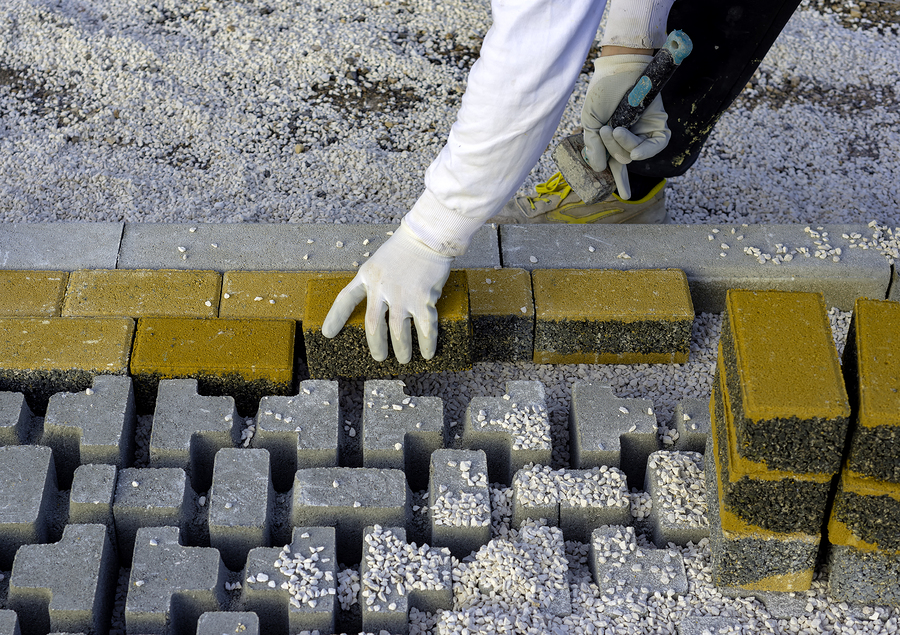
One easy way to imagine and describe interlocking paving stones is to compare them to a jigsaw puzzle. The way these stones fit together is very similar to a puzzle. They are cut at a manufacturing company in specific grids and shapes, and then pieced together to fit or cover an intended surface. Interlocking stones are not to be confused with tile, which requires a flat non-flexible surface, and motor for securing. Interlock paving requires a separate type of bonding material, often times sand; and also requires a different before and after process. Minor to major preconstruction work is needed to prepare the surface for the stone, and the stones must then be fitted together through the use of friction and manual labor.

As you can see, it is much more than just laying stone in dirt and calling it a day! For a proper interlock paving job, and a lifetime of usage, the process from start to finish must be correct. This kind of pavement can be a fantastic and inexpensive way to add value to your home and instantly increase curb appeal.

Here is a generic timeline of what to expect with an interlocking pavement installation project:

First Step: Demolition

The surface area that is to be paved will need to be demolished and cleared. It usually requires a jackhammer, small bulldozer or bobcat, and other construction equipment and tools to complete this step. Existing walkway, sidewalk, concrete, grass, deck, patio tile, and more are broken apart and thrown away.

Second Step: Surface Leveling

The soil beneath whatever was excavated needs to be cleared of debris, flattened, and leveled to an even and apposite depth. Deeper excavation of soil and an added base or foundation is required for surface areas that are intended to hold extra weight; like cars, trucks, and recreation vehicles. Areas like driveways, garages, and more will need this extra depth. This is one of the most time-consuming and labor-intensive steps in the entire process; even WITH professional equipment. For those who wish to do this step on their own with just shovels and wheelbarrows, they can expect this part to cause a load of stress, frustration, and lots of time.

Third Step: Dirt Removal and Haul-Away

Once the level is properly surfaced, there will be an excess of soil, dirt, and debris leftover. A professional paving service provides a dump truck to haul away unused or excavated soil. For someone who is doing this on their own, they will have trouble finding somewhere to put all this dirt. It is costly to hire or rent a truck that will hold organic material as well.

Step Four: Installation

A woven geo-textile fabric is installed over the excavated area, but under aggregate rock foundations, to restrict the foundation base rock from sinking into the clay soil. Because it is permeable, it allows water to flow through without jeopardizing the structural integrity of the pavement and foundation. Once this is installed, a CLASS II base rock foundation and bedding sand are installed on top. It is imperative to use the proper rock base material for an accurate and effective interlocking stone pavement job. If installed properly, little or no maintenance is required over the following years. The last part is arranging and fitting the stones to form a beautiful pavement. This part truly requires the skill and expertise of a professional pavement and road construction company.

ACI Asphalt and Concrete Inc.

Call ACI Asphalt and Concrete at 317-549-1833 for commercial and industrial paving services in Indianapolis, Indiana. Our licensed and qualified paving contractors provide several Indianapolis asphalt and concrete paving services, including pavement repair, sealcoating, road work, commercial paving, industrial paving, winter cold patching, and more. We are the industry veterans to trust for skilled craftsmanship and competitive prices! Request a free estimate, today.