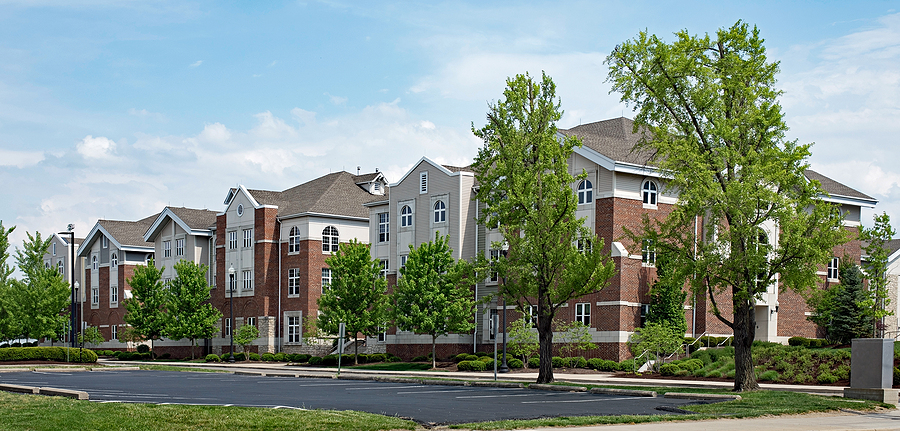
How to Spot Poor Quality Commercial Pavement Workmanship

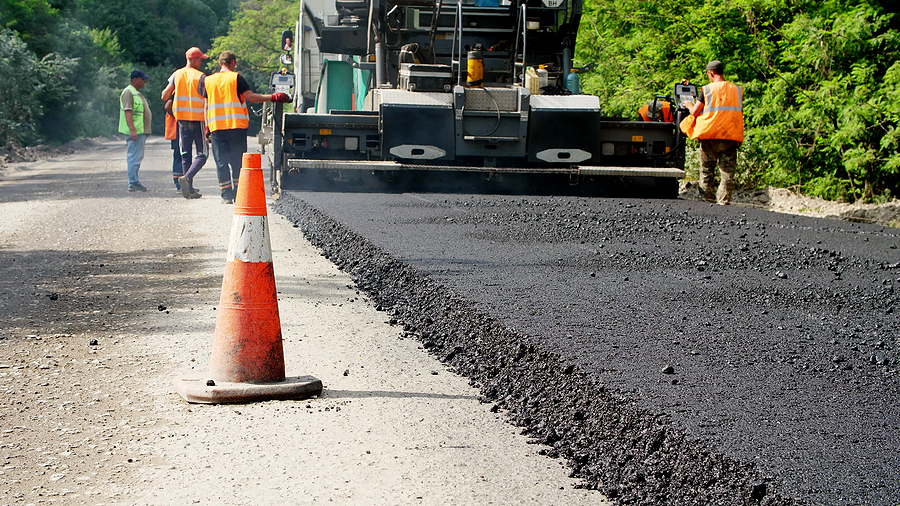
When commercial paving is done poorly, it can cause a number of problems that range from costly repairs to safety issues. That’s why it’s important to understand how to spot poor quality commercial pavement workmanship. Poorly executed commercial paving projects can lead to uneven surfaces, cracks and other damage that could be hazardous for pedestrians or vehicles. The good news is there are several ways you can identify potential problems with commercial paving before they become serious issues.

Continue reading to review some simple tips on what to look for when assessing the quality of commercial pavement workmanship.

Call 317-549-1833 For Commercial Asphalt and Concrete Repair in Indianapolis IN.

Performing a Commercial Pavement Quality Check

1. Inspect the Surface: Take a close look at the commercial paving project and keep an eye out for any irregularities in level or cracks in the pavement. Imperfections in commercial paving can be caused by poor preparation, improper materials, and inadequate drainage systems.

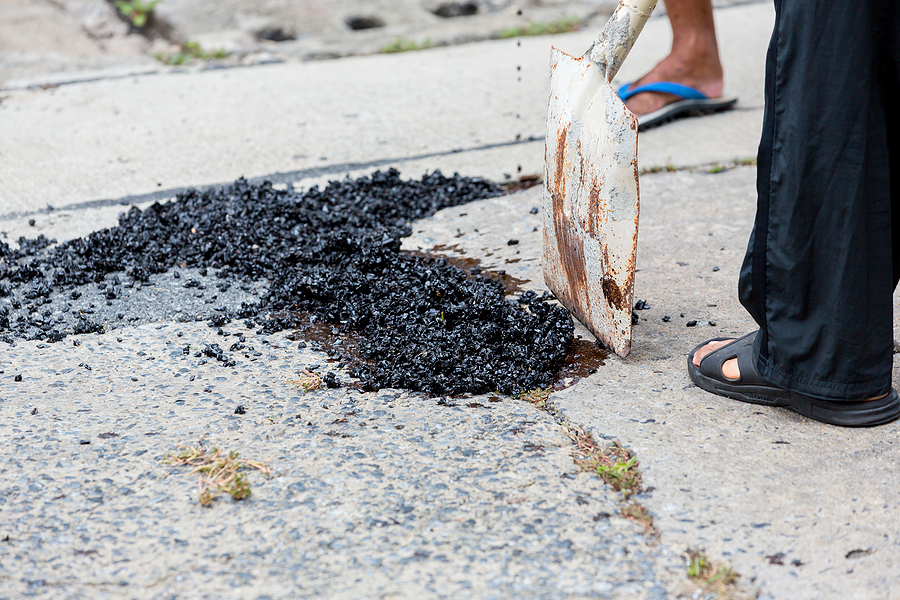
2. Check for Cleanliness: Poorly executed commercial paving projects can often look messy, with chunks of asphalt and dirt all over the area. If you notice any disorganization or uncleanliness in the commercial paving project, chances are it was done carelessly.

3. Take a Look at the Sub-Base: The sub-base is an important part of commercial paving projects because it creates a solid foundation for the pavement. If there is insufficient preparation work done on the sub-base, it can lead to instability and further damage in the future. Make sure to check that the commercial paving project includes a solid and well-prepared sub-base before moving forward with any repairs or improvements.

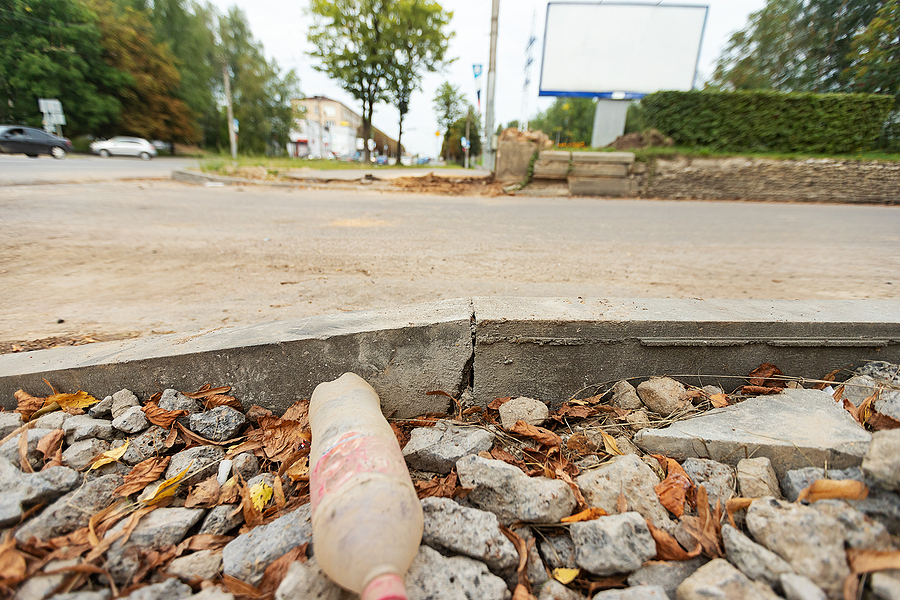
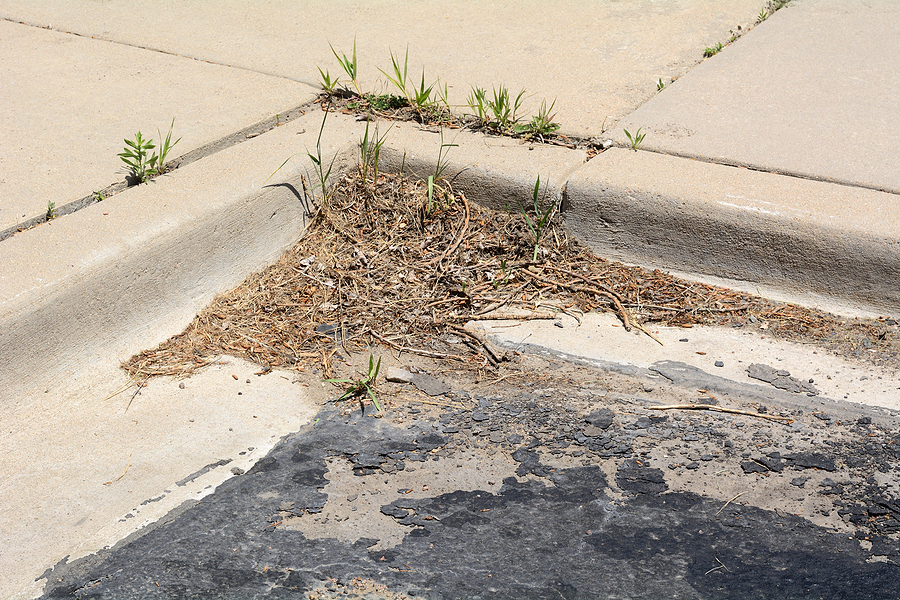
4. Watch Out for Shoddy Edges: Poorly done commercial paving projects can have edges that are not properly sealed, leaving gaps and cracks. Inspect the pavement for any unfinished or faulty edges and make sure they are addressed before the commercial paving project is complete.

Look for Skilled Commercial Paving Service in Indiana

By being aware of these potential problems with commercial paving workmanship, you can save yourself time and money by avoiding costly repairs and other risks. If a commercial paving project does not meet your standards, it is best to consult with an experienced Indiana commercial paving contractor who can help you achieve the desired results.  With the right commercial asphalt and concrete contractors on your side, you can be sure that your commercial pavement job will last for years to come.

Are you looking for a trustworthy commercial pavement and road construction company in the Central Indiana area? Contact ACI Asphalt and Concrete at 317-549-1833 to speak with a licensed and insured paving contractor about commercial pothole repair and cold patching in Indianapolis, Indiana. We serve clients all throughout the state.

Related Posts:

Commercial Asphalt Repair: How To Choose The Right Company
Winter Pavement Care Tips for Commercial Properties
Vegetation Control For Commercial Pavements and Parking Lots

Reasons to Choose Reflective Paint for Line Striping and Road Markings

Line striping and road markings are essential components of commercial paving that help ensure the safety and efficiency of traffic flow. While traffic markings are typically done with non-reflective paint, light reflective line striping and pavement painting can offer many benefits over traditional traffic marking methods.

In this blog post, we’ll explore why using reflective paint for line stripping and road markings can be a great choice for your business or property. We’ll discuss the advantages of using light reflective paint, how to apply it correctly, as well as some tips on what type of reflective material should be used in different situations. By the end of this post, you should have a better understanding of why reflectivity is an important factor when it comes to line striping and road markings.

Call 317-549-1833 For Professional Line Striping and Road Marking in Indianapolis Indiana.

The Benefits of Using Reflective Road Paints

The first benefit of using light reflective traffic marking paint for pavements like parking lots and roadways is that it increases visibility. Reflective pavement paint has more intense and vibrant colors than traditional road and pavement paint, making it easier to see in low-light conditions. This increased visibility helps ensure the safety of drivers, pedestrians, and other road users by highlighting important information like street signage and speed limits.

Another advantage of using light reflective road paint is that it lasts longer than traditional line striping and road painting solutions. Traditional strategies for marking lots and roads can easily be worn away or washed away due to weather and other external factors, while reflective pavement paints are more resistant to wear and tear, making them a great choice for commercial paving projects that are likely to see a lot of traffic.

Unlike conventional traffic marking paint, reflective materials require less maintenance in the long run. Traditional pavement paints often need to be reapplied or touched up due to things like fading or wear and tear, but this isn’t an issue with reflective paint materials. As long as the reflective traffic paint is applied correctly, it will stay vibrant and visible for a much longer period of time.

Finally, reflecting road paint is also more cost-effective than traditional traffic marking solutions. Reflective line striping materials may initially cost more than regular line striping materials, but in the long run they are much more cost-effective due to their increased durability and reduced maintenance costs.

Ensure Proper Application for Optimal Results

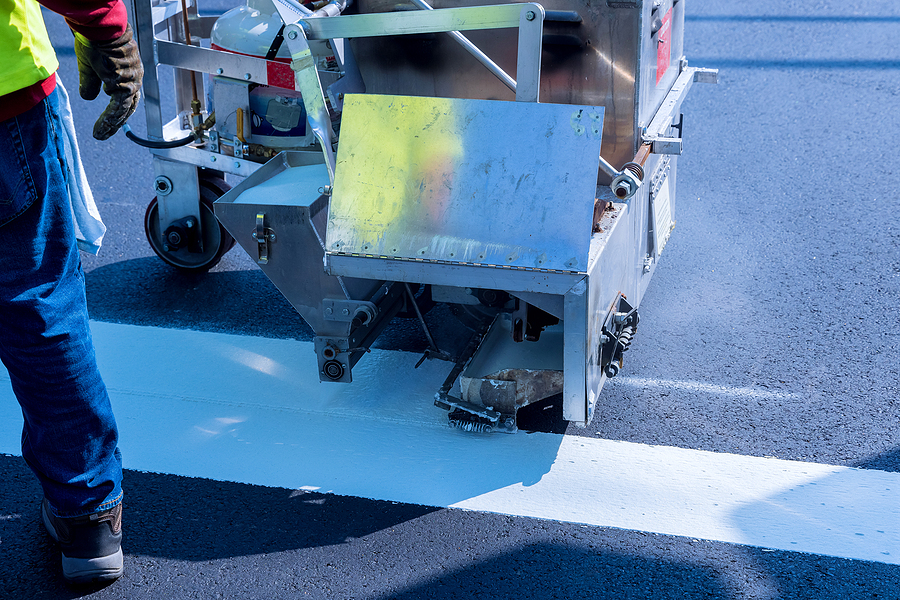
The key to getting the most out of light reflective line striping and traffic paint is to apply it correctly. Make sure you use a line striping machine designed for reflective line striping, as this will ensure that the line striping is applied properly and evenly. Additionally, it’s important to choose the right type of reflective material for road markings. Different materials are designed for different tasks, so make sure you do your research and pick the best option for your line striping or road marking project.

In conclusion, using reflective traffic paint can offer many benefits over traditional pavement paint solutions. Reflective road paint is more visible, lasts longer and requires less maintenance than traditional line striping materials. Additionally, it’s also a more cost-effective road marking solution in the long run due to its reduced maintenance costs. For these reasons, reflective road paint is an excellent choice for commercial paving projects that require line stripping and road markings.

Hire a Paving Company for Traffic Markings and Line Striping

If you’re looking for line striping and road marking services, make sure to research the different line striping options available and choose one that works best for your project. With the right line striping material, your line stripping and road marking projects can be completed more quickly, safely, and cost-effectively.

Are you on the hunt for a dependable and reliable traffic painting service in your vicinity? Contact ACI Asphalt and Concrete at 317-549-1833 to discuss your need for line striping and road markings in Indianapolis, Indiana. We also serve municipal clients.

Related Posts:

When to Repaint Your Parking Lot
Common Colors for Parking Lot Striping and Road Markings
The Basic Difference between Conventional and Airless Asphalt Striping Machines

Concrete Versus Asphalt: Which is Better for Paving?

When it comes to paving a driveway or parking lot, homeowners and businesses alike have an important decision to make: should they choose concrete or asphalt? Both materials have their advantages and disadvantages, and the best option depends on a variety of factors. In this blog post, we’ll compare concrete versus asphalt in terms of cost, versatility, appearance, maintenance, and longevity. Continue below to review the facts.

Call 317-549-1833 For Commercial Paving in Indianapolis and Surrounding Areas.

What is Asphalt?

Asphalt is a common construction material composed of many different natural and aggregate components. It is most commonly used for paving roads and parking lots due to its durability and water resistance compared to other pavement materials. Asphalt is made up of bitumen, mineral filler, washed stone, gravel, and sand, with the exact composition depending on the project requirements. It is a popular choice for road projects because of its extensive security range, from extremes in hot temperatures to freezing temperatures in winter months. This kind of pavement also has a long lifetime when compared with other pavements, with maintenance than possible throughout its life span which adds to its cost effectiveness. Asphalt’s versatility has led it to become one of the most trusted materials for any residential or commercial construction project.

What is Concrete?

Concrete is a construction material that has been used for centuries to create incredibly durable structures. It is a composite of aggregates such as sand, gravel, or crushed stone that is bound together tightly with cement and water. Concrete can be used in many forms including blocks, slabs, molds, and even sprayed on surfaces. It offers many advantages due to its strength and resistance to weather damage. This makes it an ideal material for many types of construction projects in both residential and commercial buildings. Concrete also requires far less maintenance when compared to other building materials, making it an economical choice for most construction projects.

5-Point Comparison of Asphalt and Concrete

Cost: Asphalt is typically cheaper than concrete initially. However, asphalt wears away quickly and may need to be replaced within 10 years or less of installation. Concrete, on the other hand, can last up to 50 years with proper care and maintenance. Over the long term, concrete is often a more cost-effective option.

Versatility: Asphalt is particularly versatile in terms of form and design. For example, it can be easily manipulated to create curves or contours in the pavement. Concrete, while not as amenable to complex designs, can still be poured into a variety of forms and styles.

Appearance: Many people prefer the look of concrete over asphalt. Concrete can be poured in a variety of colors and textures, giving it more potential for customization. Asphalt is typically available only as black, though some companies offer decorative options such as stamped designs or colored asphalt.

Maintenance: Asphalt requires regular maintenance to keep it in good condition, such as resurfacing or sealcoating every three to five years. Concrete is easier to maintain, but it can still benefit from occasional sealing and repair of any cracks that may form over time.

Longevity: Asphalt usually needs to be replaced every 10-15 years, depending on the climate and amount of use. On the other hand, concrete can last up to 50 years with proper maintenance.

Ultimately, the choice between asphalt and concrete depends on your individual needs and budget. Asphalt is often a better choice for shorter-term projects due to its lower upfront cost. However, if you’re looking for a longer-lasting solution that offers more design options, concrete may be the better choice. Be sure to consult with a professional Indianapolis paving contractor to determine which material is right for your project.

Ready to trust a commercial paving repair company? Search no more. ACI Asphalt & Concrete is the one for you! Contact us today at 317-549-1833 and discover our top-notch commercial pavement repair services in Indianapolis, as well as book a detailed consultation. Get your business’s pavement looking perfect with just one call!

Related Posts:

A Quick Comparison of Warm Mix Asphalt and Hot Mix Asphalt
The Average Prices For Asphalt Paving and Repair
A Fundamental Comparison of Concrete and Asphalt Pavement

How Thick Should Pavement Be?

Thick pavement is the key to a long lasting surface, whether you are working with asphalt or concrete. It can be tough to determine how thick your pavement should be, but with the right knowledge, you can make sure your paved surface or lot has enough thickness and durability to last for many years. In this blog post, we will discuss how thick asphalt and concrete pavement should be, as well as tips on how to determine the best thickness for your project. By following these guidelines, you can ensure that your driveway is built to last.

For Commercial Asphalt and Concrete Paving in Indianapolis, Call 317-549-1833 Today.

Proper Thickness for Asphalt and Concrete Pavement

Asphalt and concrete are both popular materials used for paved surfaces, each offering its own advantages and characteristics. As with any large-scale project involving either type of pavement, one of the most important considerations is achieving the correct thickness. Asphalt pavement should typically be laid between 4 inches and 6 inches thick. Residential driveways should be between 2 to 3 inches thick and commercial lots should be between 6 and 7 inches thick.

It is also important to remember that the asphalt layer should be supported by a strong base beneath it. If the granular base aggregate is not deep enough, the road surface can become compromised and result in further issues. Deeply compacted soils such as clay are also not suitable for supporting an asphalt surface, and this should be taken into consideration when laying your pavement. For best results, the base aggregate should be 6 to 8 inches deep for a stable and long-lasting asphalt surface.

Concrete slabs usually need to be at least 4 inches thick depending on factors such as traffic volumes and number of cycles traveled over the surface. For light use, concrete should be a minimum of 4 inches thick. Moderate regularity requires that the layer is 5 to 6 inches, while heavy utilization calls for 7 or more due to its enhanced durability and stability. By selecting the right thickness for concrete, a properly laid pavement can provide long lasting durability that delivers optimal results.

What Happens if Asphalt is Too Thin?

If the asphalt layer is too thin, it can result in a number of issues. The road surface may begin to crack and deteriorate quickly due to normal wear and tear, as well as extreme weather conditions such as extreme heat or cold. A thin asphalt layer will also be unable to support the same amount of weight that a thicker layer can. It is important to ensure that the asphalt layer on your property meets the recommended minimum thickness based on local regulations and standards. If you are unsure of what these standards are, it is best to consult a professional for advice. Additionally, an experienced Indianapolis commercial paving contractor should be able to assess your existing surface and provide suitable recommendations.

Tips on How to Determine the Best Thickness for Your Paving Project

1. The thickness of your paving project will depend on the surface you are paving.

2. If you are paving a driveway or patio, a thicker slab is recommended.

3. For other projects, such as sidewalks or pathways, a thinner slab may be sufficient.

4. Always consult with a professional before starting your paving project to get their expert opinion.

By following these tips, you can be sure to choose the best thickness for your paving needs and budget!

Choosing Between Concrete and Asphalt

When it comes to paving a large surface or lot, choosing between concrete and asphalt can be a difficult decision. Asphalt is usually less expensive and quicker to install than concrete, but it requires more maintenance over time due to its susceptibility to damage from water, snow, ice, and chemicals from car exhaust. Concrete is more durable and can last longer, but the installation process is more time-consuming and costly.

When deciding between concrete or asphalt for your project, consider factors such as cost, installation time and maintenance requirements. Asphalt tends to be less expensive than concrete and can be installed in a short amount of time. However, it requires frequent sealing every two to three years to protect against wear and tear. Meanwhile, concrete is more expensive and takes longer to install, but does not require regular sealing to stay in good condition.

Both materials have their advantages and disadvantages; the best option for your paved surface depends on your budget, time constraints, and maintenance expectations. Consider all of these factors before making a decision to ensure you get the best result for your parking lot. No matter which material you choose, proper installation and maintenance are essential for extending its life span and ensuring that your parking lot looks its best.

With the right combination of materials and expert installation, your parking lot will be a functional and attractive centerpiece for years to come. Contact ACI Asphalt and Concrete at 317-549-1833 for licensed, bonded, and insured pavement installation and repair in Indianapolis, Indiana.

Related Posts:

A Fundamental Comparison of Concrete and Asphalt Pavement
4 Common Mistakes People Make When Pouring a Concrete Slab
The Top Reasons Why Asphalt Sealcoating is So Valuable

Vegetation Control For Commercial Pavements and Parking Lots

Vegetation control is the management and manipulation of plant life, usually in agricultural or landscaping contexts. Common goals of vegetation control include pest management, improving yields, and creating desirable appearance. There are several methods of vegetation control, each with its own advantages and disadvantages. Methods of control include mechanical means such as tilling, mowing, and burning; chemical means such as herbicides and insecticides; and biological means such as introducing predators or pathogens. The most effective method of control depends on the specific goal, plant species, and environment. Overall, vegetation control is an important part of many agricultural and landscaping operations. This rings true for commercial pavements as well.

Continue below to learn what you need to know about commercial pavement vegetation control, plus who to choose for trusted commercial asphalt and concrete repair and road construction in Central Indiana.

Parking Lot Maintenance Indianapolis Indiana 317-549-1833

The Importance of Parking Lot Vegetation Management

Vegetation control is important for the pavement and asphalt surfaces of commercial parking lots. While plants and trees can provide aesthetic value and help with storm water management, overgrowth can damage pavement and create trip hazards. Incorrect vegetation control can also lead to the growth of weeds and other invasive species, which can be difficult and expensive to remove.

For these reasons, it is important to have a pavement maintenance plan in place that includes regular vegetation control. This can include trimming trees and plants back from the pavement, as well as spraying or treating weed growth. It is also important to keep an eye on pavement cracks and repair them promptly, as weeds can quickly take root in these areas. By following these simple tips, you can help keep your pavement and parking lot in top condition.

Parking Lot Care

Your parking lot is one of the first things customers see when they visit your business. That first impression can make a big difference, so it’s important to keep your parking lot looking its best. Regular repair and maintenance can help extend the life of your parking lot and prevent more serious (and expensive) problems down the road. Vegetation control is just one part of proper parking lot care.

If you’re not sure whether your parking lot needs repair or maintenance, here are some signs to look for:

1. Cracks in the asphalt
2. Potholes or sunken areas
3. Raised asphalt seams
4. Uncleared debris or litter
5. Overgrown vegetation
6. Standing water
7. Fading or chipped paint lines
8. Broken or missing signage
9. Damaged curbs or sidewalks

If you notice any of these problems, it’s time to call in a professional Indianapolis parking lot repair company. They will be able to assess the damage and recommend the best course of action. In some cases, a simple repair may be all that’s needed. Other times, you may need to repave the entire parking lot. Don’t wait until your parking lot is in disrepair to take action. By being proactive and performing regular maintenance, you can keep your parking lot looking its best.

Are you looking for a trusted commercial paving company in your area? Contact ACI Asphalt and Concrete at 317-549-1833 to speak with a licensed contractor about commercial asphalt paving in Indianapolis, Indiana. We serve clients all throughout the state.

Related Posts:

FAQS About ADA Parking Lot Compliance in Indiana
Integral Facts About Residential Complex Parking Lot Renovations
When to Repaint Your Parking Lot

A Fundamental Comparison of Concrete and Asphalt Pavement

When it comes time to choose between two of the most popular and constructive paving materials for your property, understanding their differences, advantages, and disadvantages is a wise step toward making the best investment decision. Continue reading to learn what makes asphalt difference from concrete, as well as some of the most common pros and cons of each paving material.

Asphalt Concrete Company Indianapolis Indiana 317-549-1833

Asphalt and Concrete

Asphalt, also known as bitumen, is a dark bituminous pitch made from a combination of binder (usually refined liquid petroleum), filler, and aggregates like sand, gravel, stones, and grit. It is essentially crushed rock that has been heated and then cured into a hard, flat finish. Once cured, it is sealed with a seal coat, making it a non-permeable pavement that retains flexibility in order to withstand changing weather conditions and more.

Concrete is a man-made material prepared from cement, as well as certain aggregates like sand and gravel. It is a porous pavement, making it highly vulnerable to water permeation. After water enters the pores of the concrete, it will freeze and thaw with the changing seasons, which will cause cracks and other defects to surface in the following years.

Pros and Cons of Both

Take a look at some of the most common advantages and disadvantages of asphalt and concrete. This will give you an idea of what to expect, and perhaps help you make a wise buying decision. If you still have questions and concerns, your best course of action would be to talk to a licensed, bonded, and insured paving company for answers and advice you can trust.

Pros and Cons of Asphalt

Asphalt is easy to repair, cheaper to purchase, quicker to install (which also means cheaper labor costs) and is much better for the environment. It is widely noted for its sleek, smooth finishes and uniform appearances. On the other hand, asphalt has a lower lifespan than concrete. It is also less durable, requires ongoing maintenance, and can even soften in extreme heat conditions.

Pros and Cons of Concrete

Concrete is highly versatile and can be finished in an infinite array of colors, stains, scores, styles, and designs. It can even be made to imitate higher end materials, like brick, tile, and cobblestone. Compared to asphalt, it is more durable, can withstand extreme heat, and lasts much longer. However, concrete is more expensive to install and more difficult to repair. It is also prone to cracking in seasonal temperature fluctuations (freeze thaw cycles).

Do you have questions about your commercial paving needs? Contact ACI Asphalt and Concrete at 317-549-1833 for licensed, bonded, and insured pavement installation and repair in Indianapolis, Indiana.

Related Posts:

Top 3 Reasons Why is Asphalt More Popular Than Concrete
A Quick Comparison of Warm Mix Asphalt and Hot Mix Asphalt
Is it Possible to Lay Asphalt on Top of Concrete?

When to Repaint Your Parking Lot

The lines and markings in your business’s parking lot play a critical role in safety, but also traffic flow optimization, communication, and curb appeal. Not sure if it’s the right time to repaint your parking lot? Continue reading to learn when you should have your parking lot restriped and painted, plus who to trust in Central Indiana for superior traffic paint installations and pavement repair.

Parking Lot Stripe Painting Indianapolis Indiana 317-549-1833

Routine Maintenance for Pavements is Essential

Repainting parking lot lines and road surface markings is an important element of smart pavement maintenance. This means it should be a routine service throughout the lifespan of your facility’s parking lot. Like pothole repair and crack filling, repainting your parking lot markings is an effective way to maintain a safe and functional premises that looks good and attracts new business and supports repeat business.

But when it the right time to add restriping and repainting services to your parking lot’s routine maintenance plan? The key to knowing when you should have your parking lot repainting starts with keen observation. You must regularly tour and inspect your pavements to assess their structural and functional integrity.

When to Repaint Your Parking Lot

Heavy Traffic Flow

Does your parking lot see a lot of traffic? Is it particularly heavy, like trucks or buses? Even if your parking lot sees all sorts of different vehicles, if the flow rate is high, you likely need annual restriping and repainting services. It is important to keep your lines and traffic markings bright and clearly visible to both drivers and pedestrians.

Inclement Weather

Do you live in a region with extreme heat waves? Does your parking lot have little no shade in the summer? Has your parking lot seen too many harsh winters with damaging freeze-thaw cycles? What about water run-off? Does your parking lot drain poorly? All of these questions address a need to brighten up and clearly redefine the pavement markings in your parking lot.

Redesigns

In some cases, parking lots no longer meet certain local, state, and federal compliancy standards because such regulations are always subject to change. This calls for a parking lot redesign. Aside from ADA noncompliance, a parking lot might need to undergo a redesign or renovation, which would call for a whole new system of pavement lines and markings. Handicap stalls, pedestrian crossing, parking spot lines, fire lanes, bikes lanes, and more will need to be repainted once the parking lot renovation or redesign is complete.

Are you ready to learn your options for a budget-friendly parking lot renovation or repainting project in Indiana? Contact ACI Asphalt and Concrete at 317-549-1833 for licensed, bonded, and insured parking lot restriping in Indianapolis and its surrounding counties. We serve commercial, industrial, and municipal clients with comprehensive pavement repair and road construction services.

Related Posts:

Common Colors for Parking Lot Striping and Road Markings
How to Take Care of Your Company Parking Lot
Facts About Thermoplastic Pavement Markings

Integral Facts About Residential Complex Parking Lot Renovations

If you are the proprietor of a residential living development, now is the perfect time of year to consider your pavement maintenance and renovation needs. Routine maintenance for asphalt and concrete is an important part of preserving your paved lots and sidewalks. At some point in time, parking lots will need to be repaved rather than painted and patched up. If your apartment or condominium complex parking lot is over 10 years old, it could certainly benefit from commercial repaving service.

Continue reading to learn the importance of pavement maintenance and repair for residential multi-housing complexes, plus how to get started on a commercial paving repair bid for your premises.

Apartment Parking Lot Repair Indianapolis IN 317-549-1833

Commercial Repaving Services

Parking lots in residential living complexes tend to see a lot of traffic. Almost every unit within your development has at least one tenant with at least one vehicle. And if your commercial property is in a region that experiences diverse climates and inclement weather conditions, your parking lots will show signs of wear and tear much faster. But patching and pothole repair can only go so far for so long; and after a while, your lot will need a complete overhaul. Fortunately, repaving services are cost-effective, and highly beneficial to your investment, a great foundation for creating a new parking lot preventative maintenance plan (PMP).

3 Reasons to Repave Residential Community Parking Lots:

Satisfied Tenants. Your tenants will be very pleased and grateful for the parking lot enhancement. They will appreciate the fact that it looks nicer, and it is easier on their vehicles, which reduces tenant complaints and turnover, saving you time and vacancy costs. It can also help attract new tenants and fill up your vacant units.

Improved Aesthetics. Repaving of any kind drastically, and instantly, improves the look of your commercial property. Fresh, smooth pavement is appealing and looks high-quality. This also improves the overall value of your commercial apartment complex. Which then brings us to our next reason!

Increased Property Value. Your investment is a significant one if you own an apartment complex, no matter what size it may be. In order to protect your investment, you must preserve it. But to increase your return on investment, you must make valuable additions. Like new parking lot pavement!

How to Find Trusted Commercial Pavement Service Near You

Be sure to choose a licensed and insured asphalt and concrete paving company in Indianapolis that has several years of experience in the paving industry. ACI Asphalt & Concrete is an Indianapolis-based company specializing in paving, road maintenance, and development for commercial, municipal, and industrial properties throughout Central Indiana.

Trust our licensed, bonded, and insured commercial paving contractors to deliver superior results within budget, no matter the size or scope of your pavement renovation needs. Contact ACI Asphalt and Concrete at 317-549-1833 to speak with a seasoned commercial paving contractor in Indianapolis, Indiana today. We specialize in both asphalt and concrete work for commercial and industrial clients.

Related Posts:

The 6 Elements of a Good Parking Lot Maintenance Plan
How to Extend the Lifespan of Your Parking Lot
FAQS About ADA Parking Lot Compliance in Indiana

Will I Pay More For Asphalt or Concrete?

Cost comparisons play a vital role in all business-related expenditures, large or small. So, when it comes to paving new surfaces for your company, you will naturally want to know which pavement material is more cost-effective. Basically, you want to know if asphalt will cost you more than concrete, or vice versa. Scroll down to learn some facts about the cost of asphalt and concrete paving materials that will help you make the best spending decision for your business.

Commercial Pavement Company Indianapolis Indiana 317-549-1833

The Price of Asphalt Versus the Price of Concrete

Asphalt and concrete are two entirely different paving materials used to render the same types of paved structures. From roads and parking lots to courts, plazas, sidewalks, curbs, bollards, and more, both asphalt and concrete have proven to be tried and true paving products. But which one will cost you more, upfront and in the long run? The answer is complicated and more importantly, will vary depending on the unique details and specifications of your paving project. For this reason, lean on the facts about asphalt and concrete prices to help you get started in the right direction.

Let’s examine the pros and cons of both paving materials in terms of price and maintenance.

Average Prices

Asphalt is generally cheaper than concrete. That is why it is so widely used to pave roads, highways, and interstate systems. Oppositely, concrete tends to come with a high price tag. On average, asphalt can be procured between $1 and $5 per square foot (installed), while average concrete prices range between $3 and $10 per square foot installed.

Routine Maintenance

Although asphalt is the cheaper paving option upfront, it generates additional costs every 3 to 5 years when it needs resealing. A single bucket of asphalt sealant can cost upwards of $20, so you can imagine the total cost to reseal a multi-level parking lot or business front driveway. Without a proper sealcoat, asphalt will incur more damage, which can lead to premature repairs and overlays.

Concrete does not require much maintenance other than routine cleaning, pressure washing, and if applicable, fresh paint application. However, concrete cracks tend to be a challenging repair, and therefore, pricey. That is something to think about when deciding on a paving material.

Square Footage

Because asphalt and concrete are typically priced by the square foot, installed, the size of your project will largely impact the total cost of paving. The more surface area, the higher the cost, both upfront and in the long run.

Lifespan

Concrete pavements can last between 20 and 60 years with good care. Asphalt pavements can last between 10 and 30 years with regular sealcoating and good care.

Are you looking for qualified road construction and commercial paving in Central Indiana? Contact ACI Asphalt and Concrete at 317-549-1833 for licensed and insured paving services for asphalt and concrete pavements in Indianapolis, Indiana. We serve commercial and industrial clients all throughout such parts of the state.

Related Posts:

A Quick Comparison of Warm Mix Asphalt and Hot Mix Asphalt
Which Paving Material Performs Better in Winter?
Primary Factors Used to Calculate the Cost of Asphalt Sealcoating

The Importance of Spring Pothole Repair

Every year, Hoosiers all across the state start asking themselves, “where did all these pesky potholes come from?” Well, the answer is, winter. In the winter, water and precipitation seeps into porous pavement and then freezes over. The freezing of water forces the pavement to expand as the ice forms. Once warmer temperatures arrive pre-Spring, the frozen water within pavement thaws, causing the surrounding pavement to then contract back into itself. As a result, pavement caves and crumbles and forms what we refer to as potholes. This whole process is known as the seasonal freeze-thaw cycle, and it is the number one cause of Spring potholes.

If your parking lot or commercial drive is ridden with a sudden pothole outbreak, now is the time to get them filled. Continue reading to learn why Spring pothole repair is so important, plus who to trust in Central Indiana for superior commercial paving and road construction service.

Commercial Pothole Repair Indianapolis Indiana 317-549-1833

Pothole Repair in Indianapolis Indiana

The thing about potholes is, they require immediate attention. Otherwise, they will grow and worsen, potentially posing several safety and liability risks. Not only does broken and crumbled pavement turn off potential consumers by lowering your property’s curb appeal, but also, having large holes and crevices on your pavements can be dangerous for drivers, pedestrians, and cyclists. If anyone is injured on your commercial property due to a lack of pavement maintenance, you could be held legally responsible for their damages, bodily and property.

Why Repair Potholes in Spring?

Spring is a perfect time for pavement repair and pothole patching because the weather is predictable and mostly ambient. Although Spring is known as the rainy season and it is not ideal to perform pavement work in the rain, there are still plenty of dry days that not too cool and not too warm. Hot mix asphalt is a common material used to fill in potholes.

In the Spring, the weather is warm enough to keep the mix liquid-y while it is poured and spread, but cool enough to support a proper curing and hardening process. Fall is similar in climate, making it another great time of year to have paving work done, such as asphalt resealing and sealcoating.

Just because the freeze-thaw cycle is complete by Spring, there are several elements of the season that can worsen potholes. If you do not repair potholes in the Spring, they will grow larger and expand into additional pavement defects and problems by summer.

Are your lots in need of pavement and pothole repair right now? Contact ACI Asphalt and Concrete at 317-549-1833 for commercial pothole repair in Indianapolis, Indiana. We serve clients all throughout the central parts of the state.

Related Posts:

Common Asphalt Problems That Should Be Repaired This Spring
Can Asphalt Repair Be Done in Rainy Weather?
Are Your Concrete Sidewalks Heaving or Sinking?